The Battle of Castle Itter: The Day American GIs and German Soldiers Fought the SS Side by Side


By the first days of May 1945, the Third Reich was a corpse that had not yet been told it was dead. Hitler had shot himself in his bunker. Berlin had fallen. Across a collapsing Germany and Austria, soldiers were throwing down their rifles, fleeing home, or waiting to surrender. And in that strange, lawless gap between war and peace, on a rocky crag in the Austrian Tyrol, the most improbable battle of the entire war was about to be fought — American GIs and German soldiers standing shoulder to shoulder, firing at the same enemy, to save a castle full of France’s most famous prisoners.
It sounds like invention. It is not. It is one of the best-attested and least-believed episodes of the Second World War.
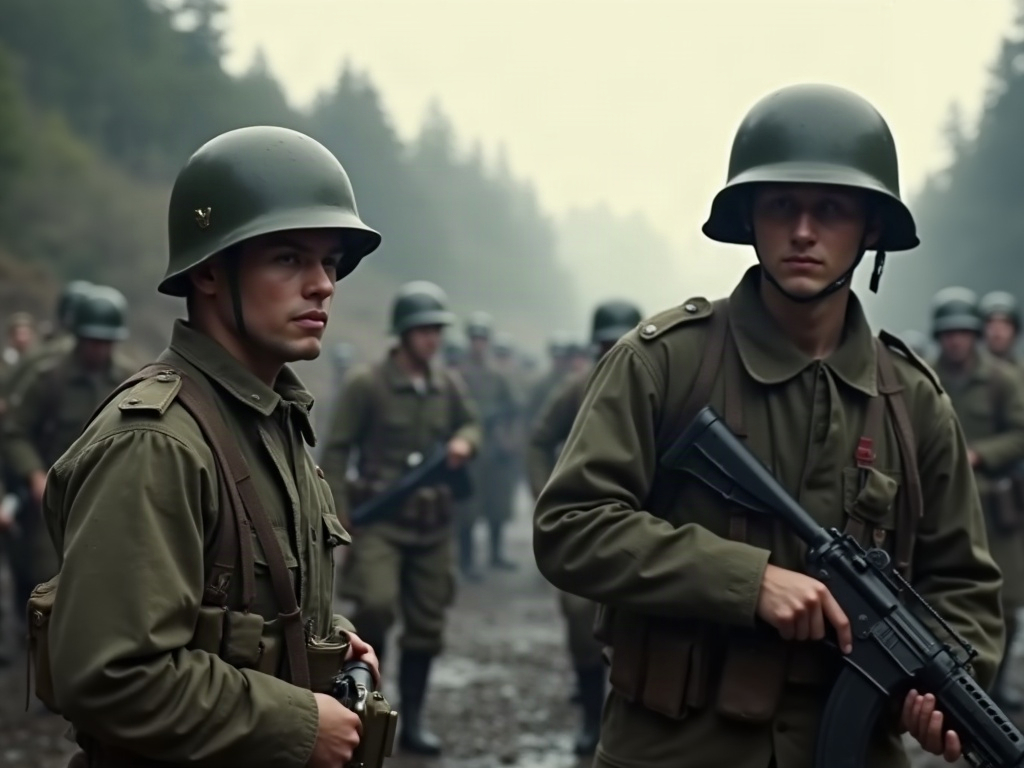
A Castle Full of France’s Elite
Schloss Itter is a picture-postcard castle above the village of Itter, a fortress on a hilltop with the snow of the Tyrol behind it. In 1943 the SS requisitioned it and wired it as a high-security prison — a satellite of the Dachau concentration camp reserved for hostages too valuable to kill and too dangerous to free.
Its prisoners were a who’s who of the French Third Republic. Two former prime ministers, the bitter rivals Édouard Daladier and Paul Reynaud. Two former commanders-in-chief, generals Maxime Weygand and Maurice Gamelin. The labour leader Léon Jouhaux. Michel Clemenceau, son of the great wartime premier. Marie-Agnès Cailliau, sister of Charles de Gaulle. And, improbably, Jean Borotra — the “Bounding Basque,” one of the most celebrated tennis champions of the age. These were people the Nazis had held as bargaining chips, and as the Reich died around them, the obvious fear was that the retreating SS would simply murder the lot rather than let them be liberated.
The Guards Vanish
In the first days of May the castle’s SS commandant and his guards did what nearly everyone in the doomed Reich was doing: they fled. The prisoners suddenly found themselves in charge of their own prison — and terrified. Somewhere out in the hills were fanatical Waffen-SS units that had every reason to come back and finish them off before the Allies arrived.
They needed help, and fast. A Yugoslav handyman named Zvonimir Čučković, and later a Czech cook named Andreas Krobot, were sent out on bicycles to find Allied forces and beg for rescue. It was a desperate, long-shot errand into a countryside crawling with die-hard SS. And astonishingly, it worked — because of who they found.
An Enemy Turned Ally
The first man to answer was not American but German. Major Josef Gangl was a decorated Wehrmacht officer who had quietly turned against the Nazis and thrown in with the Austrian resistance in the nearby town of Wörgl. Ordered to make a last-ditch stand for a regime he despised, Gangl instead decided to use his handful of loyal men to protect civilians and prisoners from the SS.
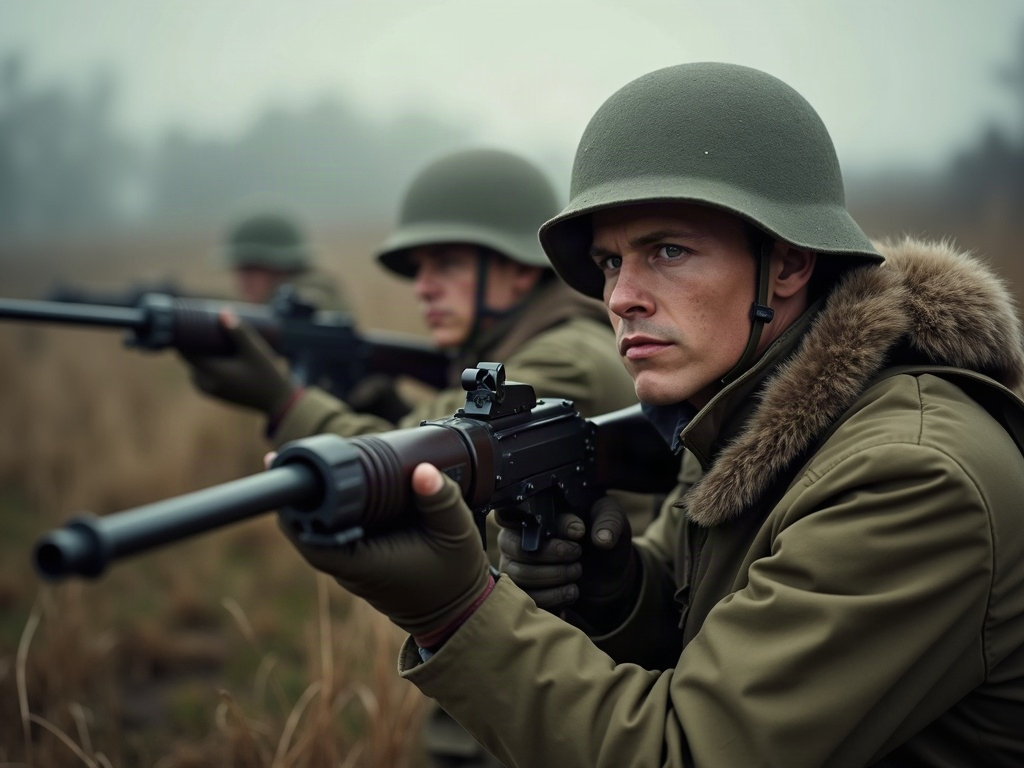
Realising his small force could not hold off a determined SS attack alone, Gangl did something extraordinary for a serving German officer in May 1945: he drove out under a white flag to find the advancing Americans and ask them for help. History is full of soldiers who defied overwhelming odds out of sheer conviction — the kind of lopsided, principled stand that also defines the tale of Admiral Yi and his thirteen ships against an empire. Gangl’s stand would be smaller, and it would cost him everything.
The Americans Arrive
The officer Gangl found was Captain John C. “Jack” Lee Jr. of the 23rd Tank Battalion, 12th Armored Division — a hard-charging, cigar-chewing tanker from New York. Lee heard the story, grasped what was at stake, and agreed at once. He set off for the castle with a lone Sherman tank nicknamed “Besotten Jenny” and a small group of GIs, joined by Gangl and a handful of Wehrmacht soldiers who had switched sides. An American captain and a German major, their men riding together, drove up the mountain to defend a castle full of Frenchmen. It was the kind of eccentric, larger-than-life gallantry the war threw up now and then — not unlike the British officer who fought the whole war with a longbow and a broadsword.
Inside, they found a garrison unlike any other in the war: a dozen or so American tankers, ten anti-Nazi German soldiers, an SS officer named Kurt-Siegfried Schrader who had also defected to protect the prisoners, and the freed French VIPs themselves — several of whom, elderly statesmen and generals though they were, insisted on picking up weapons to fight.
The Strangest Battle of the War
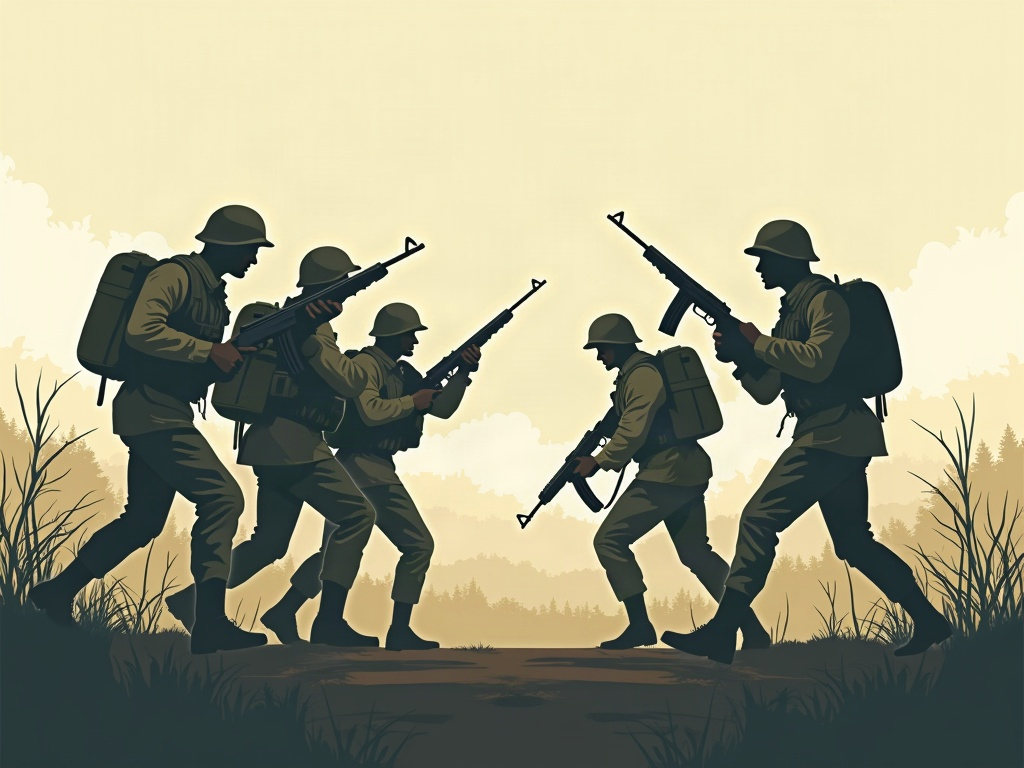
At dawn on 5 May 1945, the attack came. A force of Waffen-SS, drawn from the 17th SS Panzergrenadier Division, moved on the castle with the aim of retaking it and killing the prisoners. What followed was a genuine firefight: machine-gun fire raking the walls, the defenders — American, German, and French together — holding the gate and the courtyard hour after hour.
Besotten Jenny fought until an 88mm anti-tank round found her and knocked her out. The defenders were running low on ammunition. And then Jean Borotra, the tennis champion, volunteered for a stunt worthy of the Roland Garros stadium that would later bear his name: he climbed over the castle wall and sprinted through the SS lines, dodging fire, to reach the American relief force and guide it back. Amid the chaos, Major Josef Gangl — the German officer who had started it all — was killed by a sniper’s bullet while trying to shield the former prime minister Paul Reynaud.
Relief, and the End
Late that afternoon, American reinforcements from the 142nd Infantry Regiment of the 36th Division broke through. The SS assault collapsed; scores of them were taken prisoner. Every one of the French VIPs survived. The war in Europe would be over within seventy-two hours.
Major Gangl was buried as a hero of the Austrian resistance, and a street in Wörgl still bears his name — a German soldier honoured for dying to protect the enemies of his own regime. Jack Lee was awarded the Distinguished Service Cross. And the freed prisoners, statesmen who had spent the war caged, walked out of Schloss Itter into a Europe at peace. Their survival against the odds carries the same jolt of the miraculous as the story of the stewardess who walked away from three doomed ships — proof that some people simply refuse to be written off.
Why Castle Itter Still Matters
The Battle of Castle Itter is often called the strangest battle of the Second World War, and it is very likely the only time American and German troops fought as allies, on the same side, against a common enemy. That alone would make it a curiosity. What makes it endure is what it reveals about the last, unravelling days of a war: that even inside the machine of the Reich, individual men could look at the SS and decide, at mortal risk, that they would not be part of it.
Josef Gangl wore the uniform of the army that had terrorised Europe, and he died turning his guns on it. Jack Lee could have waited safely for the war’s certain end and instead drove up a mountain for strangers. For a single afternoon, on a Tyrolean crag, the neat line between enemy and friend simply dissolved, and what was left was something older and more stubborn than any flag — the plain human refusal to let the murderers win one more time before the guns fell silent for good.
Sources & further reading:
More from the archive
- Operation Mincemeat: The Dead Man Who Fooled Hitler and Saved Sicily
- The 1561 Nuremberg Sky Battle: When Hundreds of Flying Objects Waged War Above Medieval Germany
- The Day Napoleon Was Defeated by Rabbits: The Most Humiliating Military Retreat in History