The Cowra Breakout: The Night 1,100 Prisoners Charged the Wire

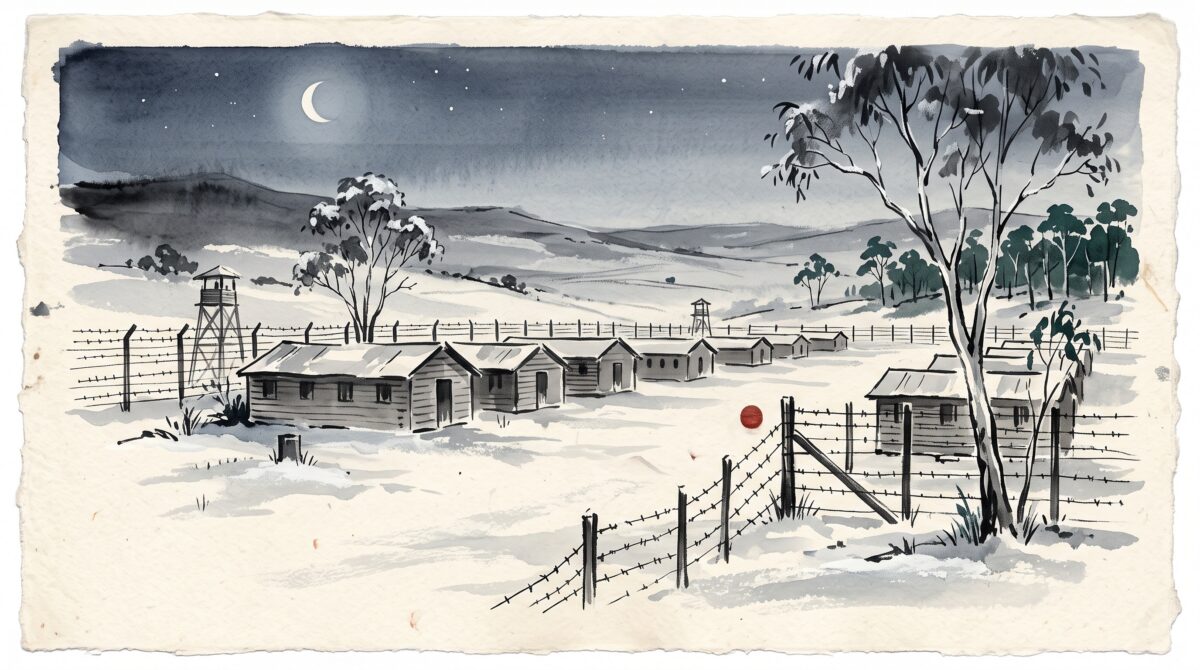
At two o’clock on the morning of 5 August 1944, a bugle sounded across a prisoner-of-war camp near the small country town of Cowra, in the sheep country of central New South Wales. It was the middle of an Australian winter, the ground stiff with frost. Seconds after the bugle, more than a thousand Japanese prisoners came pouring out of their huts, screaming, and threw themselves at the barbed wire.
They had almost no real weapons – baseball bats, knives fashioned from mess-hall cutlery, clubs, garrotting cords, blankets to fling over the wire. Against them stood machine guns. What happened over the next few minutes, and the strange, sorrowful decades that followed, make the Cowra breakout one of the most haunting episodes of the Second World War – and, by sheer number of escapees, the largest prison break of the entire war.
The camp on the hill
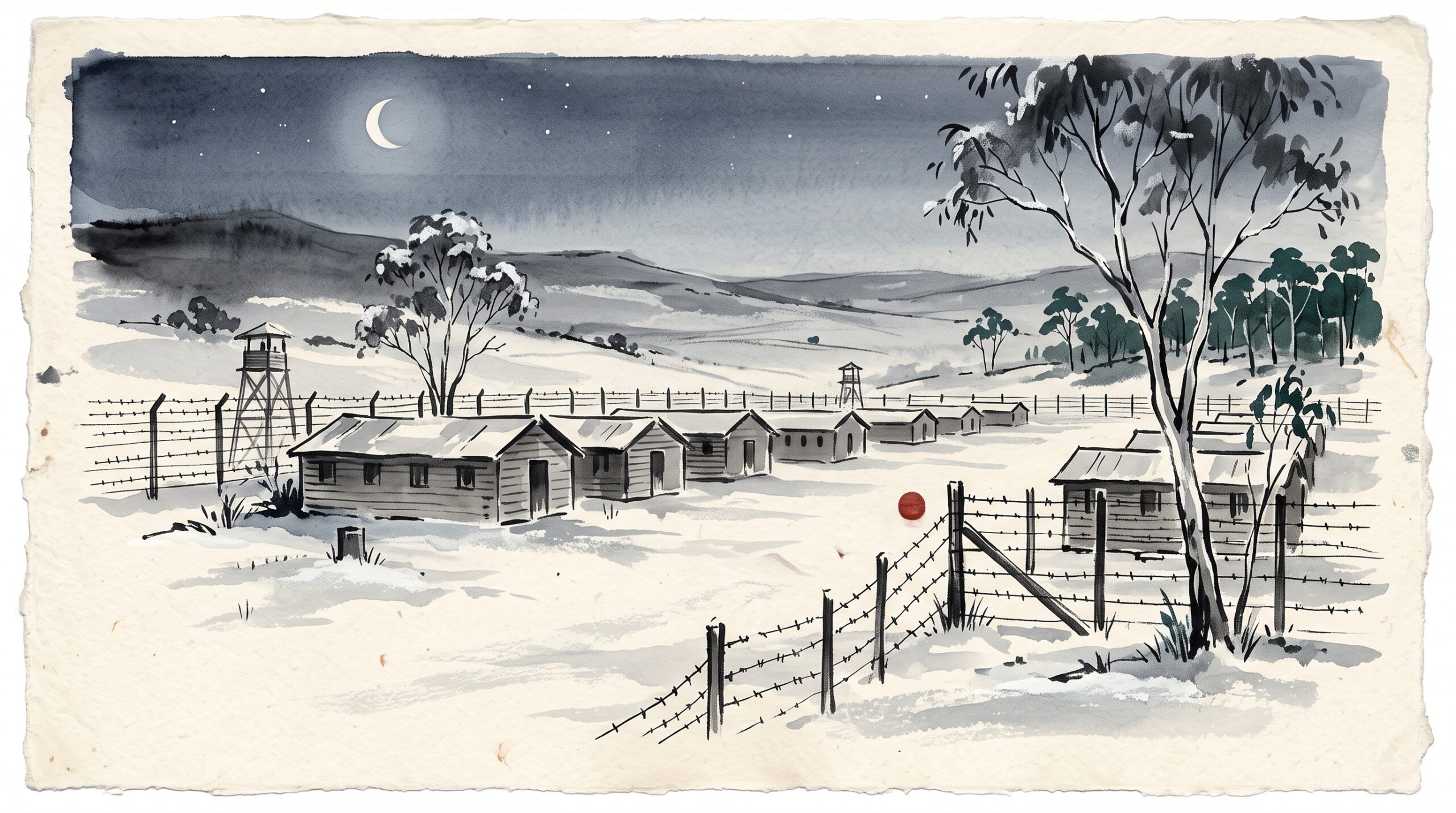
By 1944, Cowra held thousands of prisoners: Italians, Koreans, Formosans, Indonesians, and a large compound of Japanese servicemen captured across the Pacific. The Australians ran the camp by the book. The prisoners were housed in clean huts, fed rations that were, by the standards of a wartime enemy, almost generous. Red Cross parcels arrived. Compared with the horrors unfolding in Japanese-run camps across Asia, Cowra was humane to the point of being surreal.
And that was precisely the problem. To the Japanese prisoners, captivity itself was the catastrophe. Many had been schooled in a code that treated surrender as the deepest possible disgrace – a stain not only on the soldier but on his family and his name. Some had given false names on capture so that the army would report them dead and their relatives would be spared the shame. To be alive, well-fed, and behind Australian wire was not a mercy. To a portion of the men, it was an unbearable dishonour with only one traditional remedy.
The spark
In early August the Australian command decided to move the Japanese other-ranks prisoners to a second camp, partly to thin out a compound that had grown dangerously crowded. Word of the transfer reached the prisoners. For men already living with the weight of surrender, separation and further captivity was the final indignity.
In the barracks of B Compound, a vote was taken in the dark – reportedly by a show of marbles or slips of paper, black for action, white against. The result committed the compound to a mass breakout that almost no one expected to survive. It was never truly an escape plan in the ordinary sense; there was nowhere to escape to, a thousand miles of hostile country in every direction. It was something closer to a collective decision to die on their own terms, charging, rather than to go on living as prisoners.
The bugle and the wire
When the bugle blew, the compound erupted. Prisoners set their own huts ablaze behind them so there could be no retreat. They surged at the fences in waves, hurling blankets over the barbs, climbing on the backs of the men in front, screaming into the freezing dark.
Two young Australian soldiers, Privates Benjamin Hardy and Ralph Jones, manned a machine gun at the perimeter. They kept firing into the onrushing mass for as long as they could – long enough, it is believed, to blunt the first rush and save the rest of the camp from being overwhelmed. Both were killed at their post. Before he was overrun, one of them is said to have removed and hidden the gun’s bolt so the prisoners could not turn the weapon on the garrison. For their stand, Hardy and Jones were later awarded the George Cross.
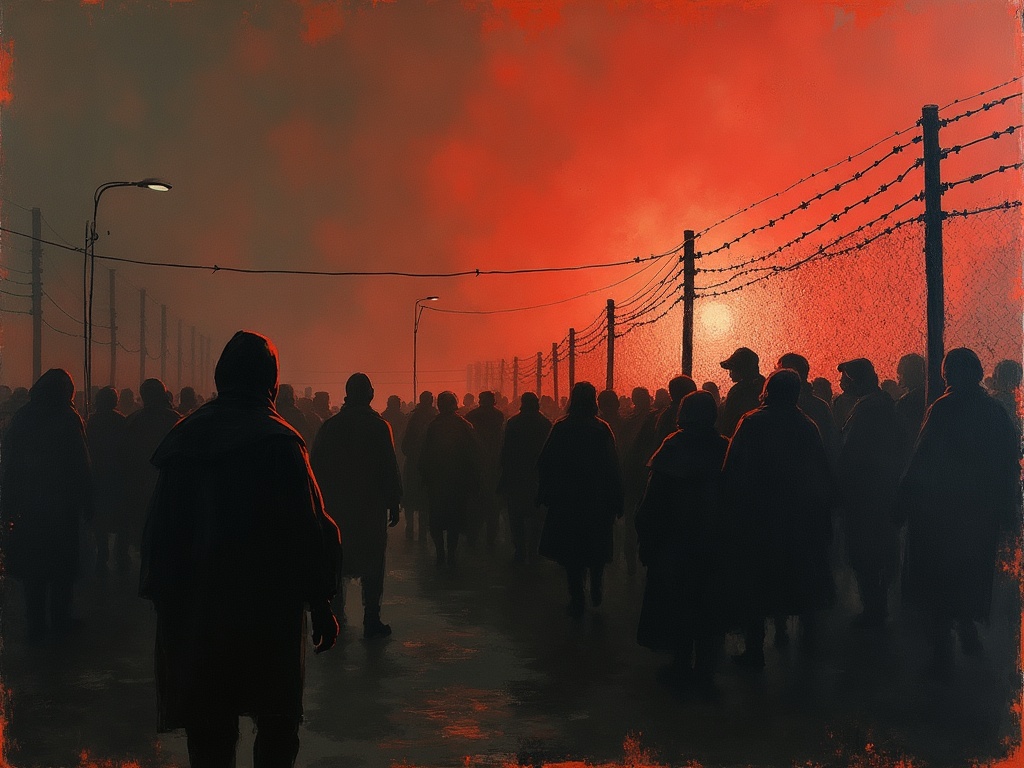
Hundreds of prisoners made it over the wire and scattered into the frozen paddocks and hills. But the countryside was empty and cold, and there was no destination. Over the following nine days, search parties combed the district and brought the escapees in. Some prisoners, unwilling to be recaptured, took their own lives in the fields. Others, remarkably, went out of their way to avoid harming the Australian civilians they encountered – there are accounts of escapees warning a family away from danger rather than attacking them.
The reckoning
When the tally was finally made, it was staggering. Around 234 Japanese prisoners were dead and more than 100 wounded. Four Australians had been killed. Not a single prisoner remained at large. In the raw arithmetic of the war it changed nothing; strategically, the Cowra breakout was a footnote. But as a human event it was almost unbearable – a mass of men who chose to run onto machine guns rather than survive a captivity that, by any material measure, was not cruel.
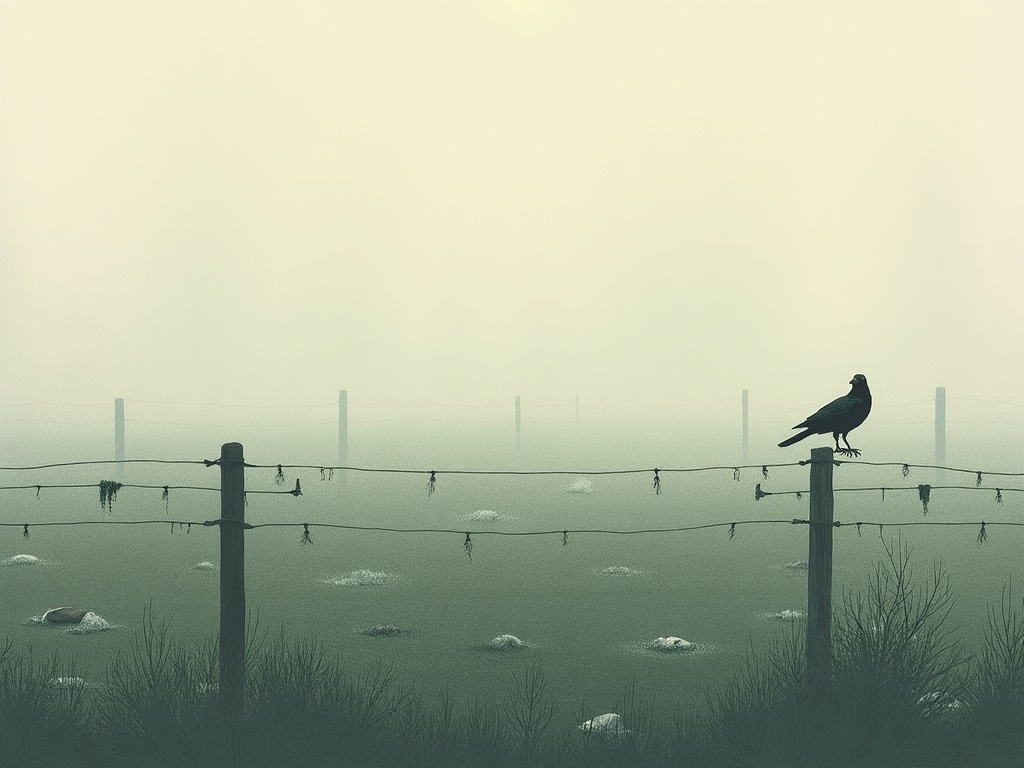
The breakout was quietly downplayed at the time. In the middle of a total war, neither government had much appetite for dwelling on it. And so, as the Smithsonian and others have noted, the largest prison break of the Second World War slipped strangely out of the popular memory of the conflict, overshadowed by the great campaigns and the more comfortable stories of daring wartime escapes.
What Cowra became
The most extraordinary part of the story is what happened after the guns fell silent. The dead prisoners were buried in a plot near the town. In the years that followed, the people of Cowra – a community that had every reason to be bitter – chose instead to tend those graves. In time the site was formally established as a Japanese war cemetery, the only one of its kind in Australia, and the men who had died charging the wire were cared for with a dignity their code had told them they had forfeited.
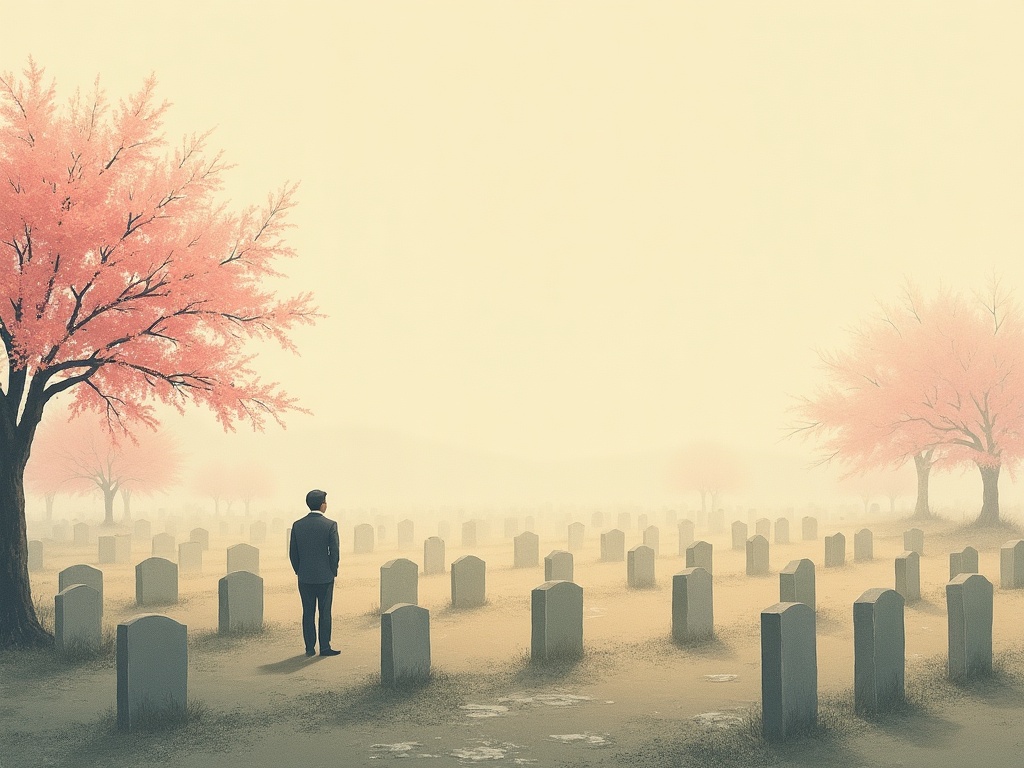
Cowra went further. The town built a Japanese garden, one of the largest outside Japan, as a deliberate act of reconciliation, and it became a sister to the very idea of turning enmity into understanding. Each year the breakout is commemorated not with triumph but with a shared, quiet sorrow by Australians and Japanese together.
That is why the story still matters. Cowra is not a tale of heroism against villainy, or of a clever escape. It is about the terrible power of an idea – that to be captured is to be disgraced – and about what it costs when human beings are taught that death is more honourable than living. And it is about the harder, slower courage that came afterward: the choice of an ordinary country town to answer that tragedy not with hatred, but with a garden, a cemetery, and the simple decision to remember the dead as men.
Sources & further reading:
More from the archive
- Witold Pilecki: The Man Who Volunteered for Auschwitz to Tell the World
- The Night Witches — The All-Female Soviet Bomber Regiment That Terrified the Nazis
- The Ohio Penitentiary Fire of 1930: 322 Men Who Burned Behind Locked Doors