Ada Blackjack: The Inuit Seamstress Who Survived Two Years Alone in the Arctic

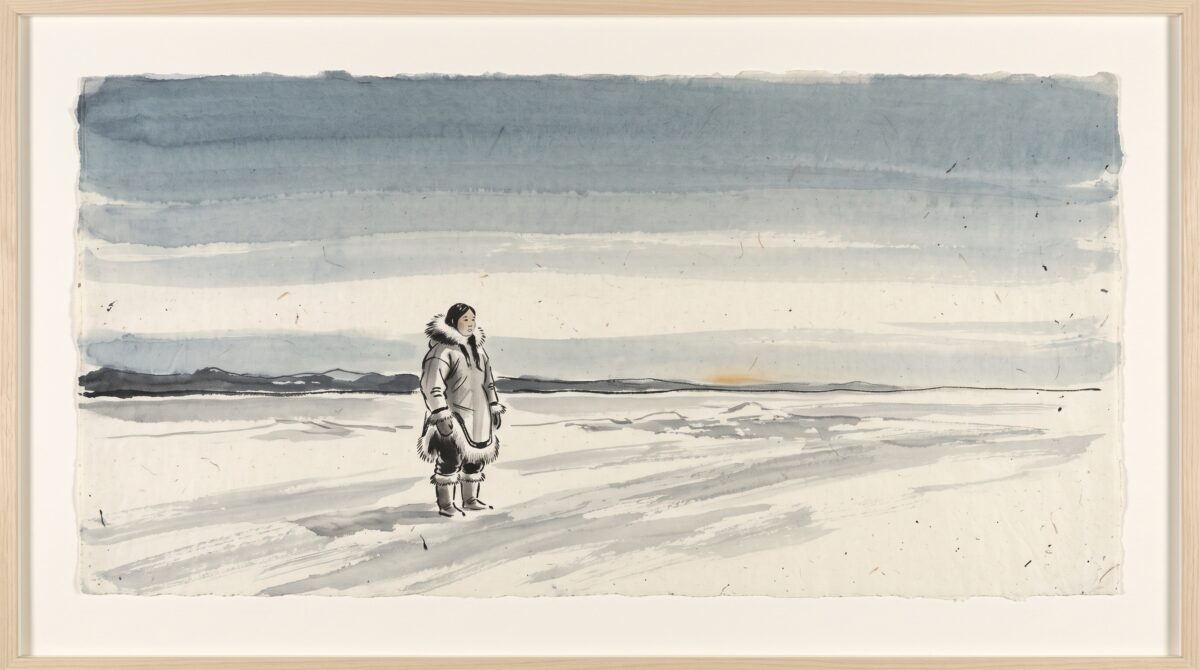
She was twenty-three years old, barely five feet tall, and by her own account hopeless at everything an Arctic expedition was supposed to need. Ada Blackjack could sew a fine seam and little else that mattered on the ice. She had never fired a rifle. She had never built a shelter from snow. She was frightened of polar bears and of the dark. And yet, two years after she sailed north on a venture dreamed up by famous men, every one of those men was gone, and Ada was still alive — alone on a frozen island at the top of the world, keeping herself breathing for the sake of a sick little boy waiting a thousand miles away.
A Mother Who Needed Money
Ada Blackjack was born in 1898 near Solomon, on the coast of Alaska, an Inupiat girl raised by Methodist missionaries after her father died. She married young and badly; her husband abandoned her, and of her three children only one survived — a boy named Bennett, who was sick with tuberculosis. Divorced, destitute and desperate to pay for his care, Ada walked into Nome looking for work in the summer of 1921.
What she found was an expedition. The celebrated and controversial explorer Vilhjalmur Stefansson had hatched a scheme to claim remote Wrangel Island, off the Siberian coast, for the British Empire. He would not go himself. Instead he recruited four young men to do it — and needed Inuit families to come along as hunters and seamstresses who knew how to live on the land. In the end only Ada signed on. She did not want the adventure. She wanted the wages: fifty dollars a month, enough, she hoped, to save her son.
Five People and an Empire’s Ambition
The four men were little more than boys with enormous confidence. Allan Crawford, the nominal leader, was a twenty-year-old Canadian. Lorne Knight and Milton Galle were Americans; Fred Maurer had been to Wrangel before and should have known better. In September 1921 the party of five landed on the island with about six months of supplies and the cheerful assumption, inherited from Stefansson, that the Arctic was a friendly country that would always provide.
For a while it seemed to. The first winter passed without disaster. But a polar island is not a larder, and the game they counted on did not always come. When summer returned in 1922, the relief ship that was supposed to bring fresh supplies could not punch through the pack ice and was forced to turn back. The five were suddenly looking at a second winter with dwindling food and no word from the outside world.

Three Men Walk Into the White
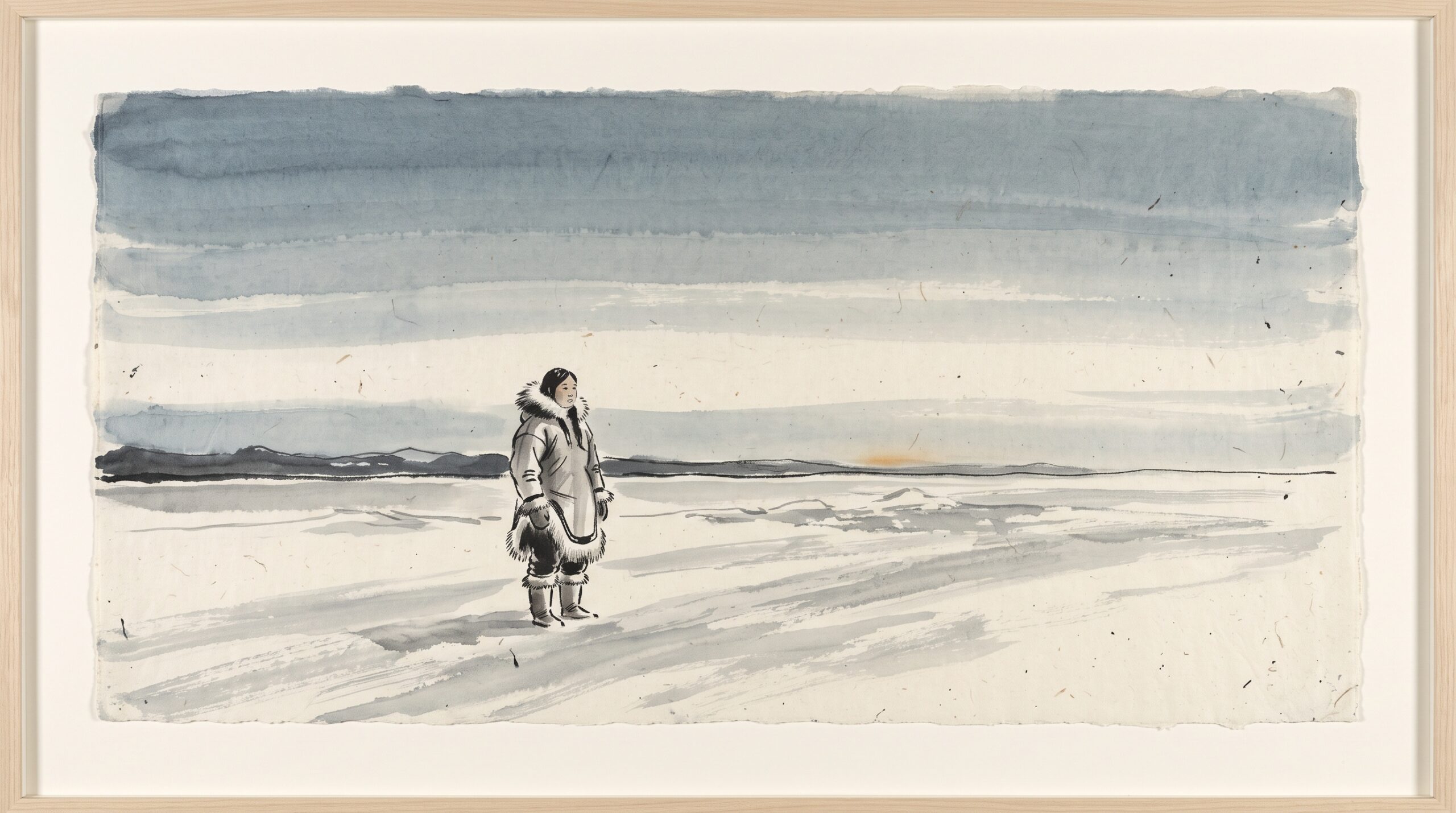
By January 1923 the situation had turned grim. Game was scarce, the stores were nearly gone, and Lorne Knight had fallen ill with scurvy, the old killer of polar expeditions. The group made a desperate decision. Three of the men — Crawford, Maurer and Galle — would set out across the frozen sea toward Siberia and the Alaskan mainland to bring help. Knight, too sick to travel, would stay behind. And so would Ada, to nurse him.
The three walked off across the ice into the winter dark. They were never seen again. Somewhere out on that shifting, treacherous surface, among the leads of open water and the grinding pressure ridges, they vanished without a trace — one of those quiet Arctic disappearances that leave no grave and no story, only an absence that never ends.
It is a vanishing that belongs to a grim tradition of polar ventures swallowed whole by the ice and the sea. Readers drawn to that darker history will find a companion tale in the wreck of the whaleship Essex, the real disaster that inspired Moby-Dick, where survival at the edge of the world demanded an even more terrible price.
The Last Two on the Island
Back at the camp, Ada and Lorne Knight were alone. Knight’s scurvy worsened. His gums bled, his limbs swelled, and he grew too weak to stand. For months Ada did everything — fed him, cleaned him, tried to coax strength back into a dying man — all while the food ran out around them. The two of them, by Knight’s own diary, did not always get along; he was frustrated and failing, she was overwhelmed and learning on the fly. But she did not leave him, and she did not let him die untended. In June 1923, Lorne Knight died in the camp. Ada buried what she could and was, at last, entirely alone.
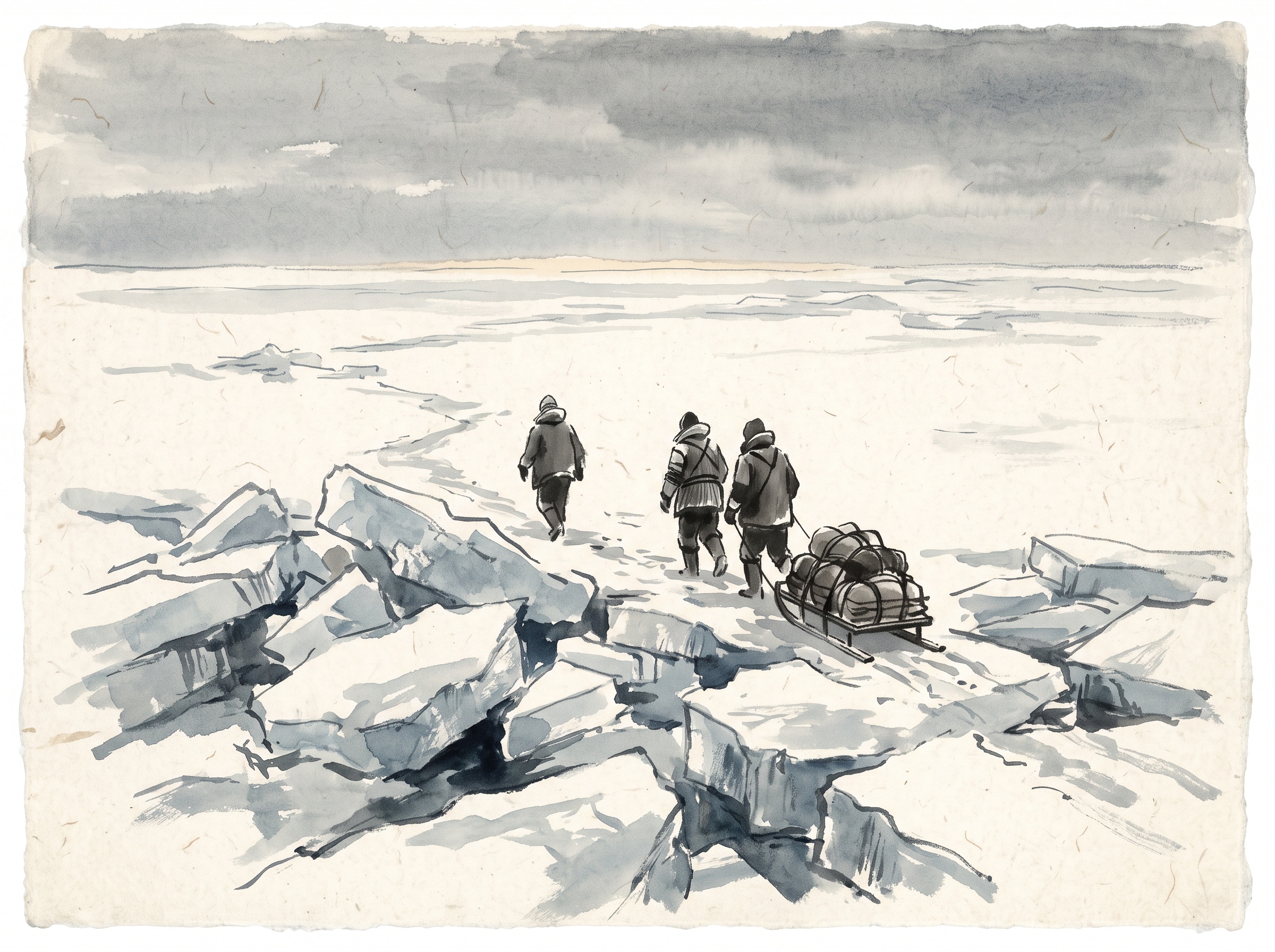
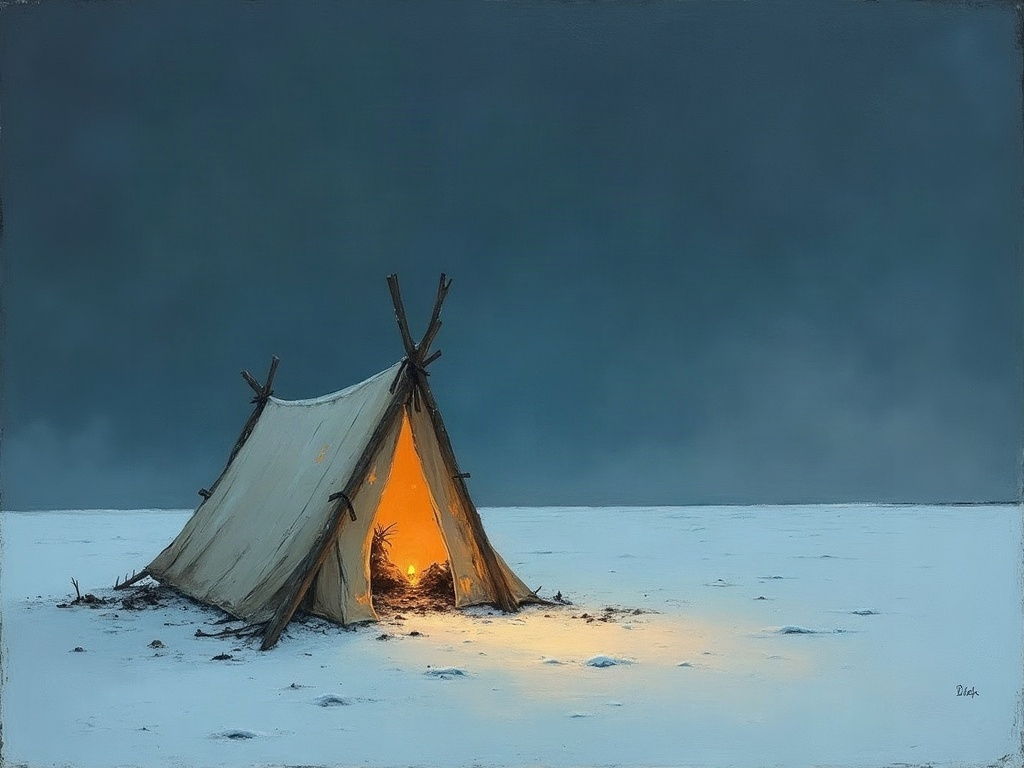
Alone, that is, except for the expedition’s cat, a small tabby named Vic. For a woman who had been told she was no use in the wild, what happened next is almost unbelievable. Ada taught herself to survive. She learned to fire a rifle, propping it on a driftwood rest to steady her aim. She set traps and caught Arctic foxes. She hunted birds and shot seals. She built a raised platform to watch for polar bears, the fear of which never left her, and she kept a diary of her long solitude. She was not an explorer playing at the Arctic. She was a mother refusing to die.
The Sail on the Horizon
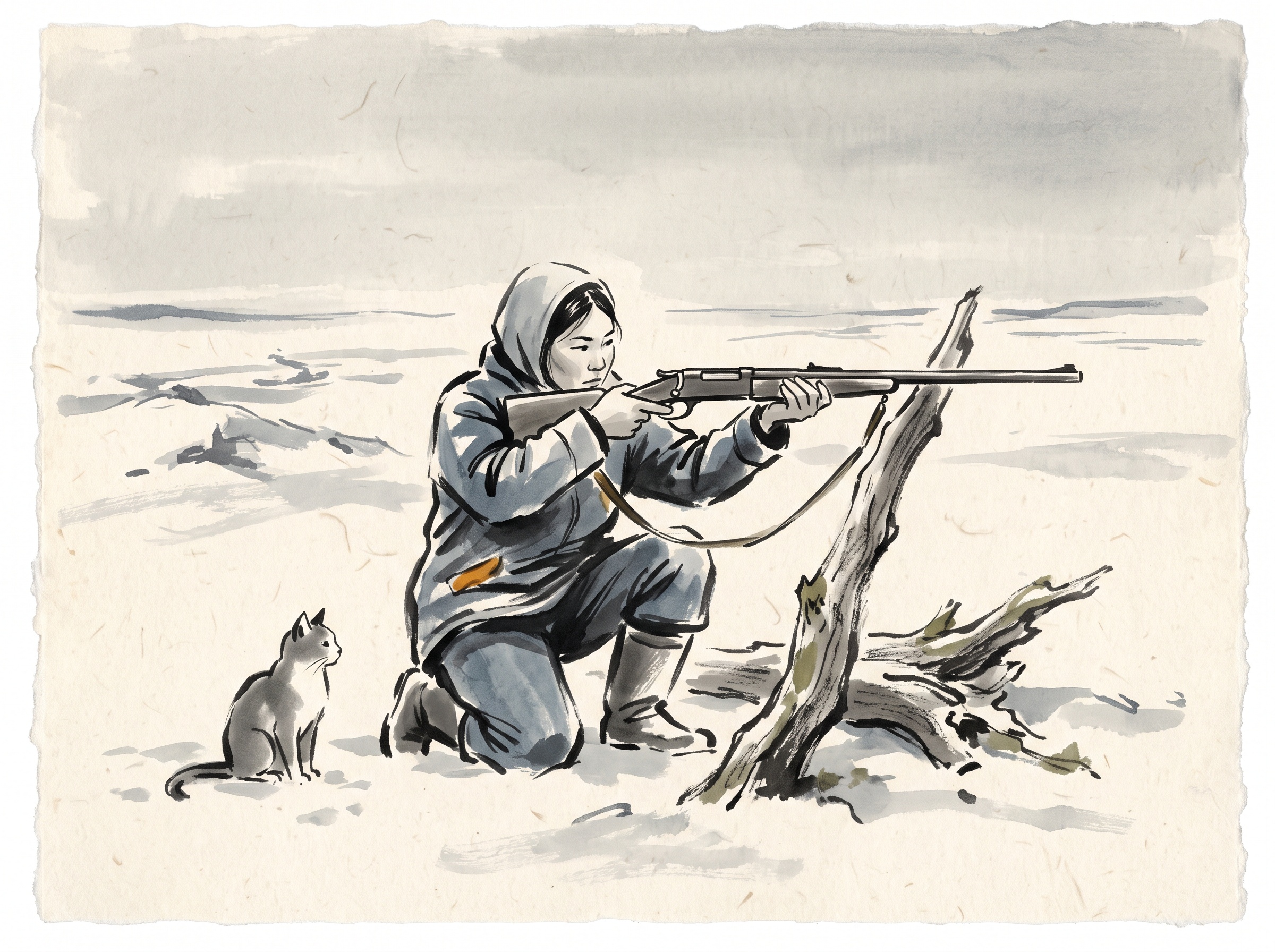
Through the spring and into the summer of 1923, Ada Blackjack kept herself alive and kept watching the ice. On a day in August, a ship appeared — the Donaldson, sent north under Harold Noice to find out what had become of Stefansson’s expedition. When the rescuers came ashore, they found a single survivor and a cat. Of the five who had landed two years before, Ada was the only one left.
She had endured roughly two years on Wrangel Island, the last stretch of it completely alone, and she had done it with skills she possessed almost none of when she started. Her solitary ordeal invites comparison with the handful of people in history who have walked out of the wilderness by sheer force of will — among them Juliane Koepcke, the teenager who fell from the sky and walked alone out of the Amazon. What they shared was not expertise but a stubborn refusal to lie down and be beaten.
The Reward She Never Got
Ada Blackjack’s homecoming should have made her a heroine. Instead it made her, briefly, a target. Stefansson, who had never set foot on the island, published a book about the expedition and profited from the story. Ada was paid little of what she was owed. Worse, the man who had rescued her, Harold Noice, muddied her name for a time, hinting she had somehow failed the dying Knight — a slander that Knight’s own diary and his family ultimately helped to refute. The quiet seamstress who had done the impossible was left largely to fend for herself.
She used what money she had to seek treatment for her son Bennett, which had been the whole point from the beginning. She lived the rest of her life in Alaska, mostly in poverty and out of the spotlight, and died in 1983 at the age of eighty-five. Only later did her story find the audience it deserved, carried to new readers by Jennifer Niven’s 2003 account of her survival — and by a slow recognition that the real hero of a grand imperial adventure had been the one person no one had expected anything from.
History loves its explorers, the men with the maps and the medals and the mountains named after them. It is quieter about people like Ada Blackjack — Indigenous, poor, female, hired for her hands and not her name. That quietness is itself a kind of theme, one it shares with other Indigenous lives nearly erased from the record, such as Shanawdithit, the last of the Beothuk. Ada never wanted to be brave. She wanted to go home to her boy. In the end she did both, and the plain, unglamorous courage it took to survive that frozen island for the love of a child is exactly why, a century on, her name is the one worth remembering.
Sources & further reading:
Related Reading
- Shanawdithit: The Last of the Beothuk
- The Dyatlov Pass Incident: Nine Hikers Who Fled a Frozen Mountain Into the Dark
- Robert Smalls: The Enslaved Pilot Who Stole a Confederate Warship and Sailed Himself to Freedom