Noor Inayat Khan: The Sufi Princess Who Became Britain’s Loneliest Spy

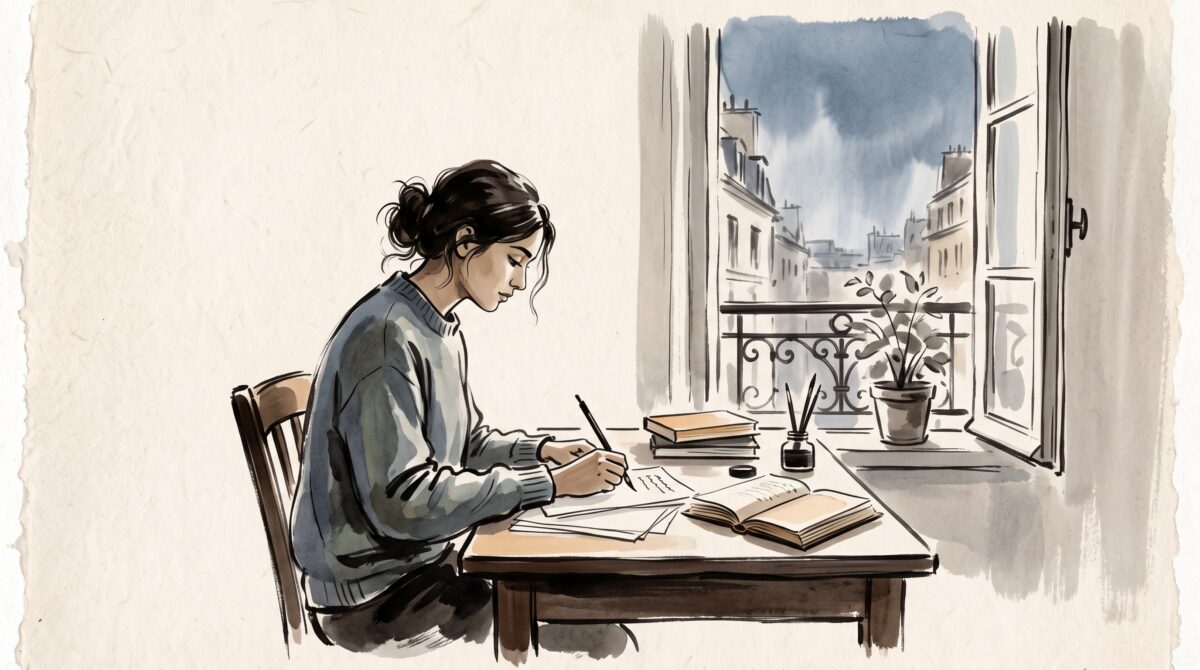
By the autumn of 1943, the German security police in Paris had a single obsession. Somewhere in the city, a British radio was still talking to London. Every other wireless operator in the region had been hunted down and arrested, their networks torn apart, their safe houses raided. Yet night after night, one small transmitter kept tapping out its coded messages and vanishing again. The woman working that radio weighed barely more than her suitcase set. She had been a pacifist. She wrote fairy tales for children. And for a few impossible months she was the most wanted person in occupied Paris.
A Daughter of Two Worlds
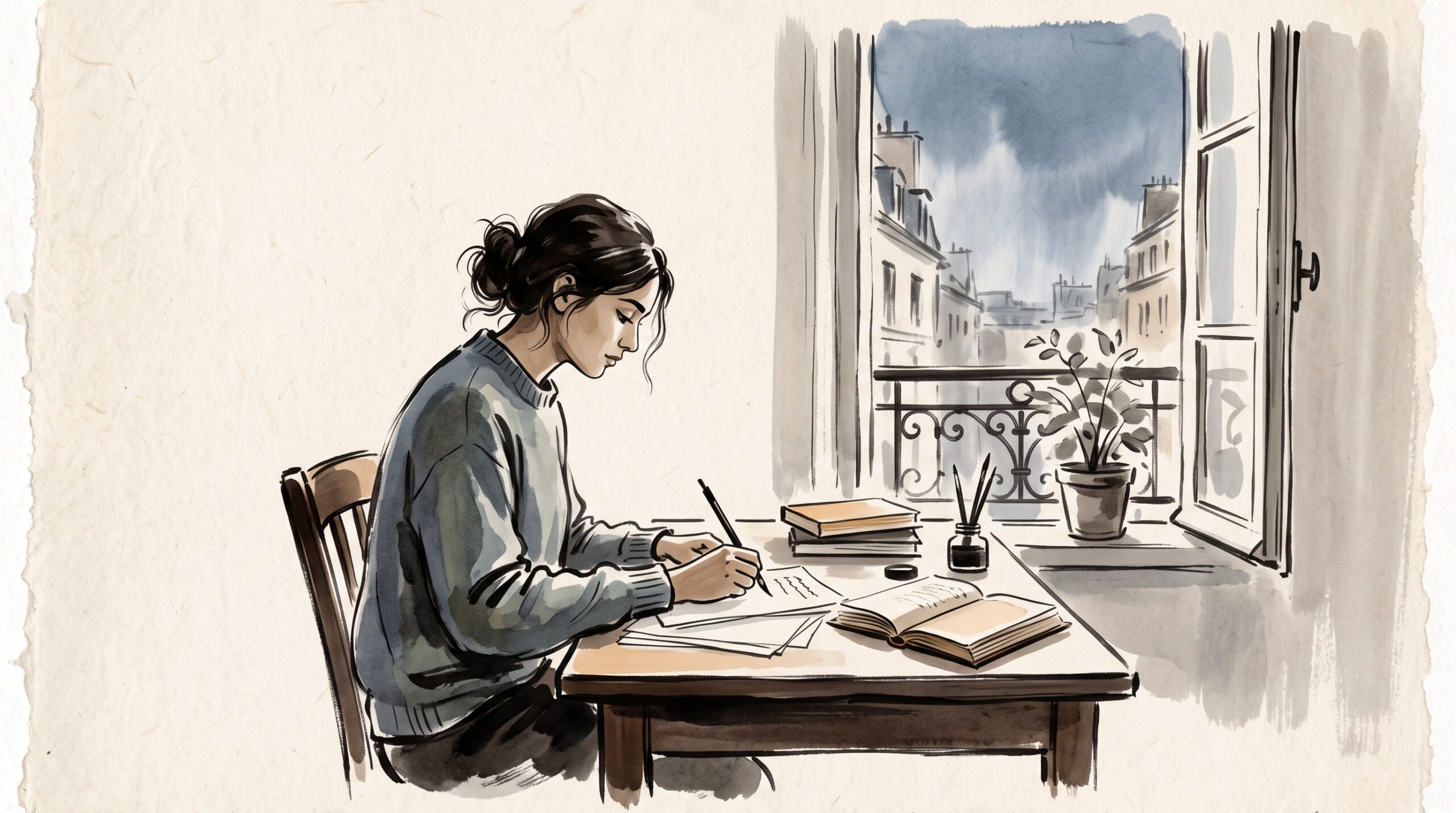
Noor Inayat Khan was born in Moscow on New Year’s Day, 1914, into a family that seemed to belong to no single country. Her father, Inayat Khan, was an Indian musician and teacher who had carried the mystical Sufi tradition westward, preaching tolerance, gentleness and the unity of all faiths. Through him she was descended from Tipu Sultan, the eighteenth-century ruler of Mysore who had died fighting the British. Her mother, Ora Ray Baker, was American. Noor grew up, in the end, in a quiet house in Suresnes on the edge of Paris, steeped in her father’s teachings of nonviolence.
She was shy, dreamy and artful. She studied child psychology at the Sorbonne and music at the Paris Conservatory, and she began to write — delicate stories drawn from Buddhist fables, published in 1939 as Twenty Jataka Tales. Everyone who knew her used the same words: gentle, truthful, a little otherworldly. It is hard to imagine a young woman less shaped for a secret war.
The War That Found a Pacifist
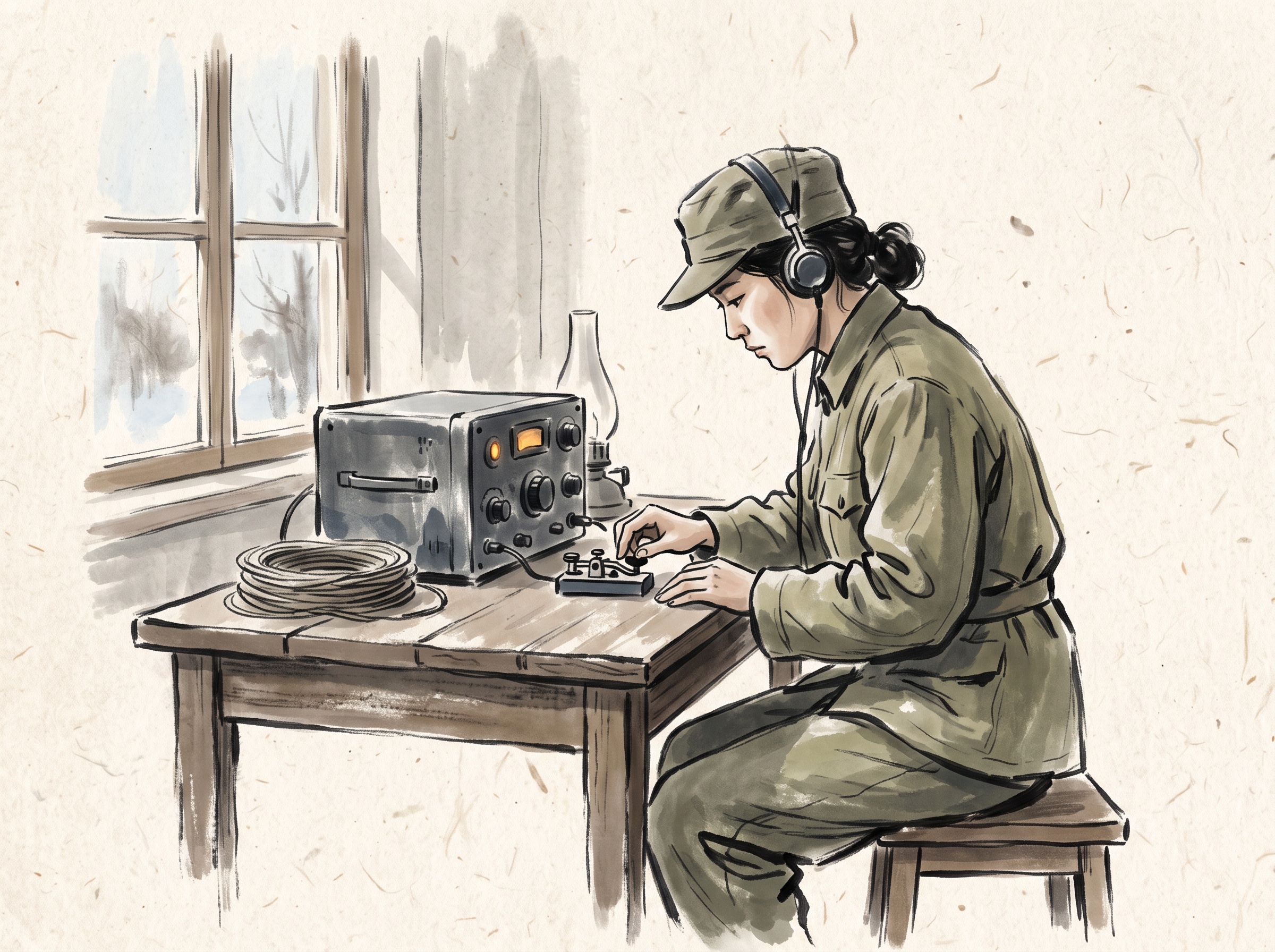
In the summer of 1940, that peaceful world collapsed. German tanks poured into France, and the family fled across the Channel to England with the refugees. For a pacifist, the choice that followed was agonising. Noor and her brother decided that the evil of Nazism had to be resisted — that standing aside would be its own kind of surrender. She joined the Women’s Auxiliary Air Force and was trained as a wireless operator, learning to send and receive Morse code at speed.
Fluent in French, quick on the key, she was soon noticed by the Special Operations Executive, the secret organisation Churchill had founded to “set Europe ablaze” with sabotage and resistance. The SOE was desperately short of agents who could pass as French. But her instructors were uneasy. Reports called her clumsy at mock interrogation, too honest to lie convincingly, too easily rattled. One trainer thought she should never be sent. Another saw something they had missed — a core of quiet steel beneath the softness. In the end, the need was too great. In June 1943, Noor Inayat Khan was flown into occupied France, the first woman ever sent there as a wireless operator.
Madeleine in Paris
Her code name was Madeleine. She joined the Paris networks of the sprawling Prosper organisation, the vital link that let scattered resistance circuits call London for weapons, money and instructions. A radio operator was the lifeline of everything — and the most exposed. German direction-finding vans prowled the streets, triangulating any signal that stayed on the air too long. The job was so lethal that an operator’s life expectancy in the field was measured in weeks.
Within days of her arrival, catastrophe struck. The Gestapo had been closing in for months, and now the whole Prosper network unravelled in a wave of arrests. Hundreds were seized. The organisation Noor had come to serve simply ceased to exist around her. London offered to bring her home at once. She refused. She was, she insisted, the last link — the only operator left who could keep Paris in contact with England — and she would not abandon the few who remained.
The Last Radio in Paris
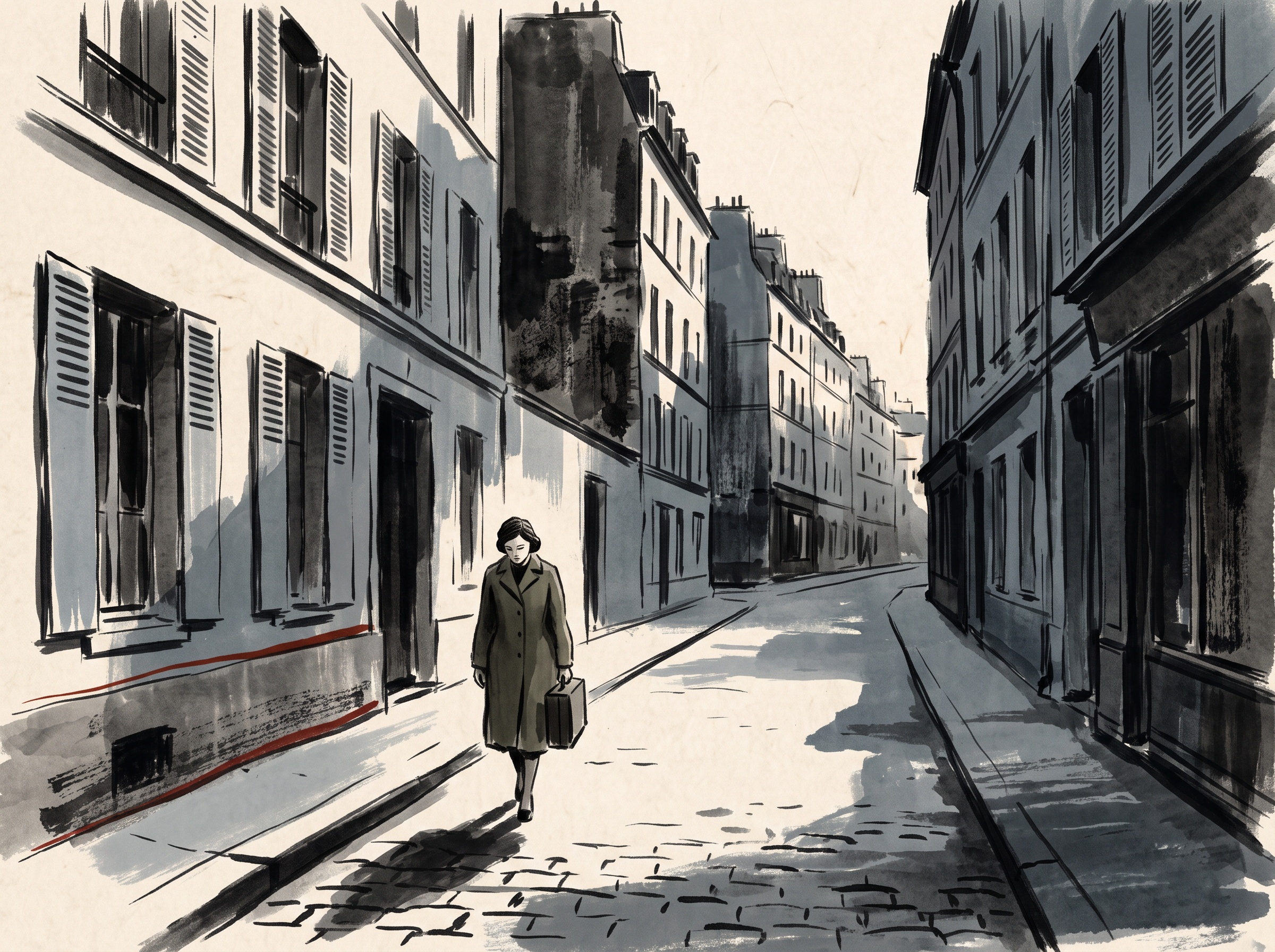
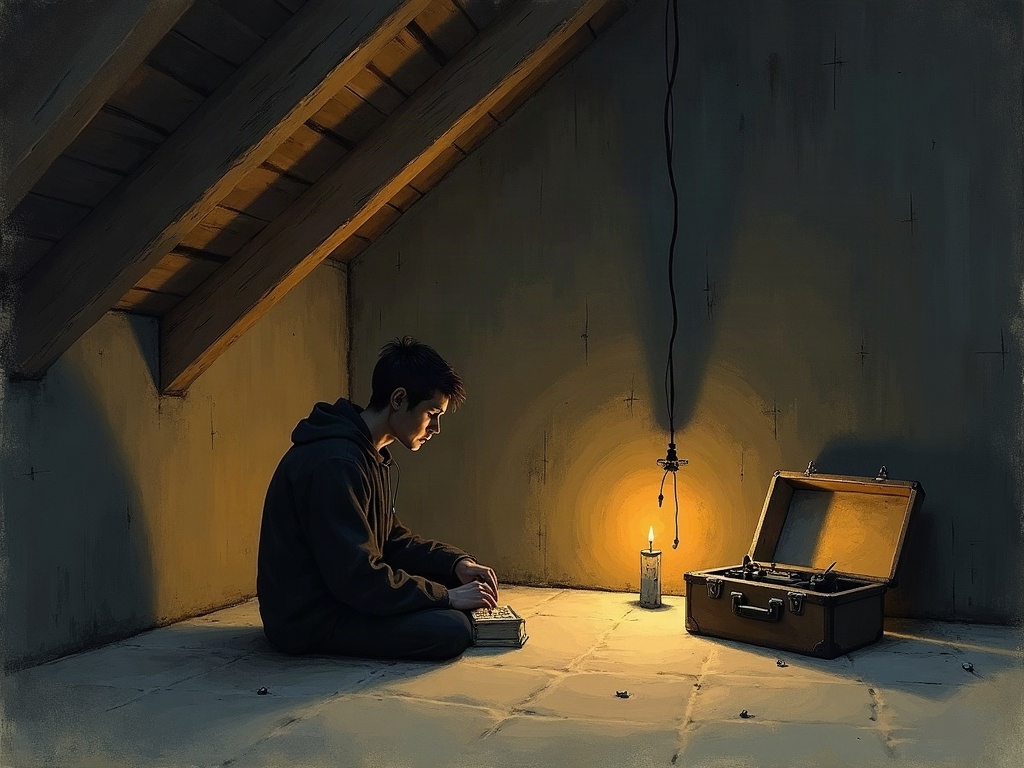
What followed was one of the most extraordinary solo efforts of the secret war. For three or four months, Noor Inayat Khan ran the communications of an entire region alone. She hauled her heavy suitcase transmitter across the city by bicycle and on the Metro, setting up in one borrowed room after another, stringing her aerial, tapping out her traffic, then moving on before the vans could find her. She changed her appearance, dyed her hair, used different names. Old friends she passed in the street were warned not to recognise her.
She was handling the work of six operators at once, and every transmission was a gamble with her life. London, astonished she was still alive, kept urging her to come back. She kept finding reasons to stay a little longer. The gentle storyteller her trainers had doubted turned out to possess a kind of courage that had nothing to do with toughness and everything to do with refusing to leave people in the dark.
Avenue Foch and the Long Silence
In October 1943 her luck ran out. She was betrayed — by one account for a reward of money — and arrested by the German security service, which took her to its headquarters on the avenue Foch. She told them nothing of value. Twice she tried to escape, once nearly getting away across the rooftops before she was recaptured. The Germans classified her as highly dangerous and resolved never to let her slip again.
She was sent in chains to Pforzheim prison in Germany and held in solitary confinement, her hands and feet shackled, for the better part of ten months. She was beaten, starved and interrogated, and still she gave up no names. Through it all, the one thing her captors wanted most — her cooperation on the radio — she denied them to the end.
Dachau, and What Remained
In September 1944, with Allied armies pushing into France, Noor Inayat Khan was moved to Dachau concentration camp along with three other captured SOE women. On the morning of 13 September 1944 the four were executed. She was thirty years old. According to the account that has passed into memory, her final word before the end was a single cry: Liberté — freedom.
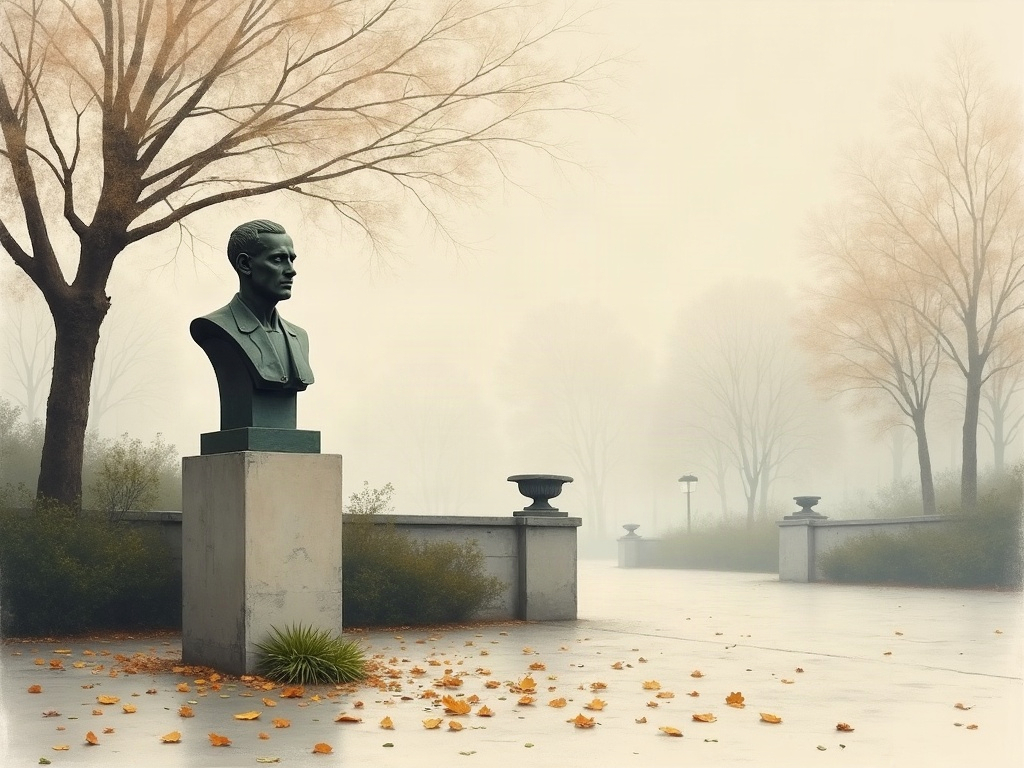
For years she was simply one of the vanished, her fate uncertain to the colleagues who had sent her. Slowly the truth was pieced together, and the honours followed: Britain awarded her the George Cross, its highest decoration for courage not in the face of the enemy in battle, and France gave her the Croix de Guerre. In 2012 a bronze bust of her was unveiled in Gordon Square in London, near where she had once lived — the first free-standing memorial in Britain to a woman of Asian heritage.
There is a temptation to remember spies as hard, cynical figures, all nerve and deception. Noor Inayat Khan was almost the opposite: a shy mystic raised to believe in nonviolence, who could barely bring herself to lie, and who chose to stay in the most dangerous city in Europe precisely because leaving would have meant deserting others. Her story endures not because she was fearless, but because she was afraid and gentle and principled, and did the hard thing anyway. More than eighty years on, that quiet, stubborn courage is the part that still catches in the throat.
Sources & further reading: