The Limping Lady: Virginia Hall, the One-Legged Spy the Gestapo Feared Most

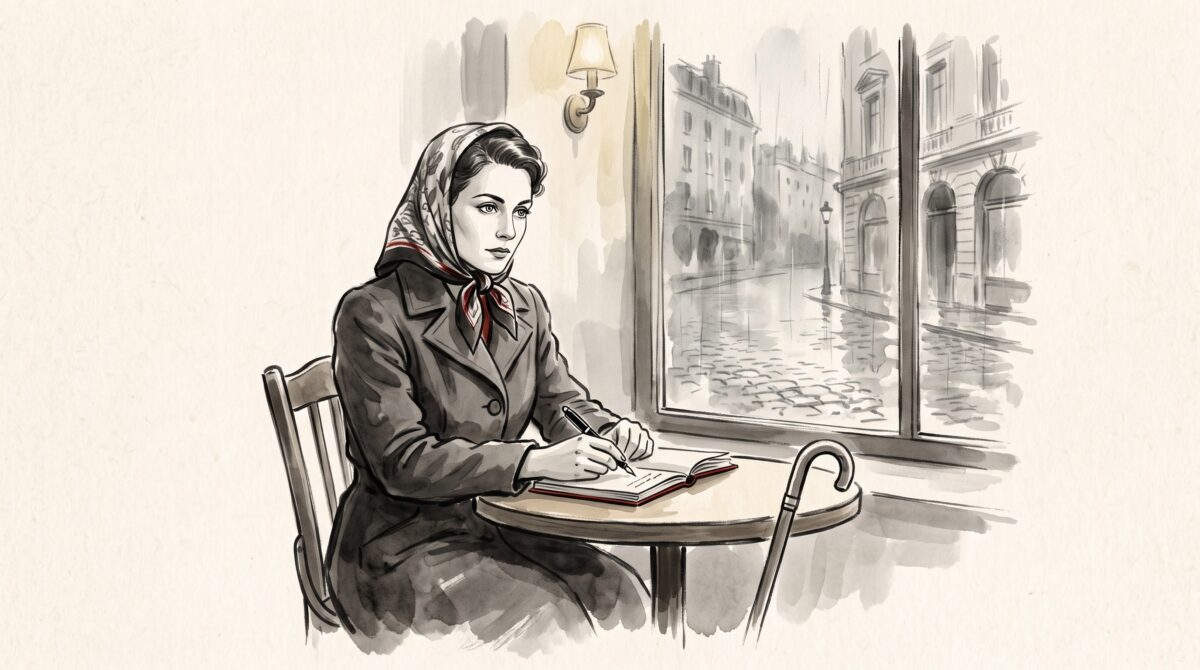
Somewhere in a Gestapo office in occupied France, there was a wanted notice for an agent the Germans could not name and could not catch. The description was vague but the fear was real: a woman, foreign, who walked with a limp, who seemed to be everywhere the resistance was strong. One account has the Gestapo calling her “the most dangerous of all Allied spies.” They did not know her name was Virginia Hall. They did not know she was American. And they certainly did not know that the limp they kept noting in their files came from a wooden leg she had cheerfully named Cuthbert.
The woman the State Department didn’t want
Virginia Hall was born in Baltimore in 1906 into comfort and ambition. She was clever, restless and multilingual, and what she wanted was a career in the American Foreign Service — to be a diplomat, posted to the capitals of Europe. She studied in Paris and Vienna, took clerk’s jobs at U.S. embassies, and kept applying for the diplomatic posts she was plainly qualified to hold.
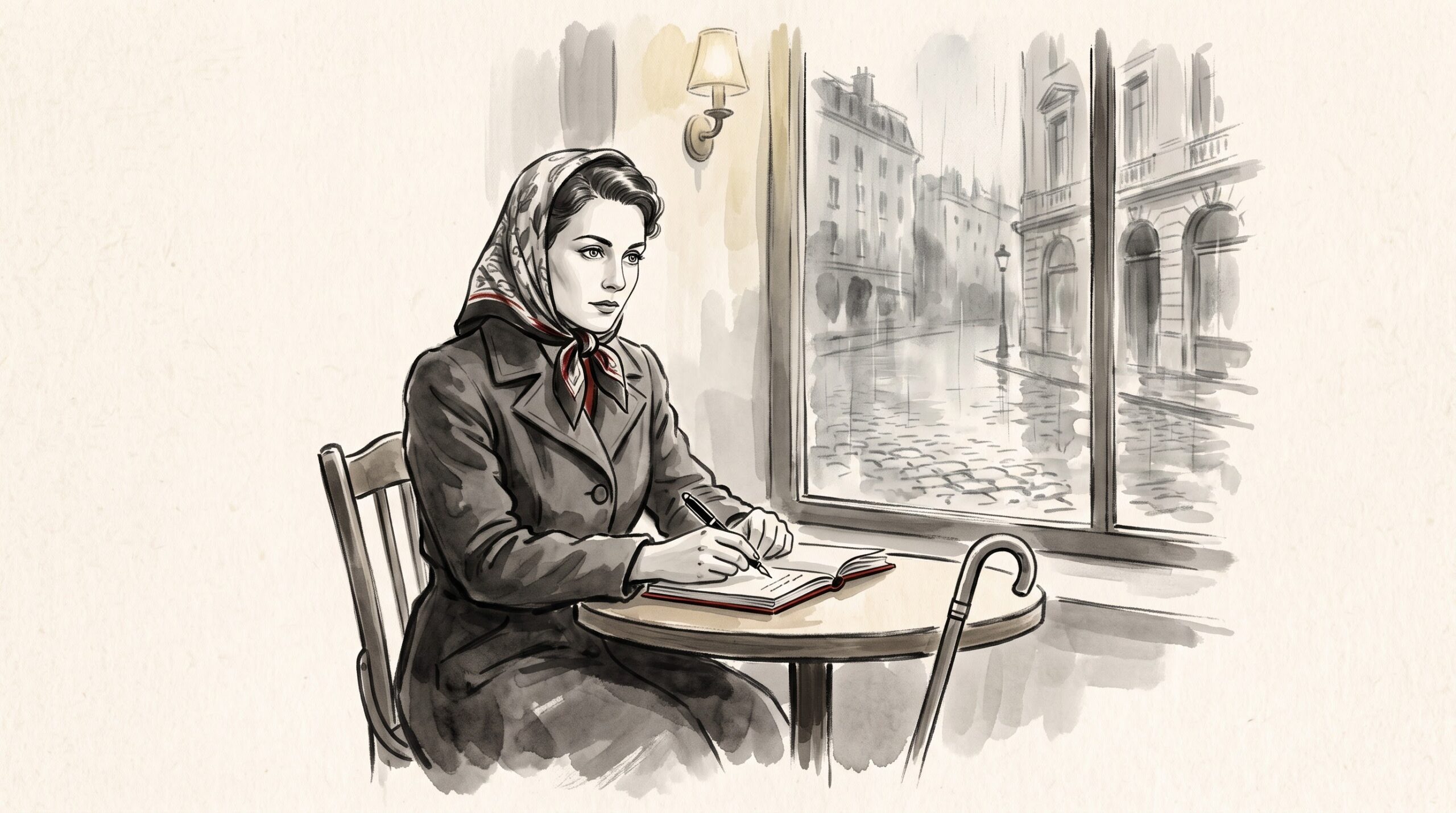
They would not have her. Partly it was because she was a woman in a service that kept women out of its senior ranks. And after 1933, there was a second, blunter barrier. On a hunting trip in Turkey, Hall stumbled climbing a fence and her shotgun discharged into her left foot. Gangrene set in, and surgeons amputated her leg below the knee. The State Department had a regulation barring anyone with an amputation from the diplomatic corps. The door she had spent years trying to open was now bolted shut — not because she couldn’t do the work, but because of a leg she no longer had.
Cuthbert
The prosthetic that replaced her lower leg was a heavy, unlovely thing: roughly seven pounds of wood and metal, strapped to her stump, that chafed and ached on long days. Hall did two characteristic things with it. She named it Cuthbert, as though it were a slightly tiresome travelling companion. And she refused, absolutely, to let it shrink her life to the size other people thought it should be.
When the Second World War broke out and France fell in 1940, Hall was in Europe. She drove an ambulance for the French army, and after the surrender she made her way to London — where she met someone who, unlike the State Department, cared nothing for regulations about missing limbs. Britain’s newly formed Special Operations Executive, the SOE, had been ordered by Winston Churchill to “set Europe ablaze” through sabotage and subversion. It needed brave, fluent, unobtrusive people willing to live in mortal danger behind enemy lines. A limp was not a disqualification there. It was almost camouflage.
The journalist who ran the networks
In the summer of 1941, Hall slipped into Vichy France under cover as a reporter for the New York Post — a plausible role at a time when the United States was still neutral and American journalists could move with relative freedom. She based herself in Lyon and got to work doing the unglamorous, essential labour of clandestine war: recruiting agents, finding safe houses, arranging couriers, moving money, helping downed Allied airmen and escaped prisoners down the escape lines toward Spain.
She was, by every account, formidably good at it. She built and held together networks when experienced male officers around her were being arrested. She coordinated supply drops and sabotage, nursed wounded agents, and organized the breakout of imprisoned colleagues. For a long, dangerous stretch she was one of the most effective Allied operatives in the whole country — a woman the resistance called “Marie” and trusted with their lives. She belongs in the small, fierce company of women who walked straight into the heart of the Nazi machine with nothing but nerve, like Noor Inayat Khan, the gentle Sufi princess who became Britain’s loneliest radio operator in occupied Paris.
The walk over the mountains
By late 1942 the net was closing. When the Germans occupied the whole of France in November, Lyon became lethal, and the Gestapo — in Lyon that meant the apparatus of Klaus Barbie, the man history would call the Butcher of Lyon — was actively hunting the limping woman they could not identify. Hall had to run, and the only way out was the hardest one: south, and then on foot across the Pyrenees into Spain, in winter.
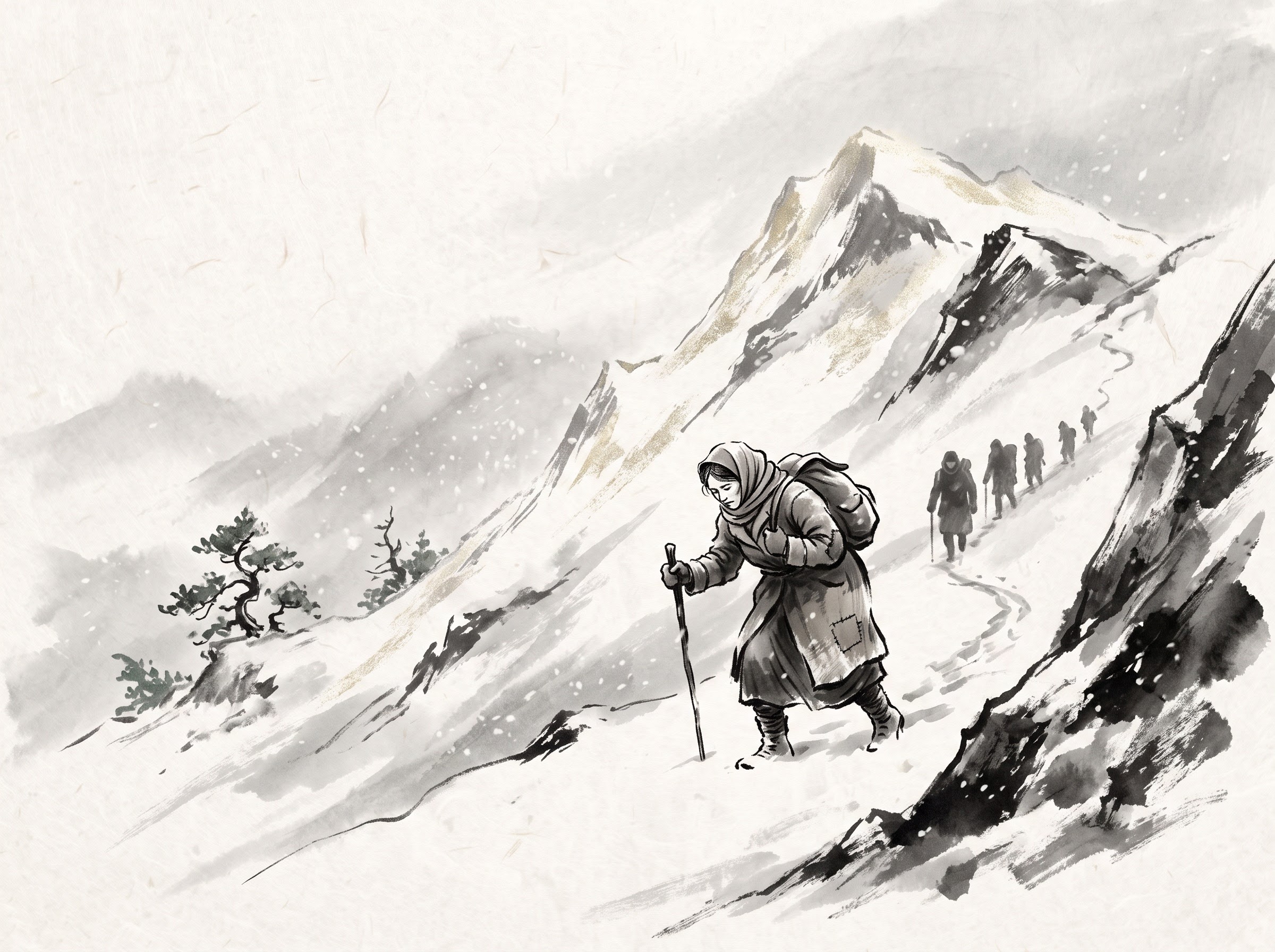
She took a train as far as Perpignan and then climbed. The route went over a pass some 7,500 feet high, through deep snow, with guides and a small party of fellow fugitives. She covered as much as fifty miles in a day, hauling herself upward while Cuthbert ground relentlessly into the raw end of her leg with every step. At one point she radioed London that Cuthbert was giving her trouble. The officer on the other end, not knowing Cuthbert was a prosthetic limb, sent back the deadpan reply that if Cuthbert was being difficult, she should “eliminate” him. She made it over the mountains and into Spain — an escape that would have broken most able-bodied people, done on one real leg and one of wood.
The milkmaid with a radio
Most people, having survived all that, would have stayed behind a desk. Hall went back. In 1944, now working for the American Office of Strategic Services — the OSS, forerunner of the CIA — she returned to occupied France for the climactic year of the war, this time in deep disguise. She dressed as an elderly peasant woman, dyed and matted her hair grey, shuffled to hide the limp, and herded goats and sold cheese to explain her presence in the countryside of the Haute-Loire.
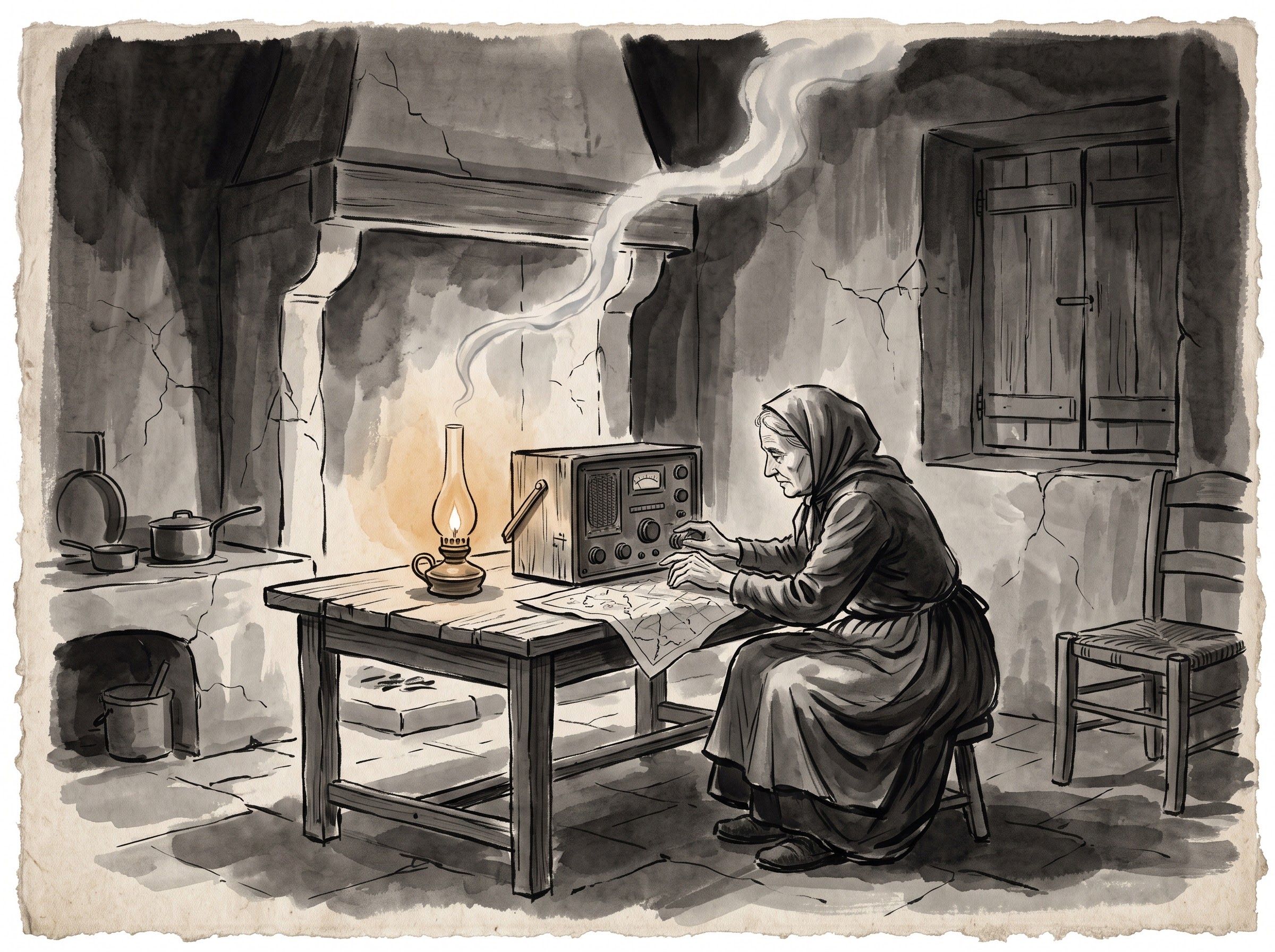
Behind the disguise she ran one of her most important operations yet: scouting and mapping parachute drop zones, receiving arms and agents, training and coordinating bands of French guerrillas, and directing sabotage against German communications and movements as the Allied armies pushed inland after D-Day. Her teams blew bridges, derailed trains and tied down German forces that were desperately needed elsewhere. She had turned a life the diplomatic service rejected into one of the most consequential clandestine careers of the war — proof, like the Red Army sniper Lyudmila Pavlichenko, who out-shot and out-nerved a room full of doubting men, that the people the world underestimates are often the ones who decide its wars.
The medal she would not show off
When it was over, the United States recognized what it had once rejected. Virginia Hall was awarded the Distinguished Service Cross — the only civilian woman to receive it in the entire Second World War. But she would not take it in public. A ceremony with President Truman was offered, and she declined it: she intended to keep working in intelligence, and a famous face is useless to a spy. She accepted the medal quietly, in a small private ceremony, and went back to the shadows. She later joined the CIA and served in its clandestine ranks until mandatory retirement in 1966, leaving no memoir and granting no interviews.
That silence is part of why her name is so much less known than it should be — and why the full measure of what she did took decades to surface. The woman the State Department turned away for a missing leg had become the agent an entire Gestapo apparatus most wanted to catch, and never did. She endured the kind of ordeal — alone, improvised, against a merciless clock — that we usually reserve for survival legends, the way we remember Ada Blackjack, the overlooked seamstress who outlasted the Arctic when stronger men did not. Virginia Hall’s war was fought not against ice but against an occupying army that would have shot her without ceremony. And she fought it limping — deliberately, defiantly, on a leg named Cuthbert — and won.
Sources & further reading:
- Virginia Hall: The Courage and Daring of ‘The Limping Lady’ (CIA)
- Virginia Hall (Wikipedia, with primary citations)
- World War II’s ‘Most Dangerous’ Allied Spy Was a Woman With a Wooden Leg (HISTORY)
Related Reading
- Lady Death: Lyudmila Pavlichenko and the 309 Shots That Shamed a Room Full of Men
- Noor Inayat Khan: The Sufi Princess Who Became Britain’s Loneliest Spy
- Agent Garbo: The Spy Who Invented an Army and Fooled Hitler on D-Day