The Taiping Rebellion: When Jesus Christ’s ‘Brother’ Led the Deadliest War in Human History

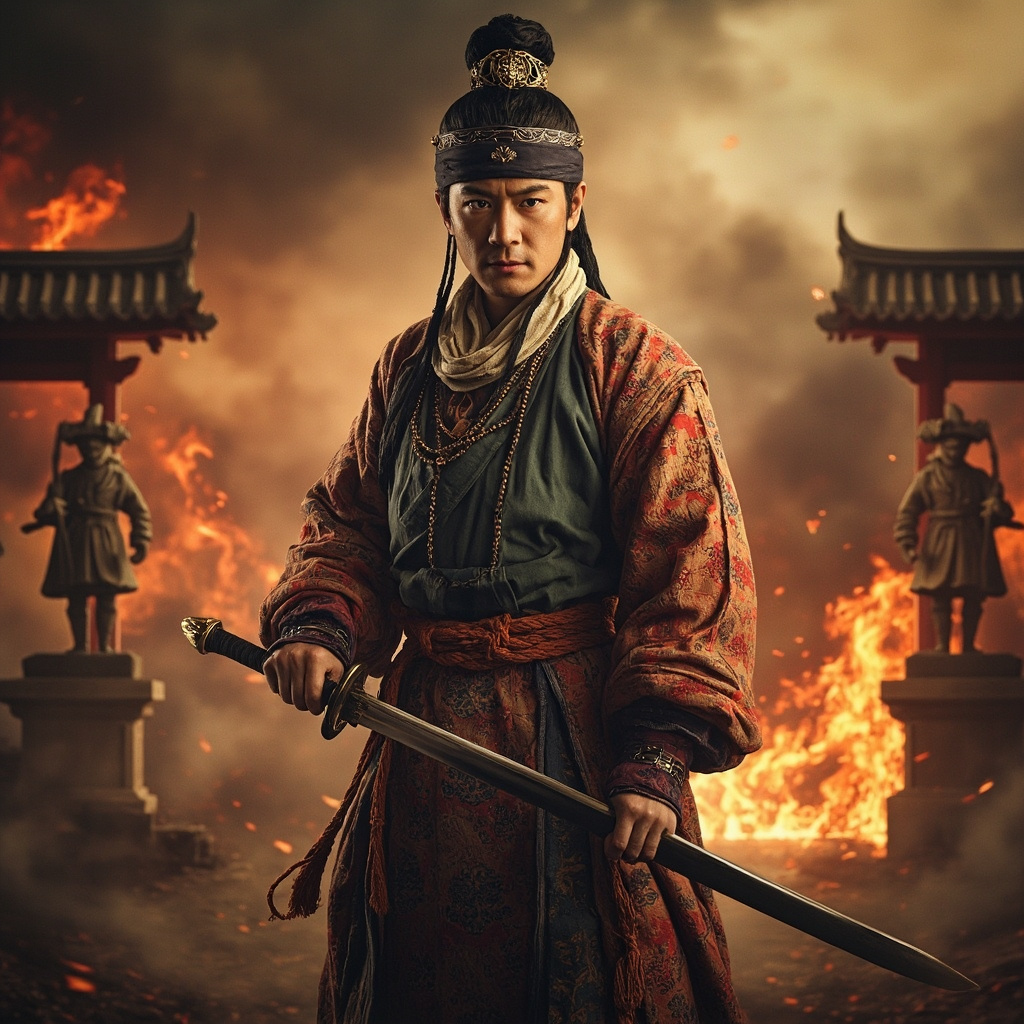
In the mid-19th century, while America was tearing itself apart in the Civil War, an even more catastrophic conflict was raging on the other side of the world. The Taiping Rebellion in China lasted 14 years, claimed over 20 million lives, and was led by a man who believed himself to be the younger brother of Jesus Christ. Yet this massive war—one that killed more people than World War I—remains largely unknown outside of China.
A Failed Scholar’s Divine Vision
Hong Xiuquan was supposed to be a success story. Born into a Hakka farming family in Guangdong Province, he was a brilliant student who ranked first in lower-level civil service examinations. But the imperial examinations—China’s pathway to government positions and social advancement—proved to be his downfall. In 1836, at age 22, Hong failed the exams for the second time.
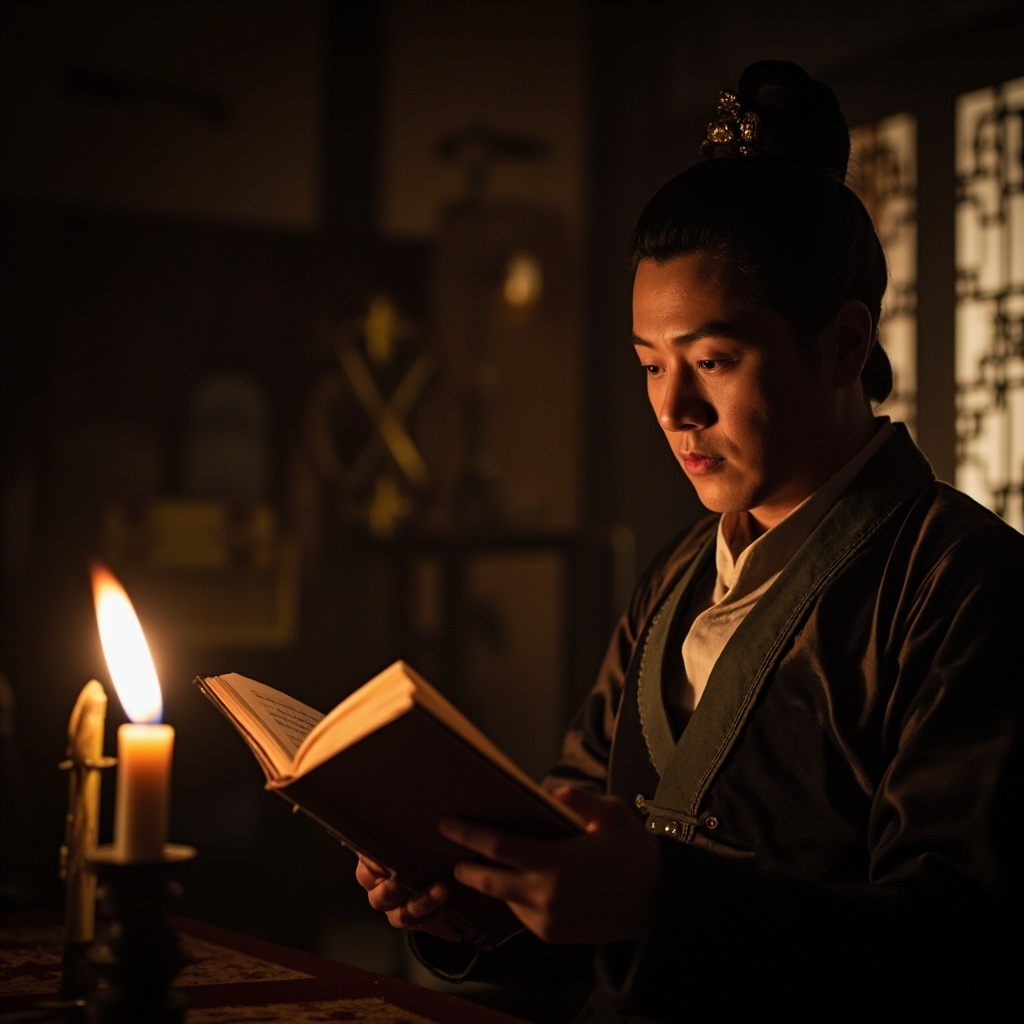
The failure devastated him. On his way home, weak and demoralized, Hong hired a palanquin to carry him. An American Protestant missionary named Edwin Stevens approached him in Guangzhou, offering a Christian tract titled ‘Good Words to Admonish the Age.’ Hong accepted it, glanced at it briefly, and tucked it away. This seemingly insignificant encounter would change the course of Chinese history.
When Hong failed the exams again in 1837, he collapsed into bed upon returning home. What happened next would fuel one of history’s most devastating wars. Hong experienced vivid dreams where crowds of people carried him eastward. Attendants cured his ailments and gave him scrolls to read. A golden-bearded man called himself Hong’s father, bestowing upon him a new name—Hong Xiuquan—along with a golden seal, a greatsword, and a divine mission: to rid the world of demons.
The Christian Revelation
For six years, Hong’s family tolerated his eccentric behavior following his recovery. He called himself the ‘Heavenly King,’ wrote poems about fighting demons, and denied familial relations. But in 1843, after failing the imperial exams for the fourth time, Hong’s cousin urged him to actually read the Christian tract he had been carrying around.
The revelation was explosive. Through the missionary text, Hong finally understood his visions. The golden-bearded man was God the Father, and the helpful stranger was Jesus Christ—his elder brother. Hong had been chosen for a divine mission: to establish God’s kingdom on Earth and destroy the ‘demons’ of traditional Chinese religion—Buddhism and Confucianism.
Hong and his cousin baptized each other and commissioned a blacksmith to create three-foot, ten-pound ‘demon slaying swords.’ They promptly destroyed their collections of Confucian and Buddhist texts, shocking their communities. When Hong and his early converts destroyed Confucian monuments in their schools, they were fired from their teaching positions.
From Religious Movement to Rebellion
What began as a small religious sect grew rapidly into something far more dangerous. While Hong traveled to meet with Baptist missionary Issachar Jacox Roberts in 1847 (leaving unbaptized but with a Bible), his follower Feng Yunshan had been busy in the Thistle Mountains. Feng established the ‘God Worshipping Society,’ which attracted converts from all walks of life by deterring bandits and pirates in the region.
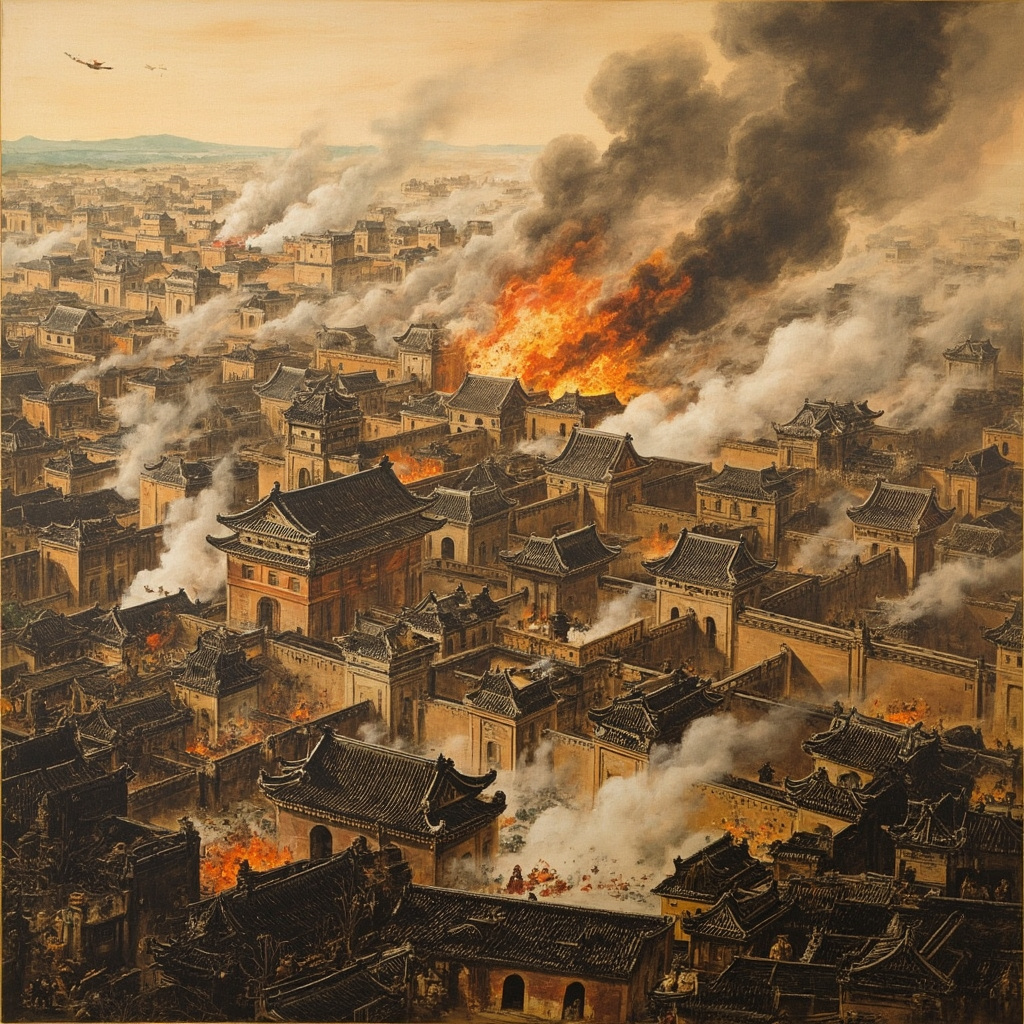
The Qing dynasty could no longer ignore this growing movement. When imperial forces moved against the God Worshippers in the mountains, it provoked exactly what the government feared most—armed resistance. In December 1851, Hong gathered 10,000 believers in the city of Jintian, drove out the Qing forces, and proclaimed himself ‘Heavenly King of the Taiping Kingdom.’
The rebels moved north along the Xiang River, building their numbers by ‘baptizing’ new converts and seizing resources. After a series of sieges, they captured their greatest prize in May 1853: Nanjing, the former imperial capital. Hong had his kingdom.
The Heavenly Kingdom’s Radical Experiment
Hong’s rule of Nanjing revealed the extremism beneath his religious movement. He retreated to the Presidential Palace, where he implemented a series of radical policies that would have been shocking even by today’s standards. All Manchu people in the city—members of the ethnic group that ruled the Qing dynasty—were executed. Landmarks were destroyed, traditional practices like footbinding and the queue hairstyle were banned, and trade was severely restricted.
Hong outlawed alcohol and opium, demanded strict segregation of men and women (even married couples), and seized all personal property to create a communist-style society. He rewrote the Bible, removing passages he found objectionable and adding accounts of his own divine visions. Meanwhile, Hong filled his palace with women servants and demanded absolute submission from visitors, driving away potential Western allies with cannon fire when they refused to kowtow.
The Bloody End
The Taiping Kingdom’s expansion continued for several years, but the tide turned when they attempted to capture Shanghai. Western powers, initially neutral, joined the Qing forces after being threatened by Taiping advances. European and Chinese soldiers fought side by side to repel the rebels, beginning the slow collapse of Hong’s kingdom.
By 1864, Qing forces had surrounded Nanjing, cutting off all food supplies. As his people starved, Hong assured them that God would provide wild vegetables for sustenance. To prove his point, he publicly ate a handful of weeds. He died of food poisoning 20 days later.
When Qing forces retook Nanjing, they showed no mercy. Hong’s body was cremated and his ashes fired from a cannon to ensure he had no resting place. His 15-year-old son briefly inherited the throne but was captured and executed within months.
A Legacy of Devastation
The Taiping Rebellion stands as one of history’s most devastating conflicts. Conservative estimates place the death toll at 20 million people, though some scholars suggest it may have reached 30 million. To put this in perspective, more people died in the Taiping Rebellion than in World War I, yet it remains virtually unknown in the Western world.
The rebellion’s impact on China was profound and lasting. The conflict weakened the Qing dynasty beyond recovery, contributing to its eventual fall in 1912. Later Chinese revolutionaries, including Sun Yat-Sen and Mao Zedong, drew inspiration from Hong’s efforts to create an egalitarian society, even as they rejected his religious extremism.
Perhaps most remarkably, this catastrophic war began with a chance encounter between a frustrated student and a missionary handing out pamphlets on a street corner. It serves as a stark reminder of how religious fanaticism, social unrest, and political upheaval can combine to create unimaginable human tragedy.
The man who believed he was Jesus Christ’s brother succeeded in toppling an empire—but at a cost that staggers the imagination even today.
Related Reading
- The Three Hundred and Thirty-Five Years War: The Longest Bloodless Conflict in History
- The War of the Bucket: When Italy Fought a Bloody Battle Over a Wooden Pail
- The Man Who Witnessed the Alpha and Omega: How the Civil War Started in Wilmer McLean’s Yard and Ended in His Parlor