The Three Hundred and Thirty-Five Years War: The Longest Bloodless Conflict in History

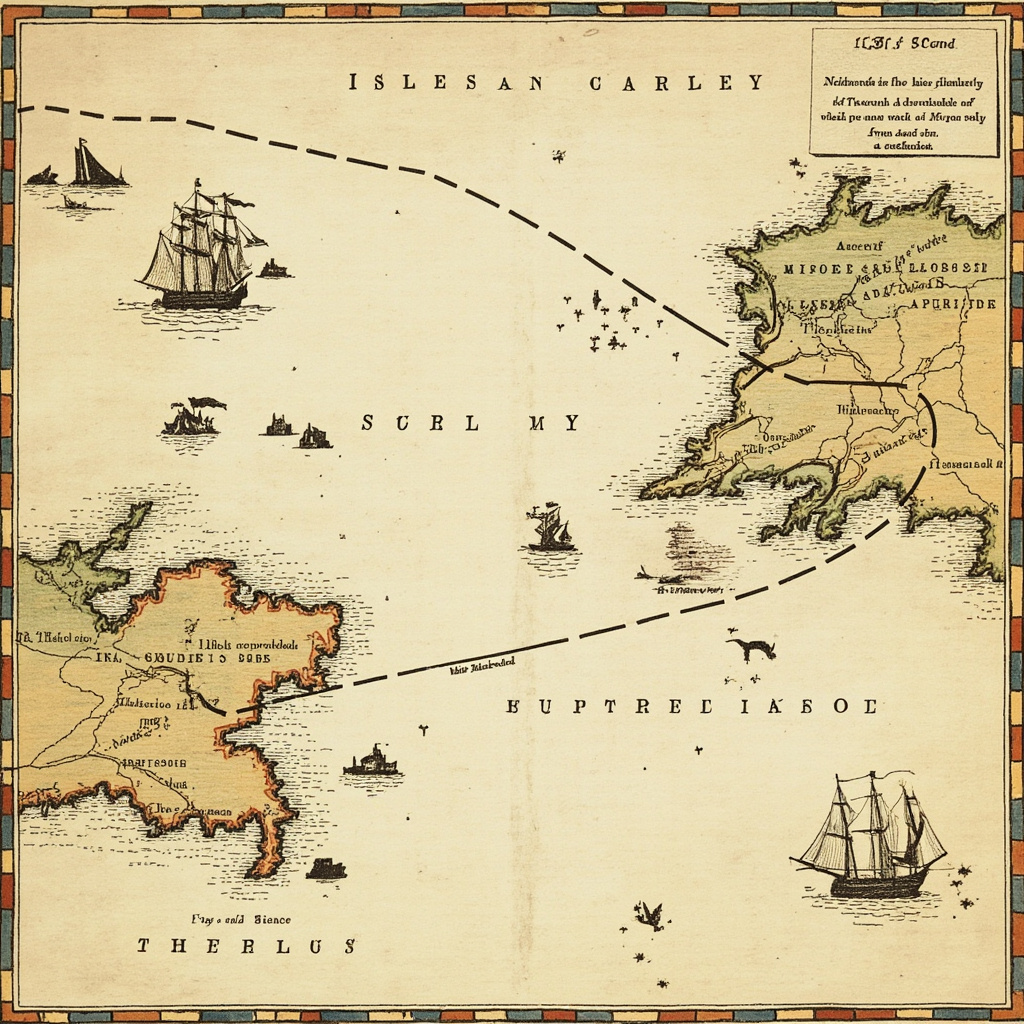
In the annals of warfare, most conflicts are remembered for their devastating battles, heroic charges, and tragic casualties. But there exists one war that stands apart from all others—not for its violence, but for its complete absence of it. The Three Hundred and Thirty-Five Years War between the Netherlands and the Isles of Scilly lasted from 1651 to 1986, making it one of the longest wars in recorded history, yet not a single shot was fired, and no blood was shed.
The Forgotten Declaration
The origins of this peculiar conflict trace back to the turbulent period of the English Civil War. By 1651, Oliver Cromwell had successfully pushed the Royalist forces to the very edges of England, with Cornwall becoming their final mainland stronghold. When even Cornwall fell to the Parliamentarians, the Royalist navy retreated to the Isles of Scilly, a small archipelago off the Cornish coast under the command of Royalist John Granville.

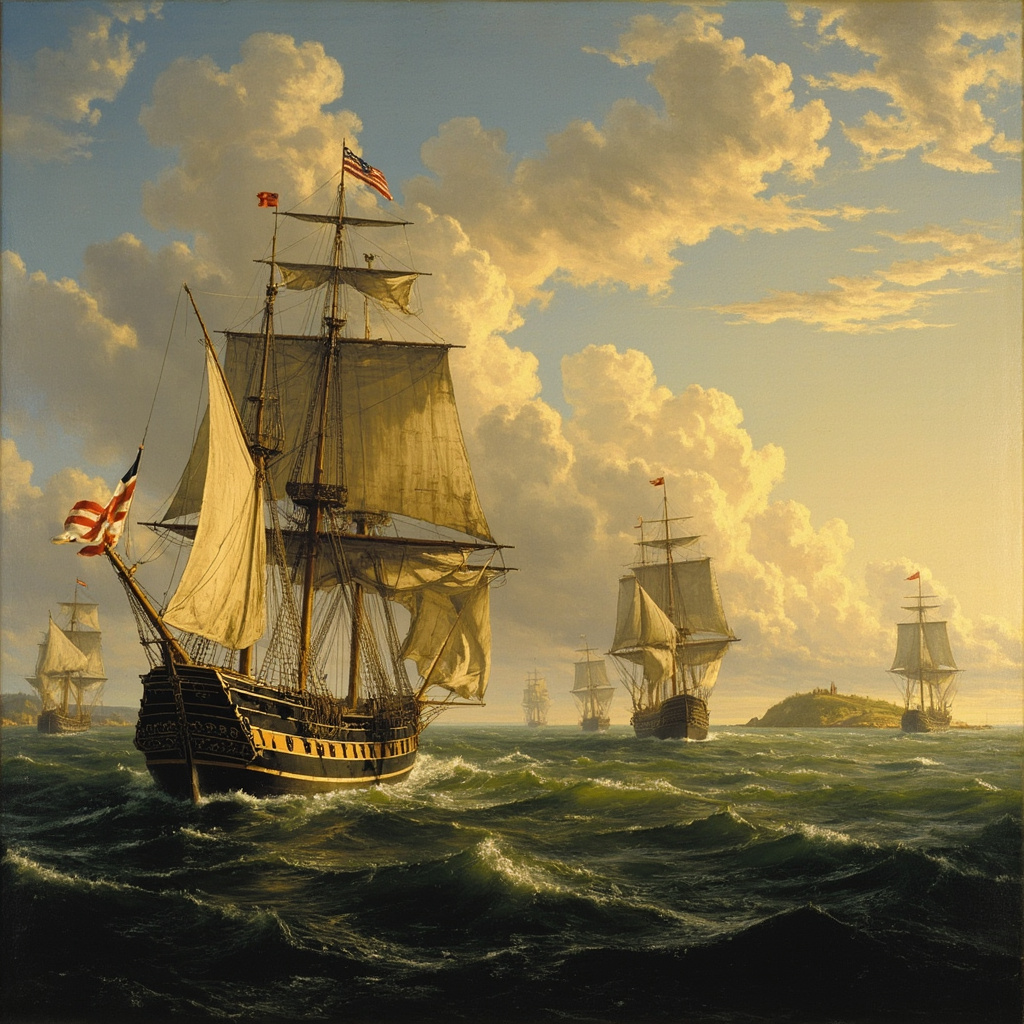
The Dutch, who had allied themselves with the Parliamentarians during the English Civil War, found their merchant ships under constant attack from the Royalist fleet based in Scilly. These raids were causing significant losses to Dutch commerce, and patience was wearing thin in Amsterdam. On March 30, 1651, Lieutenant-Admiral Maarten Harpertszoon Tromp arrived at the islands with a simple demand: reparation for the Dutch ships and goods seized by the Royalist pirates.
When the Royalists refused to provide satisfactory compensation, Tromp made a fateful decision. According to historical records, specifically Bulstrode Whitelocke’s Memorials, Tromp declared war specifically upon the Isles of Scilly. This wasn’t a declaration against England as a whole—most of which was now under Parliamentarian control—but against this tiny collection of islands that had become a thorn in the side of Dutch maritime commerce.
The War That Wasn’t
As wars go, this one ended almost before it began. Just two months after Tromp’s declaration, in June 1651, the Parliamentarian Admiral Robert Blake arrived with a formidable fleet and forced the Royalist navy to surrender. With the threat eliminated, the Dutch fleet sailed away without firing a single shot. The immediate crisis was resolved, but here’s where the story becomes truly extraordinary: nobody remembered to officially declare peace.
When the Dutch Republic and the Commonwealth of England signed the Treaty of Westminster in 1654, ending the First Dutch War, this peculiar local conflict was simply overlooked. The treaty dealt with the major issues between the two nations but made no mention of the specific state of war that supposedly existed between the Netherlands and the tiny Isles of Scilly.
335 Years of Forgotten War
For over three centuries, this technicality remained buried in the annals of history. The Isles of Scilly continued their peaceful existence, their residents completely unaware that they were theoretically still at war with an entire European nation. The Netherlands, meanwhile, went through dramatic political transformations—from the Dutch Republic to the Batavian Republic, then the Kingdom of Holland, and finally the modern Kingdom of the Netherlands—all while technically maintaining a state of war with a cluster of small islands they had probably forgotten existed.
The war might have remained forgotten forever if not for Roy Duncan, a local historian and chairman of the Isles of Scilly Council. In 1985, while researching local history, Duncan stumbled upon the old legend that the islands were still technically at war with the Netherlands. Intrigued by this historical curiosity, he decided to investigate.
Peace at Last
Duncan wrote to the Embassy of the Netherlands in London, explaining the situation and asking whether there was any truth to the local legend. To everyone’s surprise, embassy staff confirmed that no peace treaty had ever been signed between the Netherlands and the Isles of Scilly. The war that everyone had forgotten was, technically speaking, still ongoing.
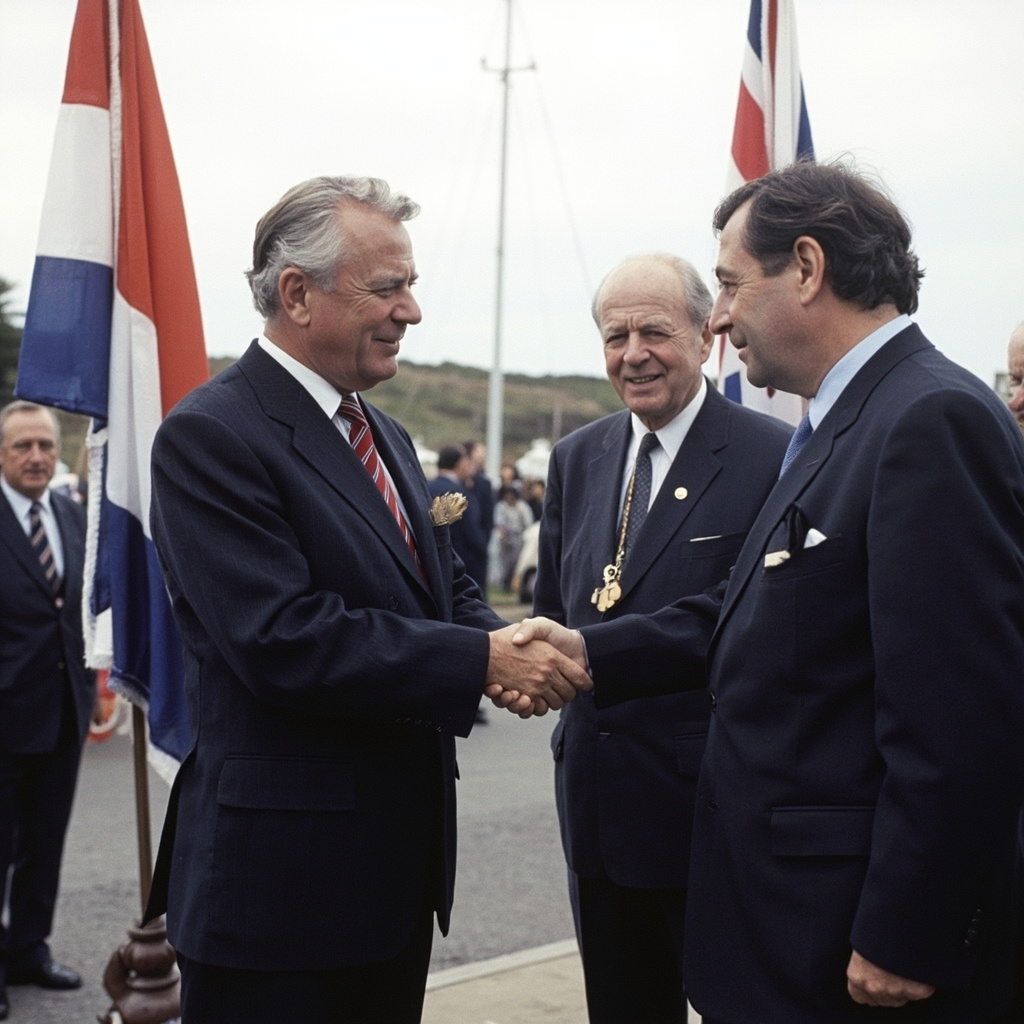
Seeing the humor in the situation, Duncan invited the Dutch Ambassador to Britain, Jonkheer Huydecoper, to visit the islands and officially end this marathon conflict. On April 17, 1986—exactly 335 years and 19 days after Tromp’s original declaration—peace was finally declared in a ceremonial signing on the Isles of Scilly.
Ambassador Huydecoper, clearly enjoying the absurdity of the situation, joked during the ceremony that it must have been “horrifying to the Scillonians to know we could have attacked at any moment.” The comment was made with a wink, of course—the Dutch had long since forgotten about the conflict, and the peaceful islands had certainly never lived in fear of an invasion that was never going to come.
The Debate Over Reality
While the story of the 335-year war makes for delightful historical trivia, scholars debate whether this “war” ever truly existed in any legal sense. Some historians argue that Tromp, as an admiral rather than a sovereign nation, lacked the authority to declare war on behalf of the Netherlands. Others point out that the Isles of Scilly, as part of England, couldn’t be considered an independent entity capable of being at war with another nation.
Author Graeme Donald has dismissed the entire affair as “a great PR coup for the island’s tourist board,” suggesting that the story was more legend than historical fact. However, the Dutch Embassy’s confirmation that no peace treaty existed lent enough credibility to the tale that both sides were willing to play along with the ceremonial ending.
A War Like No Other
Whether legally valid or not, the Three Hundred and Thirty-Five Years War stands as a unique chapter in military history. If we accept it as genuine, it represents the longest war in recorded history, the most peaceful conflict ever fought, and certainly the most forgotten. It’s a war with no battles, no casualties, no heroes, and no villains—just a bureaucratic oversight that lasted for over three centuries.
In an age when we’re constantly reminded of the devastating costs of warfare, there’s something wonderfully refreshing about a conflict that harmed absolutely no one. The “war” between the Netherlands and the Isles of Scilly serves as a charming reminder that sometimes the most interesting historical events are the ones where absolutely nothing happened at all.
Today, the Netherlands and the Isles of Scilly maintain the most peaceful of relationships, their “conflict” having been resolved with handshakes, smiles, and probably a fair amount of Dutch cheese shared among new friends. It’s perhaps the only war in history that ended with everyone having a good laugh.
Related Reading
- The 38-Minute War: How the Anglo-Zanzibar Conflict Became the Shortest War in History
- The Taiping Rebellion: When Jesus Christ’s ‘Brother’ Led the Deadliest War in Human History
- The War of Jenkins’ Ear: How a Severed Body Part Started a Nine-Year Conflict Between Britain and Spain