When Servants Ruled Kings: The Medieval Tradition of the Lord of Misrule

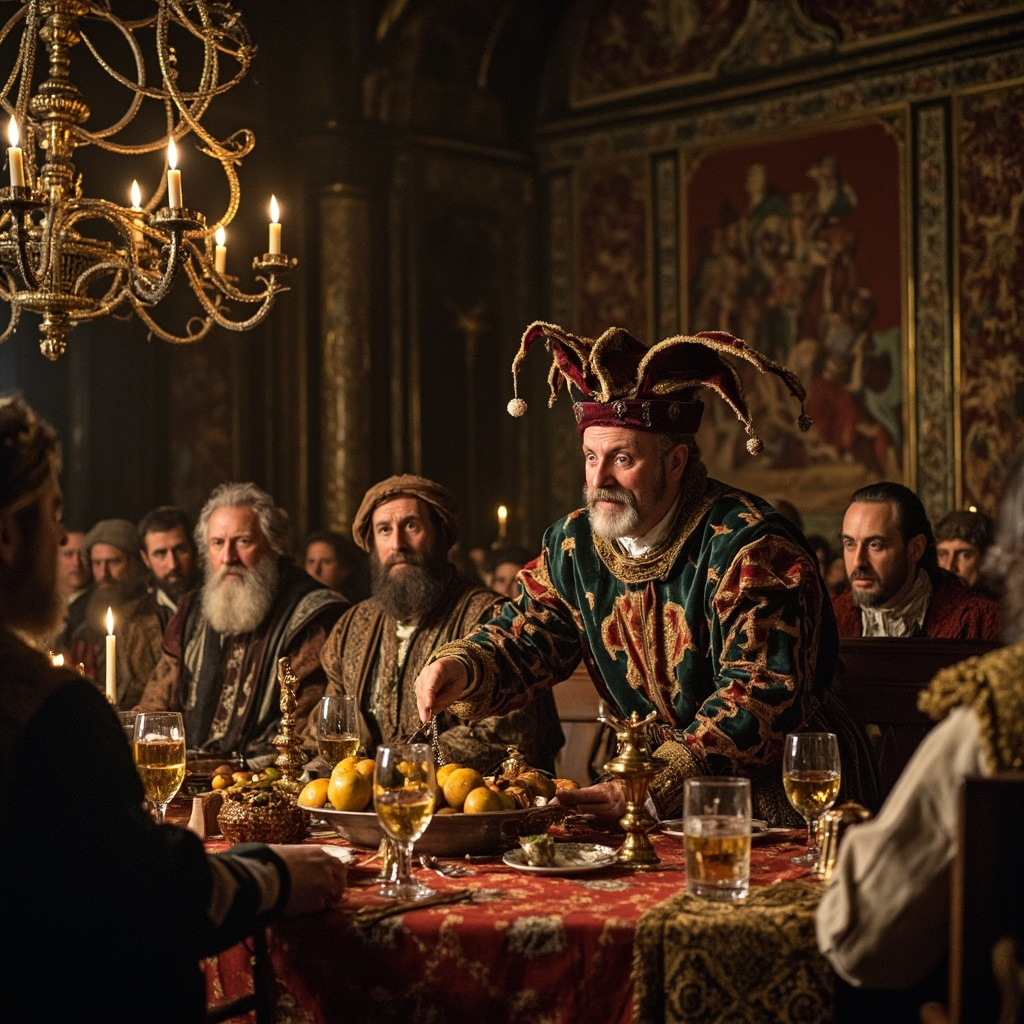
Imagine a world where servants ordered their masters around, peasants mocked nobility, and chaos reigned supreme – all with official approval. This wasn’t anarchy, but a carefully orchestrated medieval tradition known as the Lord of Misrule, where social hierarchies flipped upside down during the Christmas season.
This extraordinary custom, which persisted for centuries across Europe, offers a fascinating glimpse into how medieval society managed social tensions through institutionalized role reversal and sanctioned rebellion.
Ancient Roots in Roman Revelry
The Lord of Misrule tradition traces its origins to ancient Rome’s Saturnalia festival, held annually from December 17th for seven days of unprecedented social upheaval. During this winter celebration honoring the god Saturn, the rigid Roman class system temporarily dissolved into carnival-like chaos.
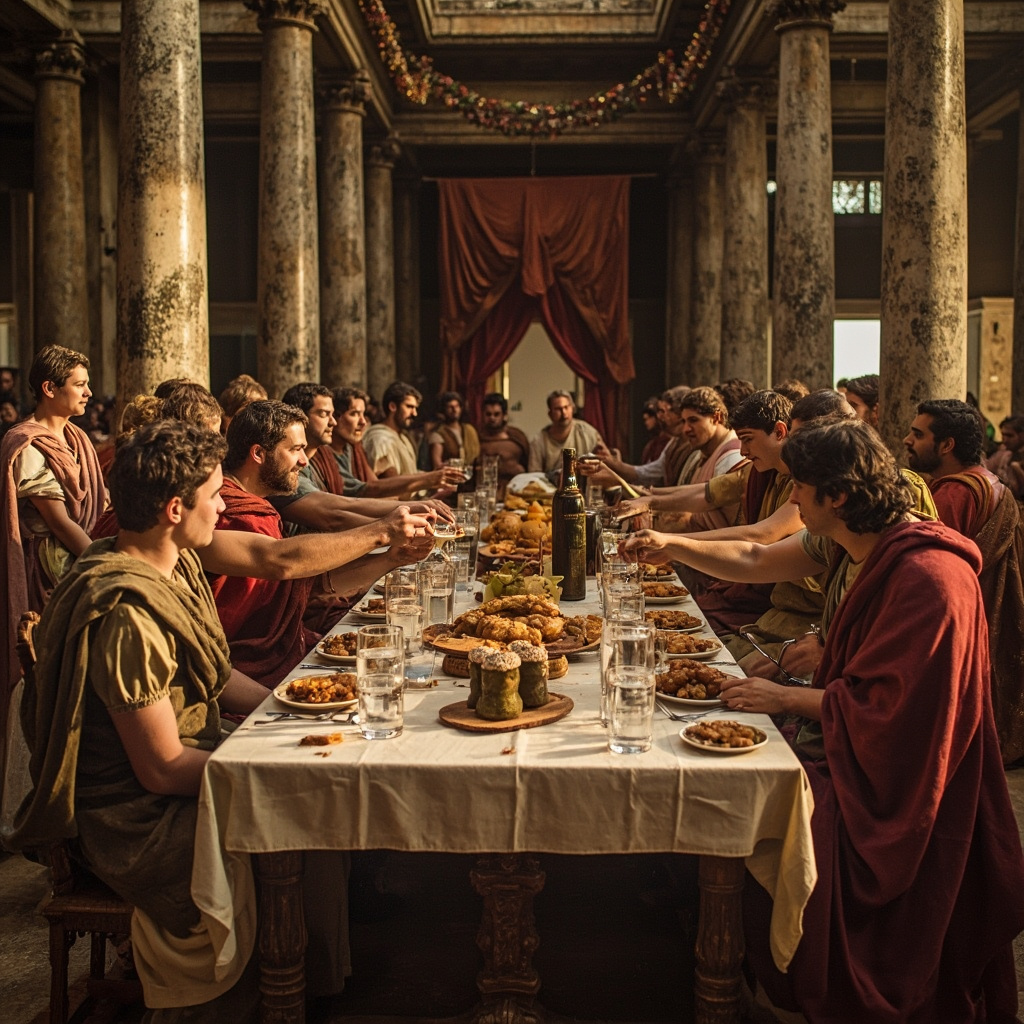
Masters waited on their slaves at banquet tables, gambling ran rampant through the streets, and moral restrictions lifted as citizens indulged in behaviors normally forbidden. The festival served as a pressure valve for social tensions, allowing the oppressed to briefly taste power while giving the powerful a temporary respite from responsibility.
This institutionalized inversion wasn’t mere entertainment – it was social engineering on a massive scale, designed to prevent real revolution by offering a controlled outlet for discontent.
Christian Adaptation and the Feast of Fools
When Christianity became Rome’s official religion in the 4th century, church leaders faced a dilemma: how to handle the deeply ingrained tradition of winter revelry that clearly contradicted Christian values of order and propriety.
Rather than abolish these customs entirely, the medieval church ingeniously adapted them into the Feast of Fools, celebrated between December 26th and 28th. Junior clergy temporarily assumed the roles of their superiors, conducting mock services that descended into theatrical farce.
Bishop John Grandisson of Exeter discovered this firsthand in 1329 when he found his cathedral clergy staging “irreverent mimes that descended into mud slinging,” causing the congregation to dissolve “into disorderly laughter and illicit mirth.” Despite his outrage, such festivities continued throughout medieval Europe.
The Rise of Boy Bishops
By the 15th century, one of the most popular manifestations of this tradition was the election of “boy bishops” – choirboys who temporarily assumed episcopal authority during feast days associated with children, particularly St. Nicholas Day (December 6th) and Holy Innocents Day (December 28th).
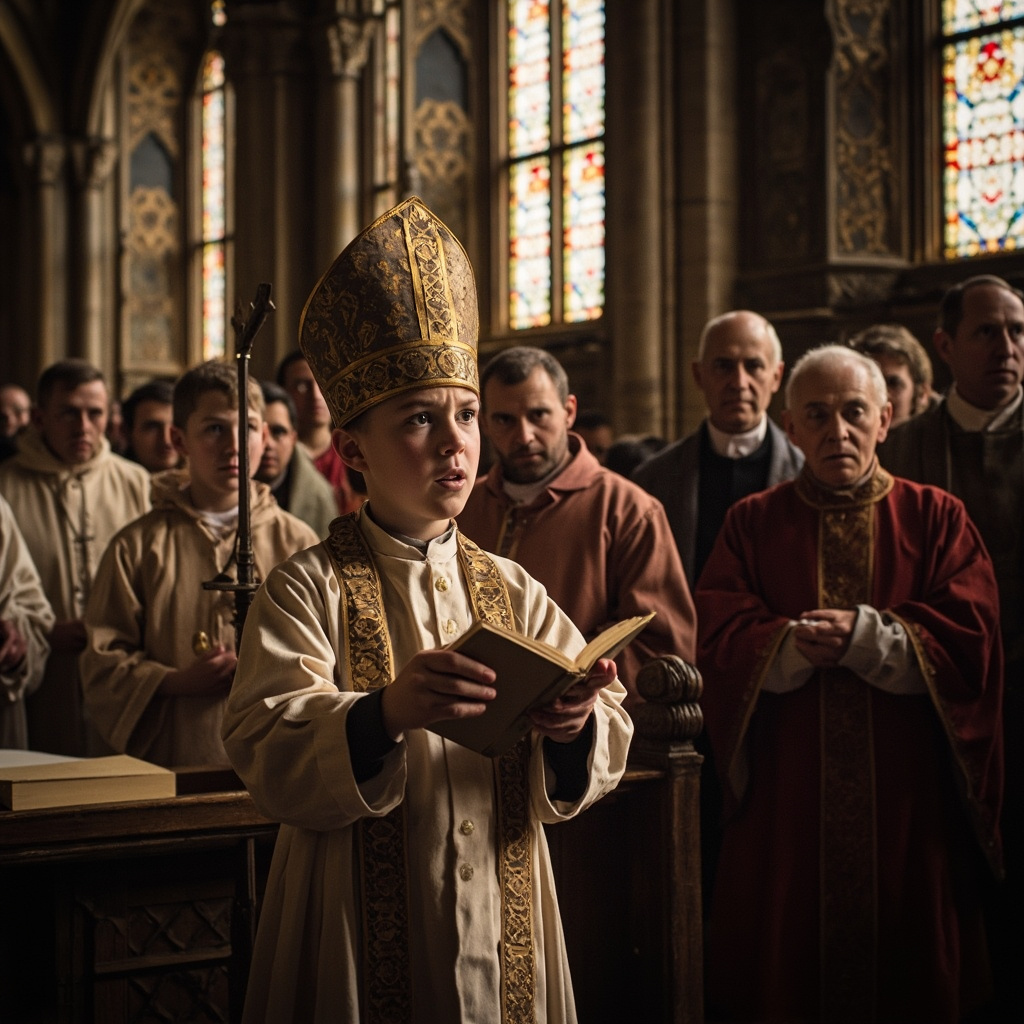
These young bishops, complete with miniature episcopal mitres and robes, led processions through cathedrals and even delivered sermons to adult congregations. The great Benedictine monastery at Bury St. Edmunds became particularly famous for this practice, with archaeological evidence suggesting boy bishops distributed special lead tokens to children and the poor, who could exchange them for treats at the abbey’s almonry.
These weren’t mere theatrical performances – the boy bishops wielded genuine, if temporary, authority within their religious communities, making decisions and issuing orders that adults were bound to obey.
Royal Courts and the Bean King
The tradition extended beyond churches into the highest levels of secular society. During the reigns of Edward II and Edward III, English royal courts featured a “Bean King” who presided over Christmas celebrations with all the pomp and circumstance of genuine royalty.
Henry VII revived this custom after ascending the throne in 1485, appointing a Lord of Misrule – typically a servant or minor court official – to oversee the Twelve Days of Christmas festivities. These temporary rulers came complete with their own courts, including jesters and even mock gibbets for the theatrical “execution” of those who displeased them.
The future Henry VIII spent much of his childhood at Eltham Palace, where Twelfth Night celebrations in 1516 featured elaborate pageants and mock battles, all orchestrated under the direction of a Master of Revels who wielded considerable authority over the proceedings.
The Limits of Acceptable Chaos
Despite encouraging temporary rebellion, medieval authorities carefully maintained boundaries on how far such behavior could extend. When students at Lincoln’s Inn in London staged Christmas pranks in 1516 that resulted in property damage, the perpetrators faced fines and expulsions, with future occurrences explicitly forbidden.
The preservation of fundamental social hierarchies remained paramount – these festivals provided controlled release valves, not genuine challenges to the established order. Participants understood that their temporary power was precisely that: temporary.
The End of an Era
The Protestant Reformation of the mid-16th century marked the beginning of the end for many aspects of the Lord of Misrule tradition. Religious reformers viewed such practices as corruptions of Christian worship, leading to the suppression of boy bishops and feast day revelries in reformed territories.
The final blow came during the English Civil Wars of the 17th century, when the very real disorder of political upheaval made the mock disorder of festival misrule seem dangerously inappropriate. Puritan authorities, viewing such customs as remnants of Catholic superstition, banned most remaining manifestations of institutionalized role reversal.
Modern Echoes of Ancient Traditions
While the formal Lord of Misrule tradition has largely vanished, its spirit survives in contemporary celebrations. The raucous festivities of “Mad Friday” – the weekend before Christmas when office workers across Britain engage in often spectacular public drinking – represents a direct descendant of medieval misrule traditions.
Similarly, modern carnival celebrations, office Christmas parties where employees mock their bosses, and various “world upside-down” festivals around the globe all echo the ancient human need for temporary social inversion and sanctioned rebellion.
The medieval Lord of Misrule tradition reveals sophisticated understanding of human psychology and social dynamics. By institutionalizing brief periods of chaos and role reversal, medieval society found a remarkably effective way to maintain long-term stability while acknowledging the universal desire for occasional escape from rigid social constraints.
In our own era of social media outrage and political polarization, perhaps there’s wisdom to be found in the medieval recognition that sometimes the best way to preserve order is to occasionally, safely, and temporarily turn the world upside down.