The 38-Minute War: How the Anglo-Zanzibar Conflict Became the Shortest War in History

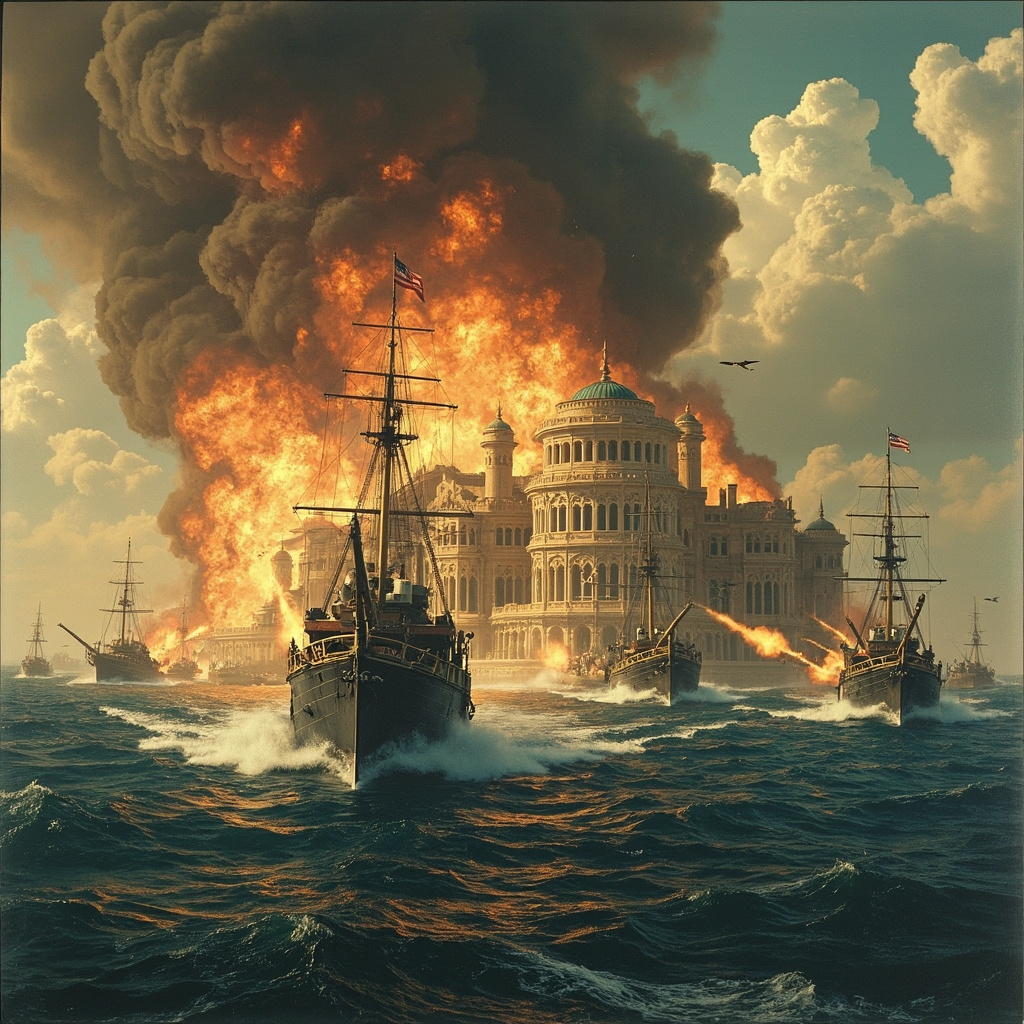
On the morning of August 27, 1896, a single Thursday changed the record books forever. What began as a succession dispute in the Sultanate of Zanzibar would conclude just 38 minutes later, earning the dubious honor of being the shortest war in recorded history. The Anglo-Zanzibar War proved that sometimes the most dramatic conflicts are measured not in years or months, but in minutes.
The Spark That Lit the Fuse
The crisis began two days earlier when Sultan Hamad bin Thuwaini, a British-friendly ruler, died suddenly at 11:40 AM on August 25, 1896. Within hours, his cousin Khalid bin Barghash had seized the palace and declared himself sultan, directly violating British expectations. The British had supported Hamad specifically because of his cooperative stance, and they weren’t about to let his replacement ignore their authority.
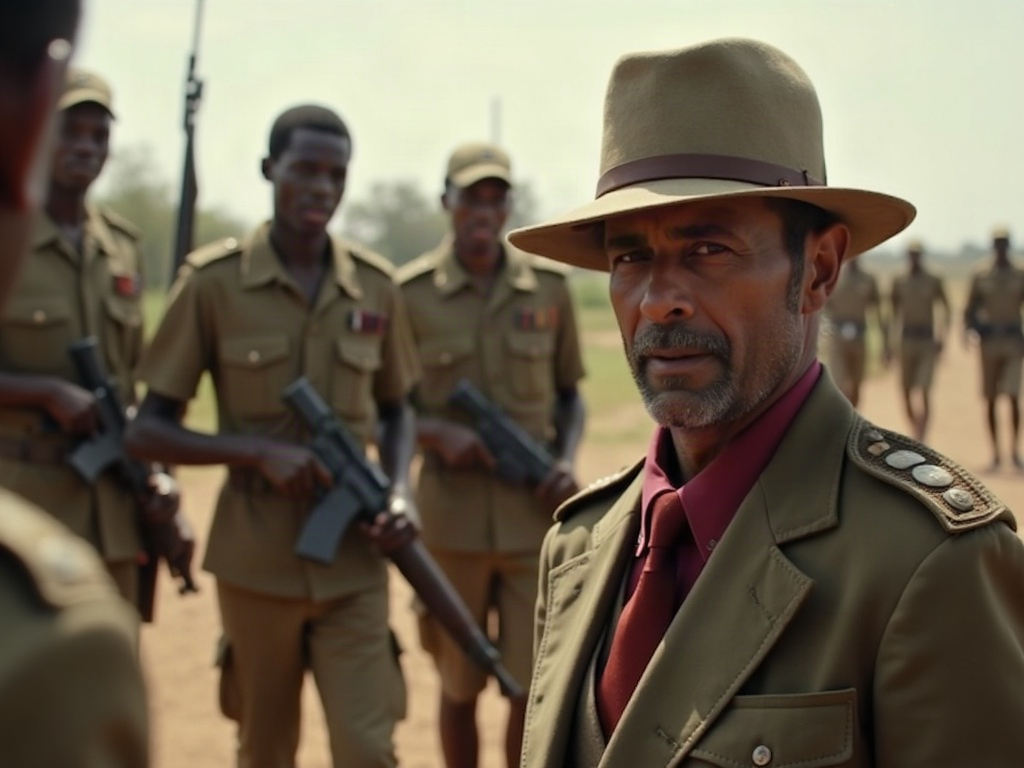
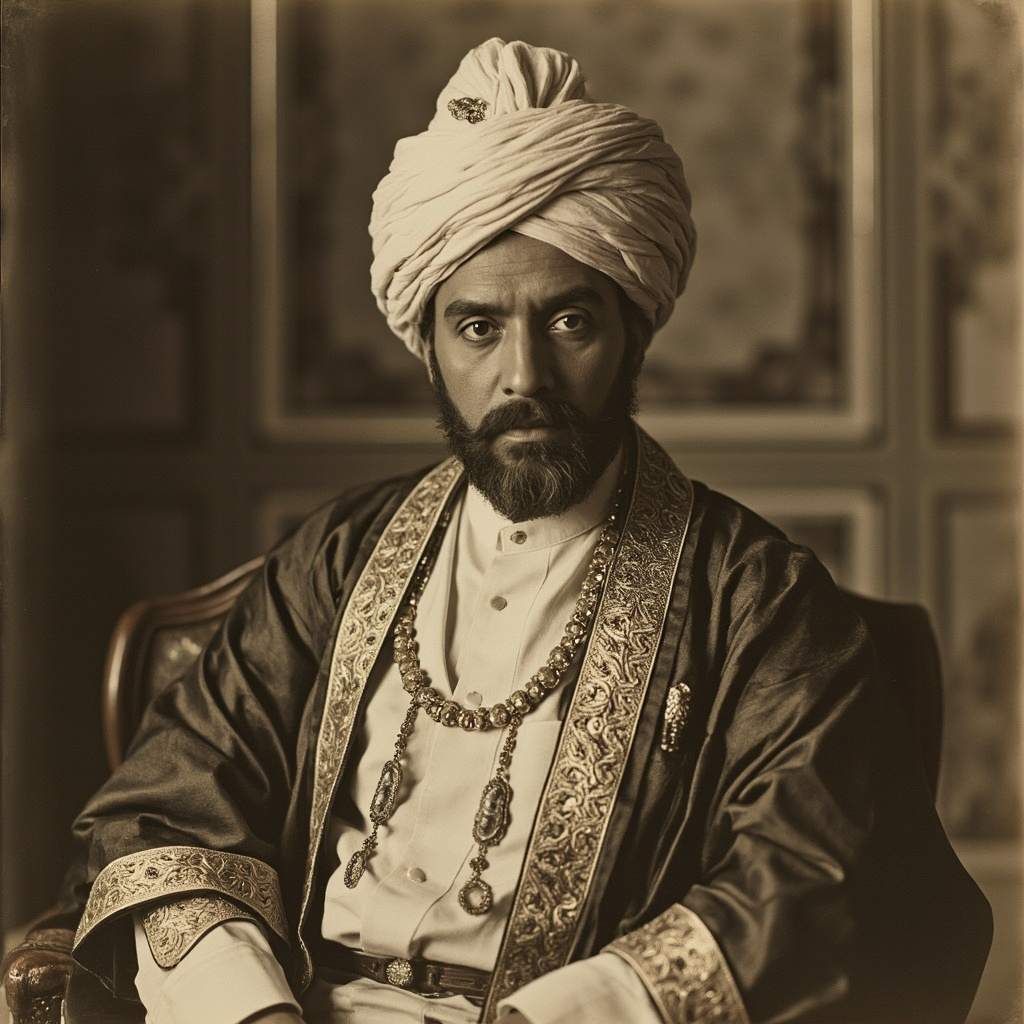
Khalid’s bold move put him on a collision course with the British Empire at its height. The British consul-general, Basil Cave, immediately demanded that Khalid step down and allow British-preferred candidate Hamoud bin Mohammed to take the throne. When Khalid refused and began fortifying the palace with his small army of about 2,800 men, armed with rifles, cannons, and one ancient cannon called “Glasgow,” the die was cast.
A Ticking Clock
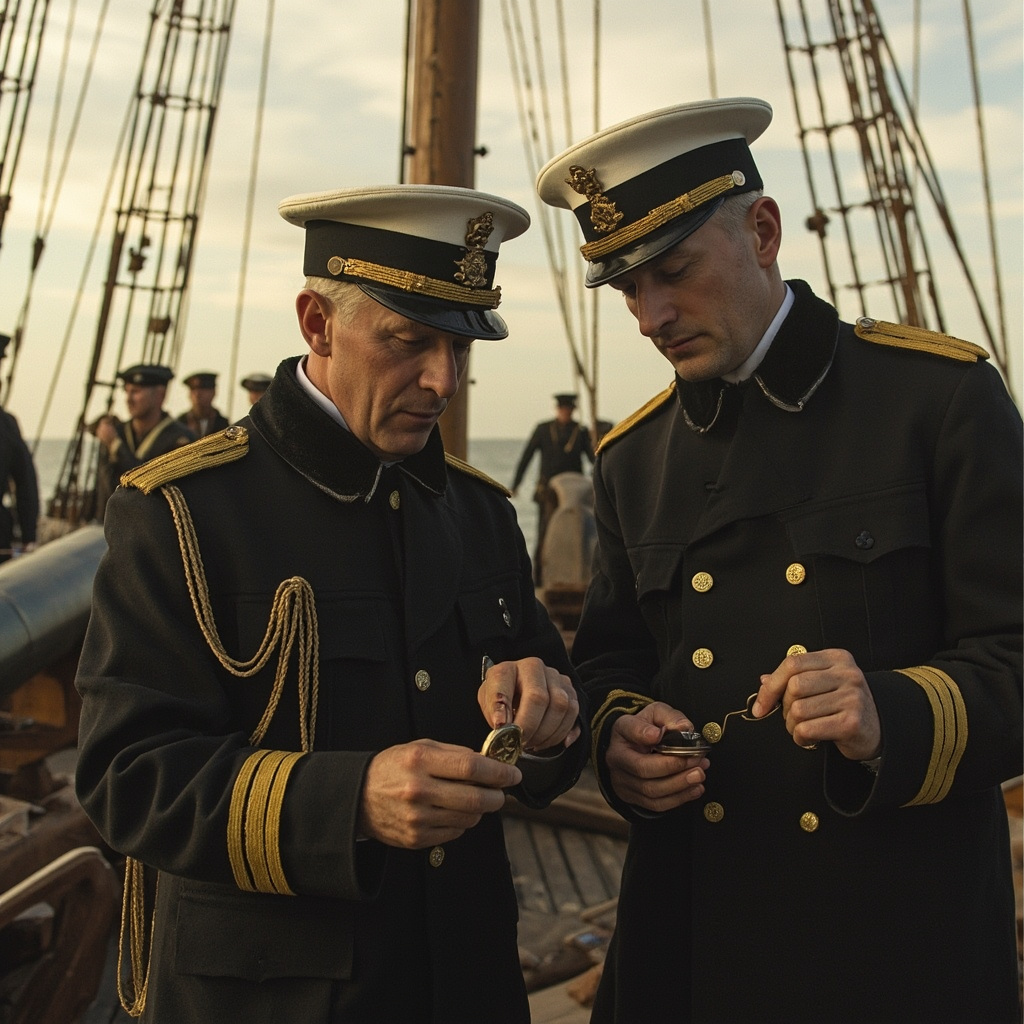
British Rear-Admiral Harry Rawson wasn’t playing games. He assembled a naval force of five warships and about 900 marines and sailors, then issued an ultimatum: Khalid had until 9:00 AM on August 27 to vacate the palace or face the consequences. The British were confident in their superior firepower, including modern naval guns that could reduce the wooden palace to rubble in minutes.
As the deadline approached, tensions mounted. Khalid had gathered his forces in and around the palace, hoping his show of strength might deter British action. Meanwhile, curious civilians gathered at a safe distance to witness what everyone sensed would be a historic confrontation.
38 Minutes of Destruction
At exactly 9:02 AM, when Khalid failed to lower his flag and surrender, Admiral Rawson gave the order to commence firing. The British warships HMS St. George, HMS Philomel, and HMS Thrush opened fire on the palace with devastating effect. The wooden structure, despite being defended by stone walls, was no match for modern British naval artillery.
The palace burst into flames almost immediately. Khalid’s forces fought back bravely but hopelessly, their outdated weapons and single small gunboat proving utterly inadequate against British firepower. The royal yacht HHS Glasgow was sunk within the first few minutes, and the palace’s defenses crumbled under the relentless bombardment.
The Aftermath: Victory in Record Time
By 9:40 AM, exactly 38 minutes after the first shot was fired, the sultan’s flag was hauled down in surrender. Khalid himself had fled to the German consulate seeking asylum, leaving his forces to face the British alone. The shortest war in history was over, but the human cost was significant despite the brief duration.
British casualties were remarkably light—just one sailor wounded. The sultan’s forces, however, paid a much heavier price. Approximately 500 of Khalid’s men were killed or wounded in the brief but intense bombardment. The palace lay in ruins, and the sultan’s cause was utterly destroyed.
The New Sultan and British Control
With Khalid in exile, the British immediately installed their preferred candidate, Hamoud bin Mohammed, as the new sultan. Hamoud would rule under British protection and guidance, ensuring that Zanzibar remained firmly within Britain’s sphere of influence. The new sultan’s first official act was to outlaw slavery in Zanzibar, a move that aligned with British interests and humanitarian goals.
A War for the Record Books
The Anglo-Zanzibar War holds several distinctions beyond its brevity. It was one of the first conflicts to be recorded with precise timing, thanks to the British military’s attention to detail and the presence of war correspondents. It also demonstrated the overwhelming technological advantage that European powers held over local rulers in Africa during the colonial period.
Perhaps most remarkably, the war began and ended on a single Thursday morning, allowing British officers to return to their ships for lunch as if nothing extraordinary had happened. Yet in those 38 minutes, the political landscape of East Africa was permanently altered, and a place was secured in the history books for the most efficient military victory in human history.
The Anglo-Zanzibar War serves as a stark reminder that in the age of empire, superior technology and firepower could resolve conflicts with shocking speed. It also highlights how quickly political situations could escalate when colonial powers felt their interests were threatened. While lasting less than an hour, this “war” encapsulated the brutal efficiency of 19th-century imperial power and left an indelible mark on the history of both Britain and Zanzibar.
Related Reading
- The Three Hundred and Thirty-Five Years War: The Longest Bloodless Conflict in History
- The War of the Bucket: When Italy Fought a Bloody Battle Over a Wooden Pail