The Cadaver Synod of 897 AD: When a Dead Pope Was Put on Trial

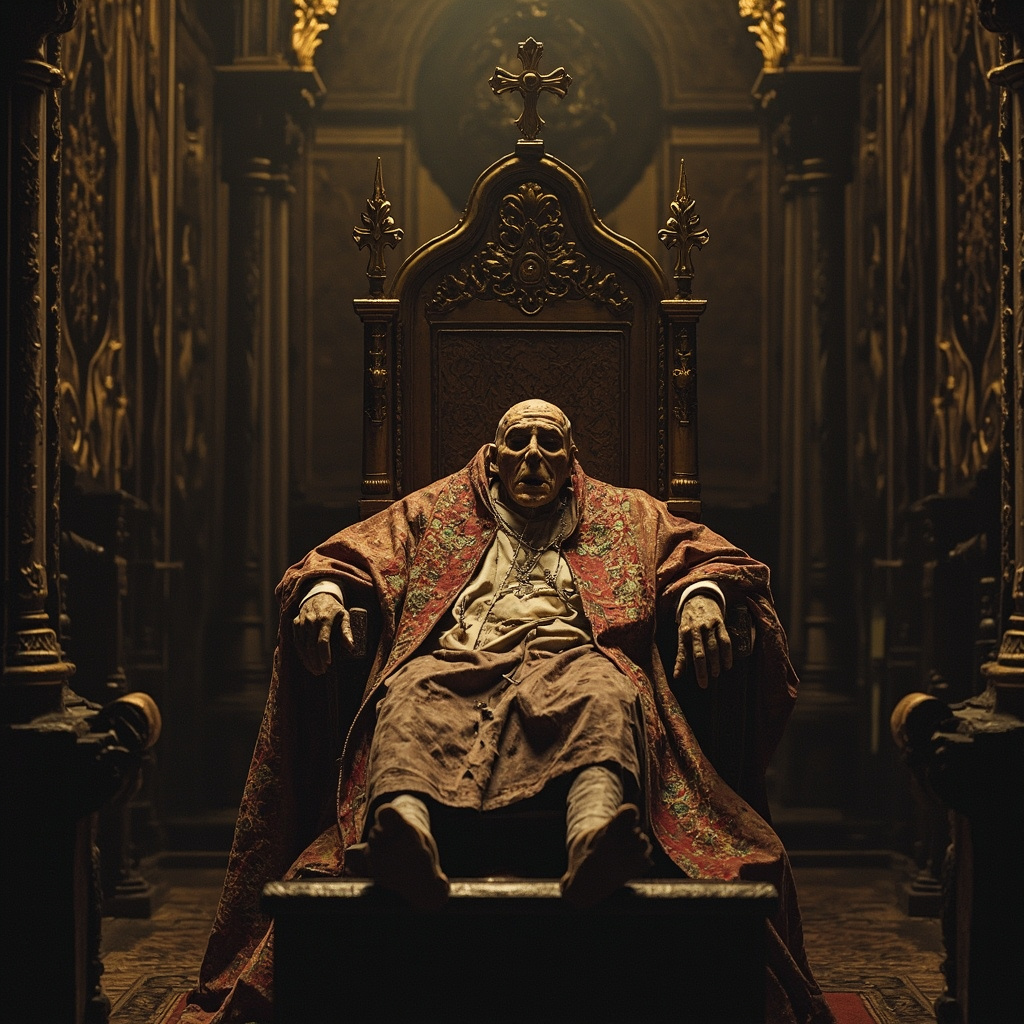
In one of the most bizarre episodes in papal history, Pope Stephen VI ordered the exhumation and trial of his predecessor, Pope Formosus, in 897 AD. This macabre event, known as the Cadaver Synod, stands as perhaps the most shocking example of political revenge in medieval church history.
The Background: Political Turmoil in 9th Century Rome
The late 9th century was a period of intense political instability in Rome. The papacy was deeply entangled in the power struggles between competing noble families and foreign rulers. Pope Formosus, who reigned from 891 to 896 AD, had made powerful enemies during his tenure by crowning Arnulf of Carinthia as Holy Roman Emperor, thereby opposing the interests of the powerful Spoleto family.

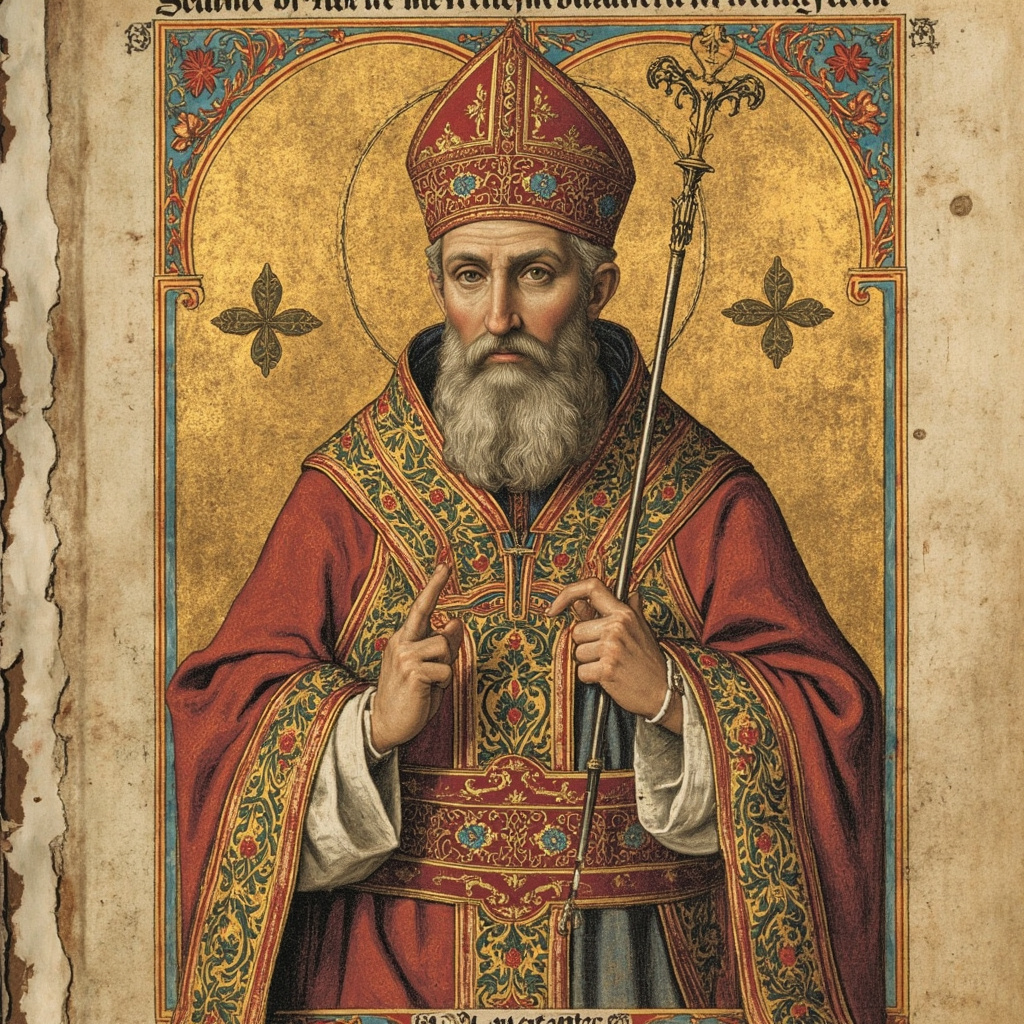
When Formosus died in 896, his successor Boniface VI reigned for only 15 days before dying himself. The next pope, Stephen VI, was a creature of the Spoleto faction and harbored deep resentment against his predecessor’s policies.
The Trial of the Dead
In early 897, Stephen VI made the unprecedented decision to put Pope Formosus on trial posthumously. The dead pope’s body was exhumed from its tomb in St. Peter’s Basilica after seven months of decomposition. The corpse was then dressed in papal vestments and propped up on a throne in the Basilica of St. John Lateran for what would become known as the Cadaver Synod.
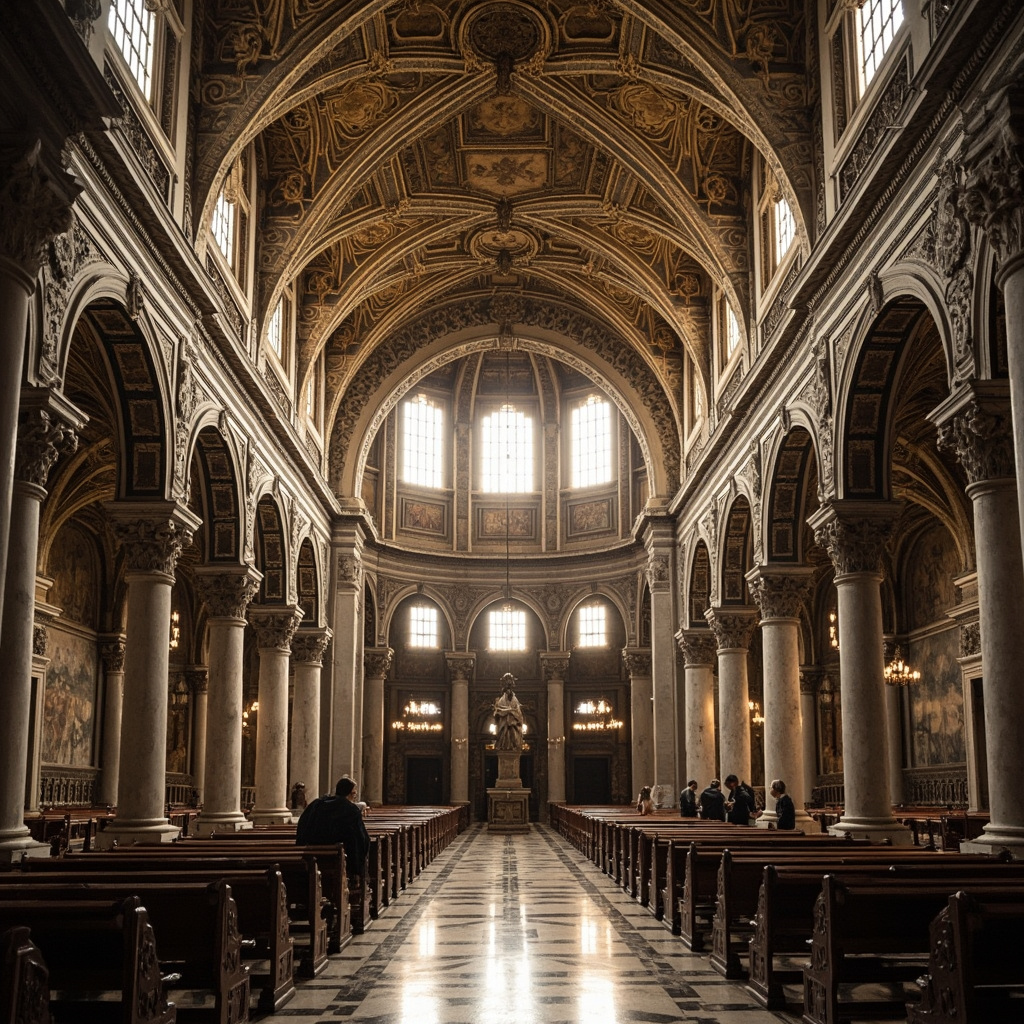
The trial was a grotesque spectacle. Stephen VI hurled accusations at the silent corpse, charging Formosus with perjury, violating canon law, and coveting the papacy. A deacon was assigned to speak for the dead pope, but the outcome was predetermined. The decomposing body, unable to defend itself, was found guilty on all charges.
The Aftermath and Divine Retribution
The consequences of the trial were swift and dramatic. All of Formosus’s acts as pope were declared null and void, his ordinations were invalidated, and the three fingers of his right hand used for blessings were cut off. The corpse was then stripped of its papal vestments, dressed in simple clothes, and thrown into the Tiber River.
However, the Roman people were horrified by this sacrilege. Popular outrage against Stephen VI grew, especially when an earthquake struck Rome shortly after the trial, which many interpreted as divine displeasure. By August 897, a popular uprising had deposed Stephen VI, who was subsequently imprisoned and strangled to death.
Historical Significance
The Cadaver Synod represents the absolute nadir of papal dignity during what historians call the “Dark Age” of the papacy. The event illustrates how completely the spiritual office of the pope had become subordinated to temporal political considerations. It also demonstrates the extreme lengths to which medieval rulers would go to legitimize their actions and delegitimize their opponents, even beyond the grave.
The trial’s aftermath led to a period of papal chaos, with multiple popes being elected and deposed in rapid succession. Pope Theodore II, Stephen VI’s immediate successor, had Formosus’s body retrieved from the Tiber and reburied with full honors. Later, Pope John IX formally nullified the Cadaver Synod and restored Formosus’s reputation.
Legacy and Lessons
The Cadaver Synod serves as a stark reminder of how political passion can corrupt even the most sacred institutions. It highlights the dangers of allowing temporal power struggles to override spiritual authority and human dignity. The event became a cautionary tale about the excesses possible when religious authority is subordinated to political revenge.
Today, the Cadaver Synod is remembered as one of history’s most extraordinary examples of posthumous justice gone wrong. It stands as a testament to the turbulent times of medieval Europe and the complex relationship between spiritual and temporal power that would continue to shape European history for centuries to come.
Related Reading
- Simon Sudbury: The Archbishop the Rebels Beheaded on Tower Hill
- The Vatican Secret Archives: Hidden Treasures and Forbidden Knowledge That Changed History
- The Most Bizarre Death in Ancient History: How an Eagle Killed the Father of Greek Tragedy