The Vatican Secret Archives: Hidden Treasures and Forbidden Knowledge That Changed History


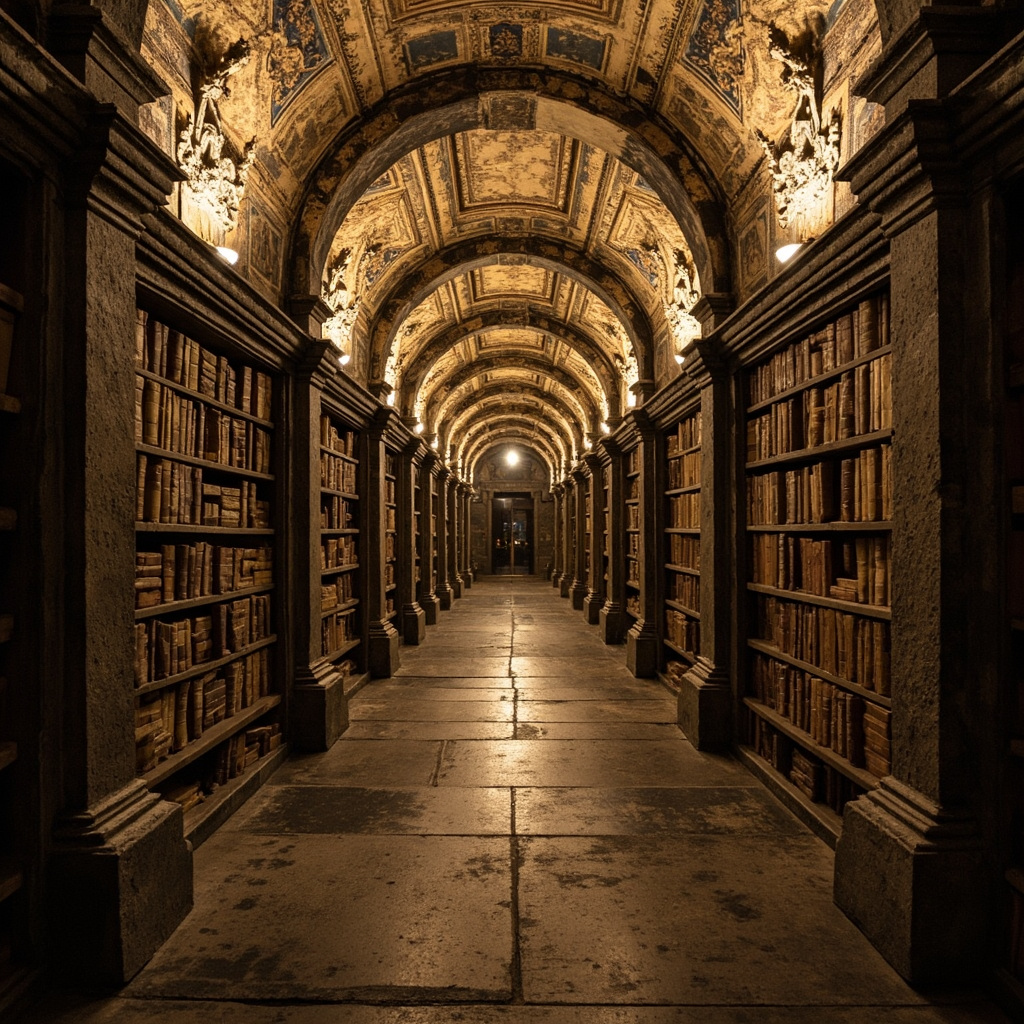
Deep beneath the Vatican lies one of history’s most mysterious collections: the Vatican Secret Archives. For centuries, these sealed vaults have sparked conspiracy theories and captured imaginations. But the truth about what’s actually hidden in these archives is far more fascinating than any fiction.
In 2019, Pope Francis officially renamed them the “Vatican Apostolic Archives,” acknowledging that the word “secret” had fueled too much speculation. Yet even today, only a select few scholars gain access to documents that could reshape our understanding of history.
The Origins of Secrecy
The Vatican Archives began accumulating documents in the 4th century, but the modern secret archive system started in 1612 under Pope Paul V. The original purpose wasn’t conspiracy—it was preservation. In an era of political upheaval and wars, the Vatican needed to protect its most important diplomatic and administrative documents from destruction or theft.
The “secret” designation (from the Latin secretum, meaning “private”) indicated these were personal papal documents, separate from materials available in the Vatican Library. But this privacy created an aura of mystery that has persisted for over 400 years.
What’s Actually Inside
Galileo’s Trial Documents: The complete records of Galileo’s 1633 heresy trial reveal surprising details. Contrary to popular belief, Galileo wasn’t tortured, and several cardinals actually supported his scientific work privately. The trial was more about papal authority than pure religious doctrine.
Letters from Michelangelo: The artist’s personal complaints about working on the Sistine Chapel, including his famous protests about painting the ceiling when he considered himself a sculptor, not a painter. One letter translates roughly as “I am not a painter” repeated multiple times in exasperation.
Henry VIII’s Marriage Petition: The original document shows 81 seals from English nobles supporting Henry’s request to annul his marriage to Catherine of Aragon. The elaborate presentation suggests Henry genuinely believed he could convince the Pope through political pressure.
Modern Access and Digital Revolution
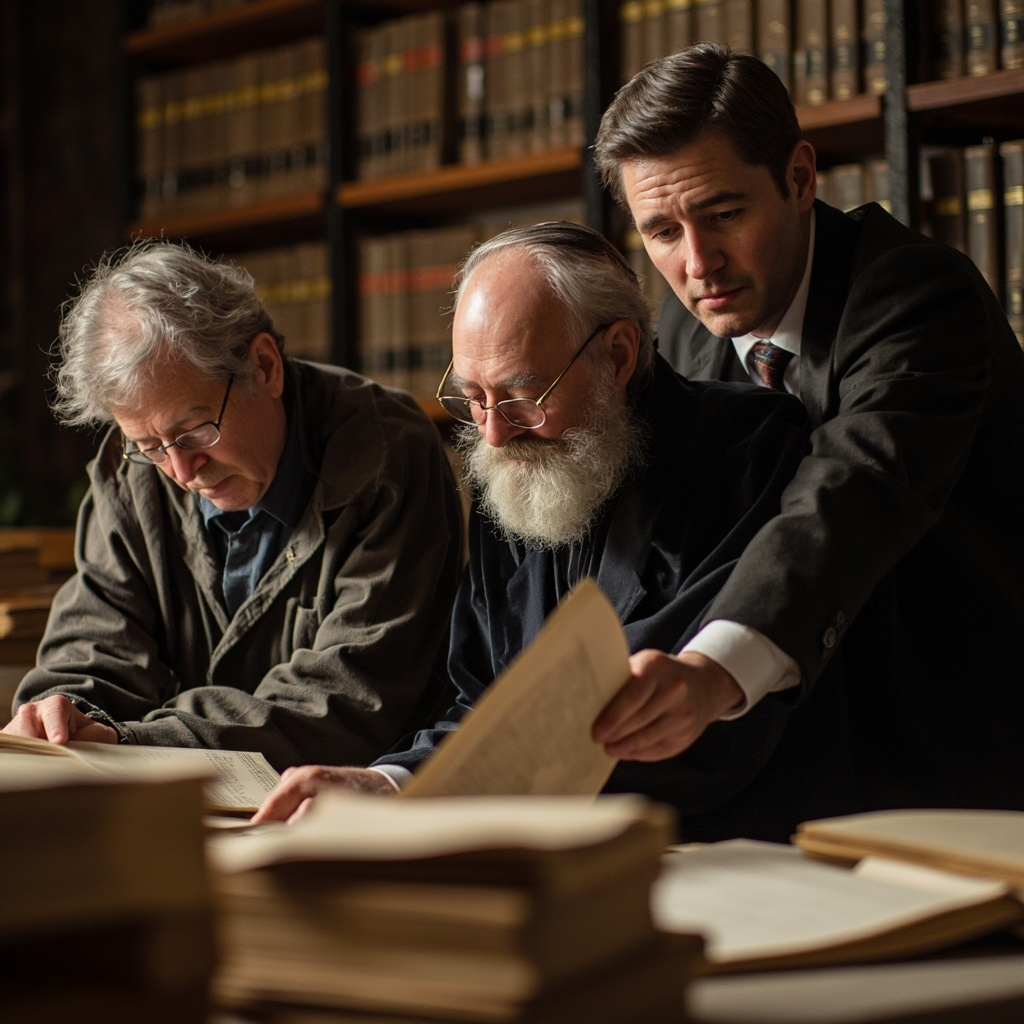
Today, qualified researchers can access most pre-1958 documents, with some exceptions. The process requires academic credentials, specific research proposals, and Vatican approval. The Vatican has begun digitizing archives, making some documents available online.
The Vatican Secret Archives—now Apostolic Archives—represent one of humanity’s great historical repositories. While conspiracy theories persist, the reality is far more interesting: a massive collection of documents showing how religious, political, and scientific forces have shaped our world for over 1,500 years.
Related Reading
- The Voynich Manuscript: History’s Most Mysterious Book That No One Can Read
- The Unnerving Discovery at Roman Fort Magna That Changed History
- The Cadaver Synod of 897 AD: When a Dead Pope Was Put on Trial