The Night the Barbary Pirates Stole an Entire Irish Village

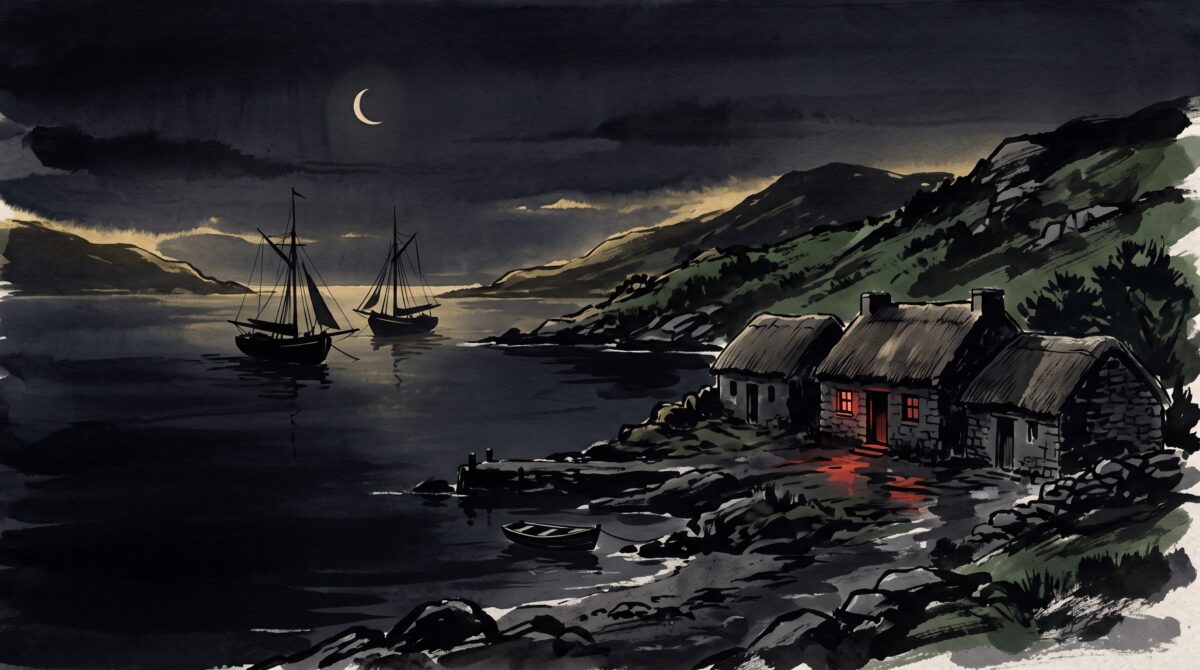
When we picture pirates, we tend to picture the Caribbean, or the South China Sea, or some sun-warmed coast far from home. We do not picture a cold, grey fishing village in the south of Ireland. And yet, just before dawn on 20 June 1631, that is exactly where one of the most audacious slave raids in European history took place. In a single morning, a fleet from the Barbary Coast of North Africa descended on the little settlement of Baltimore in West Cork and carried off almost the entire population – men, women, and children – into a lifetime of slavery an ocean away.
Most of them were never seen again.
A quiet colony at the edge of the world
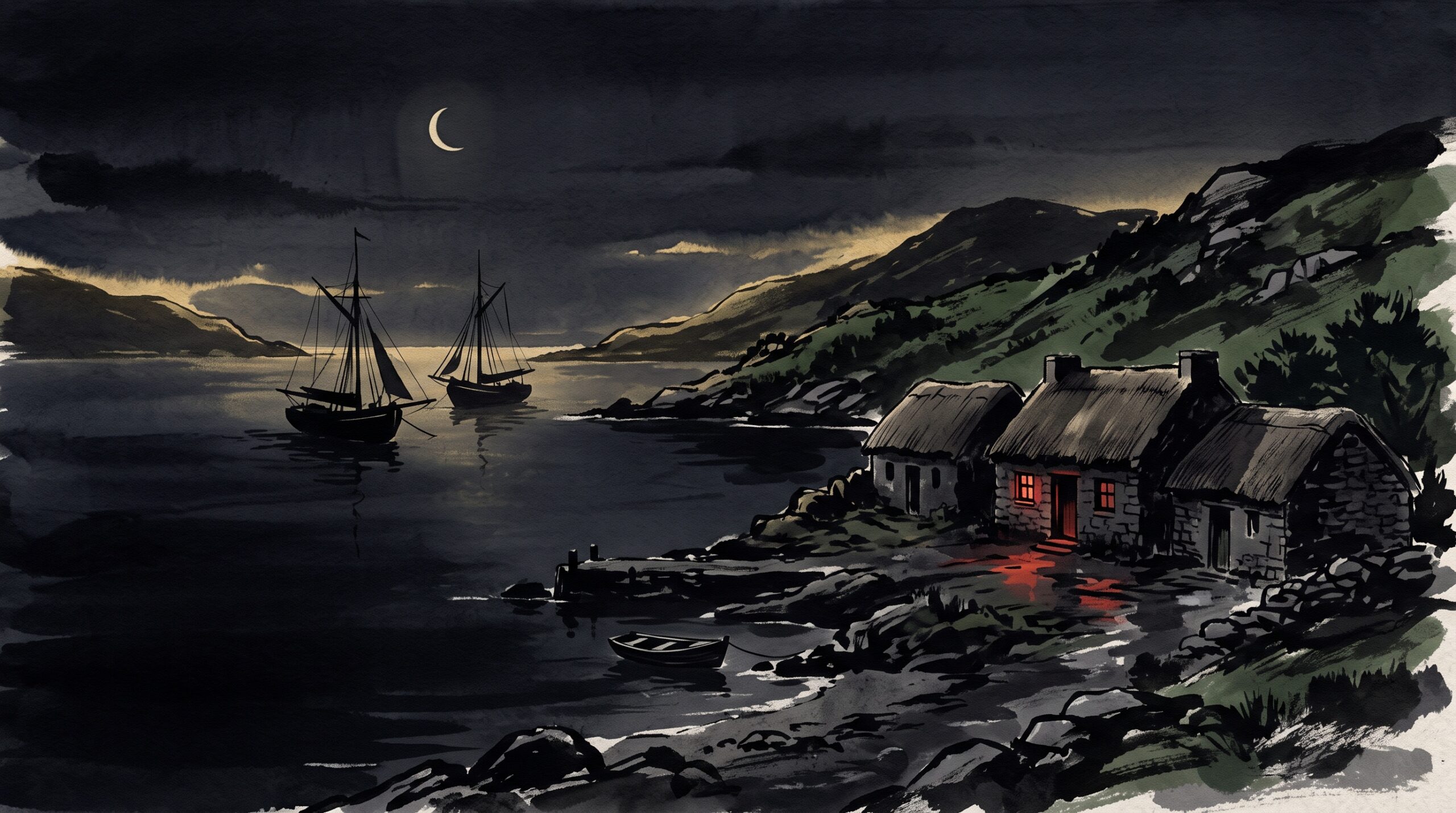
Baltimore in 1631 was a modest place. It sat on a sheltered inlet in the far southwest of Ireland, a cluster of thatched cottages home to a few hundred people who made their living from the sea. Most were English Protestant settlers who had arrived a generation earlier, drawn by the rich pilchard fishery, living alongside the local Irish. It was remote, poor, and utterly unprepared for what was coming. The wider world’s wars and slave markets felt impossibly distant from a village where the great events of the day were the tides and the catch.
That sense of safety was an illusion. For decades, the corsairs of the Barbary states – Algiers, Tunis, and Tripoli, nominally under the Ottoman Empire – had been raiding shipping and coastlines across the Mediterranean and out into the Atlantic, seizing human beings to sell in the slave markets of North Africa. By some estimates more than a million Europeans were taken into Barbary slavery over the centuries. Coastal villages in Spain, Italy, and even as far north as Iceland had been struck. Ireland’s turn had come.
The renegade captain
The raid was led by one of the strangest figures of the age: a man the records call Murad Reis the Younger. He had not been born to the role. He was a Dutchman from Haarlem, originally named Jan Janszoon, who had himself been captured by Barbary pirates, converted to Islam, and risen to command his own corsair fleet out of Algiers. A European by birth leading a North African raid on a British colony, he embodied the tangled, borderless violence of the seventeenth-century seas, where today’s captive could become tomorrow’s captain.
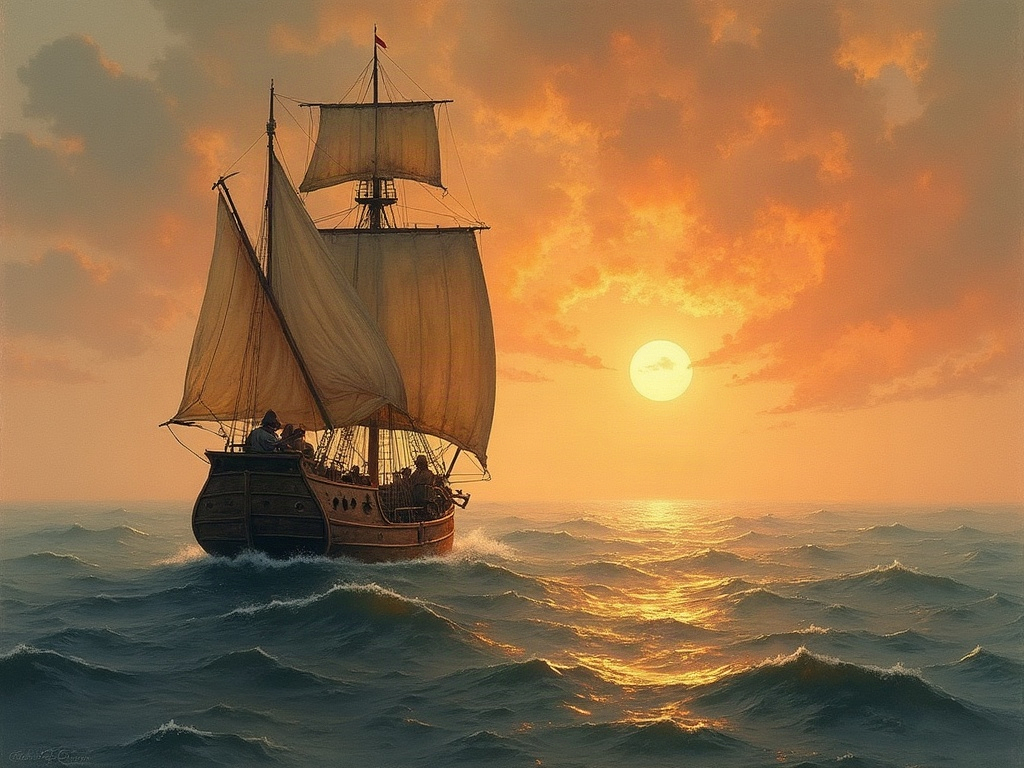
Murad did not find Baltimore by accident. According to the accounts that survive, his ships intercepted local fishermen off the coast, and one of them – a man named John Hackett – guided the raiders into the bay in exchange for his own freedom, or under threat of death. The precise truth of Hackett’s role is debated to this day, but whatever his motives, a local hand helped steer the corsairs through unfamiliar waters straight to the sleeping village. The sea has always been a place where loyalty bent under pressure, from mutinous crews to pilots forced to betray their own – a desperation not far removed from the terror aboard the doomed Batavia, wrecked just two years earlier.
Before the village could wake
The attack came in the darkness before dawn, when resistance would be weakest. The corsairs put ashore in two waves. The first struck the cluster of cottages down by the cove, the part of the settlement called the Cove of Baltimore, where the poorer fishing families lived. Armed men with torches and blades moved quickly through the narrow lanes, battering down doors and dragging people from their beds before most of them even understood what was happening.
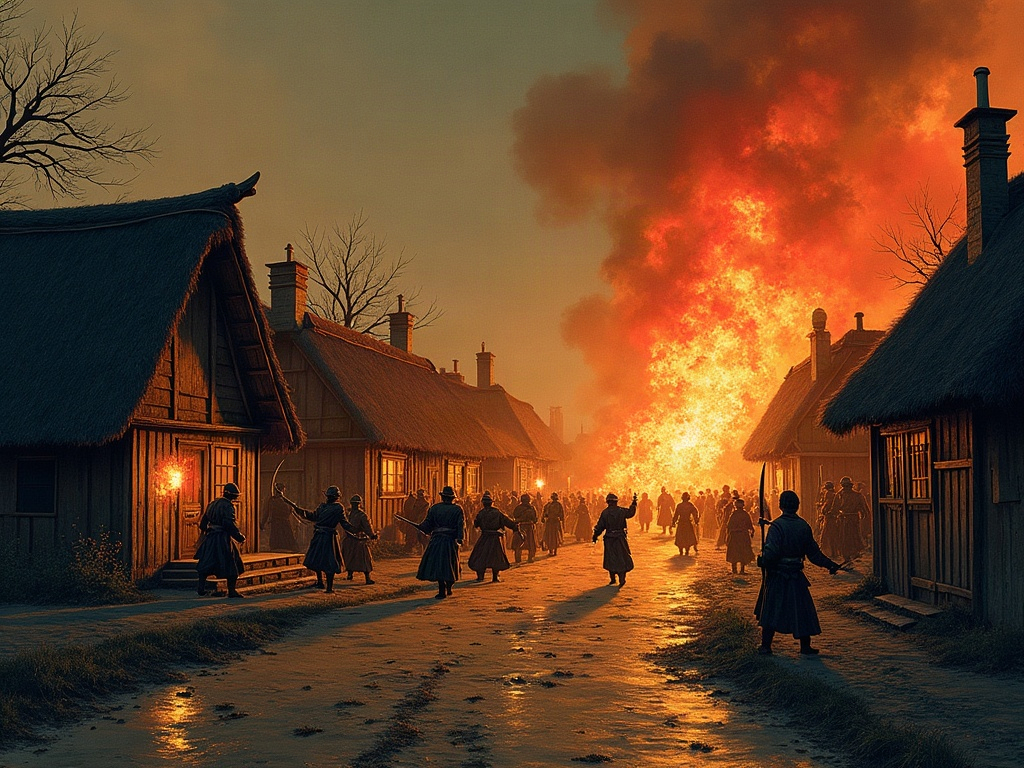
The raiders worked with brutal efficiency. Families were pulled out into the dark half-dressed, children torn from parents, the old and the sick shoved along with the rest toward the waiting boats. A musket shot and the beating of a drum finally raised the alarm in the upper village, and that warning may have saved the rest of the settlement – the corsairs, fearing the countryside was rousing, broke off and withdrew to their ships rather than press the attack further inland.
It had taken only a couple of hours. By the time the sun was fully up and the surrounding district armed and gathering, the ships had already weighed anchor and were standing out to sea. Behind them, Baltimore was half-empty and smouldering.
More than a hundred gone
The numbers are staggering for so small a place. The most commonly cited figure is that 107 people were taken – around twenty men, more than thirty women, and over fifty children – though some accounts put the total of captives from the whole raid higher still. Whatever the exact count, it represented the heart of a community: a village gutted in a morning.
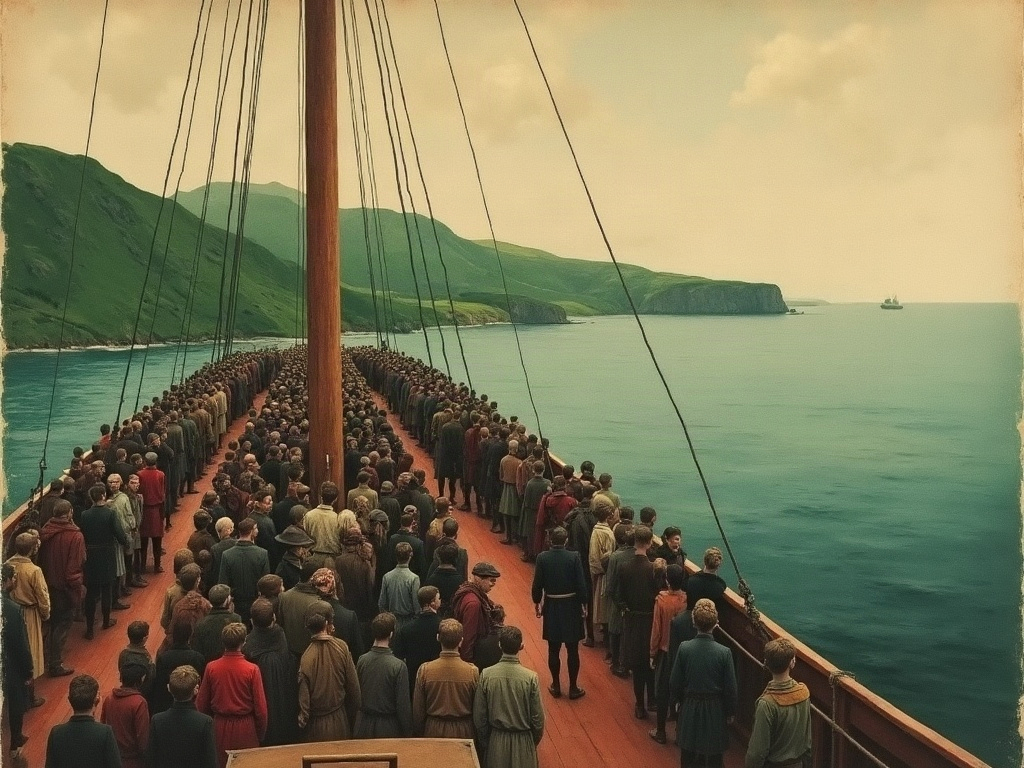
What followed was a voyage into a nightmare. The captives were packed below decks for the long passage south to Algiers, a journey of weeks across open ocean. We can only imagine the despair of people who had woken in their own homes in Ireland and now watched the last green sliver of their country disappear behind them, bound for a continent they knew nothing about. Few human beings have endured a crossing so bleak – a slow, hopeless drift toward the unknown that calls to mind other souls swallowed by the sea, like the lone sailor who survived 133 days on a raft, except these captives were sailing toward captivity, not away from it.
The slave markets of Algiers
When the ships reached Algiers, the people of Baltimore were led into the slave auctions that were the engine of the Barbary economy. Men were sold to labour at the oars of galleys or in heavy construction. Women were sold into domestic service and harems. Children were absorbed into households, many raised as Muslims, their old lives and language slowly erased. Families that had been seized together in a single night were split apart forever on the auction block.
Diplomatic efforts to ransom the captives dragged on for years, tangled in money, politics, and indifference. The cost of buying back so many people was enormous, and the will to pay it was weak. Ransom negotiations crept forward at an agonizing pace, and the great majority of the people taken from Baltimore were simply left to their fate. By most accounts, only two or three of the captives ever returned to Ireland. The rest lived out their lives – however long those lives lasted – thousands of miles from the cove where they had been born.
The village that moved, and the memory that stayed
Baltimore itself never fully recovered from the shock. Many of the survivors, too frightened to live any longer on such an exposed coast, abandoned the settlement and moved inland to the greater safety of nearby Skibbereen, which grew into the more important town while Baltimore dwindled. For generations the raid cast a long shadow over West Cork, a reminder that the sea could bring not just storms and poor catches but men who would carry you off the face of the earth.
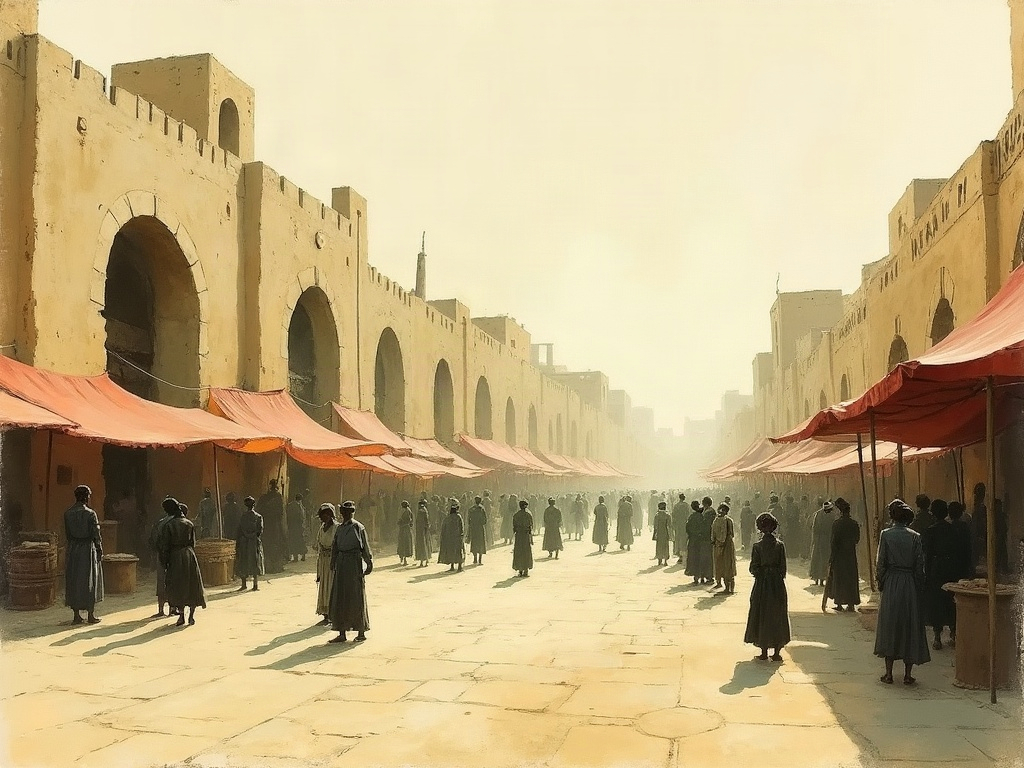
The Barbary corsairs who made the raid possible would terrorise the seas for decades more, a trade in human beings that only ended when European and American powers finally broke the Barbary states in the early nineteenth century. In their heyday these sea-raiders answered to no one and feared no one, much like the pirate queen Ching Shih, who commanded a fleet no empire could beat on the far side of the world.
Two centuries after the raid, the Irish poet Thomas Davis fixed the event in national memory with his ballad “The Sack of Baltimore,” and it is largely through verse and legend that the story survived at all. What lingers is not the strategy or the politics but the human scale of it: an ordinary village, asleep by the water, and a single morning that emptied it. We like to believe that home is the one safe place, that the familiar walls around us will hold. The people of Baltimore believed that too, right up until the moment the doors came down in the dark. Their story endures because it names a fear older than any empire – that the world can arrive without warning, and take everything, before the sun is even up.
Sources & further reading:
- Sack of Baltimore – Wikipedia
- From Baltimore to Barbary: the 1631 sack of Baltimore – History Ireland
Related Reading
- Ching Shih: The Pirate Queen Who Commanded a Fleet No Empire Could Beat
- Shanghaied: The Kidnapping Trade That Crewed the World’s Sailing Ships
- Robert Smalls: The Enslaved Pilot Who Stole a Confederate Warship and Sailed Himself to Freedom