Shanghaied: The Kidnapping Trade That Crewed the World’s Sailing Ships

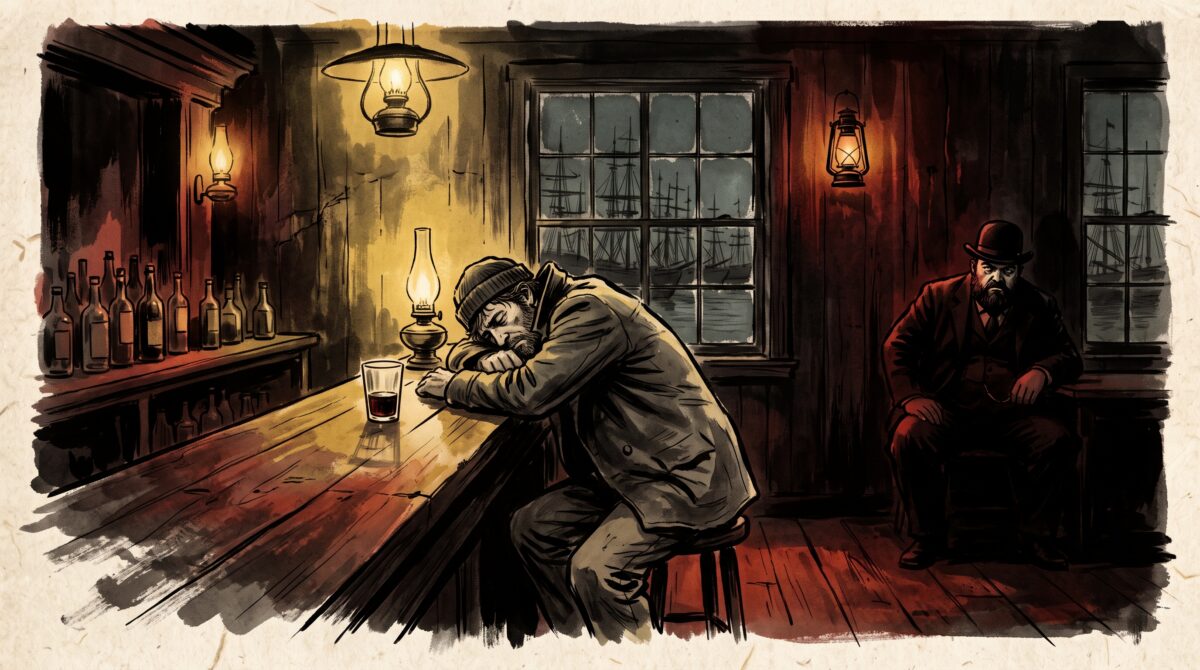
A man walks into a saloon on the San Francisco waterfront in the 1870s. He is a laborer, or a farmhand new to the city, or a sailor just paid off from a long voyage with money in his pocket and a thirst to match. The bartender is friendly. The first drink is cheap, or free. The second arrives before he has asked for it, and somewhere between the glass and his lips the room begins to tilt and go soft at the edges. When he wakes, the floor beneath him is moving. There is the smell of tar and salt, the groan of timbers, the slap of water against a hull. He is at sea, miles from land, on a ship whose name he does not know, bound for a port he has never heard of. On the crew list in the captain’s cabin, his signature is written in a hand that is not his own, and against it is a note that his first two months’ wages have already been paid out to the man who put him here.
He has been shanghaied. And he is one of tens of thousands.
A trade with a name
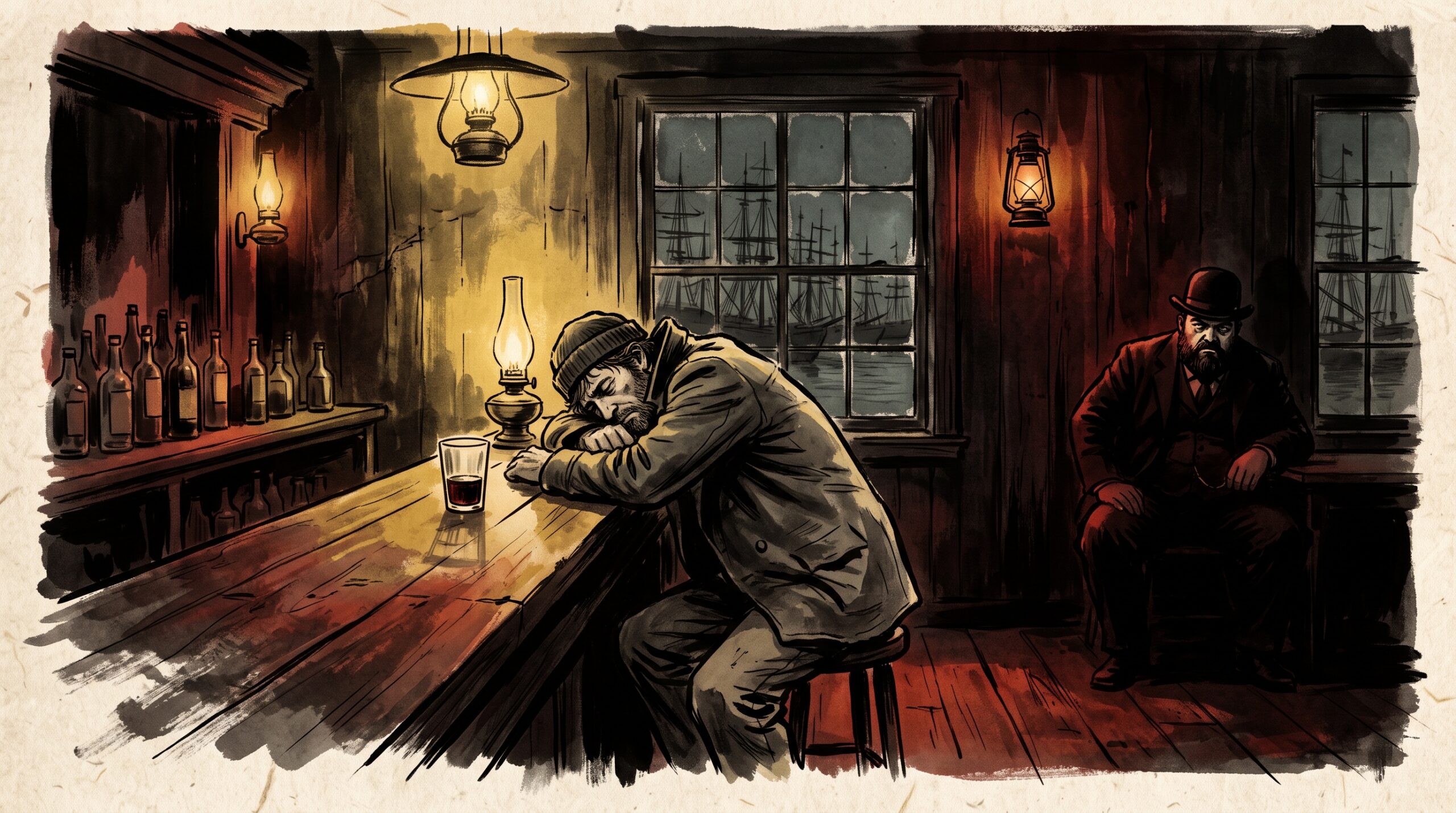
The word itself tells the story. To be “shanghaied” was to be carried off against your will to crew a ship on a long voyage, often to distant Asian ports such as Shanghai, so far that escape was impossible and return would take a year or more. It was not random violence. It was a business, organized, profitable and for a long time all but legal, built around a simple and brutal piece of economics: the great age of sail ran on human muscle, and that muscle was always in short supply.
Life aboard a nineteenth-century sailing ship was punishing beyond the imagination of most landsmen, a world of rotten food, savage discipline, drowning and disease that the survivors of wrecks like the whaleship Essex knew intimately. Few men would willingly sign aboard a notorious “hell ship,” and many who did deserted at the first port that offered something better. Captains arriving in a boomtown harbor routinely found their crews melting away overnight, lured ashore by higher wages or the gold fields. A ship could not sail without hands. So a captain short of crew would pay, and pay handsomely, to have his decks filled by morning, and he did not care how it was done.
The crimps
Into that gap stepped the crimps. A crimp, also called a boarding master, was a waterfront operator who supplied sailors to ships for a fee, and the respectable half of the trade looked almost like a legitimate labor agency. A crimp ran a boarding house, lent sailors money, fed and lodged them between voyages, and in return took a cut of their wages and a “blood money” bounty from the captain for every man delivered.
The trouble was that demand always outran the supply of willing men, and the crimps were not fussy about the difference between recruitment and abduction. The honest services shaded seamlessly into coercion. A sailor who owed his boarding master money could be hustled aboard a ship to work off the debt, his advance wages pocketed by the crimp. A stranger who simply drank in the wrong bar could be drugged with “knockout drops” of laudanum or chloral hydrate and handed over unconscious. Some crimps grew powerful and genuinely feared; in San Francisco’s Barbary Coast and along the waterfronts of Portland, Seattle and ports around the world, a handful of them controlled the local supply of labor so completely that captains had little choice but to deal with them.
The crews these men assembled were not always even alive. In the most infamous abuses, a crimp short of bodies would deliver a drunk passed out cold, or in rare and gruesome cases a corpse propped up to be signed for, collecting the bounty before the captain discovered what he had bought and the ship was already clearing the harbor.
Trap doors and tunnels
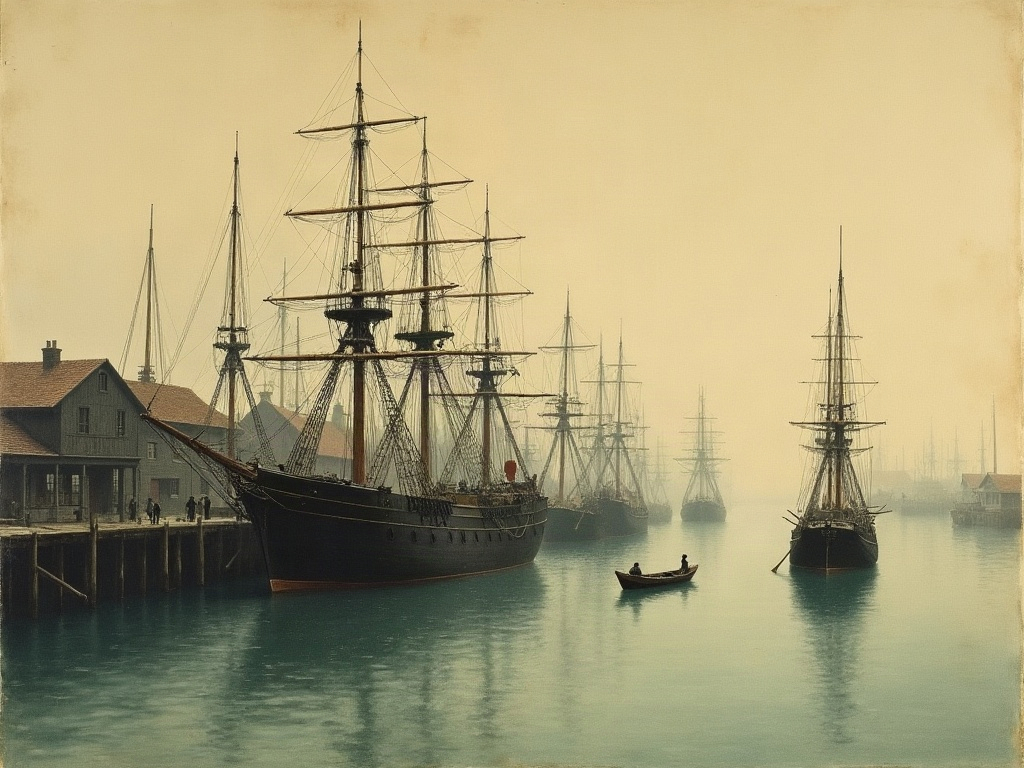
No city’s shanghaiing reputation looms larger than Portland, Oregon, whose “shanghai tunnels” still draw tourists today. The popular legend describes a hidden underground network beneath the old town, trap doors in saloon floors through which drugged men dropped into cellars, then passages running to the riverfront where bodies could be loaded onto ships without ever surfacing into daylight.
Historians argue about how much of the tunnel legend is literal truth and how much is a good story grown in the retelling. What is not in dispute is the reality the legend dramatizes: a genuine, thriving trade in kidnapped men, moving them from bar to berth with the connivance of corrupt officials and the silence of a city that profited from a busy port. Whether or not a given trap door ever dropped a victim into a tunnel, men in Portland and a dozen other ports really did vanish from saloons and wake up at sea. The forced seizure of human beings to be carried across an ocean against their will was not unique to the age of sail’s labor crisis; it echoes older seaborne terrors like the Barbary corsairs who carried off an entire Irish village into slavery.
Waking up at sea
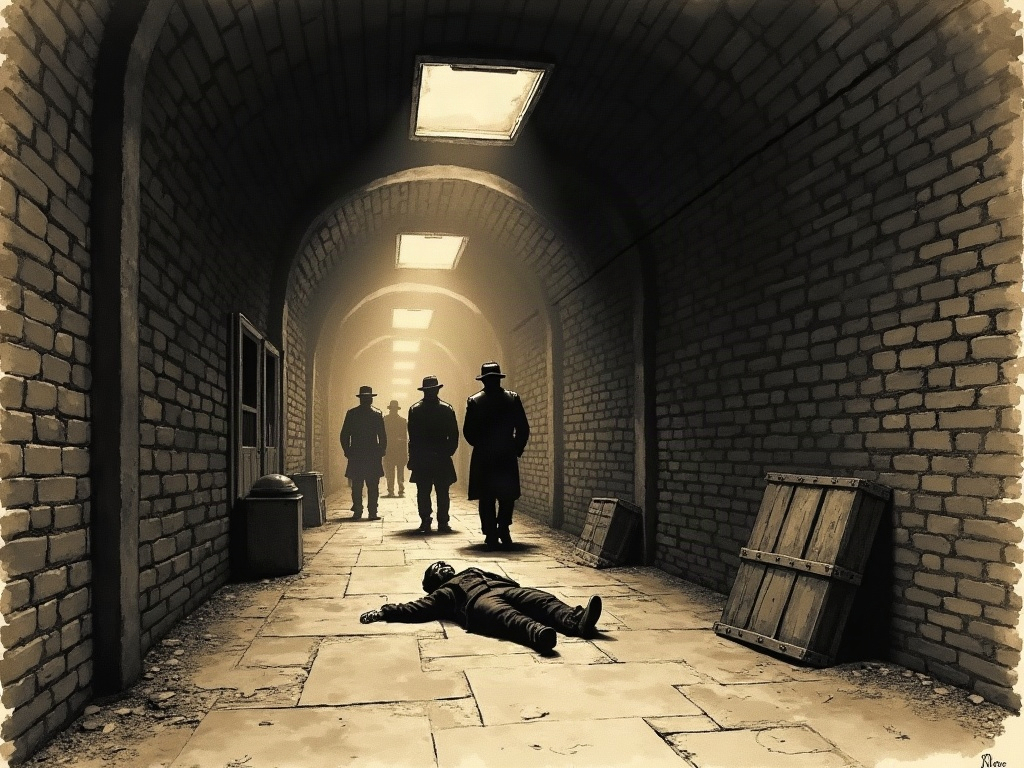
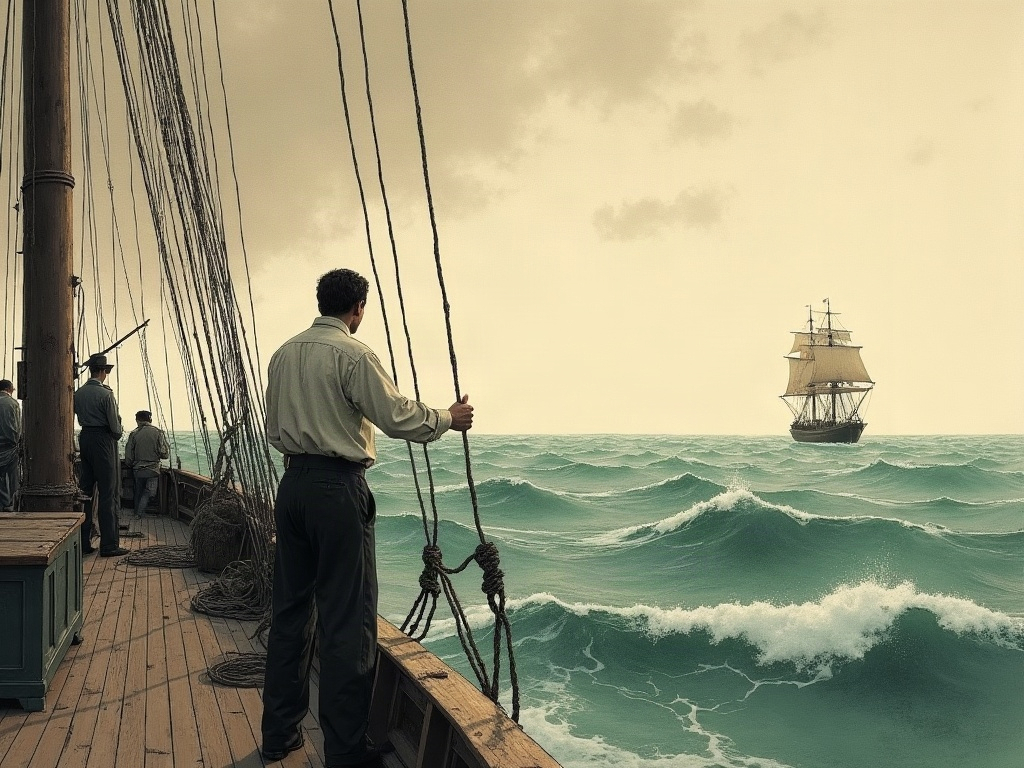
For the man himself, the horror was total and inescapable. He woke with a splitting head to find himself one of a crew of strangers, far out of sight of land, under officers who regarded his presence as entirely normal and his protests as mutiny. The ship’s articles bore his name. By the brutal logic of maritime law, he had “signed on,” and to refuse duty was a crime he could be flogged or jailed for. His only choices were to work or to be punished, and there was nowhere to run but the sea.
The voyage that followed might last a year or two. He would learn the ropes under the fists of the mates whether he wished to or not, and if he survived the passage, the weather and the hell-ship discipline, he would be put ashore at last in some distant port, penniless, his wages long since eaten by the crimp’s advance, thousands of miles from a home he had been stolen from in an afternoon. Many never got home at all.
The law catches up
What finally killed shanghaiing was not a sudden act of conscience but a slow convergence of forces. The spread of steam power reduced the enormous crews that sailing ships had demanded, draining the profit from the trade. Reformers, sailors’ unions and a handful of determined politicians pushed back against a system that treated free men as cargo.
The decisive blow in the United States came with the Seamen’s Act of 1915, championed by the union leader Andrew Furuseth and the progressive senator Robert La Follette. The law struck at the economic roots of crimping: it abolished imprisonment for the “crime” of desertion, so a sailor who left a bad ship was no longer a fugitive to be hunted down and forced back aboard, and it regulated the advance wages and allotments that had made selling a man so lucrative. Once a sailor could simply walk away from a ship without being jailed, and once the crimp could no longer collect a bounty for delivering him, the entire business model of shanghaiing collapsed.
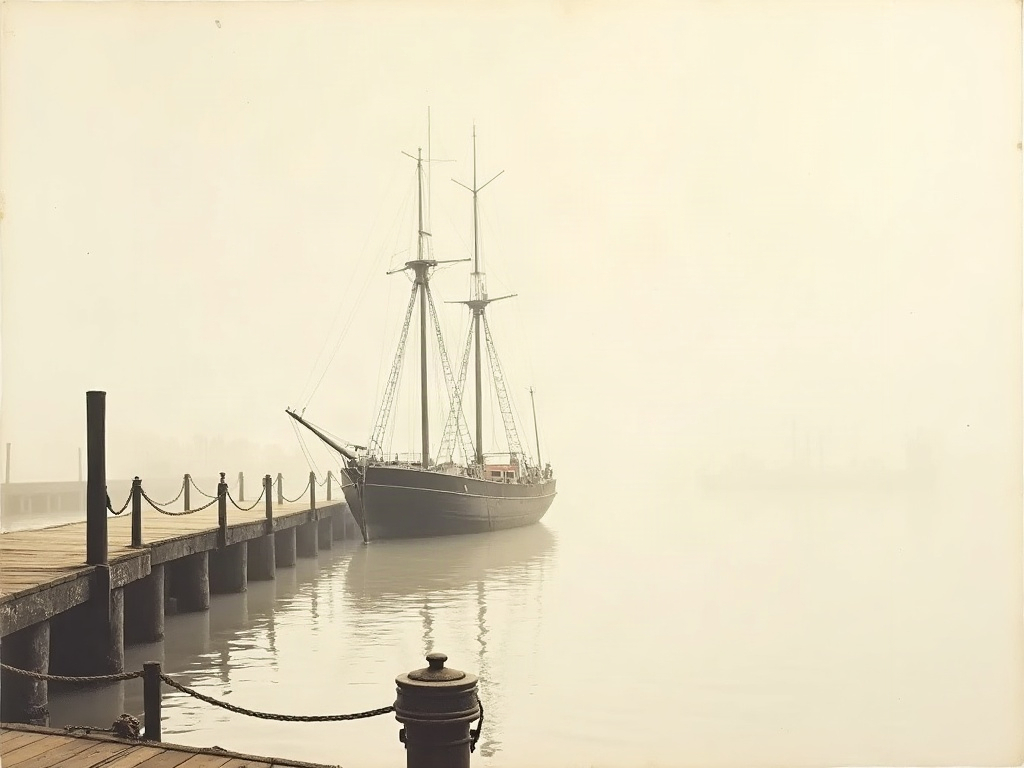
It is easy, looking back from a world of regulated labor and signed contracts, to treat shanghaiing as a piece of colorful waterfront folklore, all trap doors and knockout drops and tunnels under the city. But strip away the romance and what remains is plain: for the better part of a century, in the busiest ports of the modern world, men were drugged, beaten and sold to work ships against their will, and the law looked the other way because the ships had to sail. The trade ended not because people suddenly cared, but because steam, and unions, and a few stubborn lawmakers finally made a stolen man more trouble than he was worth. The next time the phrase turns up in an old sea song or a pirate story, it is worth remembering that it began as something very real, and that behind the word was always a particular human being, waking to the sound of water, realizing the shore was gone.
Sources & further reading:
- Shanghaiing and the crimping system (maritime labor history overview)
- The Seamen’s Act of 1915 and the end of forced maritime labor
Related Reading
- Ching Shih: The Pirate Queen Who Commanded a Fleet No Empire Could Beat
- The Batavia: Shipwreck, Mutiny, and the Bloodiest Massacre on Australia’s Shore
- The Night the Barbary Pirates Stole an Entire Irish Village