The Mary Celeste: The Ship Found Sailing Itself With No One Aboard

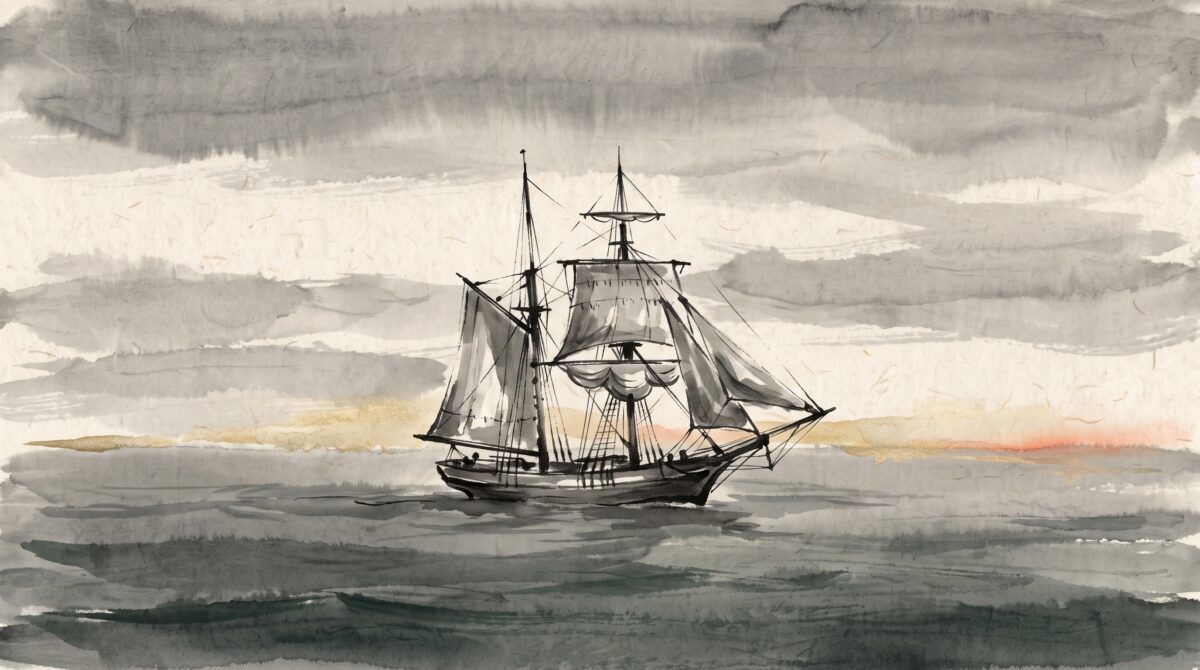
On the afternoon of December 5, 1872, the crew of a British ship called the Dei Gratia spotted a two-masted vessel behaving very strangely in the open Atlantic, roughly 400 miles east of the Azores. She was under sail, but she was yawing — drifting off course, her canvas set oddly, no one visibly working the deck. Captain David Morehouse watched her for two hours before deciding something was wrong, and sent a small boarding party across the swells to see who was aboard.
The answer was no one. Not a soul. The ship was the American brigantine Mary Celeste, and what her boarders found — and what they did not find — would turn her name into shorthand for the sea’s deepest riddle, a mystery that has resisted every confident solution for more than a century and a half.
A Sound Ship, Fully Manned
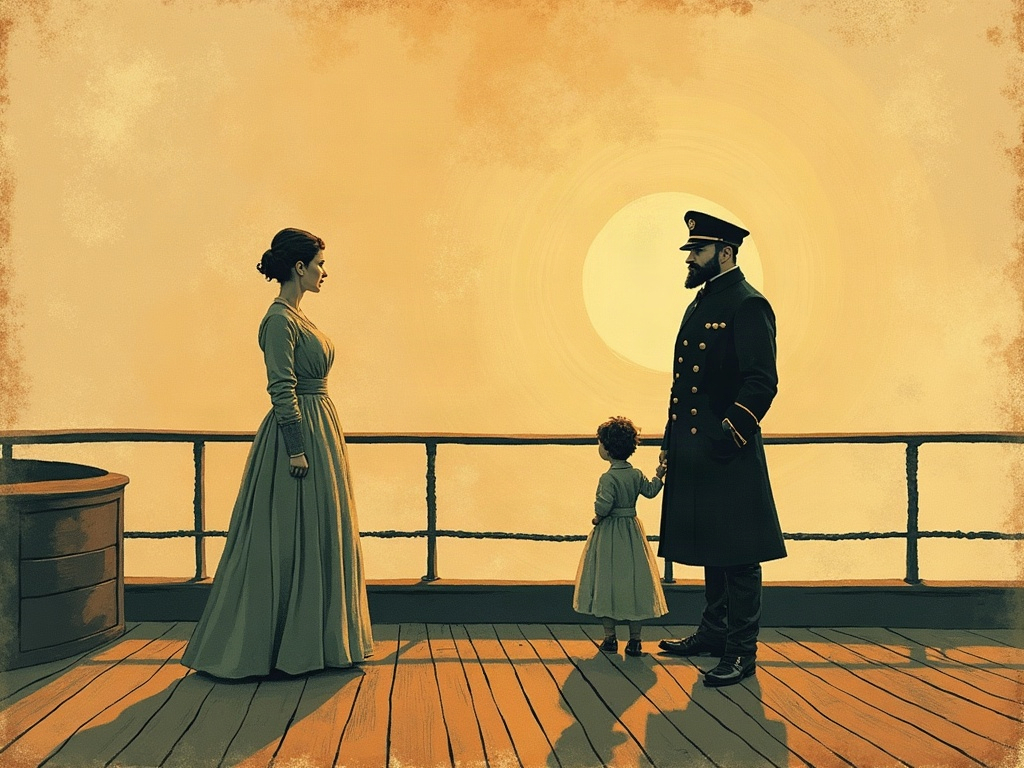
There was nothing doomed about the Mary Celeste when she left New York Harbor on November 7, 1872. She was a working merchant ship carrying 1,701 barrels of denatured industrial alcohol to Genoa, Italy. Her master was Benjamin Briggs, a devout, experienced, and widely respected captain who had brought along his wife, Sarah, and their two-year-old daughter, Sophia Matilda. Seven crewmen, chosen for their good character, rounded out the ship’s company — ten people in all.
Briggs was not a reckless man, and the Mary Celeste was not a leaky wreck. She was seaworthy and well-provisioned, stocked with roughly six months of food and fresh water. Everything about the voyage that autumn promised the ordinary: a hard but routine winter crossing to the Mediterranean, cargo delivered, families reunited on the other side.
The Boarding Party’s Report
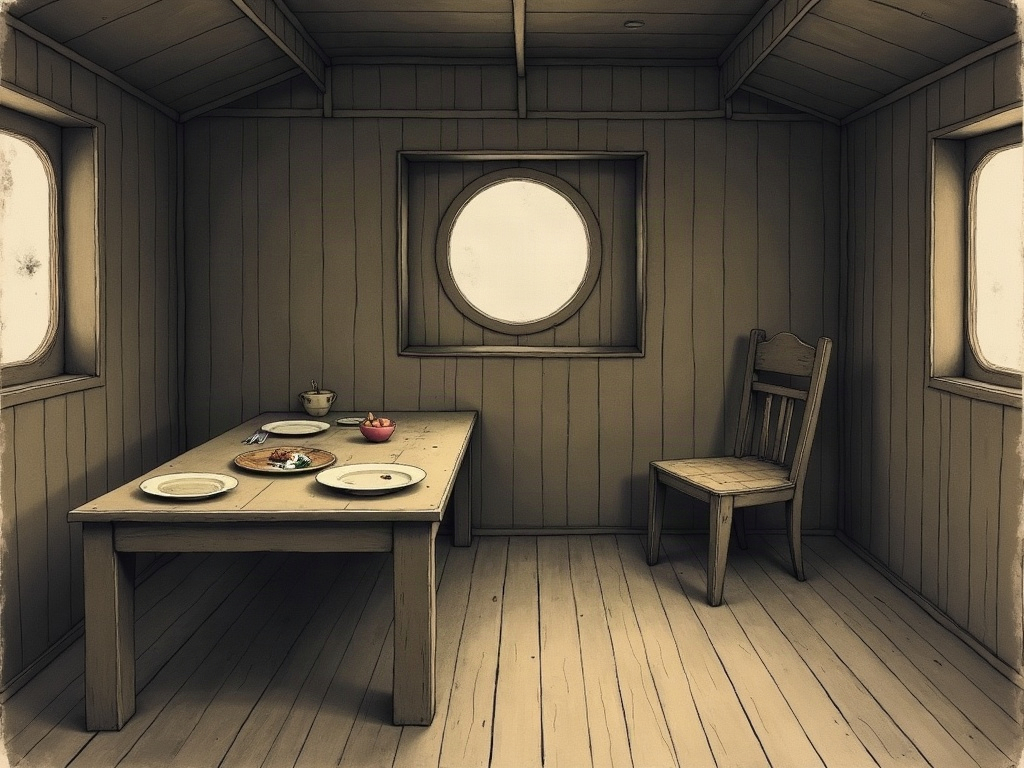
What the men from the Dei Gratia discovered was a ship in eerie good order. The cargo of alcohol was almost entirely intact. The provisions were untouched. The crew’s personal belongings — clothing, oilskins, even valuables and a sewing machine — were all in place. Below decks there were signs of an interrupted daily life, meals and possessions left as though everyone had simply stepped out for a moment and never come back.
But the details that mattered told a darker story. The ship’s single lifeboat, a small yawl, was gone, apparently launched deliberately. A length of rope was found trailing from the ship into the water. One of the two pumps had been disassembled. There was roughly three and a half feet of water sloshing in the hold — a lot, but nowhere near enough to sink her. And the last entry in the captain’s log was dated November 25, placing the ship near Santa Maria Island in the Azores. For at least nine or ten days after that, the Mary Celeste had sailed on alone, crewless, across hundreds of miles of ocean. The empty stillness aboard her recalls other places where people simply vanished without explanation, like the deserted lighthouse in the story of the hikers who fled a frozen mountain into the dark.
The Inquiry That Suspected Murder
The Dei Gratia‘s crew sailed the ghost ship to Gibraltar to claim salvage, and there the mystery collided with the law. The presiding investigator, an attorney general named Frederick Solly-Flood, was deeply suspicious. Ships did not simply empty themselves. He hunted for evidence of foul play — mutiny, piracy, a bloody plot, even an insurance conspiracy between the two captains. Stained marks on deck were examined as possible blood; a sword was found and scrutinized.
In the end, the investigation found nothing. There was no blood, no sign of violence, no proof of fraud, and no motive that held together. After months of suspicion, the salvagers were grudgingly paid a fraction of the ship’s value, and the official record closed with the fate of the ten aboard entirely unexplained. The sea had taken them and left not a single clue behind — a silence as complete as the one that swallowed the passengers of the Baltic’s lost champagne ship.
The Theories, and the One That Fits
Over the years the Mary Celeste has attracted every explanation imaginable, from the plausible to the absurd: pirates, giant squid, waterspouts, seaquakes, even the supernatural. Most collapse under scrutiny. Pirates would have taken the valuable cargo and belongings. A storm violent enough to sweep ten people overboard would have left far more damage.
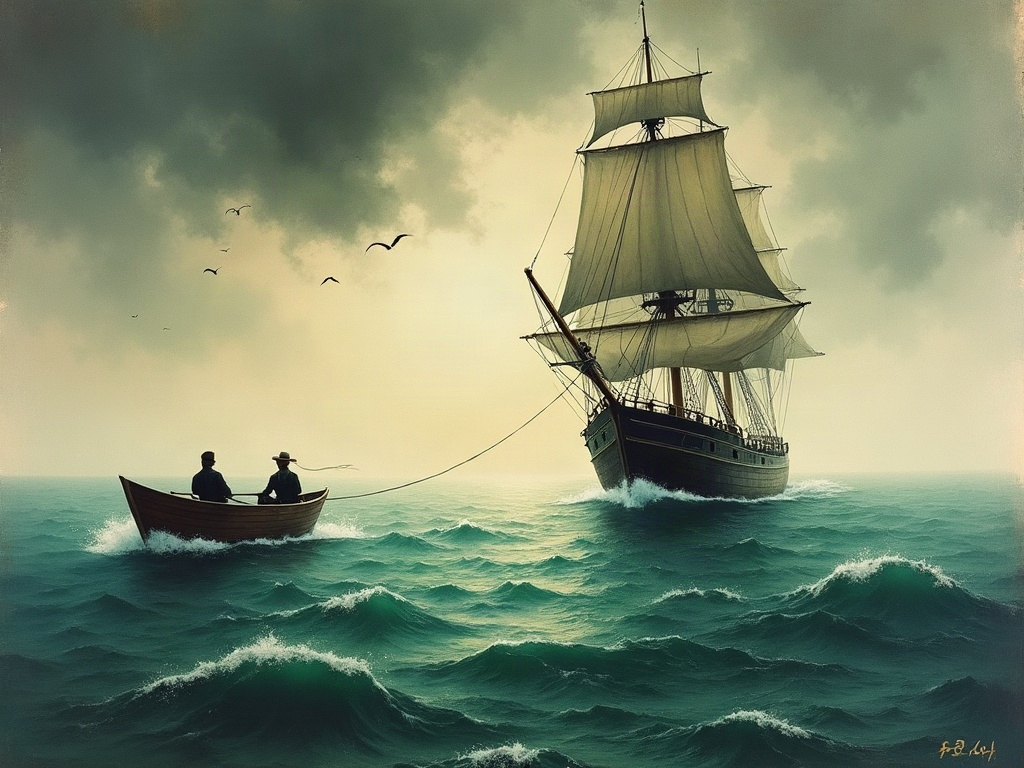
The theory that best fits the physical evidence is quieter and more human. The cargo was raw alcohol, and modern researchers note that nine of the barrels were later found empty, likely having leaked fumes into the hold. A sudden venting or a small, smokeless flash of vapor could have terrified Briggs into believing his ship was about to explode. With the pump possibly reading a frightening — but misleading — amount of water below, a cautious captain might have made a fatal, rational decision: order everyone into the yawl and stand off from the ship on a rope until the danger passed. If that towline then parted in the wind and swell, the Mary Celeste would have sailed away from her own people, leaving them in an open boat with no way to catch her. The ship survived. The ten souls in the little yawl did not.
How a Ship Became a Legend
The Mary Celeste might have faded into an obscure salvage case if not for a young writer named Arthur Conan Doyle. In 1884, before Sherlock Holmes made him famous, Doyle published a lurid short story loosely based on the incident, complete with invented survivors, a vengeful plot, and the slightly misspelled name “Marie Celeste.” It was fiction, but it fixed the ship in the public imagination, and the misspelling and the melodrama both stuck. Ever since, “the Mary Celeste” has meant any place mysteriously and completely deserted.
The real ship’s afterlife was grimly ordinary. She changed hands repeatedly, sailed under a cloud of bad luck, and in 1885 was deliberately wrecked off the coast of Haiti in a clumsy insurance scam — an inglorious end for the most famous ghost ship in history.
Why It Still Haunts Us
We remember the Mary Celeste not because of what happened aboard her, but because of what we can never know. A shipwreck we can grieve; a battle we can mourn, the way we do the men lost aboard America’s worst maritime disaster. But an empty ship, sailing on with a meal on the table and no explanation at all, offers no ending — only a locked door with the light left on. Ten people, including a mother and her small child, walked off the edge of the record on an ordinary autumn crossing, and the ocean has kept its silence for a hundred and fifty years.
That is the particular power of this story. It reminds us that even in an age of logbooks and inquiries and careful men who did everything right, the sea can still swallow a whole small world of people and leave us nothing but the shape of the question. Somewhere in the cold Atlantic, the answer drifted away in a little wooden boat — and it has never come back to shore.
Sources & further reading:
- Mary Celeste – Wikipedia
- The True Story of the Mary Celeste – Smithsonian Magazine
- Mary Celeste – Encyclopaedia Britannica
Related Reading
- Miss Unsinkable: The Stewardess Who Walked Away From the Titanic, the Britannic, and the Sea Itself
- The Flannan Isles Mystery: The Night Three Lighthouse Keepers Vanished
- 133 Days at Sea: The Sailor Who Refused to Die on a Wooden Raft