The Affair of the Poisons: The Murder Scandal That Reached the Court of the Sun King

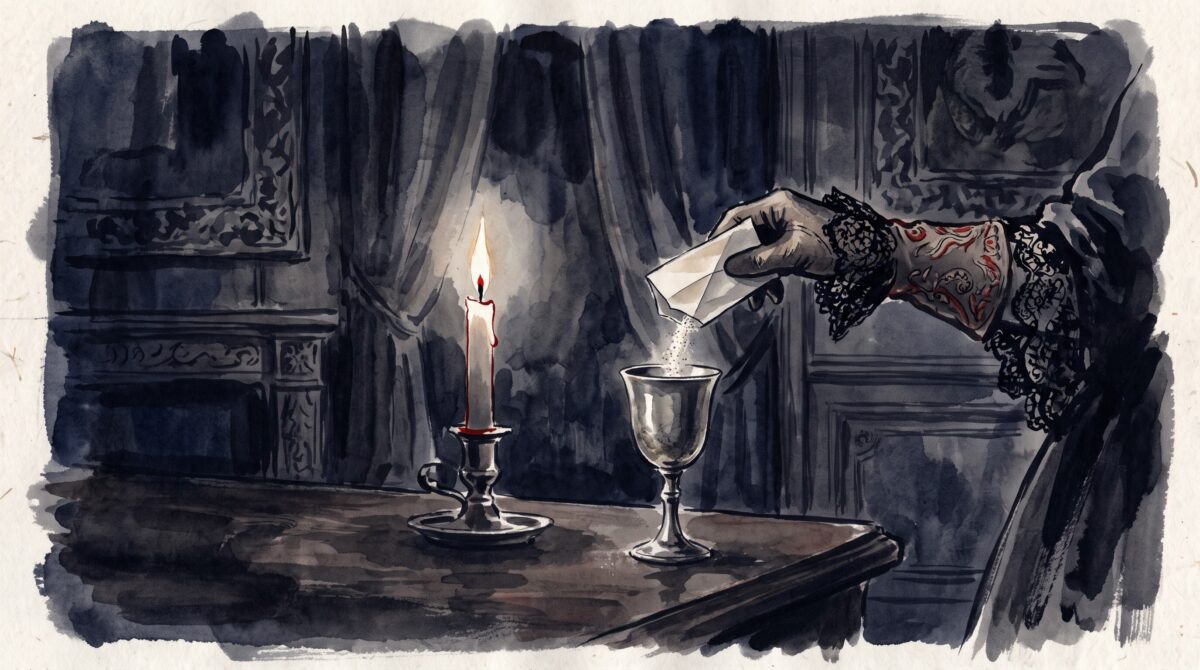
In the France of Louis XIV, the Sun King, the court at Versailles was the most dazzling stage in Europe — a world of silk and mirrors, of fortunes made with a royal smile and lost with a frown. And beneath that glittering surface, in the candlelit back rooms of Paris, ran a second economy that no one spoke of aloud: an underworld of fortune-tellers and sorceresses who, for the right price, would sell you a love charm, a horoscope, a potion to be rid of an unwanted child — or a quiet powder to be rid of an unwanted husband. For a few years at the end of the 1670s, those two worlds collided in a scandal so vast and so poisonous that the King himself finally ordered it buried. History remembers it as the Affair of the Poisons.
A death that would not stay quiet
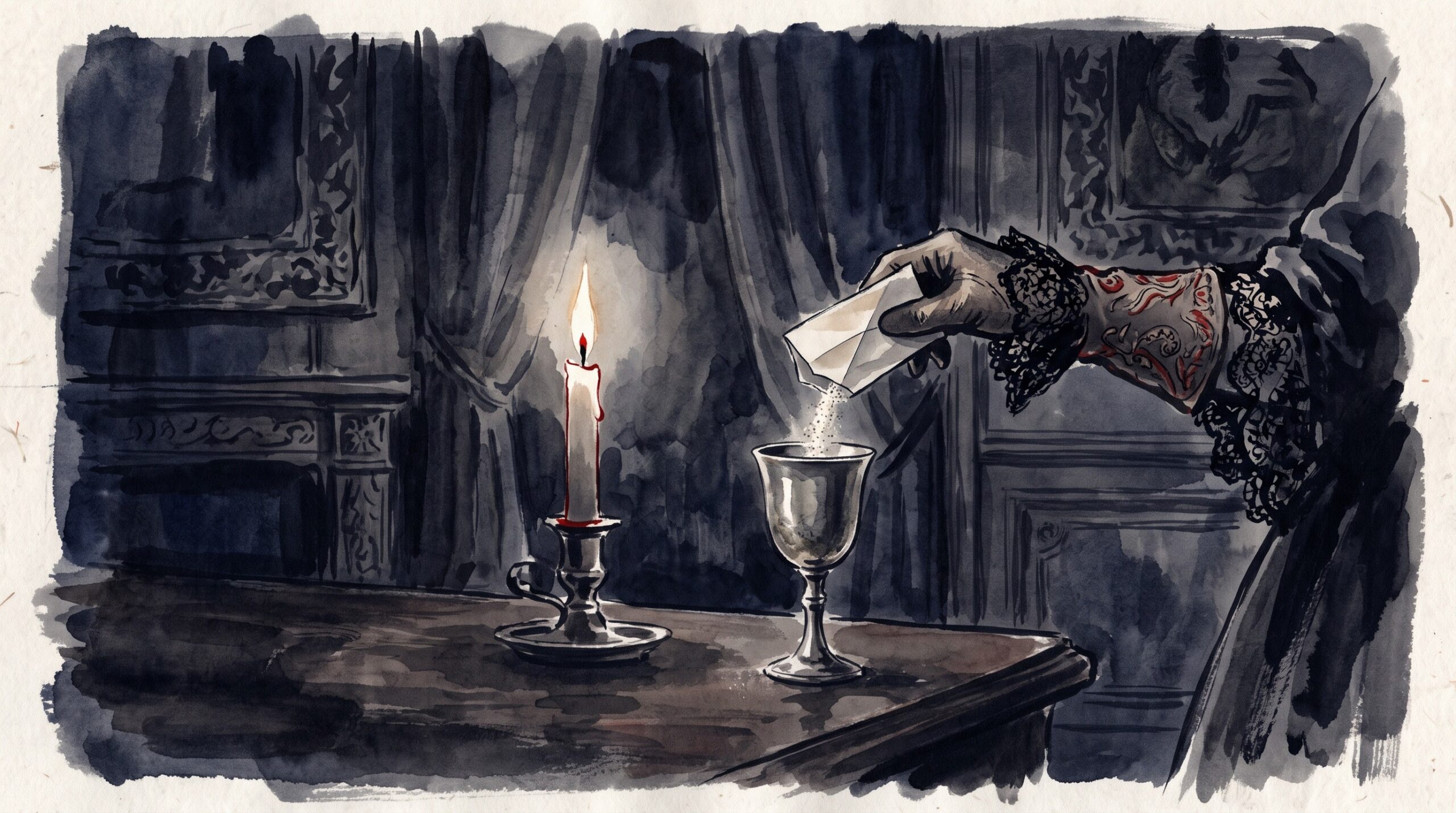
It began, as such things often do, with a single crime that refused to remain hidden. In 1676 the Marquise de Brinvilliers, a well-born Parisian noblewoman, was beheaded and her body burned for a string of murders that had horrified the city. She had, it emerged, methodically poisoned her own father and two brothers to seize the family inheritance, reportedly testing her concoctions on patients in the public hospitals first to be sure of their effect. Her calm, remorseless confession suggested she was not some lone monster but a customer — that somewhere in Paris there was a trade supplying people like her with the means to murder.
That suspicion reached Gabriel Nicolas de La Reynie, the formidable Lieutenant General of Police whom Louis XIV had appointed to bring order to the capital. As his agents pulled on the thread, it did not snap — it unspooled. Loose talk in the salons of a fashionable poison, whispers of society women buying ‘inheritance powders’ to hurry along a death, led him to a network of fortune-tellers and alchemists operating in the shadow of the grandest houses in France. What had begun as a murder inquiry was turning into something far larger and far harder to contain.
The sorceress of the rue Beauregard
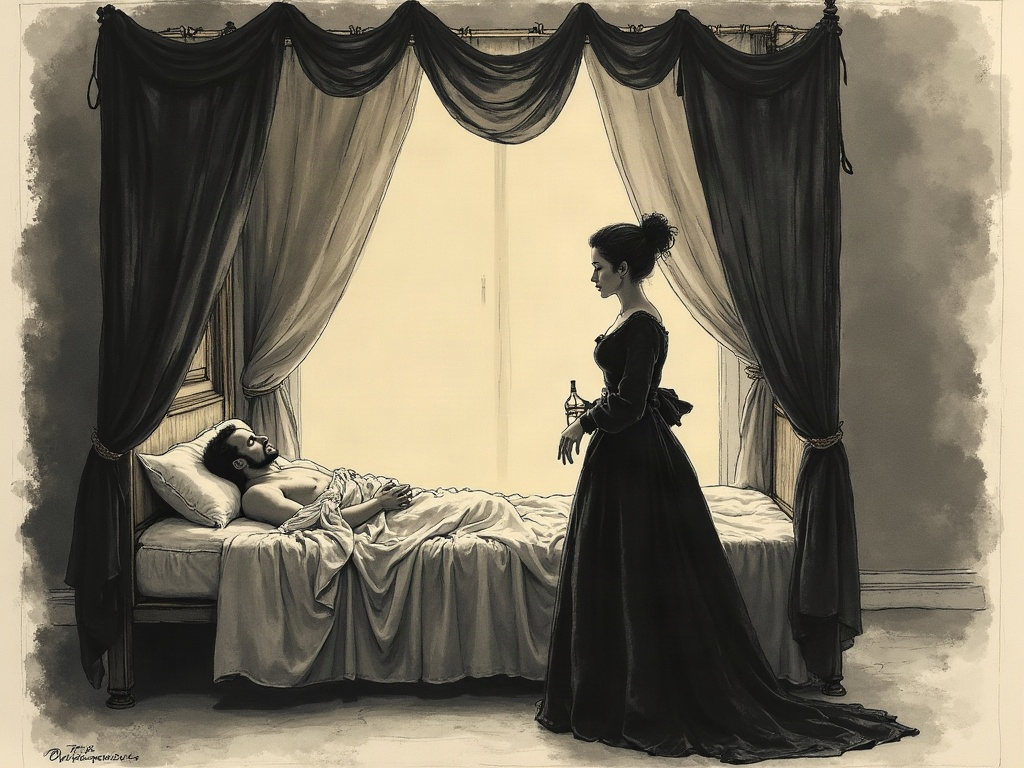
At the dark heart of the network stood a woman named Catherine Monvoisin, known to everyone as La Voisin. To her clients she was a fortune-teller and a midwife, a reader of palms and faces who could promise a suitor’s love or a rival’s ruin. In truth she ran a thriving business in the things respectable Paris needed but could not ask for openly: aphrodisiacs and love charms, abortions, and — for her most desperate or most ruthless customers — poisons dressed up in the harmless language of powders and remedies. She grew wealthy on it, dressing in embroidered robes and keeping a fine house, her clientele reaching into the aristocracy itself.
Worse still, the investigation uncovered talk of black masses — blasphemous rites, allegedly performed by a renegade priest, in which the ceremonies of the Church were twisted toward sorcery and, in the most lurid testimony, the sacrifice of infants. How much of this was real and how much was extracted under the threat and reality of torture is a question that has never been fully answered. But the confessions poured in, and each named more names, and the names were climbing steadily up the social ladder. The whole affair had the feverish, self-feeding quality of a witch panic — and like the strange crazes that could seize an entire capital, it fed on fear faster than anyone could check the facts.
The Burning Chamber
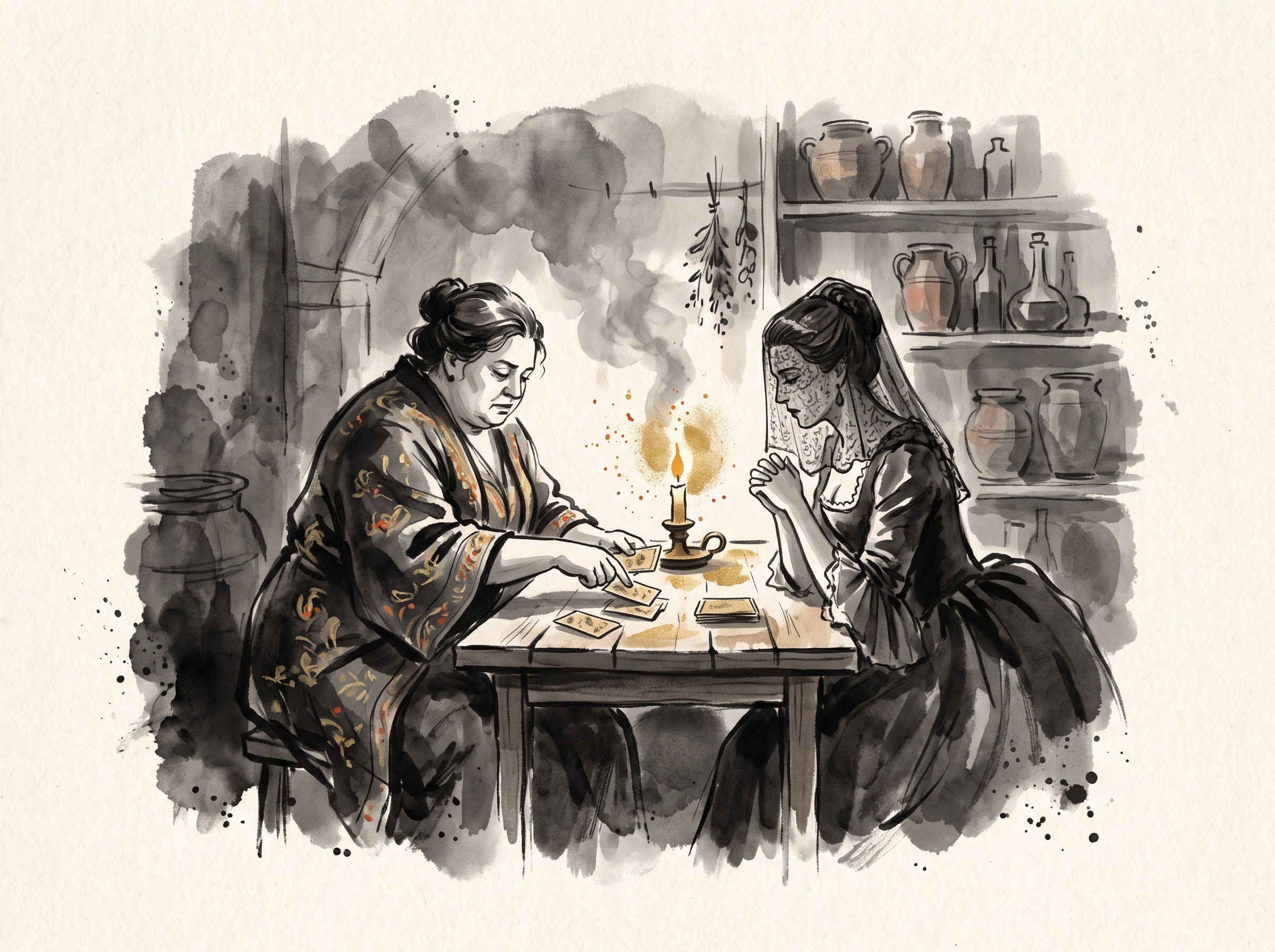
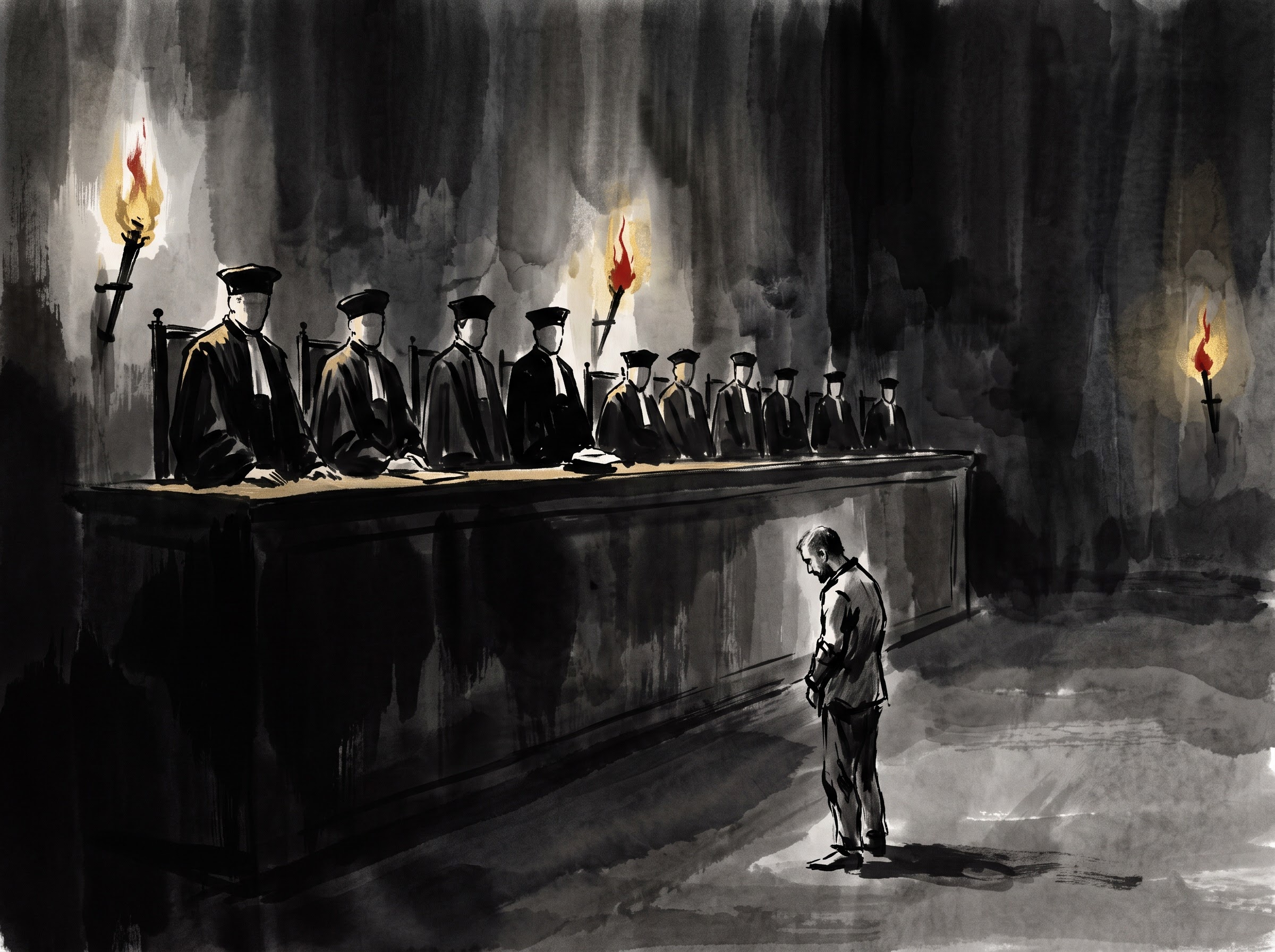
The scandal had grown too dangerous for the ordinary courts. In 1679 Louis XIV established a special tribunal to try the accused in secret, away from the public and the Parlement of Paris. It met in a room draped in black and lit by torches, and from that it took its grim nickname: the Chambre Ardente, the ‘Burning Chamber.’ Over roughly three years it would examine hundreds of suspects and order dozens of arrests, reaching through every rank of Parisian society.
The reckoning was brutal. Around thirty-six people were condemned to death, and others were whipped, banished, or sent to rot in prison. La Voisin herself, after months of interrogation, was burned alive at the stake in a Paris square in February 1680, going to her death, witnesses said, cursing and unrepentant. A whole shadow-trade had been dragged into the light and set ablaze. Had the affair ended there, it would already rank among the strangest criminal episodes of the age. But La Voisin’s own daughter and associates were still talking — and the next names they gave were the ones the King could not afford to hear.
The name that could not be spoken
The testimony now pointed, unbelievably, at the very summit of the court: at Madame de Montespan, the King’s own official mistress and the mother of several of his children. According to the confessions, she had for years been a customer of La Voisin — buying love potions and aphrodisiacs to be slipped into the King’s food to secure his affection, taking part in blasphemous black masses to keep her hold over him, and, when a younger rival threatened to displace her, allegedly seeking poison to remove the competition and even, in the most extreme claims, to kill the King himself if he abandoned her.
Whether any of it was true remains one of history’s great unanswerable questions. The accusations came from the mouths of condemned criminals, many under torture, who had every reason to inflate their tales and name the powerful. No proof against Montespan was ever established in open court. But for Louis XIV, the mere suggestion was catastrophe. His most celebrated mistress, the woman at the center of his private life, named in the same breath as poisoners and child-killers — it was a truth the monarchy could not survive having examined in public. A woman reaching for lethal remedies to defend her place beside a powerful man is a pattern the centuries know well, from the Sun King’s court all the way back to figures like the widowed rulers who turned cunning and cruelty into instruments of power.
The truth the King chose to burn
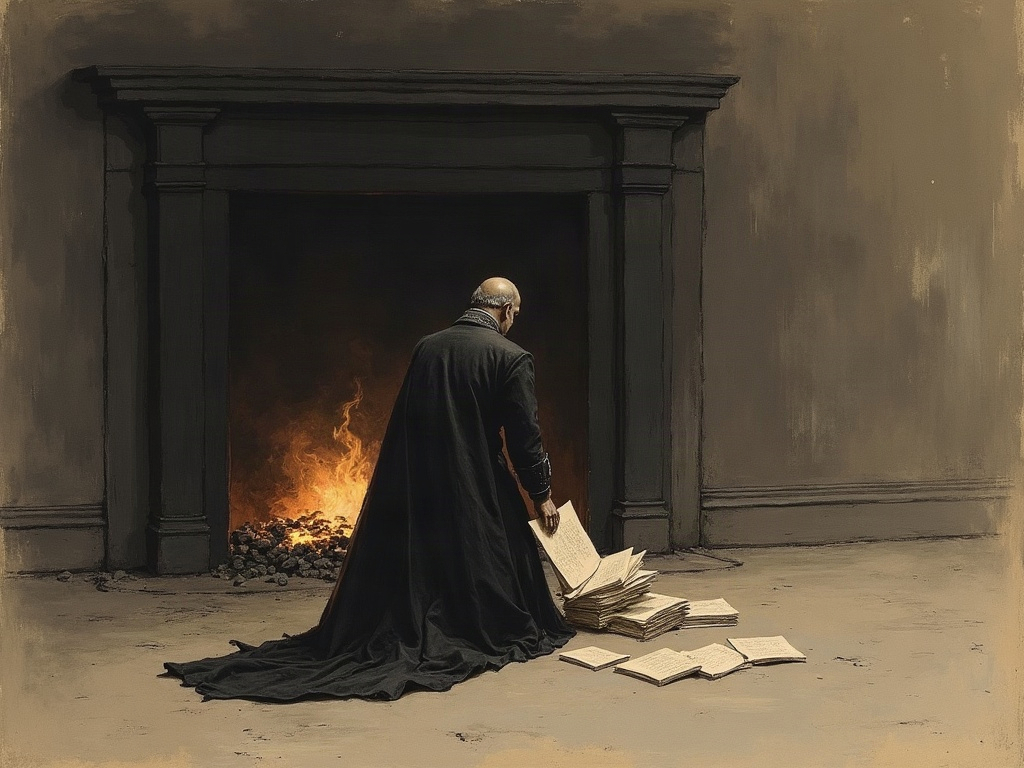
So Louis XIV did what absolute monarchs could do: he stopped the machine. He suspended the proceedings of the Chambre Ardente where they threatened Montespan, and dealt with the most dangerous witnesses not through trials that might produce testimony, but through lettres de cachet — royal orders that allowed suspects to be shut away in distant fortresses, without charge and without end, their mouths sealed by stone walls. Montespan was never arrested, never tried; she quietly lost the King’s favor over the following years and eventually withdrew from court, but the accusation was never tested and never proven. Years later, Louis is said to have personally burned the surviving records of the affair, determined that no future age should read what his police had uncovered.
And so the Affair of the Poisons comes down to us as a story only half-told — deliberately. We know the glittering court and the candlelit cellars, the inheritance powders and the Burning Chamber, La Voisin at the stake and the whispered name that silenced everything. What we will never fully know is how much was real murder and how much was the hysteria of a panic feeding on torture and fear. That uncertainty is itself the point. The most powerful man in Europe could command armies, build Versailles, and make or break the greatest families in France — but faced with a truth that touched his own bedchamber, even the Sun King decided that some things are safer never known, and fed them to the fire.
Sources & further reading:
Related Reading
- Mithridates VI: The King Who Drank Poison Every Day to Become Unkillable
- The Poison Squad: The Government Clerks Who Ate Poison for Breakfast to Make Food Safe
- Julie d’Aubigny: The Sword-Fighting Opera Star Who Burned Down a Convent for Love