Mithridates VI: The King Who Drank Poison Every Day to Become Unkillable


Somewhere in the hills of Pontus, on the far shore of the Black Sea, a young prince made a decision that would define his entire life. He would turn his own body into a fortress. Not with armor or walls, but with poison — swallowed in tiny, daily, carefully measured doses until the thing meant to kill him could no longer touch him.
His name was Mithridates VI, and he would become one of the most feared enemies Rome ever faced. But the strangest part of his story is not the wars. It is the slow, deliberate, decades-long experiment he performed on himself.

A childhood built on fear
Mithridates was born around 135 BC into a court where murder was a political tool. His father, the king, was poisoned at a banquet. The boy understood the lesson immediately: the people closest to a throne are the ones most likely to kill you, and the favorite method was not the blade but the cup.
According to the ancient accounts, his own mother favored his younger brother and may have wanted him dead. So the teenage heir did something extraordinary. He vanished. For years he reportedly lived rough in the wilderness, hunting, sleeping in the open, hardening himself — and learning everything he could about the one weapon he feared most.

The daily dose
When Mithridates returned to claim his kingdom, he brought a private obsession with him. He began taking poisons on purpose. The idea, which later physicians would call mithridatism, was simple and terrifying: swallow a dose too small to kill, let the body adapt, then slowly increase it. Do this for years and you might survive a dose that would drop an ordinary man where he stood.
He did not stop at a single poison. He is said to have worked through venoms, toxic plants, and mineral poisons, testing them — grimly — on condemned prisoners to learn their effects and their cures. From all of this he claimed to have built a universal antidote, the mithridatium, a compound of dozens of ingredients meant to guard against any poison at all.
The antidote that outlived him
We have no reliable recipe, and modern toxicology is skeptical that any single mixture could do what he claimed. But the legend was so powerful that his antidote became a brand. For more than a thousand years after his death, apothecaries across Europe sold elaborate potions called mithridate and theriac, stuffed with dozens of exotic ingredients, promising protection against plague and poison alike. A paranoid king on the Black Sea had accidentally founded one of history’s longest-running medical fads.

Rome’s most stubborn enemy
None of this was a hobby for a quiet man. Mithridates was ambitious, charismatic, and ruthless. He expanded his kingdom around the Black Sea and set himself up as the champion of the Greek East against the growing power of Rome. In 88 BC he orchestrated one of the most chilling acts of his career: a coordinated massacre of tens of thousands of Romans and Italians living across the province of Asia, carried out in a single, pre-arranged strike.
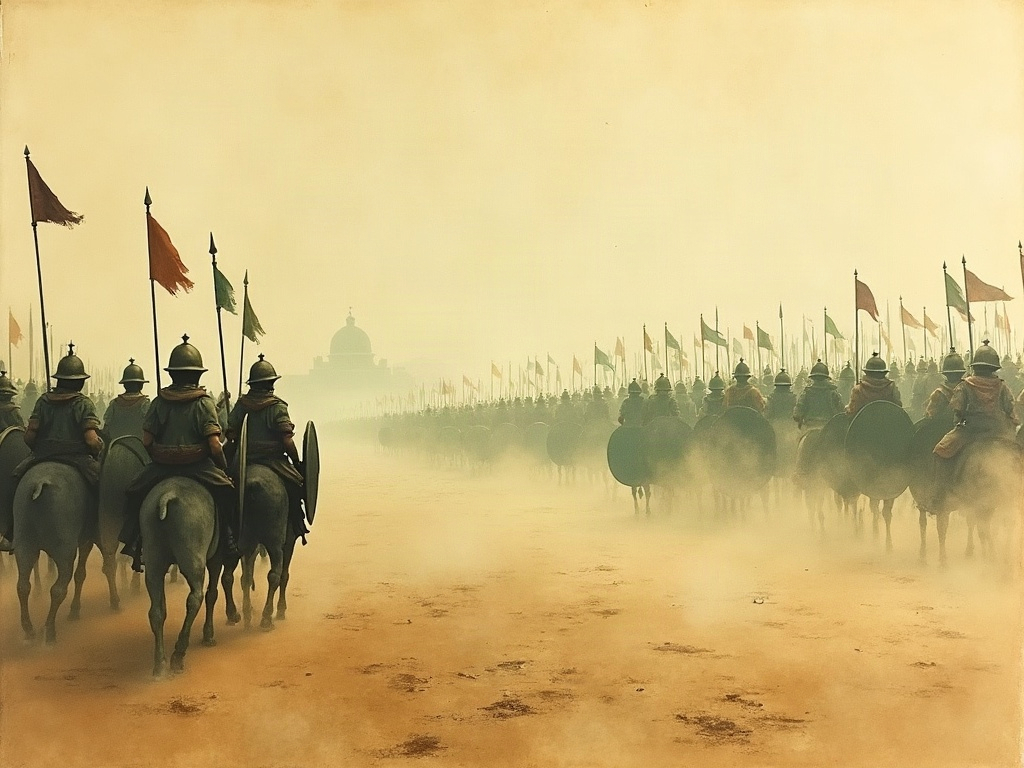
What followed was decades of war. Rome sent its greatest generals against him — Sulla, then Lucullus, finally Pompey. Mithridates lost armies, lost territory, and kept coming back. He fled, regrouped, allied with pirates and rival kings, and simply refused to stay beaten. For a man Rome desperately wanted dead, he was remarkably hard to finish.
When poison refused to work
In the end it was not Rome that cornered him, but his own family. His son Pharnaces led a revolt, and the aging king found himself trapped in a fortress with his cause collapsing around him. Rather than be paraded through Rome in a triumph, Mithridates chose the exit he had prepared for his whole life. He took poison.
And nothing happened.
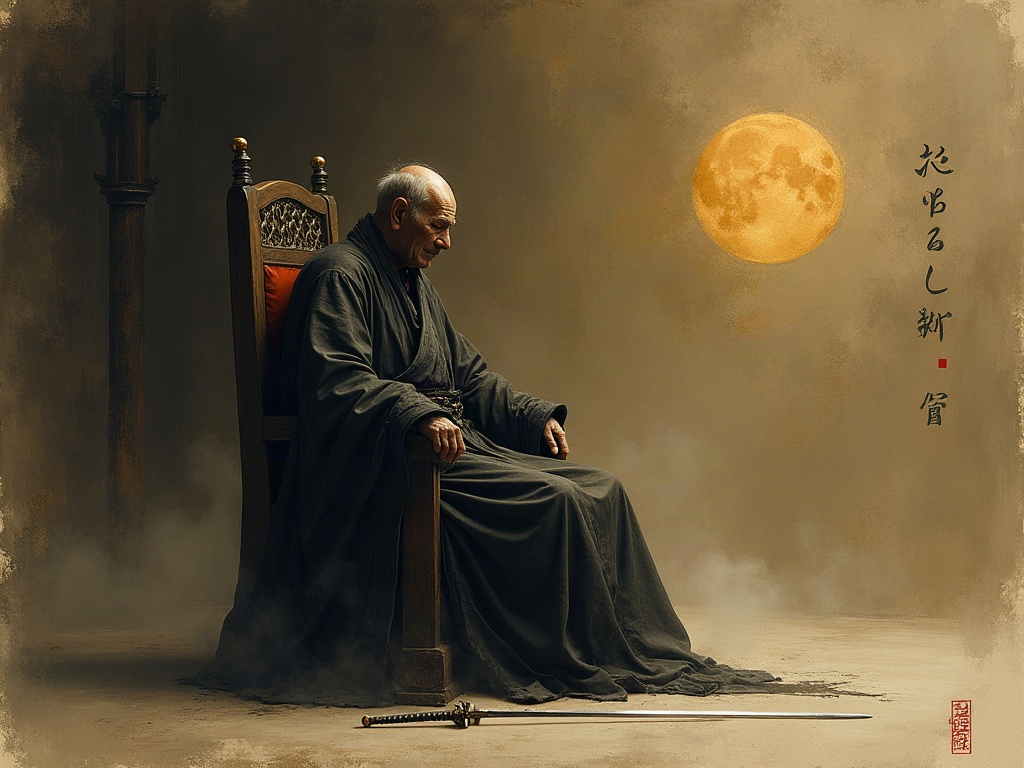
The decades of daily dosing had done exactly what he intended. His body had become so resistant that the poison, the very thing he had mastered to protect himself, now betrayed him by failing to kill him. The ancient sources say he had to turn to a soldier — some accounts name an officer called Bituitus — and order the man to run him through with a sword. The poison king died by the blade after all.
Why the story still lands
It is easy to read Mithridates as a curiosity, the eccentric who ate poison for breakfast. But there is something painfully human underneath the legend. Here was a man so shaped by fear and betrayal that he spent his life defending against a single way of dying — and succeeded so completely that, when he finally wanted that death, it was denied to him.
He is remembered partly for his wars and partly for a fad medicine that bore his name for a millennium. But the image that endures is quieter: a king alone with a cup, building a defense so perfect it became its own kind of trap. Sometimes the thing we spend a lifetime guarding against is not the thing that comes for us in the end.
Related Reading
More from the archive
- The Doctor Who Discovered Clean Hands and Was Destroyed for It: Ignaz Semmelweis
- The Poison Squad: The Government Clerks Who Ate Poison for Breakfast to Make Food Safe