The Berners Street Hoax: How One Man Brought London to a Standstill With a Pile of Letters

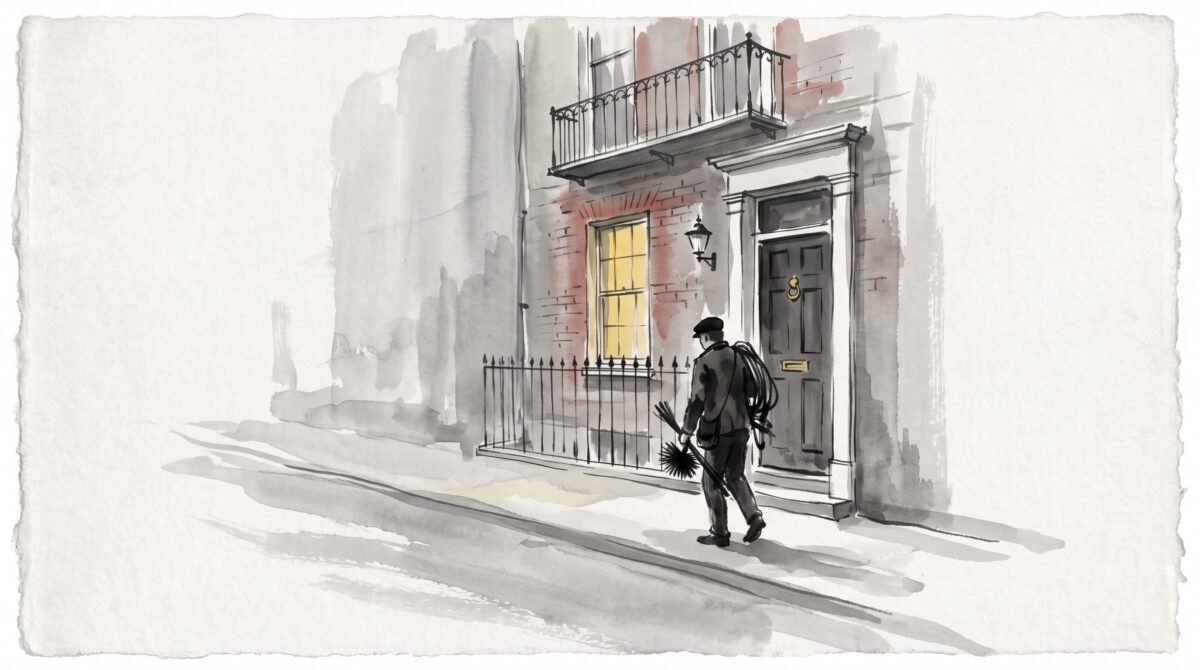
On the morning of 27 November 1810, the most ordinary house on a quiet London street became, for a single unforgettable day, the busiest address in all of Britain. The door of 54 Berners Street, in the respectable district of Marylebone, was knocked upon again and again and again — by chimney sweeps and coal merchants, by pastry cooks carrying wedding cakes, by doctors and lawyers and clergymen, by piano movers and fishmongers and undertakers, and at last by some of the most powerful men in the kingdom. None of them had been invited by the woman who lived there. All of them had been summoned by one bored young man with a sharp pen and a wicked sense of humour — and a bet to win.
A wager on the street corner
The house belonged to a widow named Mrs Tottenham, a quiet and entirely blameless woman who had done nothing to earn what was about to happen to her. Her only misfortune was to live on the street where a young man named Theodore Hook happened to be passing one day with a friend.
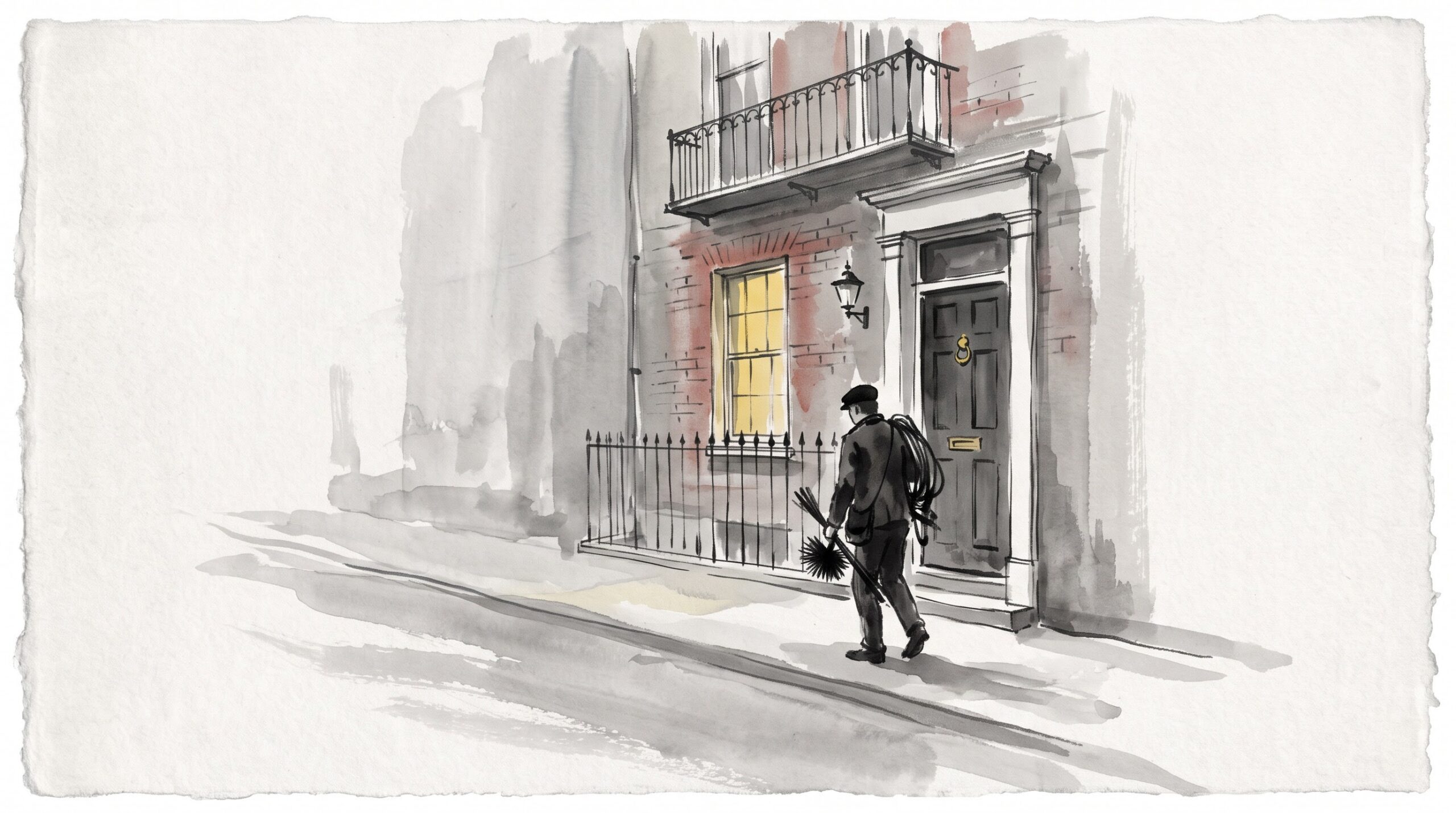
Hook was in his early twenties, already famous in London society as a wit, a brilliant improviser at the piano, and an incorrigible practical joker. As the story goes, he and his companion — often named as the stage designer Samuel Beazley — were walking down Berners Street when Hook stopped, looked at the plain front of Mrs Tottenham’s house, and made an extraordinary boast. He wagered that within a week he could make that unremarkable house the single most talked-about address in the whole of London. His friend took the bet. It was, in the end, one of the most reckless wagers anyone ever won.
Weeks of forgery
Winning it required patience and an almost industrial capacity for mischief. Over the following weeks, Hook sat down and wrote letters — a staggering number of them, by some accounts as many as four thousand. Each was composed in the name of Mrs Tottenham, and each made a polite, urgent, and completely fraudulent request. A letter to a coal merchant ordered wagons of coal. A letter to a confectioner ordered an elaborate cake. Letters went to chimney sweeps, to doctors and surgeons, to solicitors, to clergymen, to wig-makers and bootmakers and fishmongers and furniture dealers and piano manufacturers and undertakers. Every single one specified the same destination and the same date and time: 54 Berners Street, on the morning of 27 November.
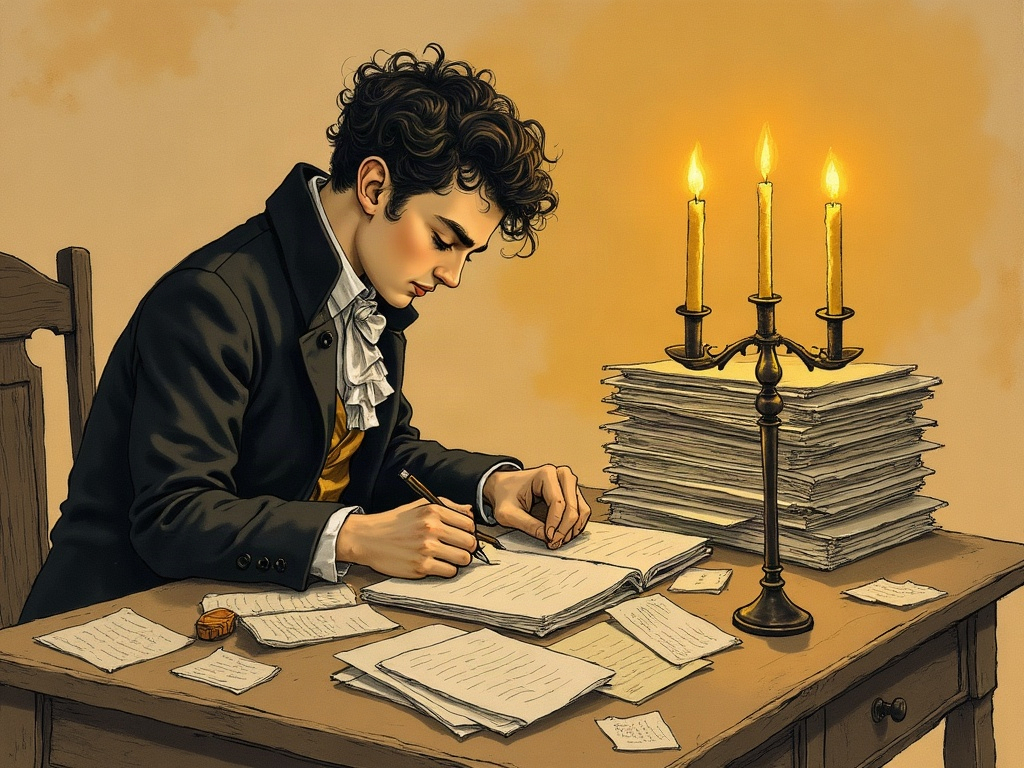
It was a hoax built not on a single clever trick but on sheer relentless accumulation — the patient layering of hundreds of small deceptions until they combined into something enormous. In its audacity it belongs beside the most celebrated impostures in British history, like the gang of friends who painted their faces, wrapped themselves in robes, and talked their way aboard a battleship in the Dreadnought Hoax, when Virginia Woolf and her friends fooled the Royal Navy. But where that was a single afternoon’s performance, Hook’s masterpiece was a slow-motion avalanche, prepared in secret and timed to fall all at once.
The avalanche arrives
It began before dawn. The first caller, around five o’clock in the morning, was a chimney sweep, arriving promptly to clean a chimney that did not need cleaning. Mrs Tottenham’s servants turned him away, baffled. Then came another sweep. Then another. Then the coal wagons began to rumble up, their drivers insisting that a large order had been placed. Behind them came carts loaded with furniture, then a cart bearing a wedding cake, then more cakes, then a succession of deliverymen with goods no one in the house had ordered.
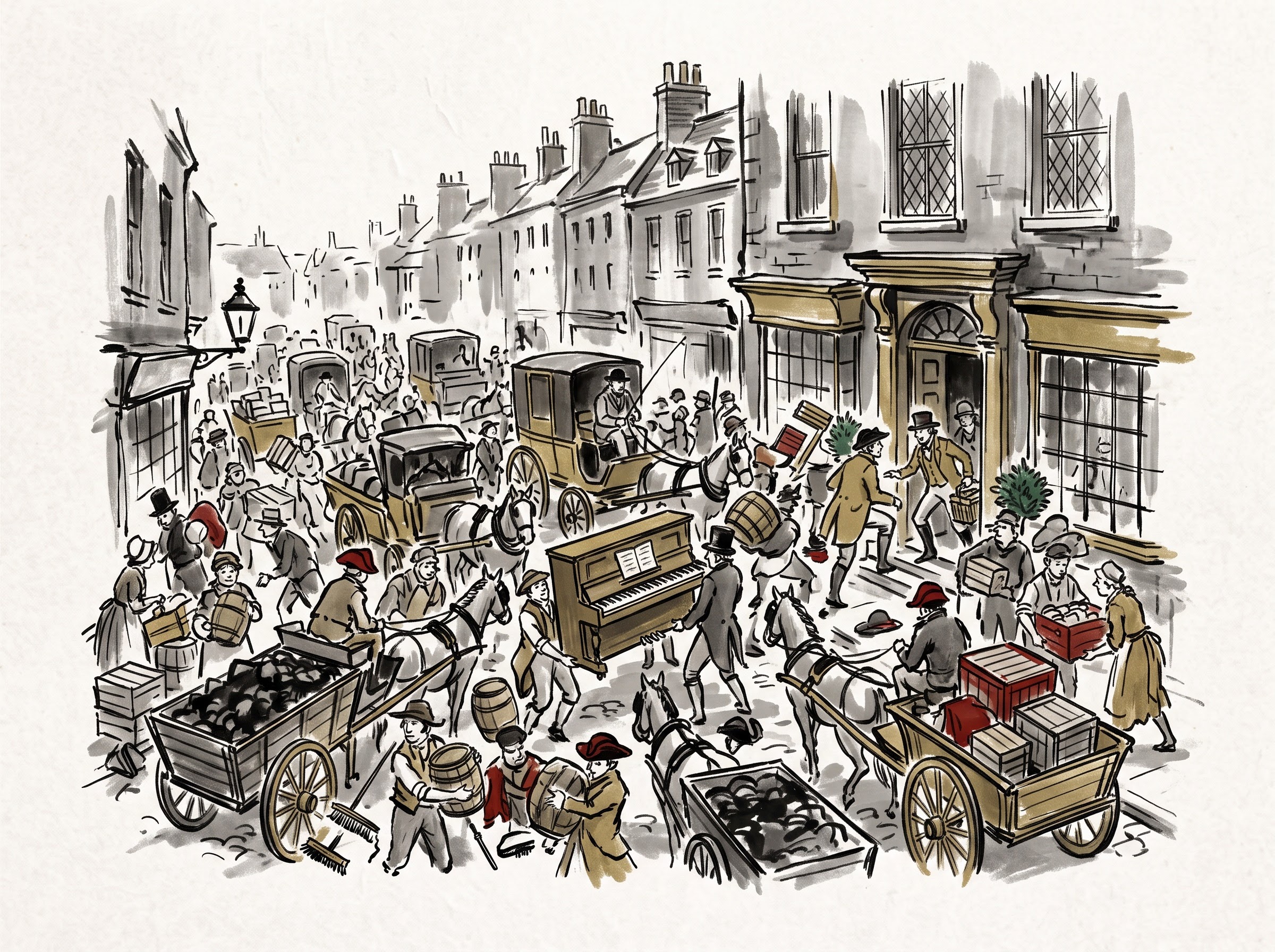
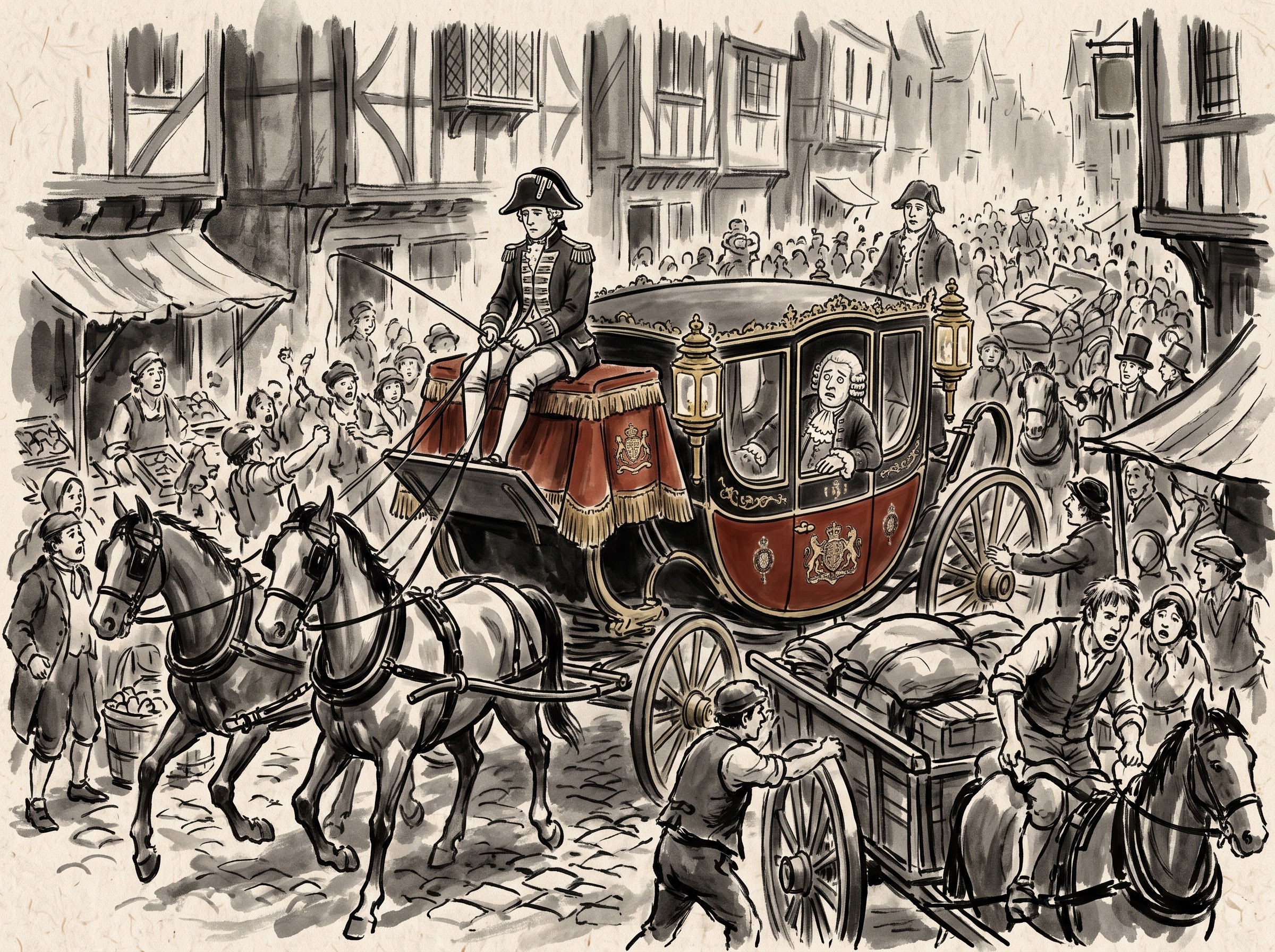
As the morning wore on the deliveries became a flood, and the flood became a blockade. Doctors arrived, summoned to attend a dying patient who did not exist. Lawyers arrived to draw up a will. Clergymen arrived to comfort the bereaved. A fishmonger delivered cod; a shoemaker delivered boots; organ-builders arrived to install an organ. Pianos were carried up the narrow street by sweating men who found they could not get them to the door. And the street itself — never built for such traffic — began to clog solid, cart jammed against cart, until nothing could move at all.
Summoning the great and the good
Had Hook stopped at tradesmen, the day would still have been chaos. But he had aimed higher — gloriously, outrageously higher. He had written, in Mrs Tottenham’s name, to some of the most eminent figures in the nation, and one by one their grand carriages now tried to force their way into the gridlocked street.
The accounts of exactly who came vary in the retelling, but the legendary roll-call includes the Lord Mayor of London, the Governor of the Bank of England, the Chairman of the East India Company, a royal duke — the Duke of Gloucester — and no less a personage than the Archbishop of Canterbury himself. Each had received a carefully worded letter designed to bring him in person: a hint of scandal, a summons to a deathbed, an urgent matter of state or faith. Each arrived expecting something momentous. Each found instead a bewildered widow, a mountain of unwanted cod and coal, and a mob of equally confused tradesmen. It was a day on which the ordinary social order simply collapsed into farce — grandees and gravediggers jammed shoulder to shoulder in the mud, an accidental festival of misrule not unlike the old medieval custom described in the Lord of Misrule, when servants were crowned to rule over kings.
The man at the window
Through all of it, the author of the chaos was not far away. Hook had taken care to rent a room in a house directly across the street, and there he sat with his friend for the entire day, peering out from behind the curtains at the spectacle he had conjured. The two of them are said to have watched for hours, helpless with laughter, as the most powerful men in Britain and the humblest tradesmen of London collided in a single hopeless knot before one bewildered front door.
Eventually the authorities grasped that no genuine emergency was unfolding, only an enormous and malicious prank. Constables were brought in to try to untangle the street and turn away the endless tide of callers. It took most of the day. The mystery of who was responsible hung over London for some time afterward, and suspicion fell quickly on Theodore Hook — his reputation made him the obvious candidate. But suspicion was all anyone had. There was no proof linking him to the thousands of forged letters, and he was never prosecuted. For safety’s sake, he is said to have made himself scarce and left the city for a while until the fuss died down.
A legend of pure mischief
The Berners Street Hoax passed almost at once into legend, and it has kept its crown ever since as perhaps the greatest practical joke in English history. Its genius lay in its total disproportion: a single idle wager, a pen, and a stack of paper had been enough to paralyse part of a capital city and drag an archbishop and a royal duke into a traffic jam of coal carts and wedding cakes. No one was hurt, nothing was stolen, and yet for one day the whole machinery of a great metropolis had been bent entirely to the whim of one mischievous young man — proof of how a small, deliberate act could set off chaos out of all proportion to its cause, much as a single tavern quarrel once spiralled into the three-day bloodshed of the St Scholastica Day Riot, when a jug of wine sparked a massacre at Oxford.
As for Hook himself, the bet made his name, though not in a way that ever fully settled him. He went on to a turbulent career as a novelist, editor, and professional wit, famous for his improvisations and dogged by debt and scandal to the end of his life. For poor Mrs Tottenham, the innocent target, history records little beyond the ordeal of that single, surreal November day. But the hoax she unwillingly starred in has outlived them both by two centuries — a small, perfect monument to the strange truth that sometimes all it takes to turn the world upside down is a good idea, a steady hand, and a truly outrageous amount of nerve.
Sources & further reading:
More from the archive
- Lord Timothy Dexter: The Fool Who Got Rich Selling Coal to Newcastle
- The Devil’s Footprints of 1855: The Night Something Walked Across Devon in the Snow
- Jack Straw: The Shadowy Second Leader of the Peasants’ Revolt