The Defenestration of Prague: When Throwing Officials Out a Window Started the Thirty Years’ War

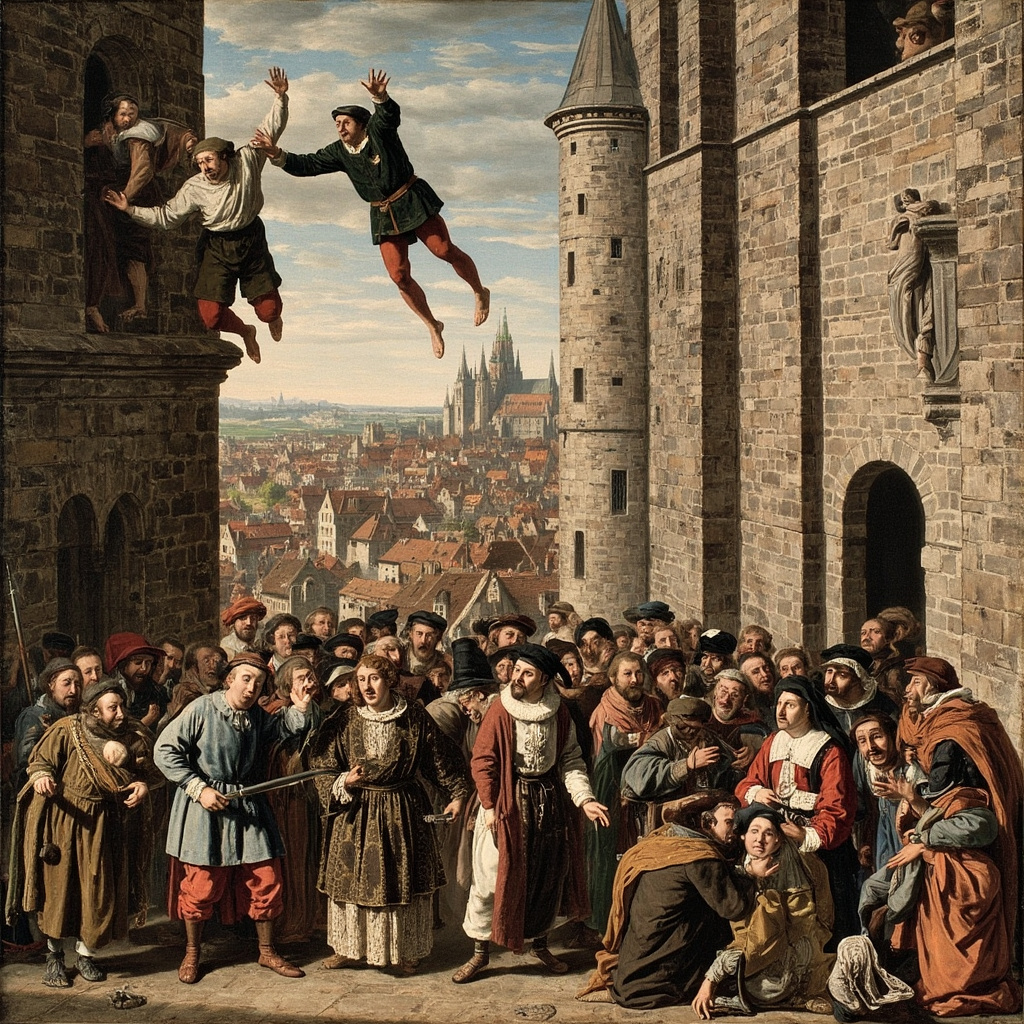
On May 23, 1618, a group of angry Protestant nobles did something so dramatic it would plunge Europe into three decades of devastating warfare. They threw three Catholic officials out of a third-story window at Prague Castle—an act that became known as the Defenestration of Prague and sparked the Thirty Years’ War, one of the most destructive conflicts in European history.
The Religious Powder Keg
The Kingdom of Bohemia in the early 17th century was a religious and political tinderbox. The Holy Roman Emperor Ferdinand II, a devout Catholic, was systematically rolling back Protestant rights that had been granted under the previous emperor. In Bohemia, where Protestantism had deep roots dating back to the reformer Jan Hus, tensions were reaching a breaking point.

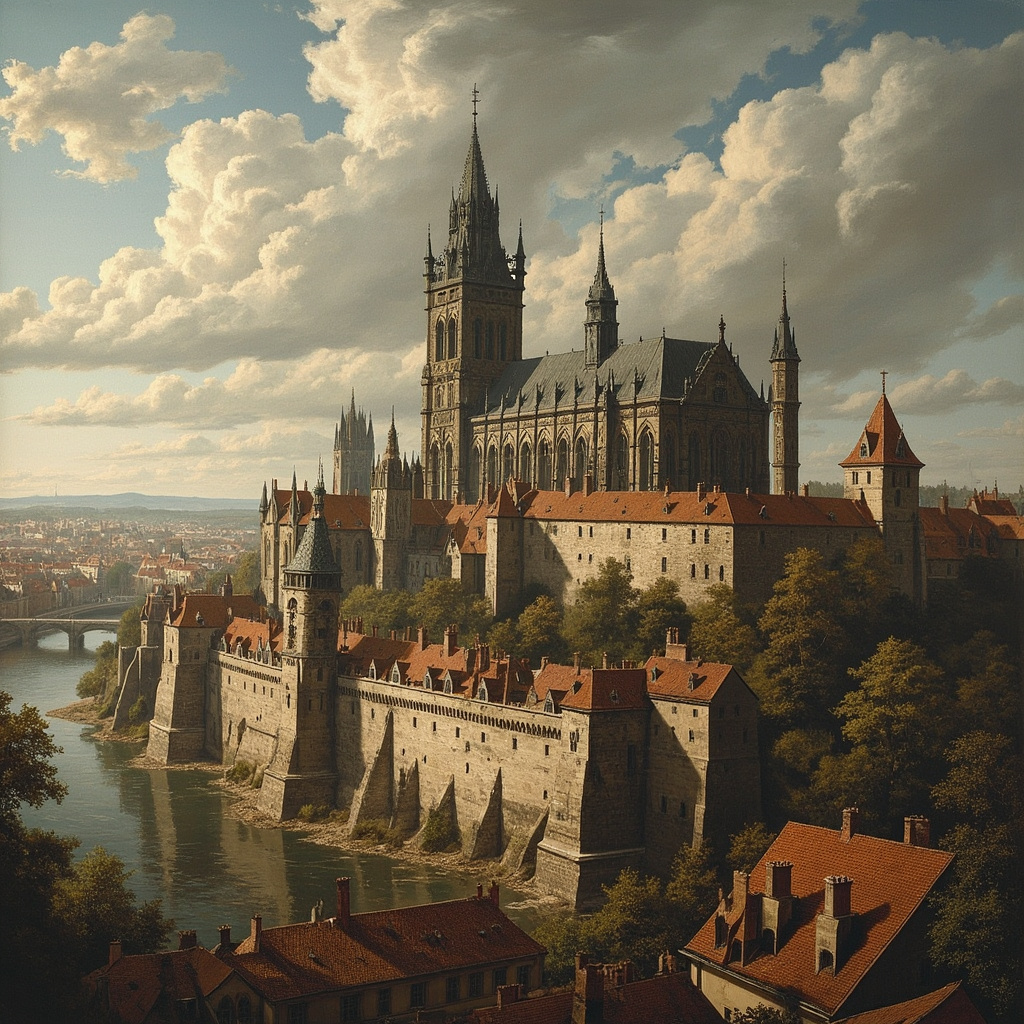
The immediate crisis began when Ferdinand’s Catholic regents in Prague began restricting Protestant church construction and religious practices. This violated the Letter of Majesty, a 1609 agreement that had guaranteed religious freedom to Bohemian Protestants. The Protestant nobles, led by Count Heinrich Matthias von Thurn, decided they had endured enough.
The Fateful Meeting
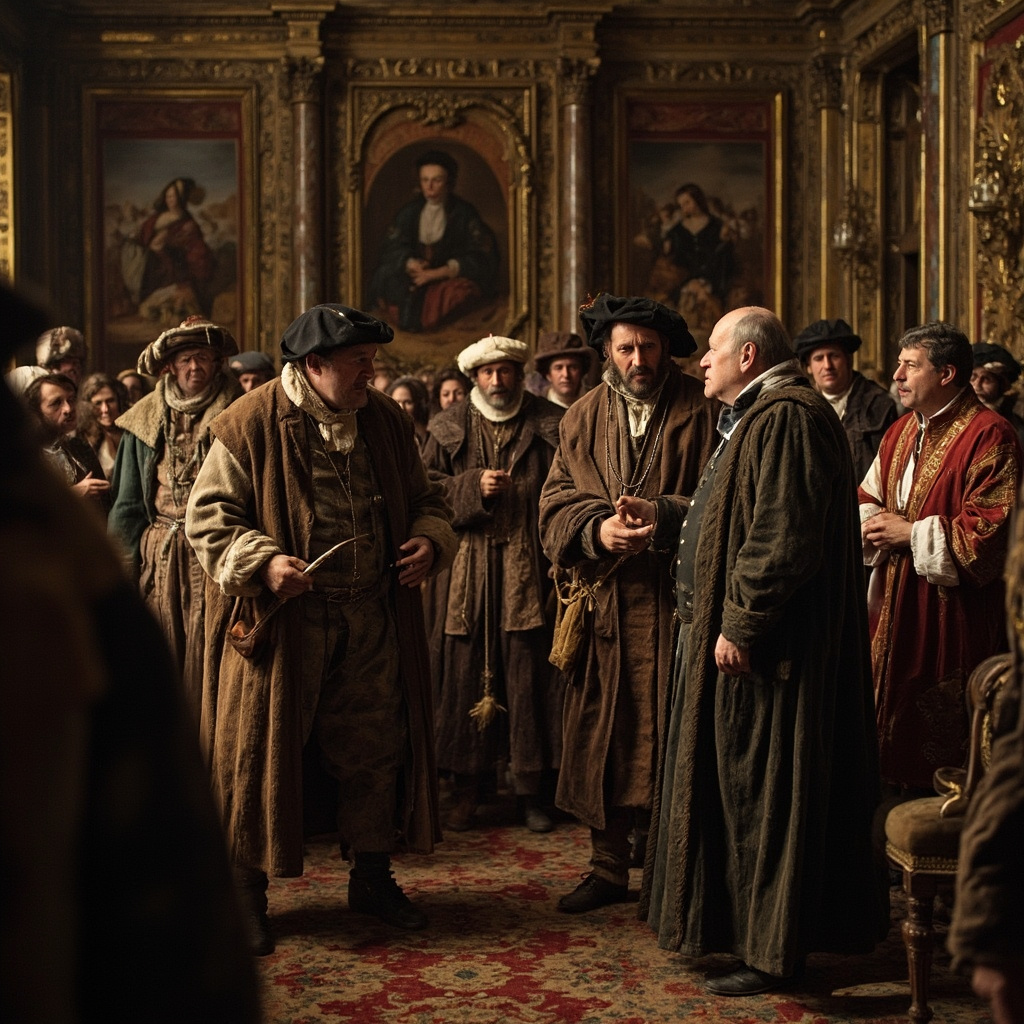
On that spring morning in 1618, the Protestant nobles stormed into the meeting room at Prague Castle where the Catholic regents were holding session. They singled out two particular targets: Jaroslav Bořita von Martinicz and Wilhelm Slavata, both staunch Catholics whom they accused of orchestrating the religious persecution.
The confrontation was brief but explosive. The Protestants accused the regents of plotting to subvert Bohemian religious liberty and of betraying their oaths. When the regents refused to back down, the nobles decided on a dramatic punishment that deliberately echoed Bohemian history.
Out the Window They Went
The defenestration wasn’t random violence—it was a calculated political statement. In 1419, Prague had witnessed its first famous defenestration when Hussite revolutionaries threw seven city councillors from the windows of Prague’s New Town Hall. By recreating this act, the Protestant nobles were invoking a powerful symbol of Bohemian resistance to foreign rule.
Along with the two regents, the Protestants also threw out their secretary, Philipp Fabricius. All three men plummeted from the third-story window—a fall of approximately 70 feet that should have been fatal.
The Miracle of Manure
Remarkably, all three men survived their dramatic flight. Catholic propagandists immediately claimed this was divine intervention—that angels had swooped down to save the righteous officials. The reality was more mundane but no less fortunate: the window opened directly above a large pile of manure and garbage that had accumulated below the castle walls.
This soft, if malodorous, landing cushioned their fall and saved their lives. Martinicz and Slavata were able to walk away with only minor injuries, though their dignity suffered considerably more damage than their bones.
Europe Goes to War
The defenestration was far more than a symbolic gesture—it was a declaration of rebellion. The Bohemian estates rejected Ferdinand II as their king and elected Frederick V, Elector Palatine, in his place. This act of defiance triggered a conflict that would rage across Europe for thirty years.
What began as a religious dispute in Bohemia soon drew in every major European power. Catholic Spain and the Holy Roman Empire faced off against Protestant powers including Sweden, Denmark, and France (which supported the Protestant cause despite being Catholic, purely to weaken Habsburg power). The war would ultimately kill millions and reshape the political map of Europe.
The Power of a Single Act
The Defenestration of Prague demonstrates how a single dramatic moment can change the course of history. The Protestant nobles couldn’t have imagined that their act of rebellion would lead to three decades of warfare, economic collapse, and social upheaval across central Europe. The Thirty Years’ War wouldn’t end until 1648 with the Peace of Westphalia, which established new principles of national sovereignty that still influence international relations today.
Ferdinand II eventually regained control of Bohemia and imposed harsh Catholic rule, but the broader war had shown that religious unity could no longer be imposed by force. The age of religious wars was ending, and the modern state system was being born—all because some angry nobles decided to throw their enemies out a window rather than negotiate.
Related Reading
- The Three Hundred and Thirty-Five Years War: The Longest Bloodless Conflict in History
- The Erfurt Latrine Disaster: When 60 Nobles Met Their End in Medieval Germany’s Most Bizarre Tragedy
- The War of the Bucket: When Italy Fought a Bloody Battle Over a Wooden Pail