The Toba Supervolcano: When Humanity Nearly Went Extinct 74,000 Years Ago

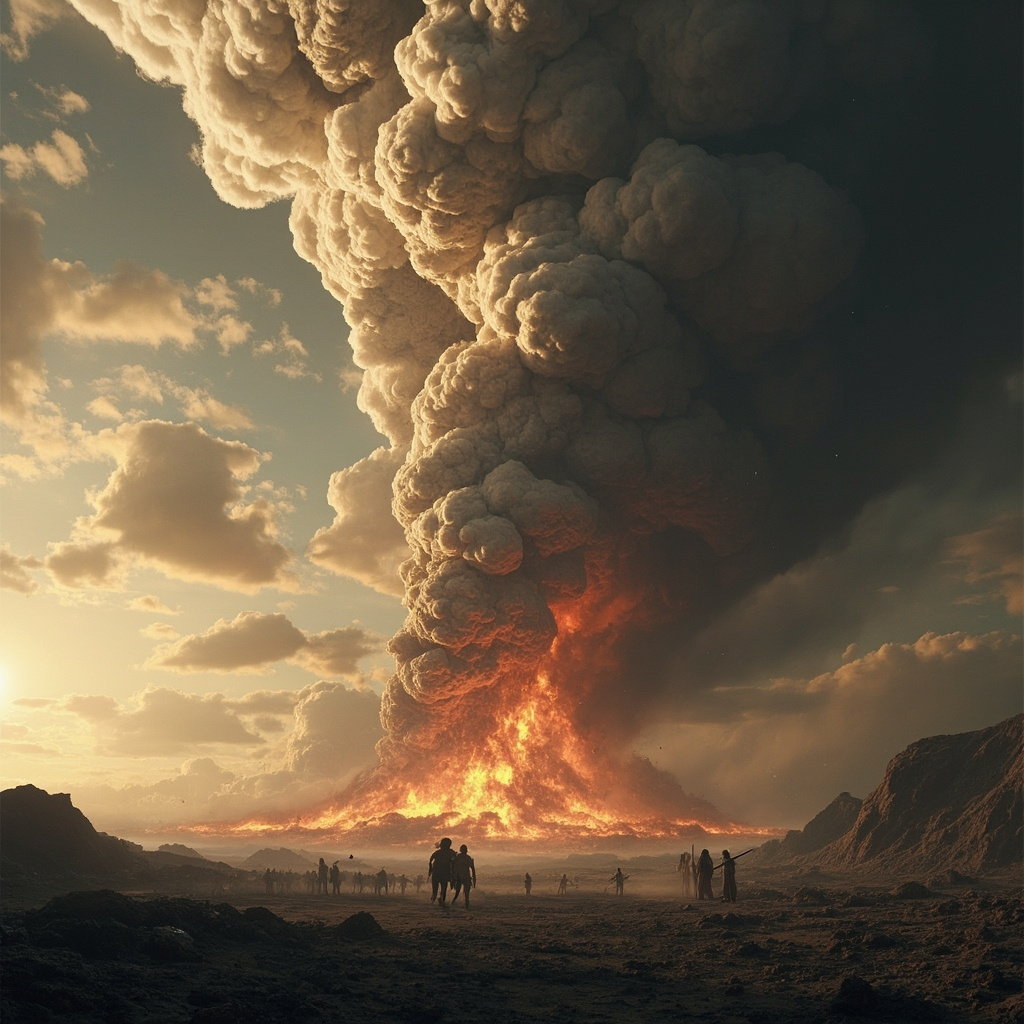
Imagine if you could travel back 74,000 years and witness the most catastrophic event in human history. You’d see the Toba supervolcano in what’s now Indonesia unleash a force so devastating that it nearly wiped our entire species from the face of the Earth. This wasn’t just any volcanic eruption—it was a “mega-colossal” event that ejected 672 cubic miles of volcanic material into the atmosphere, making Mount St. Helens look like a firecracker by comparison.
The Eruption That Changed Everything
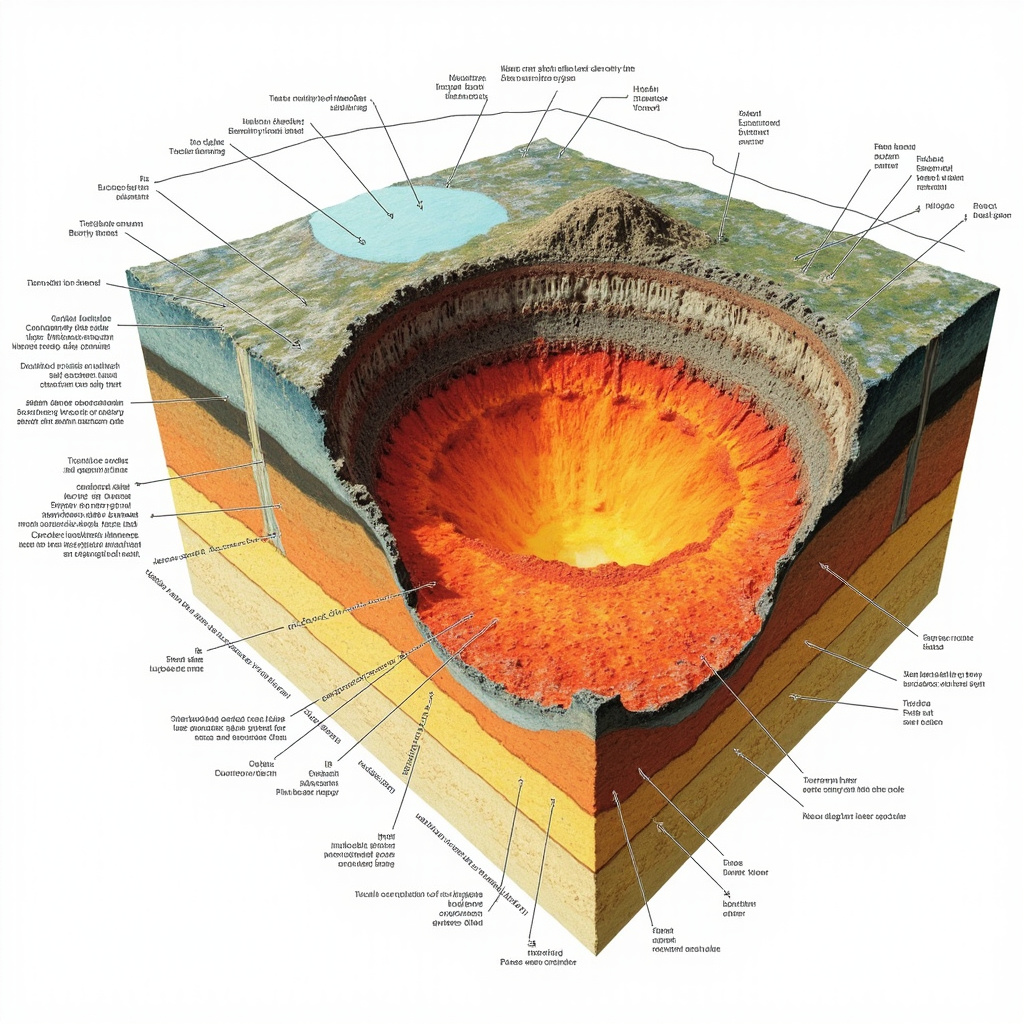
The Toba supereruption was over 10,000 times larger than the 1980 Mount St. Helens eruption. When it exploded, it created a massive crater roughly 1,000 football fields in length—that’s 62 by 18 miles of sheer destruction. The volcanic material didn’t just affect the local area; it spread across the entire globe, with microscopic volcanic glass called cryptotephra traveling thousands of miles.
The eruption produced black skies that blocked most of the sunlight for years, causing what scientists call a “volcanic winter.” Global temperatures plummeted by 3 to 3.5 degrees Celsius. Close to the volcano, acid rain contaminated water supplies, and thick layers of ash buried everything in sight. For early humans trying to survive, it was like living through an apocalypse.
The Great Population Bottleneck
According to the Toba catastrophe hypothesis, this eruption caused human population sizes to plummet to fewer than 10,000 individuals living on Earth. To put that in perspective, today there are more people in a single city block than existed in the entire world after Toba. Scientists can see evidence of this population bottleneck in our DNA—the genetic diversity of all modern humans suggests we went through a severe reduction in numbers around this time.
But here’s where the story gets truly remarkable: we survived. Despite facing what should have been an extinction-level event, early humans didn’t just endure—they adapted and thrived.
How Archaeologists Piece Together the Puzzle
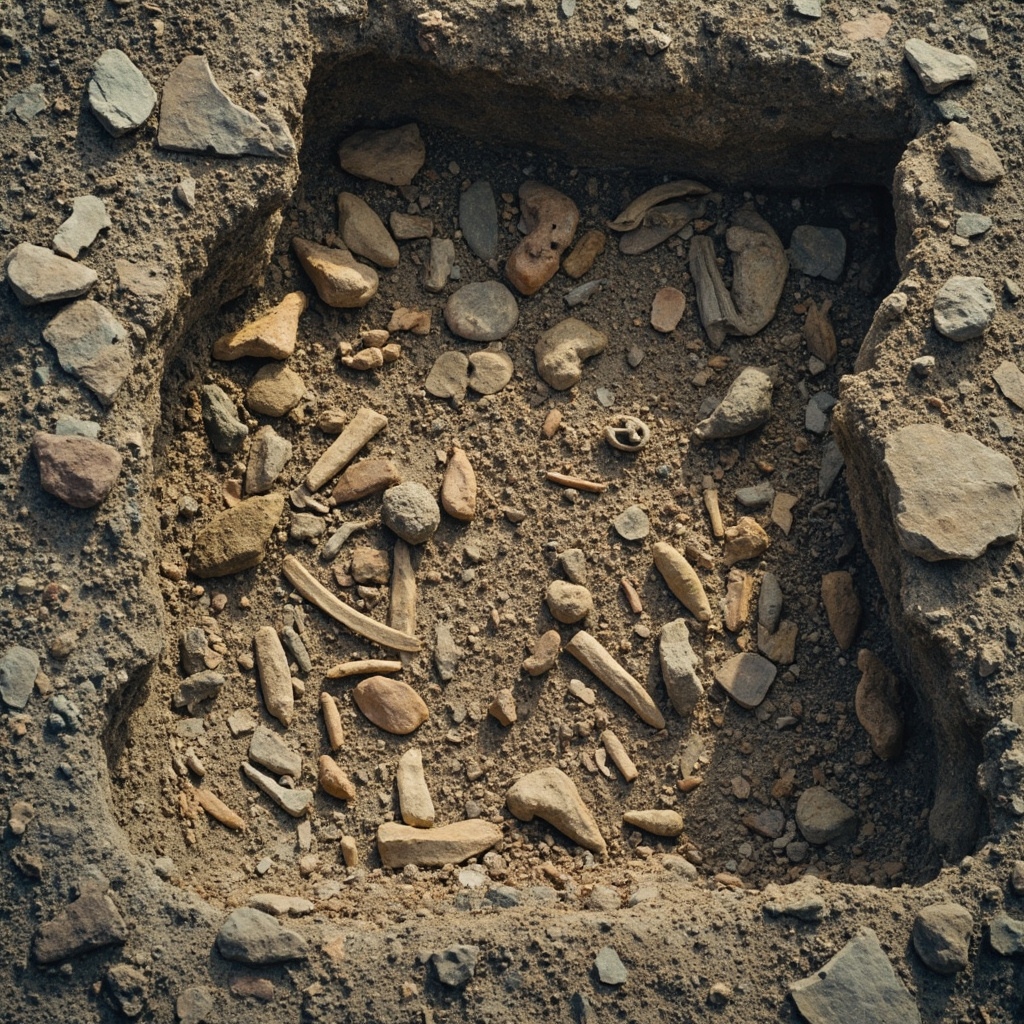
Studying a 74,000-year-old disaster requires detective work on an epic scale. Archaeologists like those who contributed to recent research have to sift through dirt with microscopic precision, looking for tiny volcanic glass shards that are invisible to the naked eye. Using specialized tools called micromanipulators, they pick out individual grains of cryptotephra—a process that can take months for a single site.
Each volcanic eruption has a unique chemical fingerprint, allowing scientists to trace Toba’s tephra across continents. When they find these volcanic deposits at archaeological sites, they can examine what happened to human populations before, during, and after the eruption.
Survival Against All Odds
The archaeological evidence tells a story that’s both surprising and inspiring. At Pinnacle Point 5-6 in South Africa, researchers found cryptotephra from Toba in layers that also contain evidence of continuous human occupation. Not only did people survive the eruption, but they actually increased their activity and developed new technologies shortly afterward.
Similar evidence comes from Shinfa-Metema 1 in Ethiopia, where humans adapted to the changing environment by following seasonal rivers and fishing in shallow waterholes during long dry seasons. Around the time of Toba, they even adopted bow-and-arrow technology—a crucial innovation that helped them hunt more efficiently in the harsh post-eruption world.
The Secret to Human Survival
What made the difference? Behavioral flexibility. While other species might have been locked into specific survival strategies, early humans proved remarkably adaptable. They changed their tool-making techniques, adjusted their diets, and modified their living patterns to cope with the new reality.
Humans living close to Toba were probably completely wiped out, but populations in Africa, parts of Asia, and other distant regions found ways to weather the volcanic winter. They used their intelligence, creativity, and social cooperation to overcome seemingly impossible odds.
Lessons for Today
While the Toba catastrophe hypothesis remains debated among scientists—some argue that other factors contributed to the population bottleneck—the eruption still offers crucial insights for our modern world. Today, organizations like the USGS Volcanic Hazards Program monitor active volcanoes around the globe, and we have far better preparation and technology than our ancestors did.
But the real lesson from Toba isn’t about volcanic monitoring—it’s about human adaptability. Our species survived because we could change, innovate, and work together when faced with existential threats. In a world facing climate change, pandemics, and other global challenges, that same flexibility and resilience remain our greatest assets.
The next time you see news about a volcanic eruption or natural disaster, remember Toba. Remember that 74,000 years ago, our ancestors faced something far worse than anything we encounter today—and they didn’t just survive. They laid the foundation for everything that followed, including the civilization we’ve built today.
Sometimes the most important history is written not by what happens to us, but by how we respond when everything seems lost.
Related Reading
- Gobekli Tepe: The 10,000-Year-Old Mystery That Rewrites Human History
- The Woolly Mammoths That Outlived the Pyramids