The Straw Hat Riot of 1922: When Fashion Rules Sparked Eight Days of Street Violence in New York

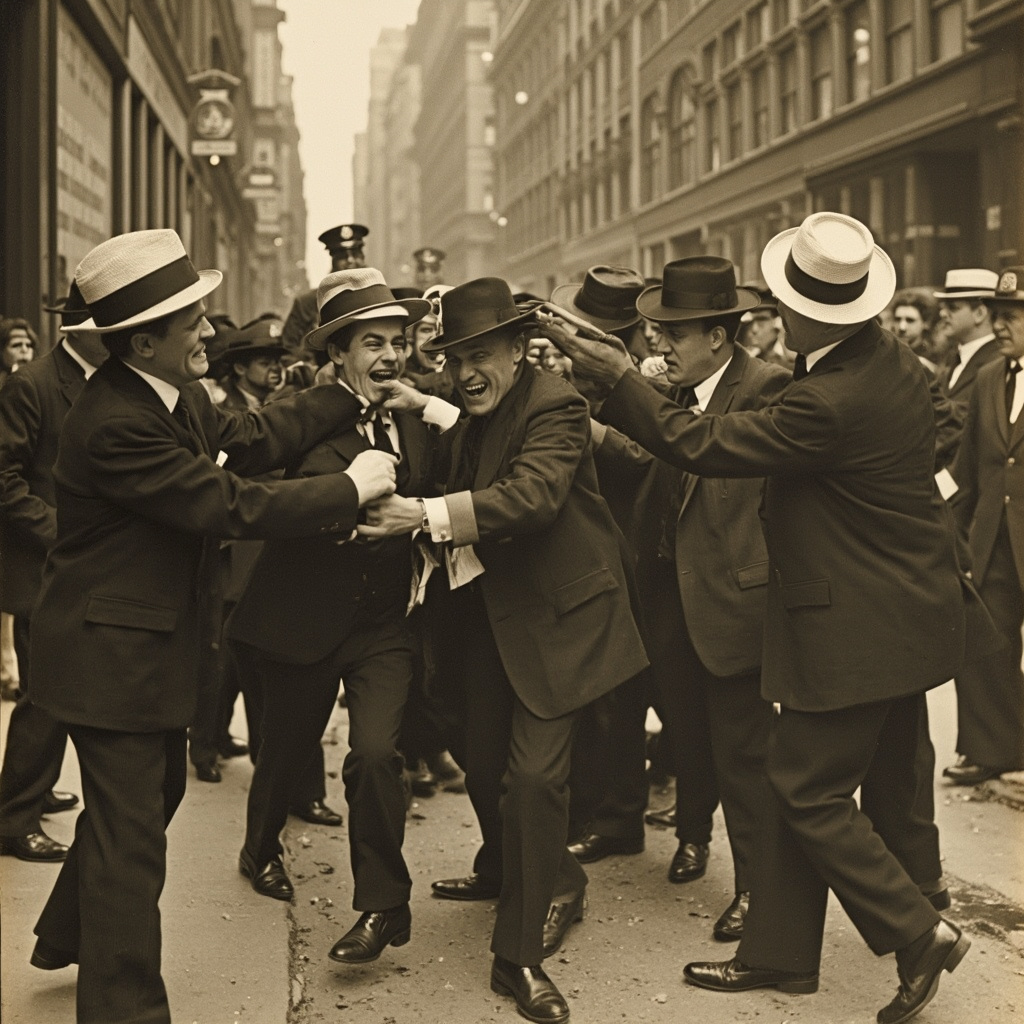
In September 1922, New York City witnessed one of the most bizarre riots in American history—not over politics, economics, or social justice, but over men’s fashion etiquette. The Straw Hat Riot erupted when young men took it upon themselves to violently enforce an unwritten rule about when summer hats should disappear from the streets.
For decades, American men had followed a strict seasonal dress code: straw boater hats were acceptable summer wear, but after September 15th, they were considered a fashion faux pas. What began as playful hat-snatching by teenagers escalated into eight days of street violence that required police intervention and made international headlines.

The Unspoken Rules of Men’s Fashion
During the early 20th century, men’s fashion operated under rigid social conventions. Just as wearing white after Labor Day was considered inappropriate, sporting a straw hat past mid-September marked a man as unfashionable or socially unaware. These boater hats, made of woven straw with flat brims and crowns, were the quintessential summer accessory for well-dressed gentlemen.
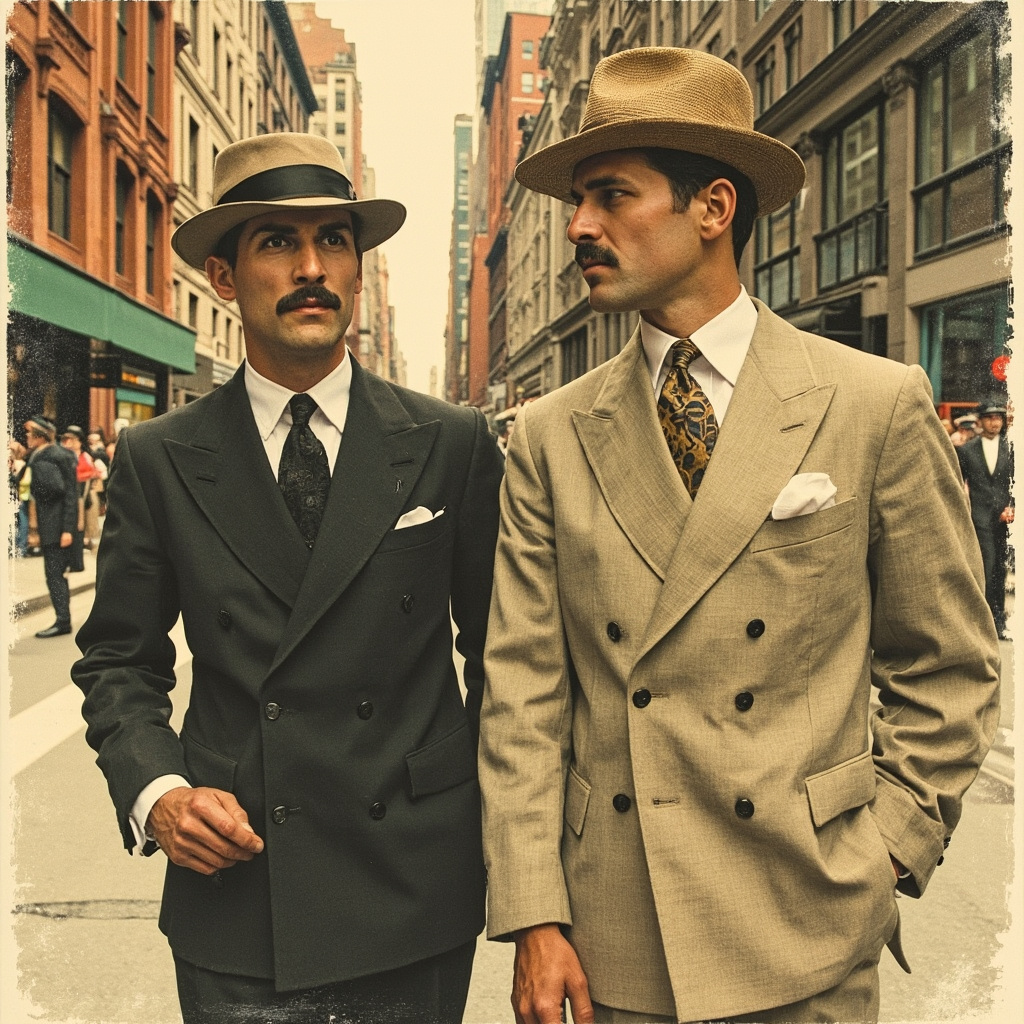
The tradition had developed organically over years, becoming so entrenched that young men felt justified in physically removing “offensive” headwear from anyone who dared violate the dress code. What made the 1922 incident unique was its scale and intensity—never before had fashion policing turned so violent.
The Riot Begins: September 13, 1922
The trouble started two days before the traditional cutoff date when a group of teenagers in Manhattan’s Mulberry Bend neighborhood decided to get an early start on hat removal. As factory workers returned home that evening, the youths began knocking straw hats off heads, trampling them underfoot, and shouting at their wearers.
What began as isolated incidents quickly spread across the city. Groups of young men roamed the streets, systematically targeting anyone still wearing summer headwear. The hat-snatchers showed no discrimination—businessmen, laborers, and even off-duty police officers found themselves victims of the fashion vigilantes.
The situation escalated when hat-wearers began fighting back. Men who had invested their hard-earned money in quality straw hats weren’t willing to see them destroyed without resistance. Street brawls erupted throughout Manhattan and spread to the outer boroughs.
Eight Days of Chaos
What followed were eight days of intermittent street violence that stretched police resources thin. The riots weren’t confined to a single neighborhood—they erupted spontaneously wherever someone wearing a straw hat encountered the self-appointed fashion police.
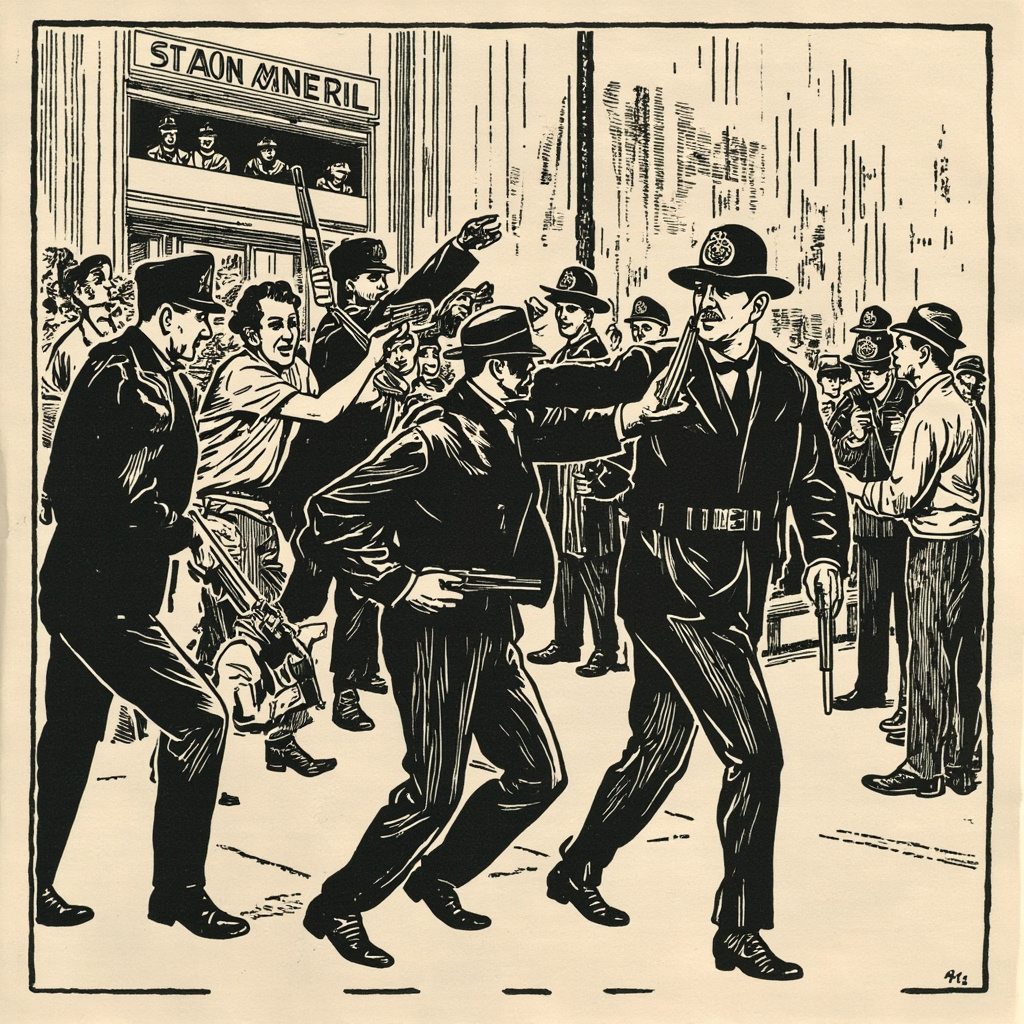
The violence reached its peak when groups of hat-snatchers began targeting not just individual wearers but entire crowds. On the Manhattan Bridge, a mob of teenagers stopped traffic to inspect commuters’ headwear, creating massive disruptions. Streetcar conductors reported passengers boarding without hats, carrying them in bags to avoid confrontation.
Police made hundreds of arrests, but the riots proved difficult to control because they lacked a central organization. Instead of a coordinated uprising, the Straw Hat Riot consisted of hundreds of spontaneous incidents across the city, making it nearly impossible for authorities to predict where violence would next erupt.
The Human Cost
While no deaths were recorded, dozens of men were injured in street fights, and hundreds more suffered property damage. The financial impact extended beyond destroyed hats—businesses in affected areas saw reduced foot traffic as people avoided potential confrontations.
Newspapers across the country picked up the story, with many editorial writers expressing bewilderment at the intensity of violence over such a trivial matter. The London Times reported on the riots with characteristic British understatement, noting the “curious American custom of seasonal hat enforcement.”
The Aftermath and Legacy
By September 21st, the riots had largely subsided, not through police intervention but through exhaustion and changing weather. As autumn temperatures dropped, even the most stubborn straw hat wearers voluntarily switched to felt alternatives.
The incident marked the beginning of the end for rigid men’s fashion rules. While straw hats remained popular summer wear, the violent enforcement of seasonal dress codes disappeared. Social historians point to the 1922 riots as a turning point when American men began asserting more individual choice in clothing.
The Straw Hat Riot also highlighted growing generational tensions in post-World War I America. Many of the young men involved were recent immigrants or children of immigrants, using fashion enforcement as a way to establish their own American identity and social authority.
A Reflection of Its Time
The riots occurred during a period of significant social upheaval. The country was still adjusting to post-war life, prohibition was creating new forms of lawlessness, and traditional social structures were being challenged. In this context, the violent defense of fashion rules can be seen as an attempt to maintain some form of social order, even if over something as trivial as hats.
Today, the Straw Hat Riot serves as a fascinating example of how social conventions can take on disproportionate importance. It reminds us that what seems absurd in retrospect often felt deadly serious to those living through it. The eight days of hat-related violence in 1922 New York demonstrate how quickly minor social tensions can escalate into significant public disorder, especially when economic stress and generational conflict provide the underlying tinder.
The next time someone complains about declining dress codes or changing social conventions, remember the Straw Hat Riot—a moment when Americans literally fought in the streets over the proper time to retire summer headwear.
More from the archive
- The General Slocum: The Picnic Boat Fire That Erased a New York Neighborhood
- The Night Saboteurs Blew Up New York Harbor: The Forgotten Black Tom Explosion of 1916
- The Cleveland Balloonfest of 1986: How 1.5 Million Balloons Turned Into a Disaster