The Lone Woman of San Nicolas Island: Eighteen Years Alone on a Pacific Island

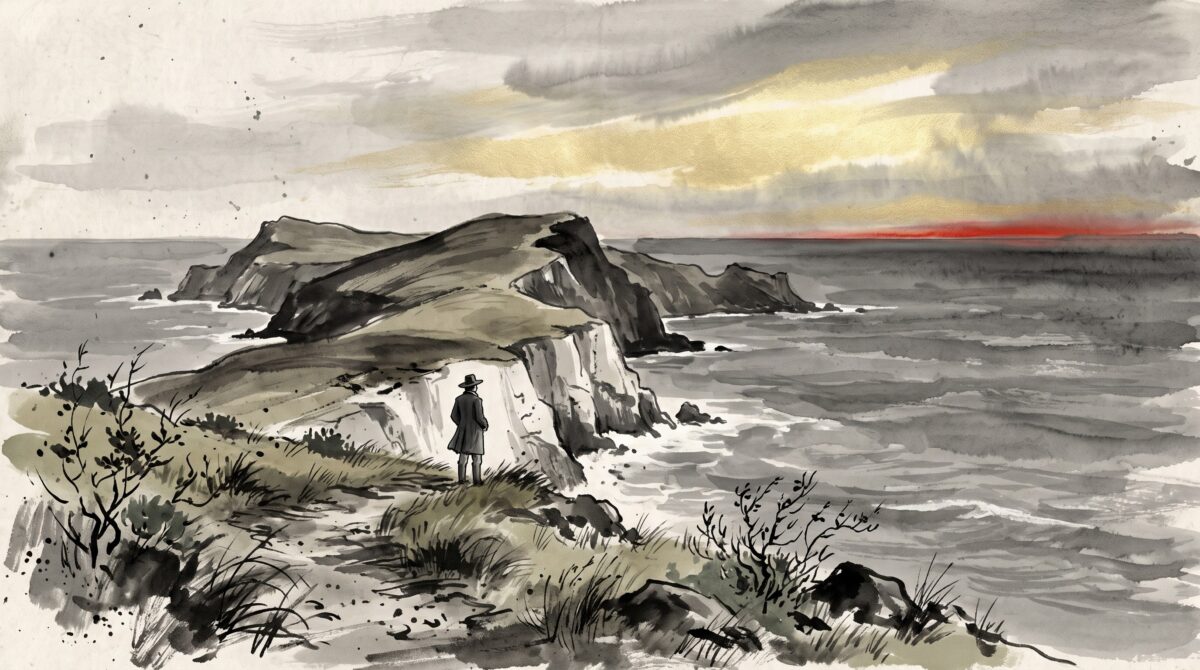
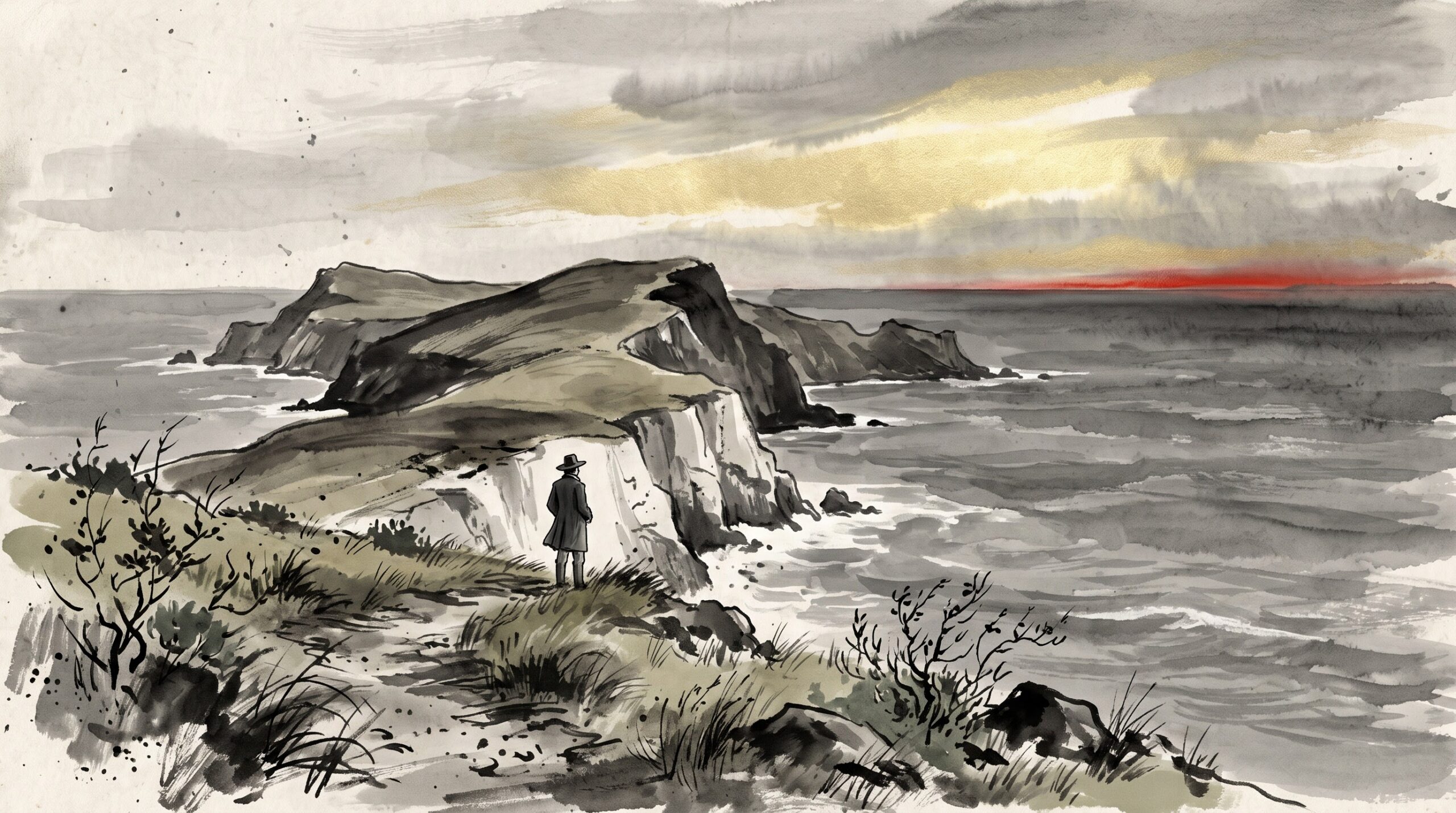
Sixty miles off the coast of southern California, past the last of the Channel Islands, there is a small, wind-scoured island called San Nicolas — a treeless rise of grass and pale sea cliff, ringed by cold surf and fog. For most of human history it was home to a people called the Nicoleño, who lived there for thousands of years on fish, seal, and the gifts of the tide. And then, for eighteen years in the middle of the nineteenth century, it was home to exactly one person: a woman, utterly alone, who built a life for herself at the edge of the world long after everyone she had ever known was gone.
The emptying of an island
The tragedy that stranded her began long before she was left behind. In the early 1800s, ships of Russian-sponsored otter hunters — many of them Native Alaskans brought south to work the rich sea-otter grounds — began landing on San Nicolas. Tensions with the Nicoleño turned to violence, and around 1814 a terrible clash left much of the island’s small population dead. By the 1830s only a handful of Nicoleño remained, clinging on in a world already half-destroyed.
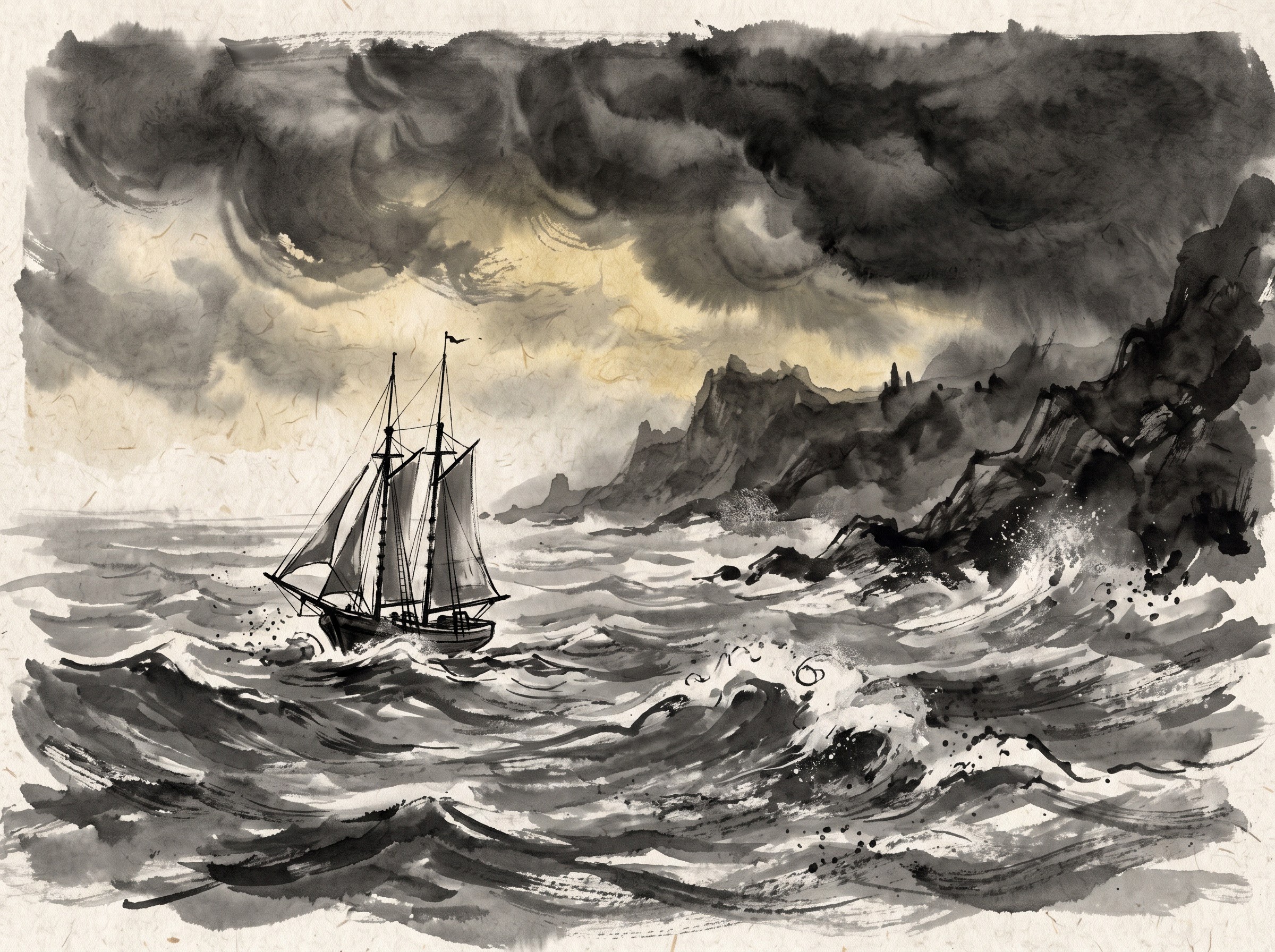
In 1835, Franciscan missionaries on the mainland arranged to bring those last survivors to Mission Santa Barbara. A schooner was sent to collect them. The people were loaded aboard, the ship made ready — and then a storm came up fast. In the chaos of a rising sea the vessel had to run for safety at once, and in that moment one woman was not aboard. The oldest and most enduring version of the story says she realized a child of hers had been left behind on the island, and leapt from the ship into the surf to go back for it, while the captain, unable to hold position against the gale, was forced to sail without her. Whatever the exact truth, the ship left, and she remained.
She would have watched it go, and waited for it to return. It never did. The schooner was soon lost in other waters, and in the years of upheaval that followed — missions collapsing, California passing from Mexican to American hands — the single woman on a distant island slipped out of everyone’s memory. She became a rumor, then a legend, and most people assumed she had died long ago.
Eighteen years alone
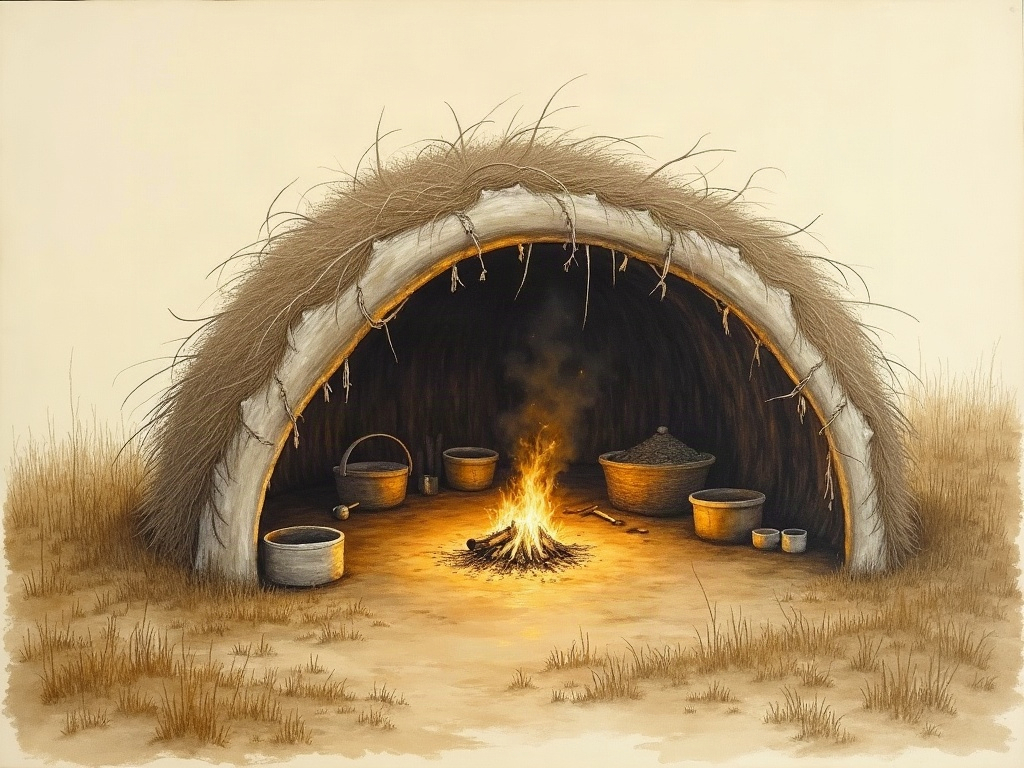
She had not. Alone on San Nicolas, with no one to help her and no prospect of rescue, she simply went on living. She built a shelter framed with the great curved rib bones of a beached whale, roofed and walled with brush. She wove baskets and water bottles from island grass, sealing them with tar from the shore. She fashioned fish-hooks from bone and shell, took seals and fish and roots and shellfish, and dried her food against the lean times. For clothing she sewed together the glossy green-black feathers of cormorants into a dress — a garment so striking that it would later astonish everyone who saw it.
What she could not make for herself was company. Season after season, through storm and fog and the long turning of eighteen years, she lived without a single human voice but her own. We cannot know what that solitude was like; we can only know that she survived it, and that when she was at last found she was not broken by it but calm, capable, and even, by every account, cheerful.
The hunter who found her
Over the years a few parties of otter hunters had caught glimpses of signs that someone might still be living on San Nicolas — footprints, a scrap of shelter — and the rumor of the lost woman never quite died in Santa Barbara. In 1853 a hunter named George Nidever, who had searched for her before, mounted a third expedition to the island determined to settle the question. This time his men found her: a middle-aged woman sitting outside a shelter, skinning seal blubber, singing quietly to herself.
She greeted them with no fear at all. She smiled, she spoke to them in a flowing language none of them could follow, and she offered them food from her own stores. After eighteen years alone, her instinct on meeting other human beings was welcome. She gathered her few belongings and willingly went with them across the water to the mainland, to Santa Barbara, to a world that had moved on entirely without her. Her courage and composure in that crossing call to mind other women who met the wider world on their own terms, like Jeanne Baret, who disguised herself as a man to become the first woman to sail around the globe.
A world she could not speak to
Santa Barbara received her as a marvel. Crowds came to see the woman from the island and her remarkable feather dress; she delighted in the novelties of the town — horses, European clothing, strange food. But a quiet cruelty lay underneath the wonder. She could not speak with anyone. Her people, the Nicoleño, were gone; the handful of other Native Californians brought to meet her could not understand her language, which seems to have been an isolate unlike any other. Only a few of her words were ever written down. She had survived nearly two decades of solitude only to arrive in a crowd where no one on earth could answer her.
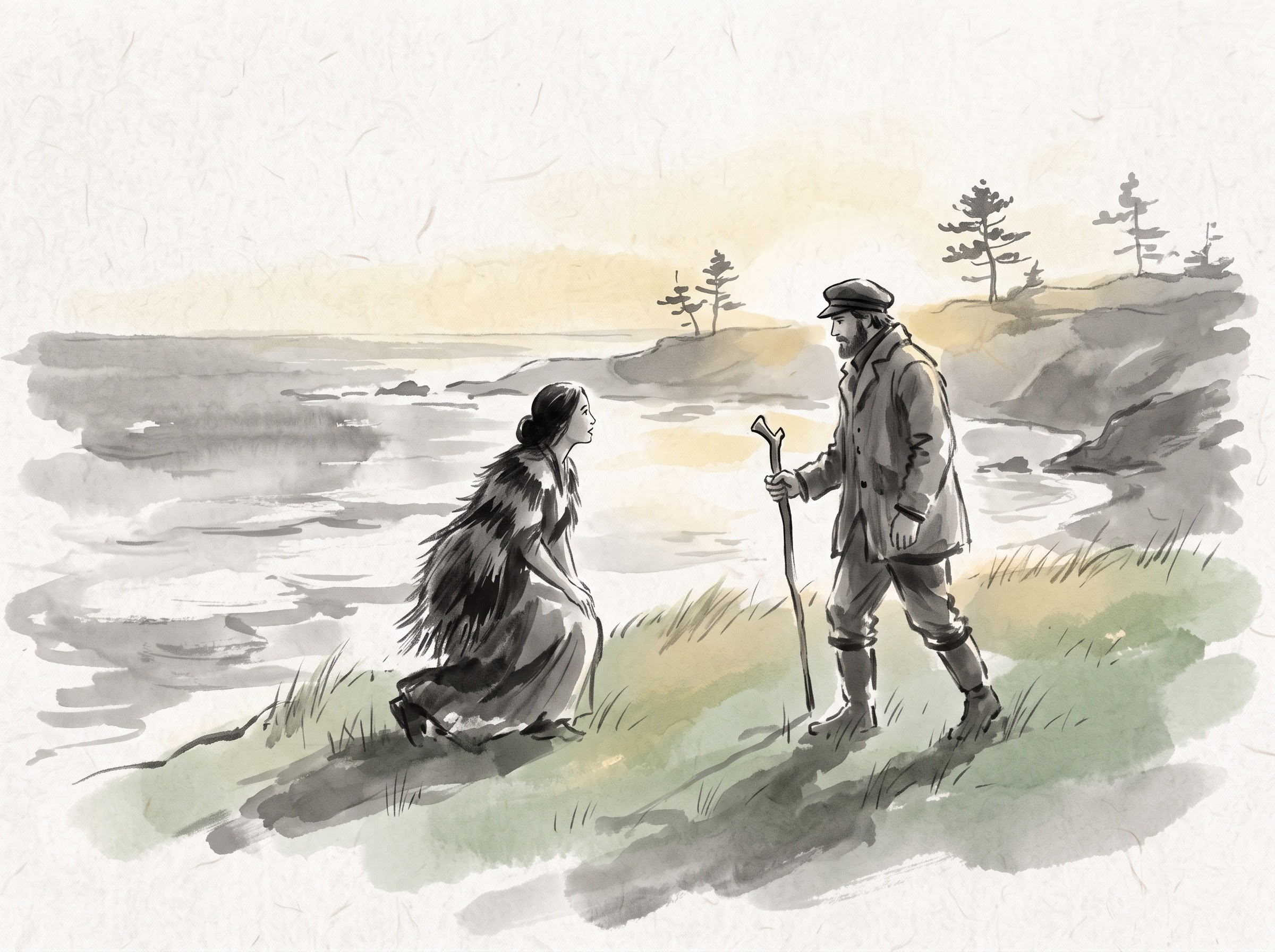
And then her story closed with heartbreaking speed. Just seven weeks after leaving San Nicolas, having lived her whole life on a diet of seal and fish and root, the woman fell ill — most likely from the rich, unfamiliar food of the mainland and from diseases her isolated body had no defenses against. She died at the Nidever home, was baptized Juana María in her final days, and was buried in the grounds of Mission Santa Barbara. Her green feather dress, it is said, was sent off to Rome, and was afterward lost. The language she spoke, the names of her family, the name she had called herself for a lifetime — all of it went into the ground with her.
The name the island kept
We remember her now mostly through the name the mission gave her, Juana María, and through a story she never knew she inspired: the beloved 1960 novel Island of the Blue Dolphins, which reimagined her solitude through a girl named Karana and carried her island to millions of readers. More than a century after her death, archaeologists searching San Nicolas uncovered caves and artifacts believed to be connected to her — small, patient proofs that the legend had been real all along. Her true endurance, like that of ordinary people facing nature’s indifference in the Children’s Blizzard of 1888, deserves to be remembered on its own terms.
It is tempting to tell her tale as a marvel of survival, and it is one. But the deepest note in it is loss. She outlived her entire people, kept herself alive through eighteen winters of silence by sheer skill and will, and crossed at last into a world that could not understand a single word she said — and then was gone in seven weeks. The island she mastered is still out there, grass bending in the Pacific wind. It kept her secret for eighteen years, and in a way it keeps her still: a woman whose real name no one living will ever speak, who proved that a single human being, alone, can hold on to life and even to grace at the very edge of the world.
Sources & further reading:
Related Reading
- The Woman in Sailor’s Clothes: How Jeanne Baret Became the First Woman to Circle the Globe
- The Mary Celeste: The Ship Found Sailing Itself With No One Aboard
- Ada Blackjack: The Inuit Seamstress Who Survived Two Years Alone in the Arctic