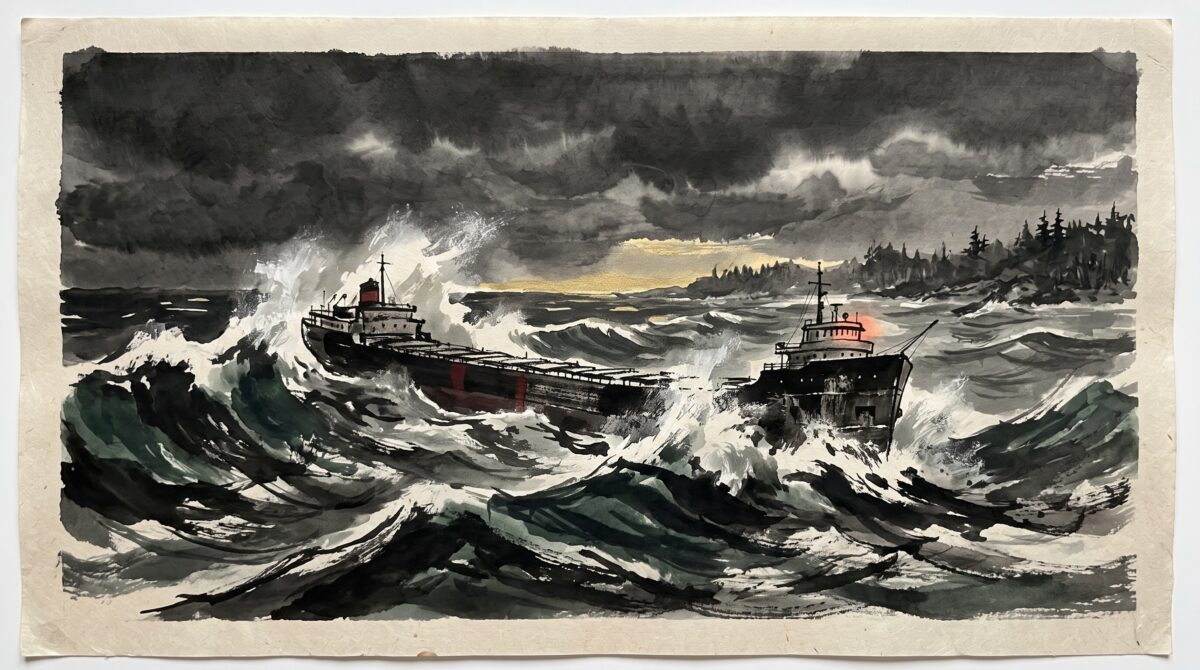
On a storm-lashed November night in 1975, the largest freighter on the Great Lakes vanished from radar without a single distress call, taking all 29 men aboard. This is the story of the Edmund Fitzgerald.
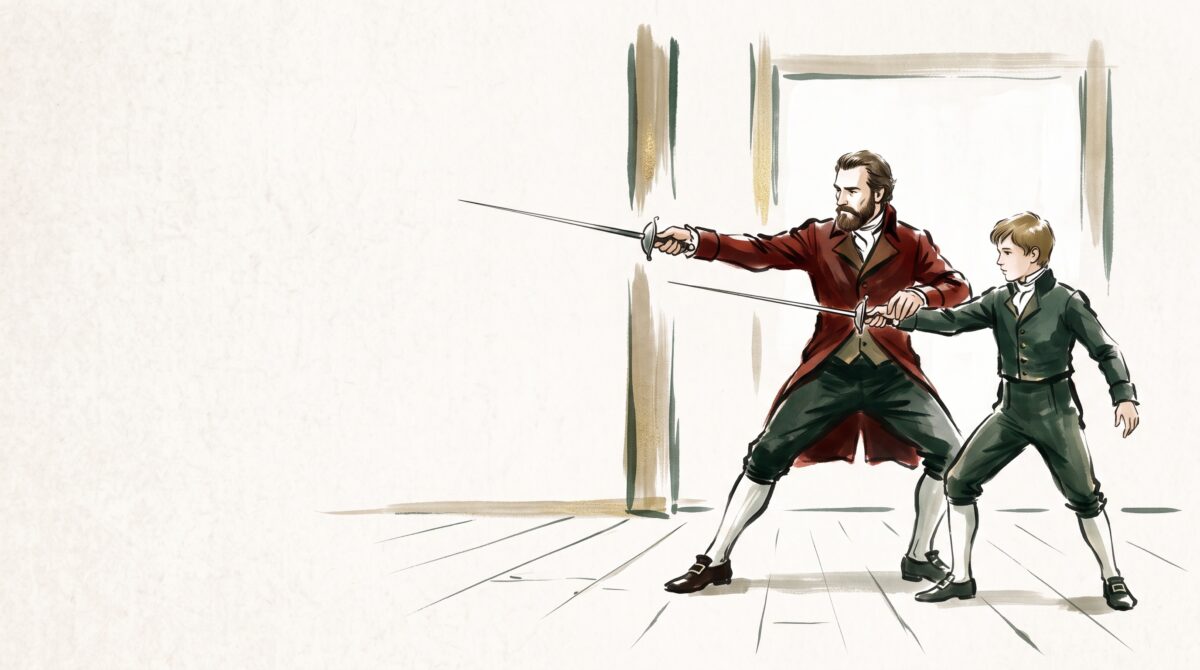
Long before it was a profession with clinics and degrees, physiotherapy was a fencing master’s idea in Stockholm and, a century later, an army of women rebuilding broken soldiers by hand. This is how healing through movement became a science.
In the autumn of 1984, hundreds of people in a small Oregon town fell violently ill and no one knew why. The truth, when it came, was stranger than any of them imagined: the first large-scale bioterror attack on American soil, carried out to win a local election.
In April 1944, weeks before D-Day, a rehearsal on a quiet Devon beach turned into a slaughter. At least 749 American servicemen died in a single night — and for decades, almost no one was allowed to know.
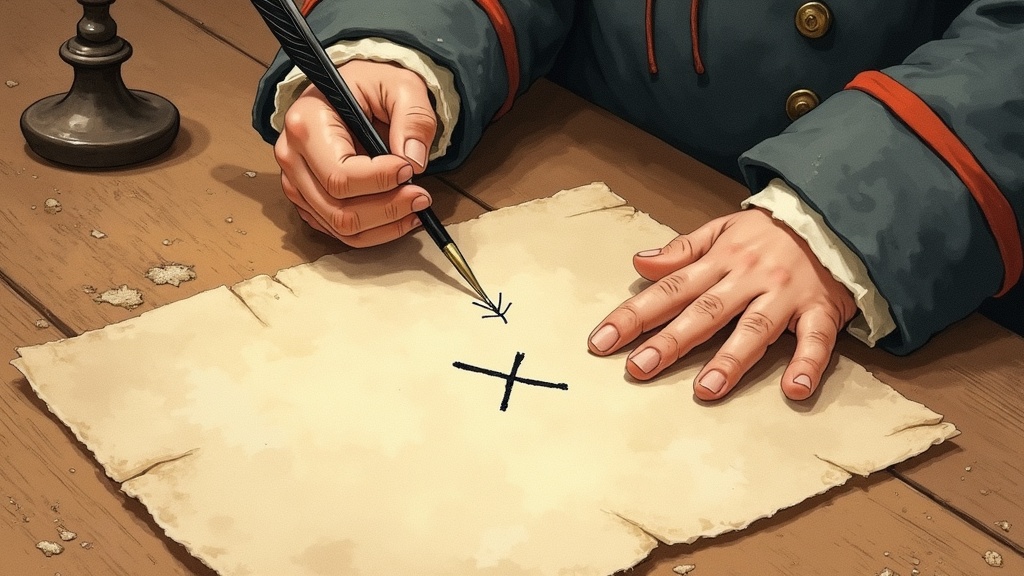
In 1777 a fourteen-year-old orphan made his mark on an enlistment paper because he could not write his own name. Three years later he was buried anonymously at Camden. It took 246 years and three kinds of DNA to give it back to him.
In 1901, sponge divers hauled a corroded lump of bronze from a Roman shipwreck. It would take a century to realize they had found a computer built before the birth of Christ.
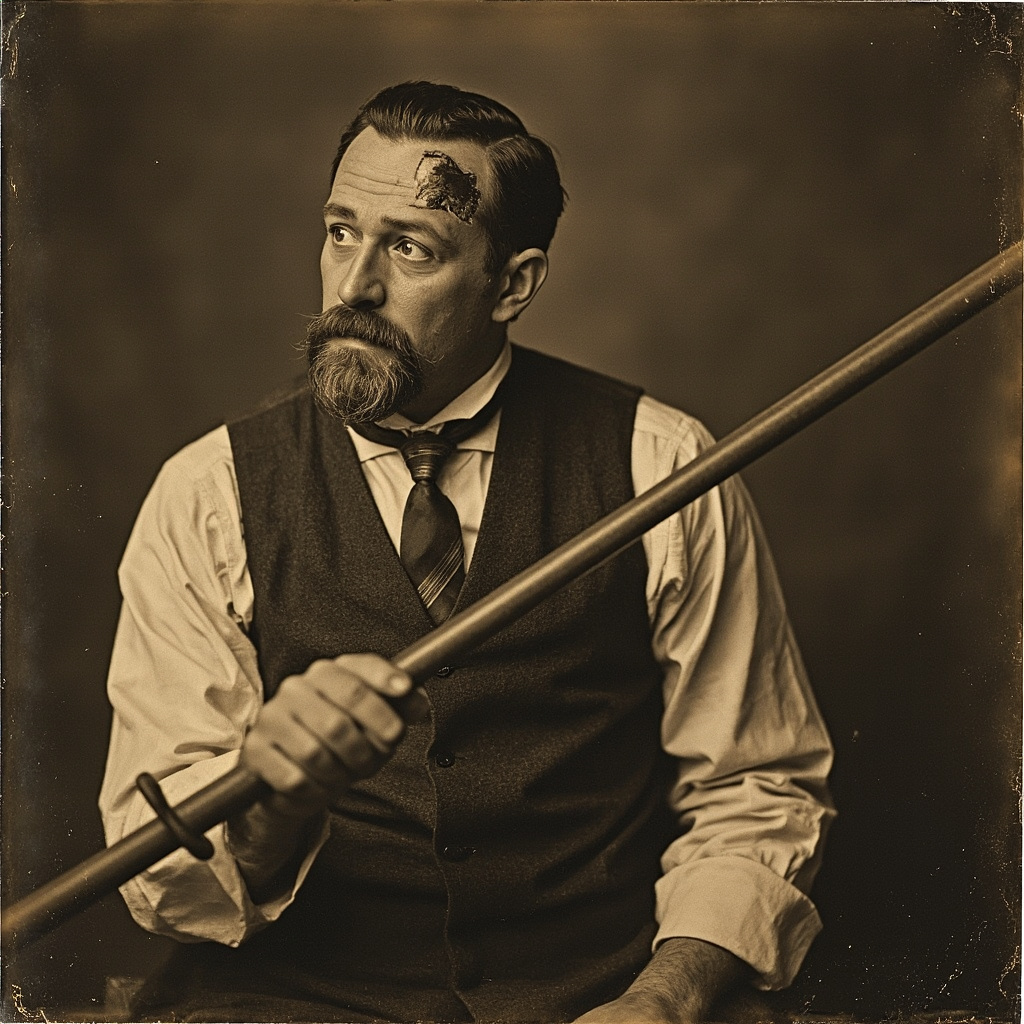
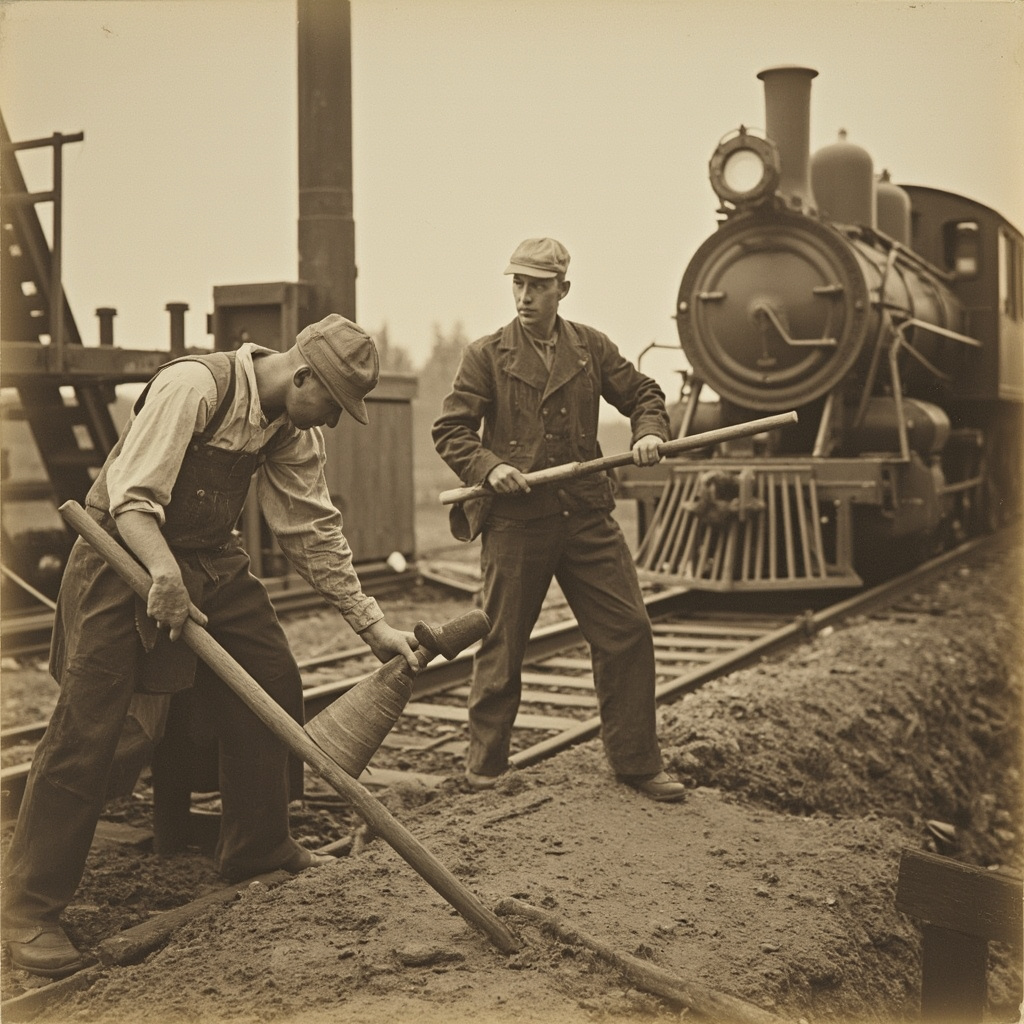
On September 13, 1848, in the quiet town of Cavendish, Vermont, a horrific accident would forever change our understanding of the human brain. Phineas Gage, a 25-year-old railroad foreman, was using a tamping iron to pack explosive powder into a hole when the powder detonated prematurely. The result was almost impossible to believe.
The tamping iron—43 inches long, 1.25 inches in diameter, and weighing over 13 pounds—shot skyward like a missile, penetrated Gage’s left cheek, ripped through his brain, and exited through the top of his skull. Remarkably, Gage didn’t even lose consciousness and remained lucid enough to tell the first doctor on the scene: “Here is business enough for you.”
The Dangerous World of Railroad Construction
In 1848, America was in the midst of a railroad building boom. Construction crews worked with dangerous materials and primitive safety measures that would be unthinkable today. Workers like Gage used tamping irons—long metal rods—to pack explosive black powder into holes drilled in rock. The process was inherently risky, requiring precise timing and careful handling of volatile materials.
Gage was considered one of the most capable and efficient foremen on the Rutland and Burlington Railroad. His supervisor described him as “the most efficient and capable foreman in their employ.” This makes what happened next even more remarkable—if such an experienced professional could suffer such an accident, it highlighted just how dangerous railroad construction truly was.
The Accident That Changed Everything
The accident occurred when Gage was distracted for just a moment. As he was tamping powder into a hole, the iron rod created a spark that ignited the explosive before sand could be added to buffer the blast. The force launched the tamping iron through his skull with devastating precision.
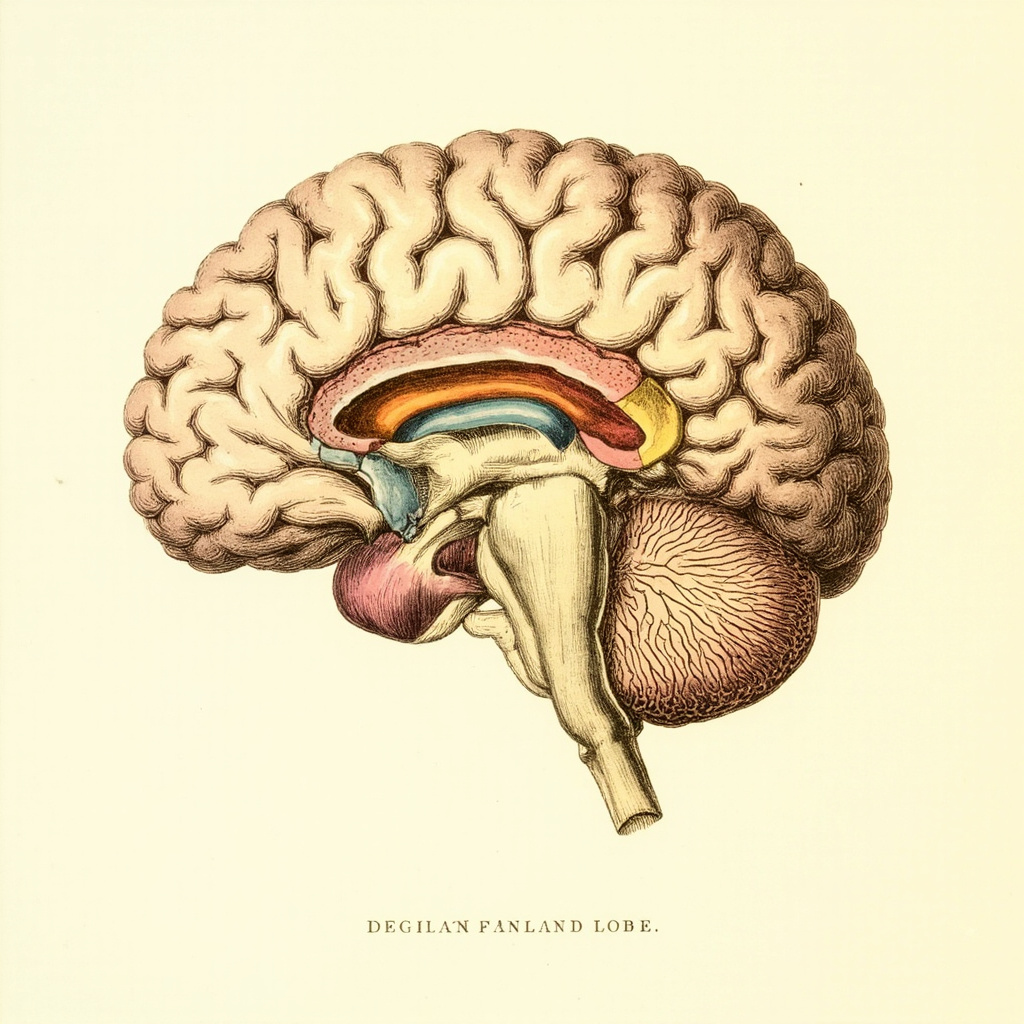
Witnesses couldn’t believe Gage was still alive, let alone conscious and speaking. The rod had destroyed much of his left frontal lobe, but somehow missed major blood vessels and other critical structures. Dr. John Martyn Harlow, the local physician who treated Gage, initially thought his patient couldn’t possibly survive such an injury.
The Personality That Vanished
While Gage’s physical recovery was remarkable, the changes to his personality were even more extraordinary. Before the accident, he had been described as well-balanced, energetic, and a “great favorite” with his men. But the damage to his frontal lobe transformed him completely.
Dr. Harlow observed that Gage was “no longer Gage.” The formerly reliable and socially appropriate man became impulsive, irreverent, and unable to follow through on plans. He couldn’t hold down steady employment and wandered from job to job, sometimes working in circuses where his injury made him a curiosity.
Birth of Modern Neuroscience
Gage’s case became the first documented evidence that specific regions of the brain control personality and behavior. This was revolutionary thinking in the 1850s, when many scientists still believed the brain functioned as a single, undifferentiated organ.
The case provided crucial early evidence for what we now call localization of brain function—the idea that different parts of the brain have specialized roles. Gage’s frontal lobe damage specifically affected what neuroscientists now recognize as executive functions: planning, decision-making, impulse control, and social behavior.
The Mystery of Recovery
Perhaps even more fascinating than the initial injury was Gage’s gradual recovery over the following years. While early accounts emphasized his dramatic personality changes, later evidence suggests he regained much of his social functioning. He eventually found steady work as a stagecoach driver in Chile, a job requiring considerable skill and responsibility.
This recovery challenged simple ideas about brain damage being permanent and opened up early discussions about neuroplasticity—the brain’s ability to reorganize and adapt after injury.
Legacy in Modern Medicine
Phineas Gage’s case continues to influence neuroscience and medicine today. His skull and the tamping iron that pierced it are preserved at Harvard Medical School, where they remain important teaching tools. Modern brain imaging techniques have allowed scientists to create detailed reconstructions of exactly which areas of his brain were damaged.
The case laid groundwork for understanding traumatic brain injury, the development of modern neurosurgery, and our current knowledge of how the frontal lobes control personality and behavior. Every time a neurosurgeon operates on the brain or a psychiatrist treats personality disorders, they’re building on insights that began with a railroad accident in rural Vermont.
The Human Story
Behind the scientific significance was a real person whose life was forever altered by a split-second accident. Gage lived for 12 years after his injury, dying in 1860 from seizures likely related to his brain damage. His case reminds us that behind every medical milestone is a human being who endured something extraordinary.
The story of Phineas Gage proves that sometimes the most important scientific discoveries come from the most unexpected places. A construction accident in a small Vermont town opened a window into the human brain that science is still looking through today.
On October 13, 1917, approximately 70,000 people gathered in a field near Fatima, Portugal, to witness what would become one of the most extraordinary mass phenomena in recorded history. What they claimed to see defied all scientific explanation: the sun appearing to dance, zigzag across the sky, and emit brilliant multicolored light for nearly ten minutes.
This wasn’t just a story told by a few believers. Secular journalists, government officials, and skeptics who attended specifically to debunk the event found themselves among the witnesses reporting the same impossible sight.
Three Children and a Promise
The story began months earlier when three young shepherd children—Lúcia Santos and her cousins Francisco and Jacinta Marto—claimed they had been visited by the Virgin Mary. The apparitions allegedly occurred on the 13th of each month from May through October 1917.
The children reported that the figure they called Our Lady of Fatima had promised to perform a great miracle on October 13 that would convince everyone of the truth of her appearances. Word spread throughout Portugal and beyond, drawing believers and skeptics alike to the remote countryside near Fatima.
The Day of the Miracle
October 13, 1917, dawned gray and rainy. Despite the terrible weather, an estimated 70,000 people made the pilgrimage to the Cova da Iria, the small field where the children claimed the appearances took place. The crowd included peasants and aristocrats, believers and atheists, Portuguese citizens and foreign journalists.
At approximately noon, the rain suddenly stopped. According to hundreds of witness testimonies collected afterward, the sun broke through the clouds and began to exhibit behavior unlike anything ever recorded in astronomical observations.
What the Witnesses Reported
The testimonies were remarkably consistent across different types of witnesses:
The sun appeared to dance or spin in the sky
It changed colors, appearing silver, yellow, blue, and other brilliant hues
The sun seemed to zigzag or move erratically across the heavens
It appeared to grow larger and plunge toward Earth
Many witnesses felt intense heat on their faces despite the cool October day
Wet clothing and muddy ground dried instantly
The Secular Press Reports
What makes the Miracle of Fatima particularly compelling is that it wasn’t just religious believers reporting the phenomenon. Secular newspapers across Portugal published detailed accounts from their reporters who had been sent to debunk what they assumed would be mass hysteria.
The atheist newspaper O Século published a front-page account describing “the dizzying whirl of the sun” and noting that “the astonished crowd fell to their knees.” The reporter wrote that he had witnessed “a spectacle unique and incredible to anyone who had not witnessed it.”
Scientific Explanations and Skepticism
Despite the massive number of witnesses, no astronomical observatories reported unusual solar activity that day. This has led scientists to propose several alternative explanations:
Mass hysteria: A psychological phenomenon affecting large crowds
Optical effects: Staring at the sun can cause retinal fatigue and visual distortions
Confirmation bias: People seeing what they expected to see
However, skeptics struggle to explain how tens of thousands of people, including hardened journalists and government officials sent to expose a hoax, could all experience identical hallucinations.
The Church Investigation
The Catholic Church took the reports seriously enough to launch a formal investigation in November 1917. The investigation focused particularly on the testimonies from non-believers and secular sources, recognizing that their accounts carried more weight than those of the faithful.
After thirteen years of investigation, Bishop José da Silva declared the miracle “worthy of belief” on October 13, 1930, officially permitting devotion to Our Lady of Fatima within the Catholic Church.
A Mystery That Endures
More than a century later, the Miracle of Fatima remains one of history’s most perplexing mass witness events. While believers see it as divine intervention, skeptics continue searching for scientific explanations that can account for the sheer scale and consistency of the witness testimonies.
What cannot be disputed is that 70,000 people traveled to a remote Portuguese field and the vast majority claimed to witness the same impossible phenomenon. Whether divine miracle or extraordinary natural event, October 13, 1917, remains a day when the impossible seemed to happen—and tens of thousands of people were watching.
The three shepherd children who started it all were eventually declared saints by the Catholic Church, with Francisco and Jacinta canonized in 2017, exactly one hundred years after the miracle they claimed to witness.
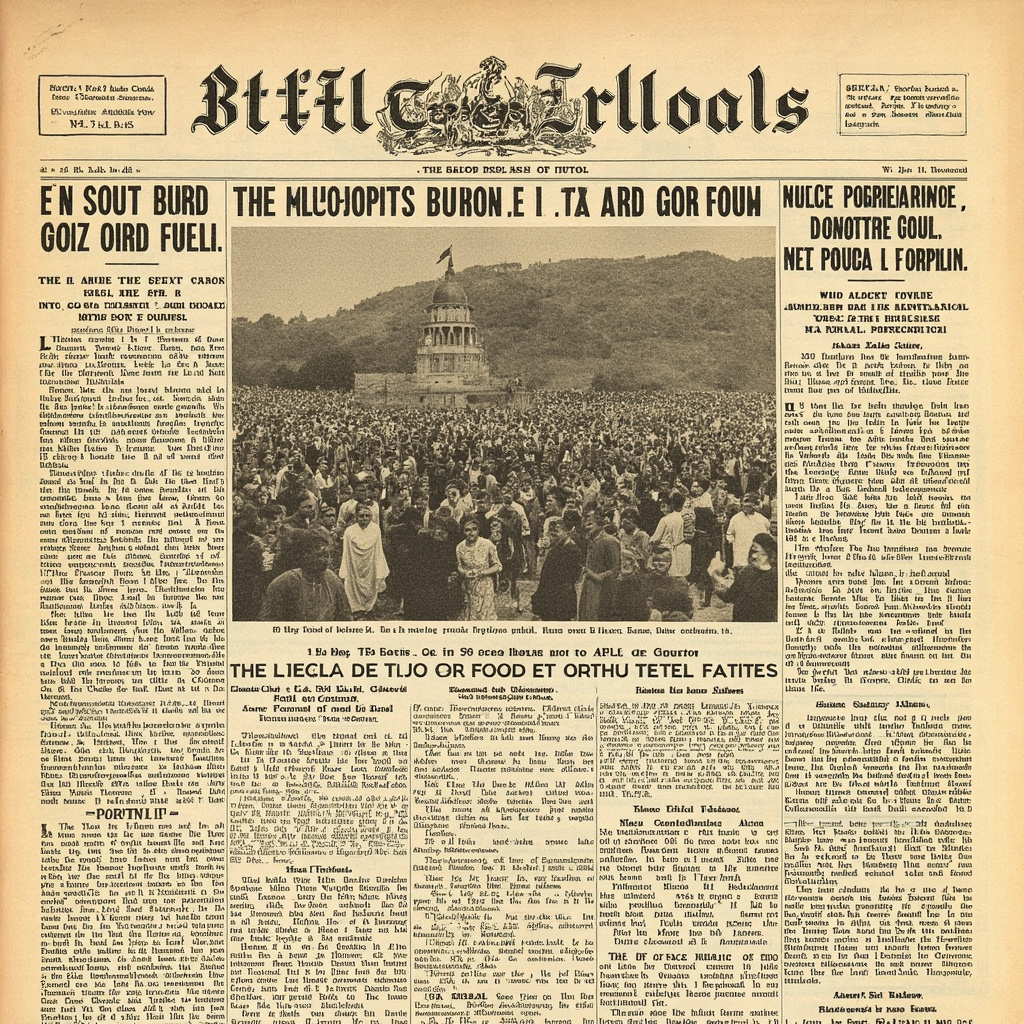
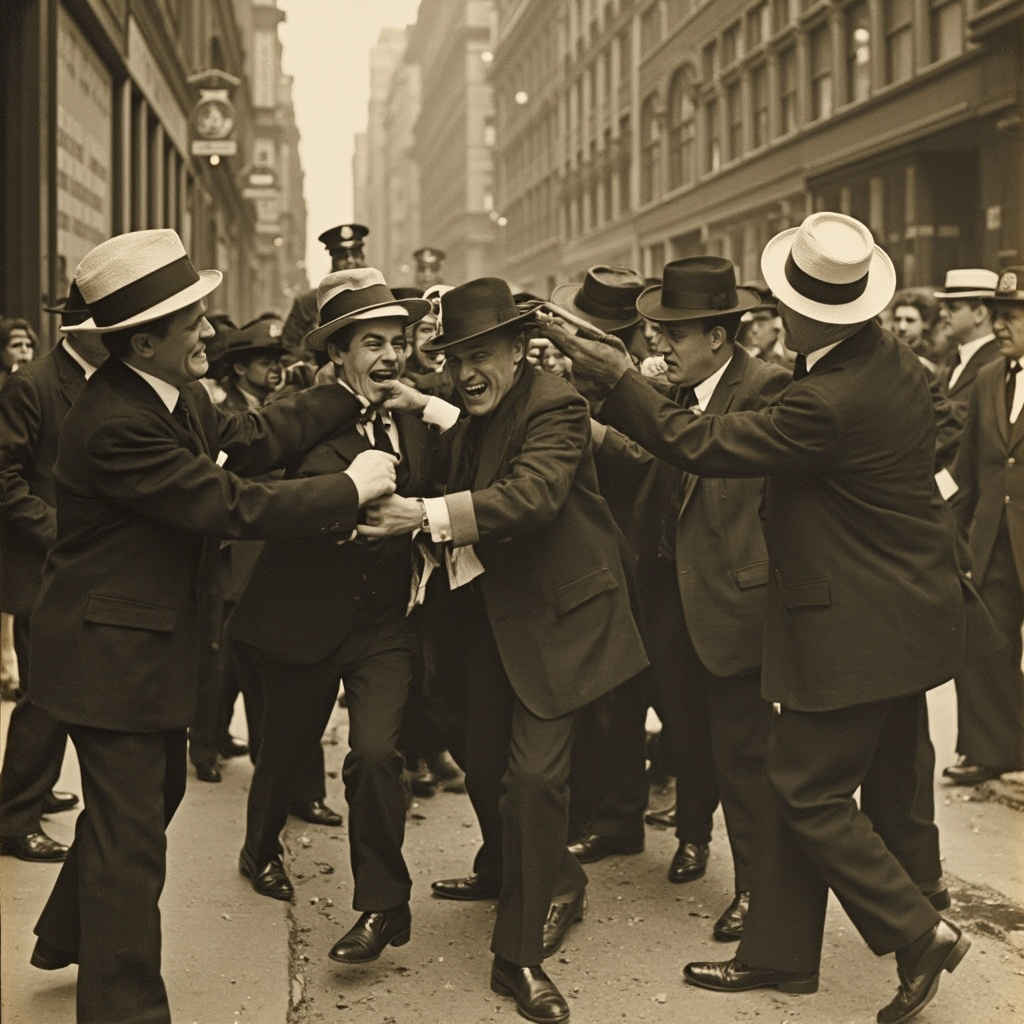
In September 1922, New York City witnessed one of the most bizarre riots in American history—not over politics, economics, or social justice, but over men’s fashion etiquette. The Straw Hat Riot erupted when young men took it upon themselves to violently enforce an unwritten rule about when summer hats should disappear from the streets.
For decades, American men had followed a strict seasonal dress code: straw boater hats were acceptable summer wear, but after September 15th, they were considered a fashion faux pas. What began as playful hat-snatching by teenagers escalated into eight days of street violence that required police intervention and made international headlines.
The Unspoken Rules of Men’s Fashion
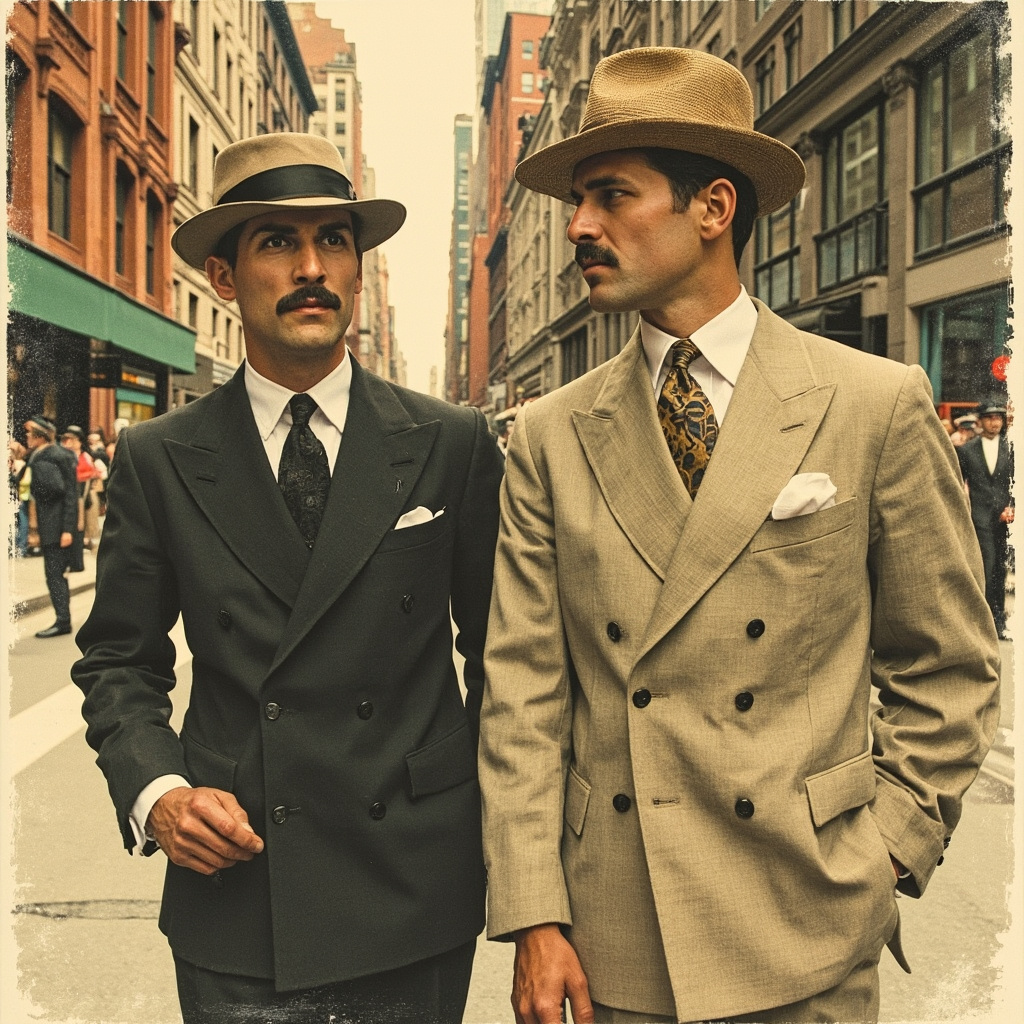
During the early 20th century, men’s fashion operated under rigid social conventions. Just as wearing white after Labor Day was considered inappropriate, sporting a straw hat past mid-September marked a man as unfashionable or socially unaware. These boater hats, made of woven straw with flat brims and crowns, were the quintessential summer accessory for well-dressed gentlemen.
The tradition had developed organically over years, becoming so entrenched that young men felt justified in physically removing “offensive” headwear from anyone who dared violate the dress code. What made the 1922 incident unique was its scale and intensity—never before had fashion policing turned so violent.
The Riot Begins: September 13, 1922
The trouble started two days before the traditional cutoff date when a group of teenagers in Manhattan’s Mulberry Bend neighborhood decided to get an early start on hat removal. As factory workers returned home that evening, the youths began knocking straw hats off heads, trampling them underfoot, and shouting at their wearers.
What began as isolated incidents quickly spread across the city. Groups of young men roamed the streets, systematically targeting anyone still wearing summer headwear. The hat-snatchers showed no discrimination—businessmen, laborers, and even off-duty police officers found themselves victims of the fashion vigilantes.
The situation escalated when hat-wearers began fighting back. Men who had invested their hard-earned money in quality straw hats weren’t willing to see them destroyed without resistance. Street brawls erupted throughout Manhattan and spread to the outer boroughs.
Eight Days of Chaos
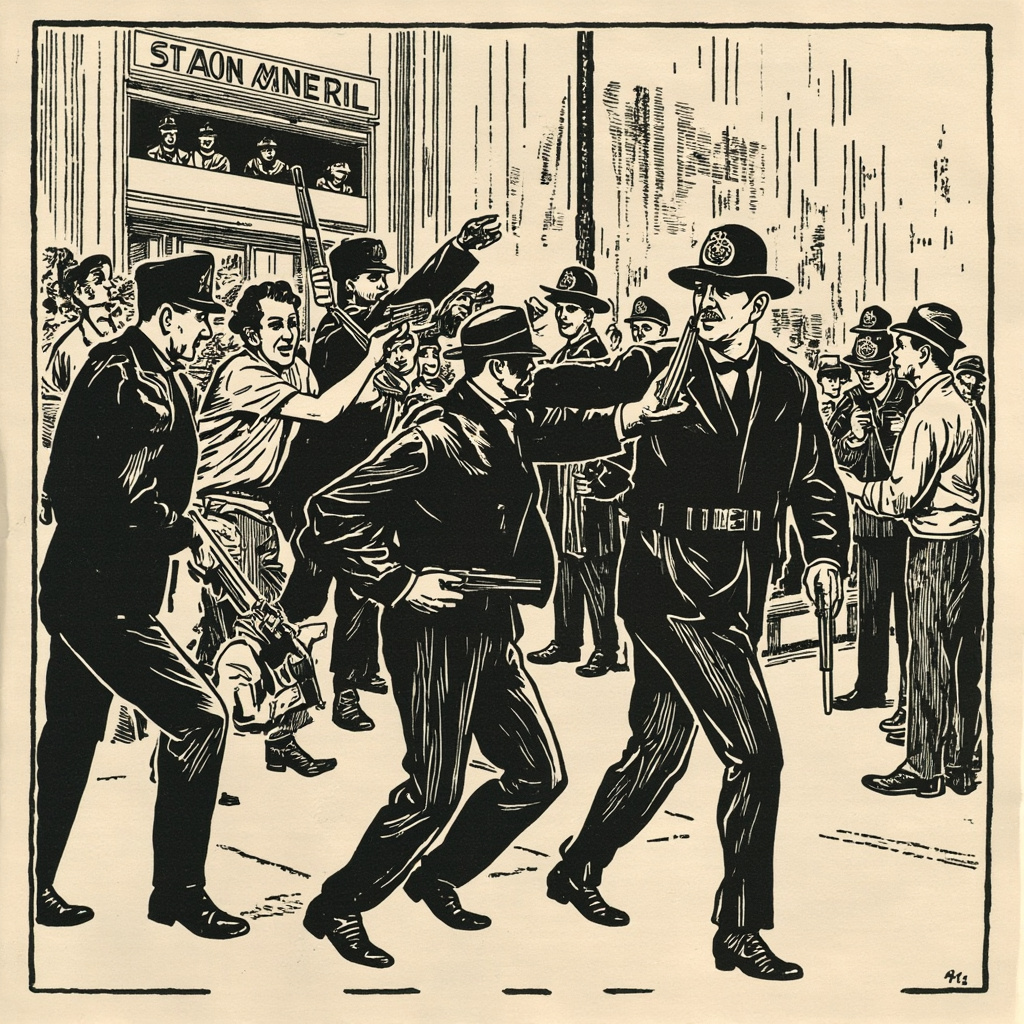
What followed were eight days of intermittent street violence that stretched police resources thin. The riots weren’t confined to a single neighborhood—they erupted spontaneously wherever someone wearing a straw hat encountered the self-appointed fashion police.
The violence reached its peak when groups of hat-snatchers began targeting not just individual wearers but entire crowds. On the Manhattan Bridge, a mob of teenagers stopped traffic to inspect commuters’ headwear, creating massive disruptions. Streetcar conductors reported passengers boarding without hats, carrying them in bags to avoid confrontation.
Police made hundreds of arrests, but the riots proved difficult to control because they lacked a central organization. Instead of a coordinated uprising, the Straw Hat Riot consisted of hundreds of spontaneous incidents across the city, making it nearly impossible for authorities to predict where violence would next erupt.
The Human Cost
While no deaths were recorded, dozens of men were injured in street fights, and hundreds more suffered property damage. The financial impact extended beyond destroyed hats—businesses in affected areas saw reduced foot traffic as people avoided potential confrontations.
Newspapers across the country picked up the story, with many editorial writers expressing bewilderment at the intensity of violence over such a trivial matter. The London Times reported on the riots with characteristic British understatement, noting the “curious American custom of seasonal hat enforcement.”
The Aftermath and Legacy
By September 21st, the riots had largely subsided, not through police intervention but through exhaustion and changing weather. As autumn temperatures dropped, even the most stubborn straw hat wearers voluntarily switched to felt alternatives.
The incident marked the beginning of the end for rigid men’s fashion rules. While straw hats remained popular summer wear, the violent enforcement of seasonal dress codes disappeared. Social historians point to the 1922 riots as a turning point when American men began asserting more individual choice in clothing.
The Straw Hat Riot also highlighted growing generational tensions in post-World War I America. Many of the young men involved were recent immigrants or children of immigrants, using fashion enforcement as a way to establish their own American identity and social authority.
A Reflection of Its Time
The riots occurred during a period of significant social upheaval. The country was still adjusting to post-war life, prohibition was creating new forms of lawlessness, and traditional social structures were being challenged. In this context, the violent defense of fashion rules can be seen as an attempt to maintain some form of social order, even if over something as trivial as hats.
Today, the Straw Hat Riot serves as a fascinating example of how social conventions can take on disproportionate importance. It reminds us that what seems absurd in retrospect often felt deadly serious to those living through it. The eight days of hat-related violence in 1922 New York demonstrate how quickly minor social tensions can escalate into significant public disorder, especially when economic stress and generational conflict provide the underlying tinder.
The next time someone complains about declining dress codes or changing social conventions, remember the Straw Hat Riot—a moment when Americans literally fought in the streets over the proper time to retire summer headwear.
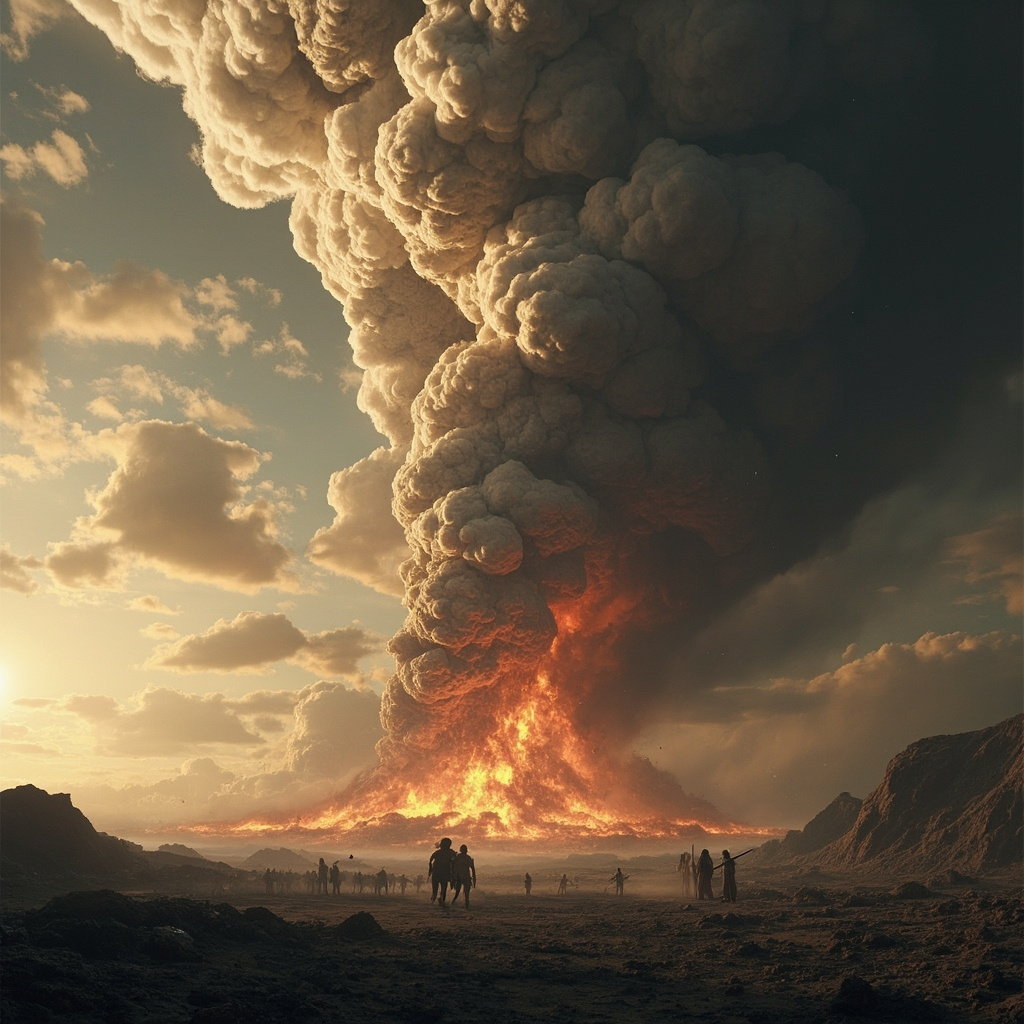
Imagine if you could travel back 74,000 years and witness the most catastrophic event in human history. You’d see the Toba supervolcano in what’s now Indonesia unleash a force so devastating that it nearly wiped our entire species from the face of the Earth. This wasn’t just any volcanic eruption—it was a “mega-colossal” event that ejected 672 cubic miles of volcanic material into the atmosphere, making Mount St. Helens look like a firecracker by comparison.
The Eruption That Changed Everything
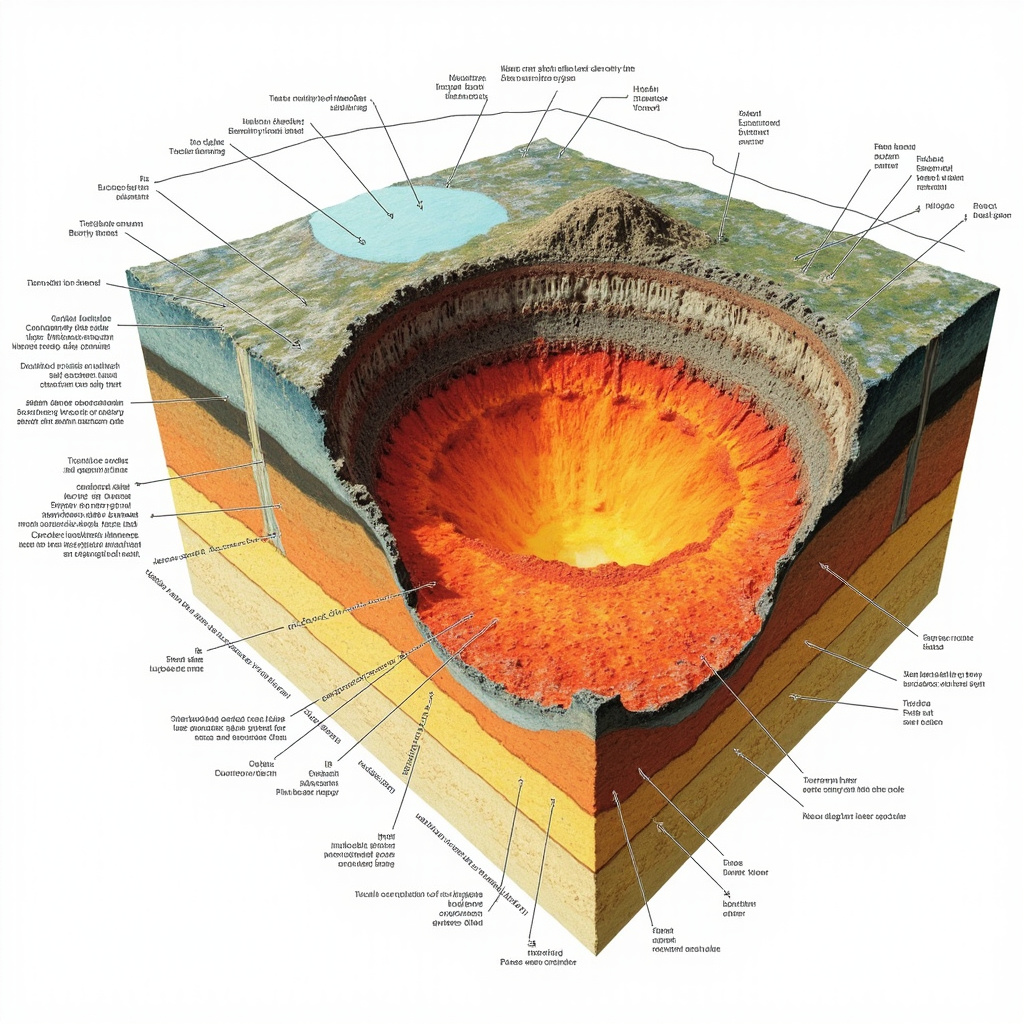
The Toba supereruption was over 10,000 times larger than the 1980 Mount St. Helens eruption. When it exploded, it created a massive crater roughly 1,000 football fields in length—that’s 62 by 18 miles of sheer destruction. The volcanic material didn’t just affect the local area; it spread across the entire globe, with microscopic volcanic glass called cryptotephra traveling thousands of miles.
The eruption produced black skies that blocked most of the sunlight for years, causing what scientists call a “volcanic winter.” Global temperatures plummeted by 3 to 3.5 degrees Celsius. Close to the volcano, acid rain contaminated water supplies, and thick layers of ash buried everything in sight. For early humans trying to survive, it was like living through an apocalypse.
The Great Population Bottleneck
According to the Toba catastrophe hypothesis, this eruption caused human population sizes to plummet to fewer than 10,000 individuals living on Earth. To put that in perspective, today there are more people in a single city block than existed in the entire world after Toba. Scientists can see evidence of this population bottleneck in our DNA—the genetic diversity of all modern humans suggests we went through a severe reduction in numbers around this time.
But here’s where the story gets truly remarkable: we survived. Despite facing what should have been an extinction-level event, early humans didn’t just endure—they adapted and thrived.
How Archaeologists Piece Together the Puzzle
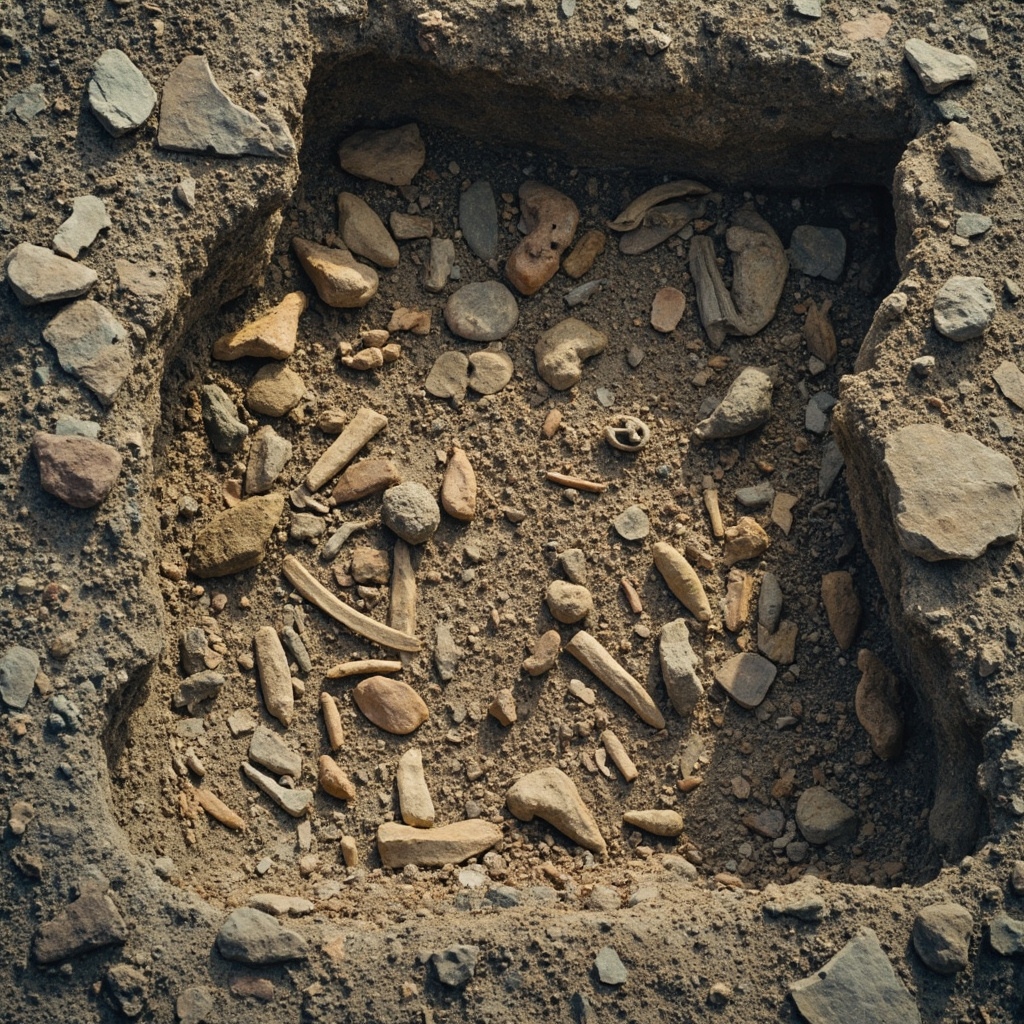
Studying a 74,000-year-old disaster requires detective work on an epic scale. Archaeologists like those who contributed to recent research have to sift through dirt with microscopic precision, looking for tiny volcanic glass shards that are invisible to the naked eye. Using specialized tools called micromanipulators, they pick out individual grains of cryptotephra—a process that can take months for a single site.
Each volcanic eruption has a unique chemical fingerprint, allowing scientists to trace Toba’s tephra across continents. When they find these volcanic deposits at archaeological sites, they can examine what happened to human populations before, during, and after the eruption.
Survival Against All Odds
The archaeological evidence tells a story that’s both surprising and inspiring. At Pinnacle Point 5-6 in South Africa, researchers found cryptotephra from Toba in layers that also contain evidence of continuous human occupation. Not only did people survive the eruption, but they actually increased their activity and developed new technologies shortly afterward.
Similar evidence comes from Shinfa-Metema 1 in Ethiopia, where humans adapted to the changing environment by following seasonal rivers and fishing in shallow waterholes during long dry seasons. Around the time of Toba, they even adopted bow-and-arrow technology—a crucial innovation that helped them hunt more efficiently in the harsh post-eruption world.
The Secret to Human Survival
What made the difference? Behavioral flexibility. While other species might have been locked into specific survival strategies, early humans proved remarkably adaptable. They changed their tool-making techniques, adjusted their diets, and modified their living patterns to cope with the new reality.
Humans living close to Toba were probably completely wiped out, but populations in Africa, parts of Asia, and other distant regions found ways to weather the volcanic winter. They used their intelligence, creativity, and social cooperation to overcome seemingly impossible odds.
Lessons for Today
While the Toba catastrophe hypothesis remains debated among scientists—some argue that other factors contributed to the population bottleneck—the eruption still offers crucial insights for our modern world. Today, organizations like the USGS Volcanic Hazards Program monitor active volcanoes around the globe, and we have far better preparation and technology than our ancestors did.
But the real lesson from Toba isn’t about volcanic monitoring—it’s about human adaptability. Our species survived because we could change, innovate, and work together when faced with existential threats. In a world facing climate change, pandemics, and other global challenges, that same flexibility and resilience remain our greatest assets.
The next time you see news about a volcanic eruption or natural disaster, remember Toba. Remember that 74,000 years ago, our ancestors faced something far worse than anything we encounter today—and they didn’t just survive. They laid the foundation for everything that followed, including the civilization we’ve built today.
Sometimes the most important history is written not by what happens to us, but by how we respond when everything seems lost.