The Aftermath: Richard II’s Broken Promises and the Bloody Reprisals

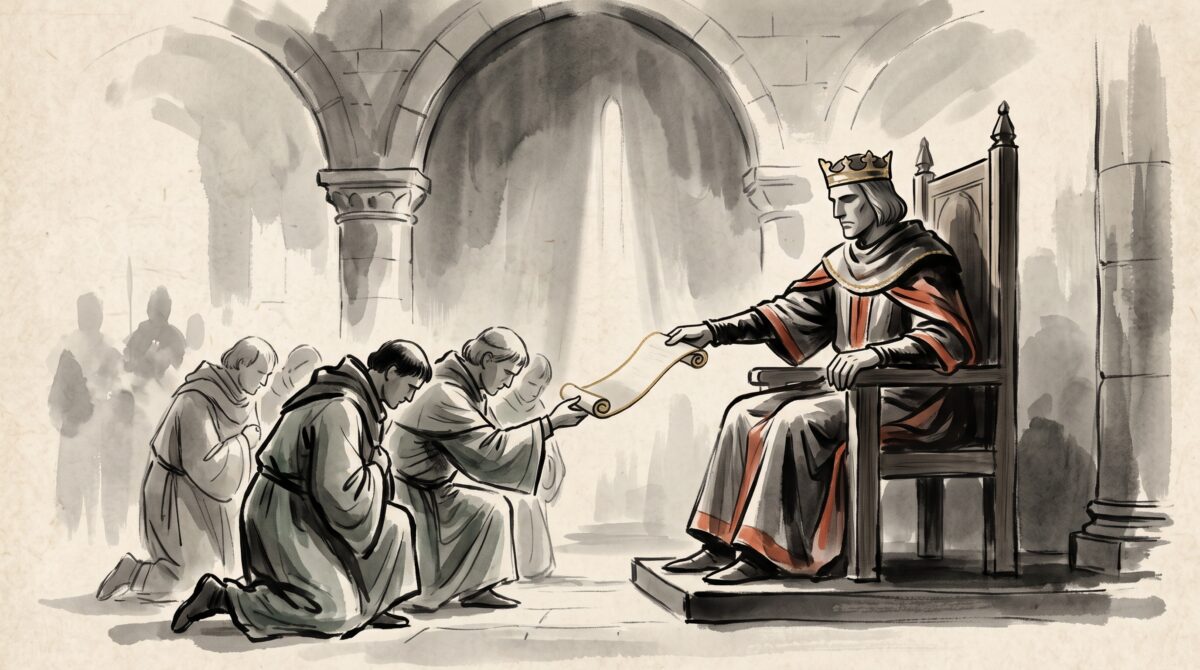
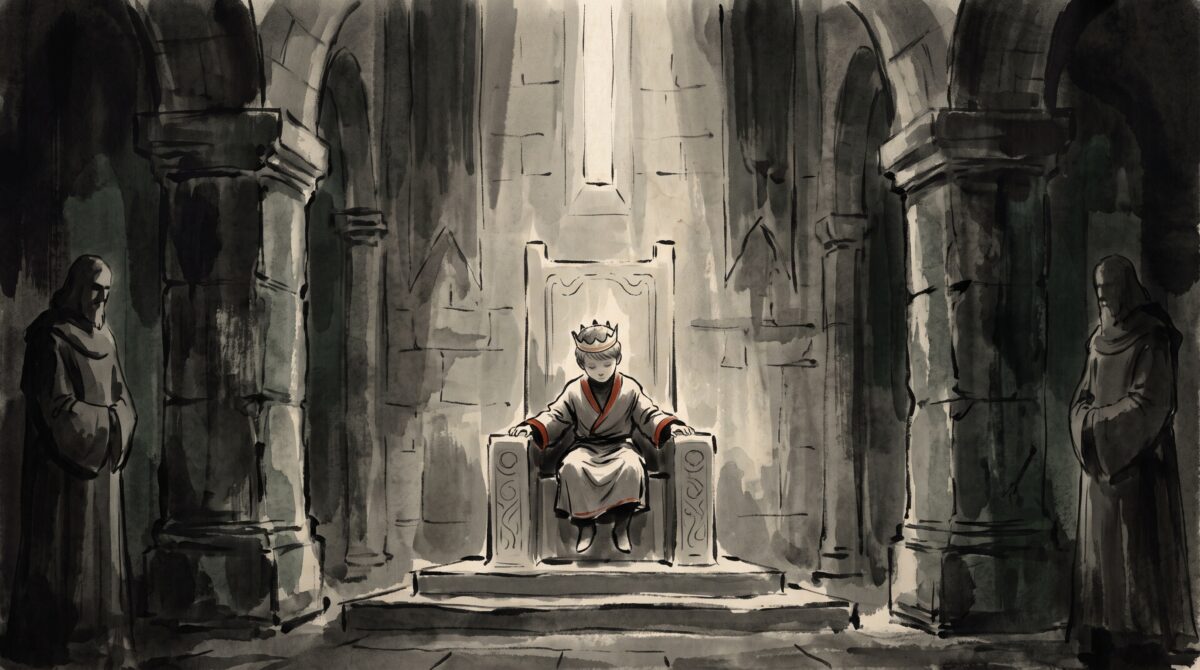
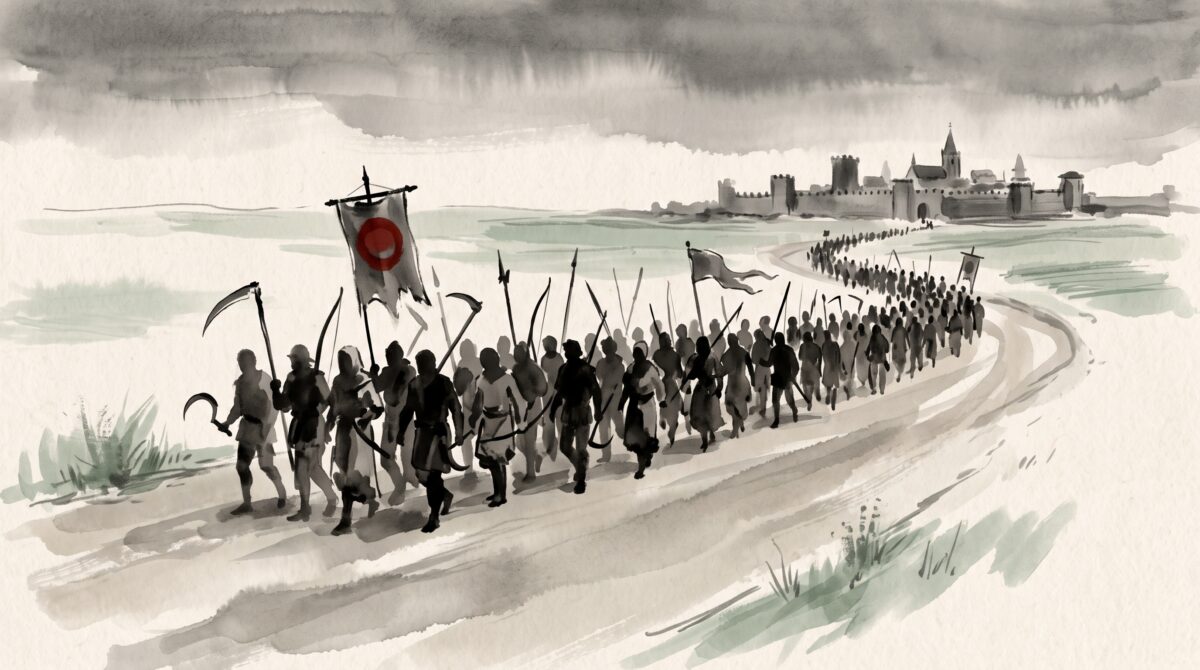
At Smithfield the boy-king promised the rebels everything — freedom, pardons, an end to serfdom, all set down in royal charters. Within weeks he tore the charters up, rode into Essex with an army, and told the survivors to their faces: ‘Villeins ye are, and villeins ye shall remain.’ This is what happened after the Peasants’ Revolt collapsed.

Simon Sudbury: The Archbishop the Rebels Beheaded on Tower Hill

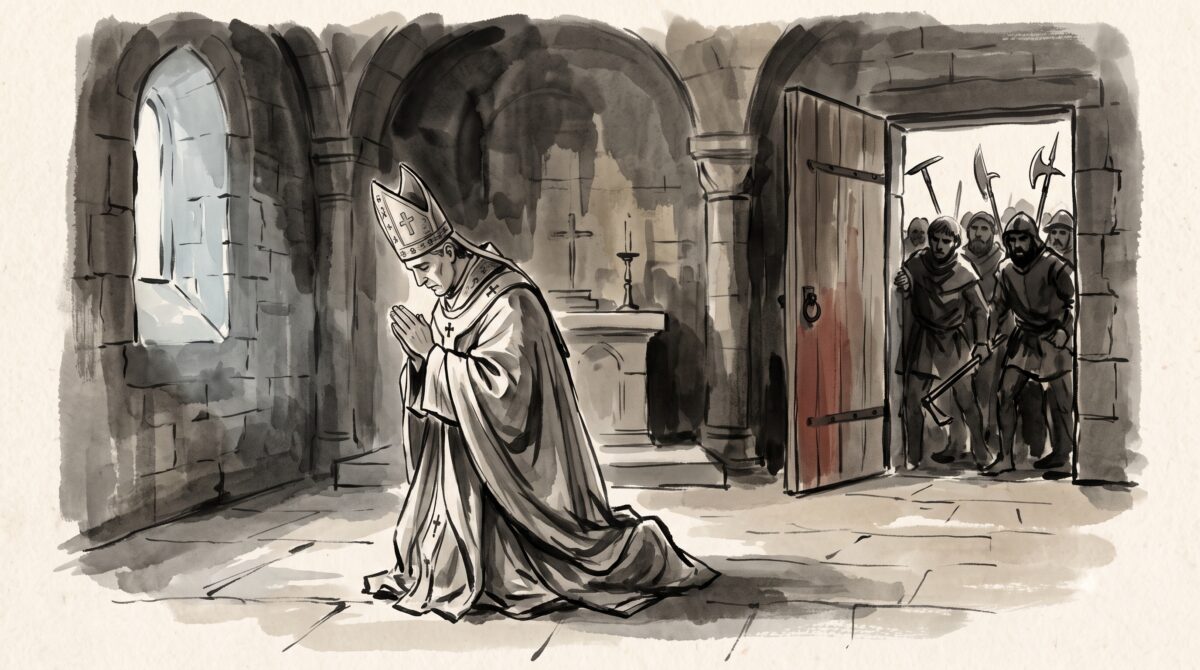
As Archbishop of Canterbury and the King’s Chancellor, Simon Sudbury put his name to the tax that lit the fuse of 1381. On the morning the rebels stormed the Tower, they dragged him out to Tower Hill — and it took eight blows of the axe to kill him. His skull still survives in Suffolk today.

The Statute of Labourers: Wage Caps That Fuelled a Revolt

After the Black Death made workers scarce and wages soar, England’s rulers tried to freeze the economy by law. The Statute of Labourers capped pay at pre-plague levels, criminalised the poor for asking for more, and spent thirty years grinding down a peasantry that never forgot it — until 1381.

The Poll Tax of 1381: The Tax That Sparked a Rebellion

In four years the English Crown demanded three poll taxes to pay for a failing war. The third — a flat shilling a head — was the spark that lit the greatest popular rising in medieval England. This is how a tax broke a kingdom’s patience.