Hugh Glass: The Frontiersman Who Crawled 200 Miles After a Grizzly Left Him for Dead

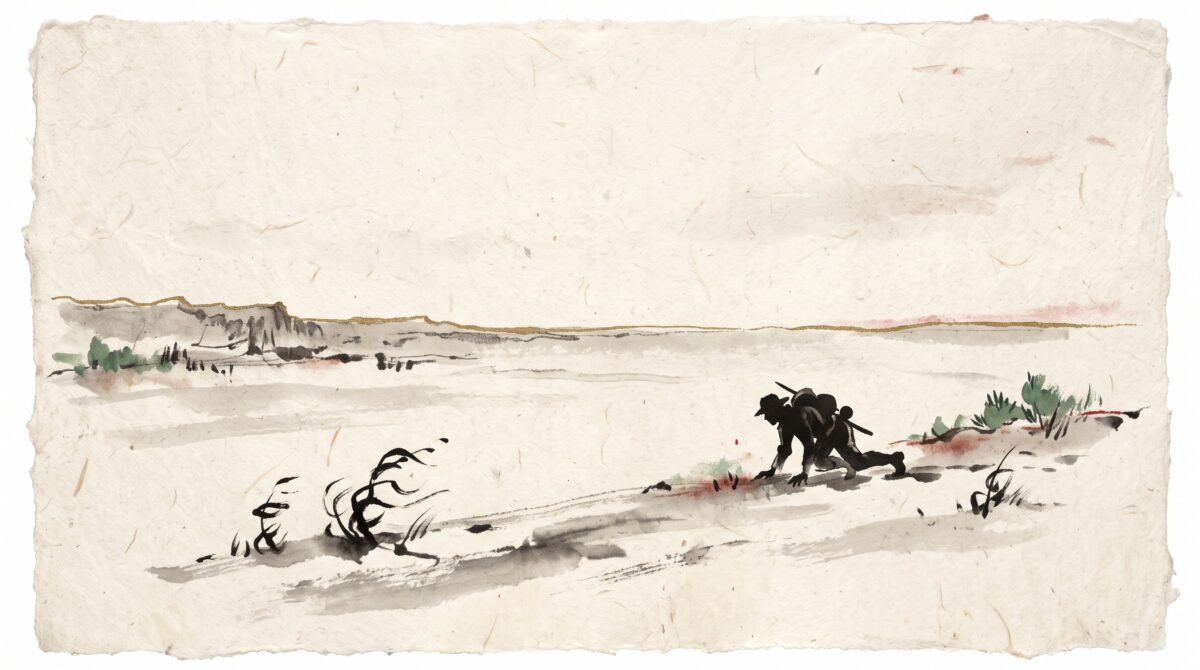
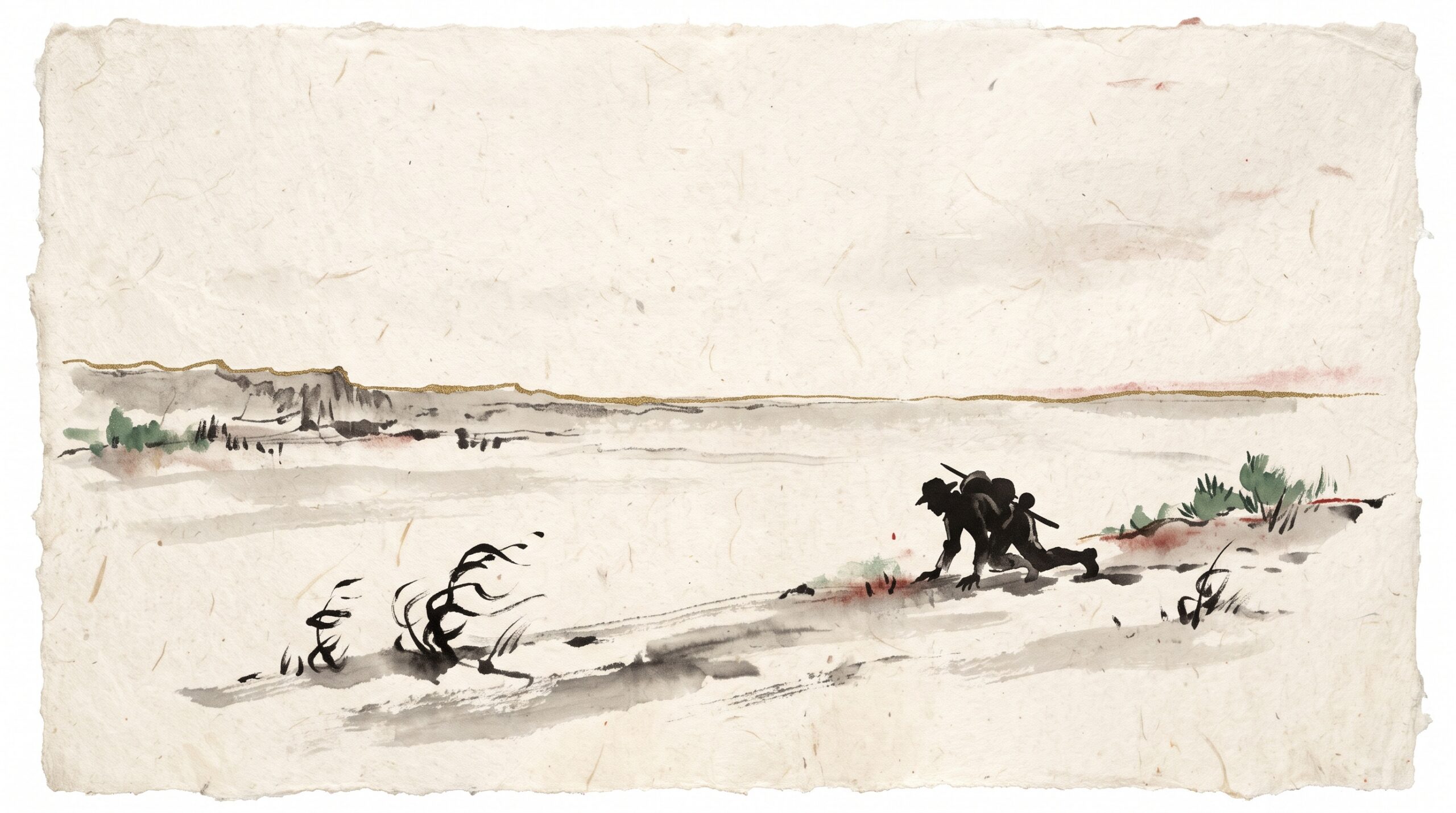
In the late summer of 1823, somewhere along the forks of the Grand River in present-day South Dakota, a fur trapper named Hugh Glass surprised a grizzly bear and her cubs. There was no fight in any meaningful sense. The bear was on him before he could raise his rifle, and when his companions finally drove her off, the man on the ground did not look like something that could be saved. His scalp was torn, his throat was opened, his leg was broken, and his back was laid bare to the ribs. The men of the expedition did what frontier parties did with the dying: they waited for him to finish.
The company that could not wait
Glass was part of a brigade led by Andrew Henry, pushing up the Missouri country for the fur trade — dangerous ground, with Arikara war parties active and every hour of delay a risk to the whole company. Henry could not hold dozens of men in place indefinitely for one dying trapper. So he offered a bounty to any who would stay behind, keep watch until the end, and give Glass a proper burial. Two men took it: an older hand and a teenager often remembered as a young Jim Bridger, who would later become one of the most famous mountain men in America.
They stayed — for a while. Then, by their account frightened of approaching native parties, they took Glass’s rifle, his knife, his flint, everything a man needs to live in the wilderness, and they left. They rejoined the company and reported him dead. It was not an unreasonable lie. No one crawled away from wounds like his.
The bear that started it
To understand what Glass survived, you have to understand what mauled him. The grizzlies of the early-1800s plains were apex animals in a landscape with no reason to fear humans. A sow protecting cubs was among the most dangerous things on the continent. Trappers of the era traded stories of bears that absorbed multiple musket balls and kept coming. Glass did not defeat his bear. He simply outlasted the damage it did — which, given the medicine of 1823, meant no stitches, no antibiotics, no clean water, and a festering back he could not see or reach.
The crawl
When Glass woke — alone, weaponless, his leg useless — he made a decision that reads as almost unhinged and turned out to be the most rational thing available: he would get to Fort Kiowa, roughly 200 miles downriver. On his hands and knees.
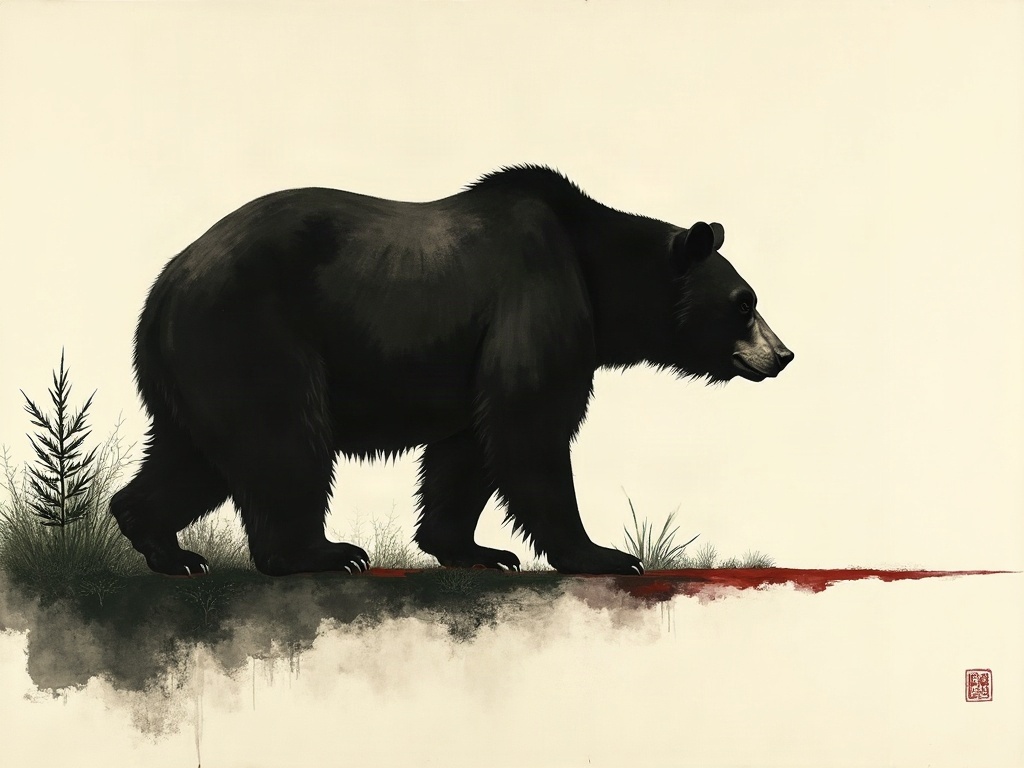
He set his own broken leg. He let maggots clean the rotting flesh of his back, a grim mercy that may have kept gangrene at bay. He ate wild berries and roots, and — in the story’s most famous turn — drove wolves off a downed bison calf to scavenge the meat. He floated stretches of river on a makeshift raft when he could, crawled when he could not, and navigated by the water itself. It took him roughly six weeks. Six weeks of open wounds, exposure, and the single idea that kept his elbows moving forward.
What he was crawling toward
Most retellings make it a revenge story, and Glass did set out to find the two men who had robbed and abandoned him. But the ending resists the Hollywood version. By the accounts that survive, when he finally caught up with the younger man — the teenage Bridger — he spared him on account of his youth. The older man had enlisted in the army, putting him beyond easy reach of frontier justice, and Glass is said to have let the matter go rather than hang for killing a soldier. The man who crawled 200 miles for vengeance mostly settled for having lived to demand it.
The parts we can and can’t verify
Hugh Glass left no diary. His story comes down through retellings, some printed within a few years, each sanding and polishing the tale. Historians debate the exact mileage, the identity of the two men, and how much the wolves-and-bison scene owes to good storytelling. What is not seriously disputed is the core: a man was mauled nearly to death, was abandoned, and made his own way back across a brutal stretch of country when everyone who knew him had already counted him gone. He went on trapping for several more years and was eventually killed, fittingly and unceremoniously, in another frontier encounter.
Why it still holds us
We keep returning to Hugh Glass not because of the bear and not even because of the betrayal, but because of the crawl — the stubborn, unglamorous, inch-by-inch refusal to accept a verdict that everyone else had already signed. There was no audience out there on the Grand River, no one to be brave for. He could have stopped at any yard of those 200 miles and no one would ever have known the difference. He kept going anyway. That is the part that still reaches across two centuries: the quiet discovery that the line between the dying and the living is sometimes just the decision to move one more time.
Related Reading
- The Bear River Massacre: The Deadliest Day for Native Americans That America Forgot
- Ada Blackjack: The Inuit Seamstress Who Survived Two Years Alone in the Arctic