The Battle of Karansebes: The Night an Army Destroyed Itself

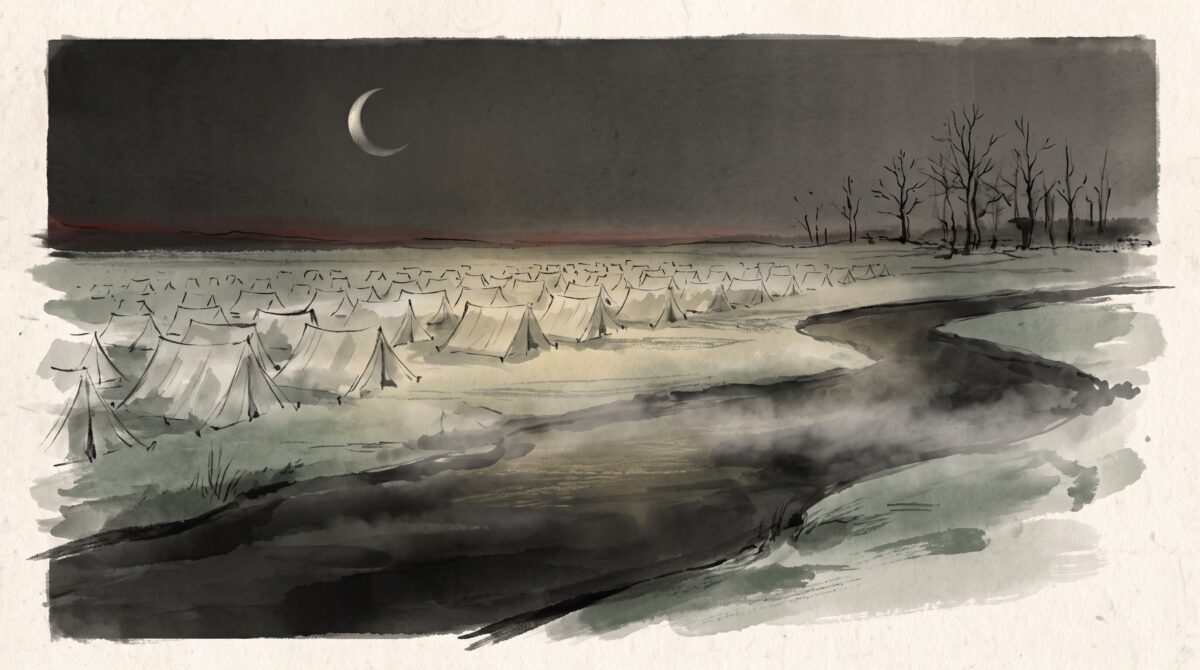
An army is meant to be the most disciplined machine a nation can build — thousands of men trained to move, halt, and fire on a single word of command. So imagine one of the great armies of 18th-century Europe, tens of thousands strong, marching out to meet the Ottoman Turks. Now imagine that army, in the space of one dark night, panicking, opening fire on itself, and fleeing the field in ruins — without a single enemy soldier ever laying eyes on it. That, according to the story, is what happened near a small town in what is now Romania in September 1788. It is one of the strangest defeats ever recorded, and it may be the only battle a nation ever lost entirely to itself.
An Emperor’s War on the Danube
The setting was the Austro-Turkish War of 1788 to 1791, a bloody contest between the Habsburg Empire and the Ottoman Turks for control of the Danube frontier. The Holy Roman Emperor Joseph II had thrown in with Russia against the Ottomans, and he took the unusual step of leading his army in person. It was an enormous, cumbersome force — some accounts put it near a hundred thousand men — and, crucially, it was not a single people under arms. The Habsburg army was a patchwork of the empire’s many nations: Austrians and Germans, Hungarians, Croats, Serbs, Czechs, Romanians, and Italians, each speaking their own language and often unable to understand the man marching beside them.
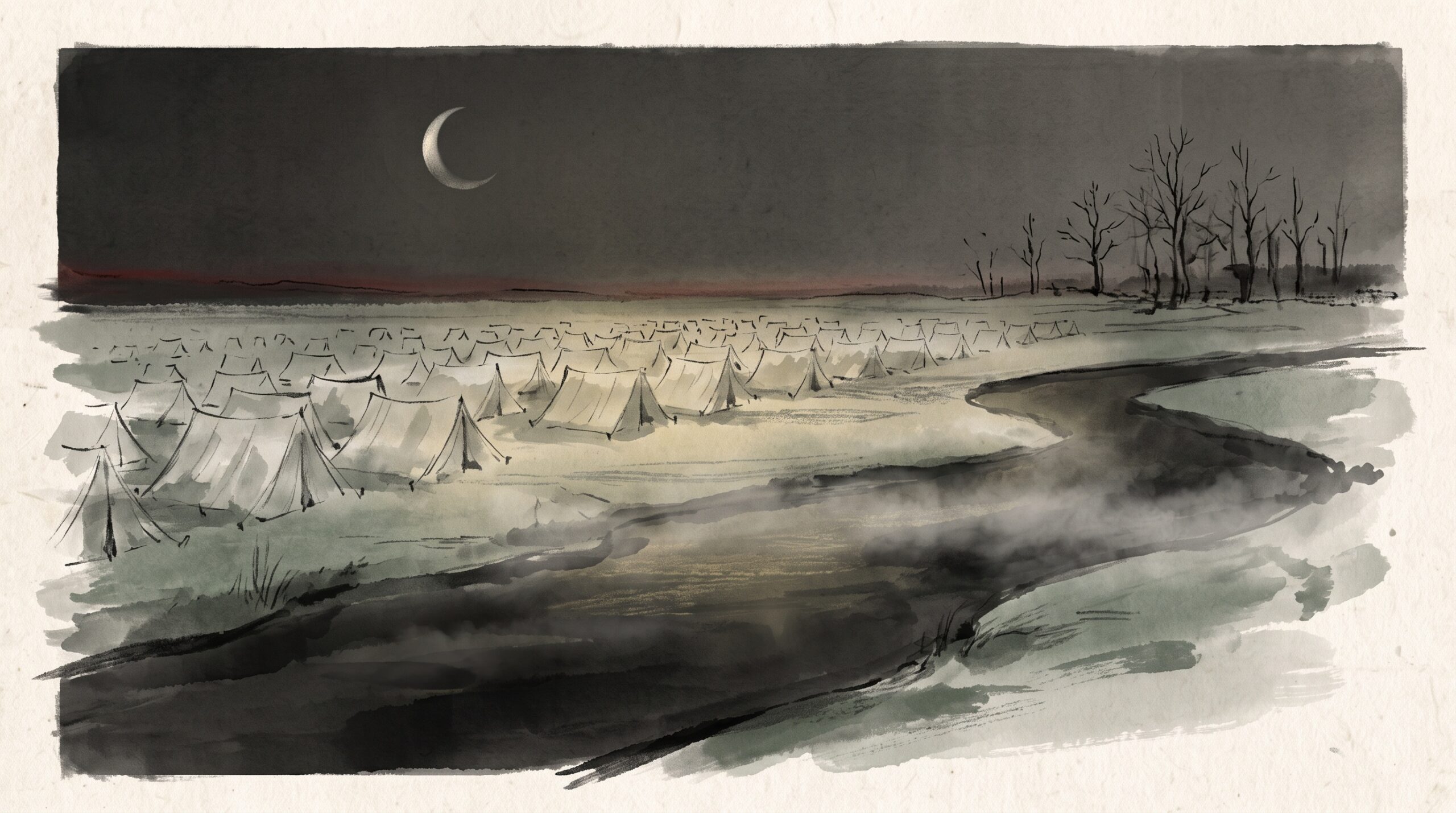
In September the army approached the town of Caransebes, hunting an Ottoman force under Grand Vizier Koca Yusuf Pasha that was moving up from the south. The men were tired, wet, and strung out along the marshy banks of the Timis river. It was into this exhausted, polyglot host that a small spark would fall.
The Barrels by the River
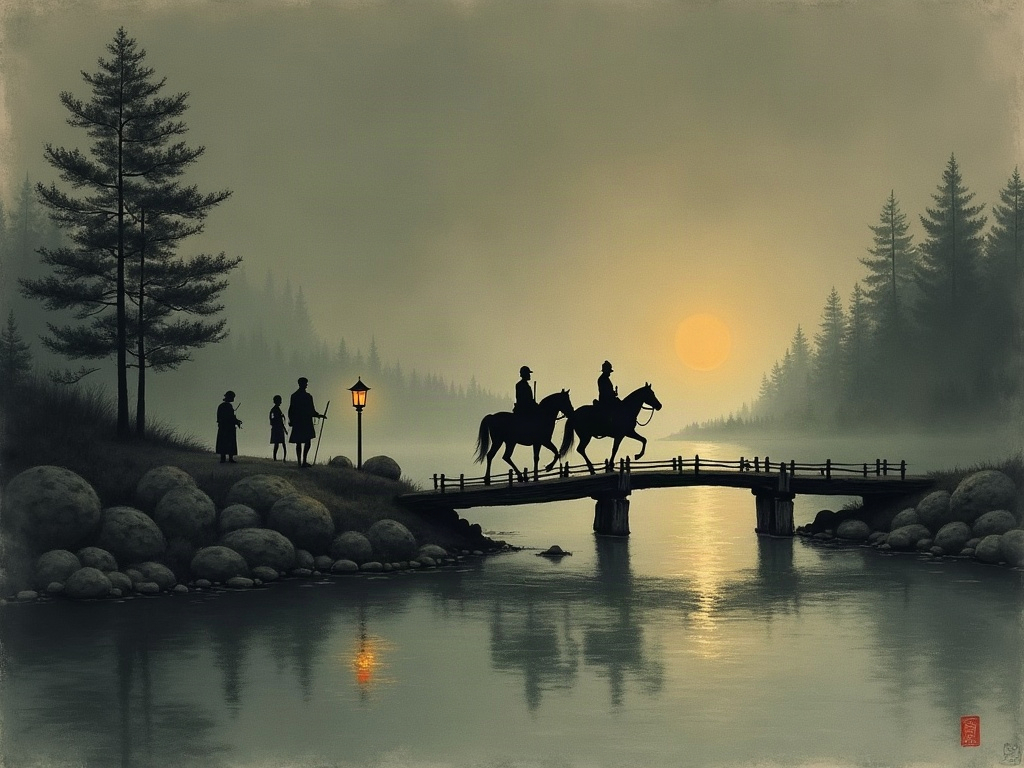
As night came on, a party of hussars — light cavalry sent ahead to scout the far bank of the Timis — crossed the river looking for the enemy. They found no Turks. What they found instead was a group of travellers, often described as Roma, who were happy to sell the thirsty horsemen barrels of schnapps. The hussars, delighted, set about drinking.
Before long a body of infantry crossed the same river, also scouting, and came upon the cavalrymen and their prize. The foot soldiers wanted a share of the liquor. The hussars, by now well into the barrels, refused — and, in some tellings, rolled the casks together into a makeshift barricade to defend them. Words turned to shoving, shoving to threats. In the darkness, on the wrong side of a river, an argument over drink among tired, armed, half-drunk men was a fuse waiting for a flame. Then someone pulled a trigger.
One Word in the Dark
A single shot cracked out over the water. And here the disaster truly began. Someone — no one ever knew who — shouted the one word guaranteed to freeze the blood of every man in that army: Turci! The Turks! In a camp that had spent weeks bracing for an Ottoman ambush, the cry needed no translation to be understood as terror. Soldiers who had been dozing snatched up their muskets and fired blindly into the night.
The confusion was made catastrophic by the army’s own diversity. As officers tried to restore order, German-speaking commanders bellowed “Halt! Halt!” — but to the many soldiers who spoke no German, the cry sounded like “Allah! Allah!”, seeming to confirm that the enemy was upon them. Commands meant to calm the ranks instead convinced them they were surrounded. Much like the mob psychology that turned a sporting crowd murderous in the Nika Riots that nearly toppled Byzantium, fear moved faster than any officer could think.
An Army Firing at Itself
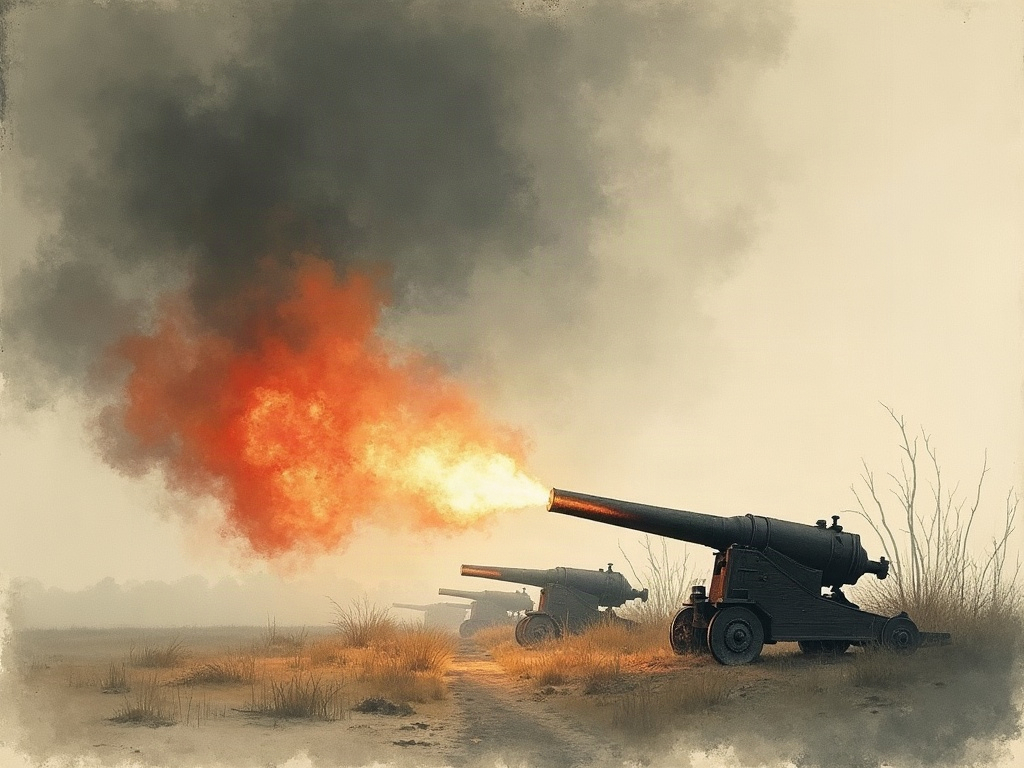
What followed was pure chaos. Hussars galloped back through their own camp to escape the phantom enemy, and infantry — seeing a mass of horsemen thundering out of the dark — took them for Ottoman cavalry and fired. Artillery crews, roused by the shouting and the shooting, wheeled their guns around and blasted grapeshot into the shadows where they imagined the Turks must be. There were no Turks. Every shot, every charge, every volley fell on their own comrades.
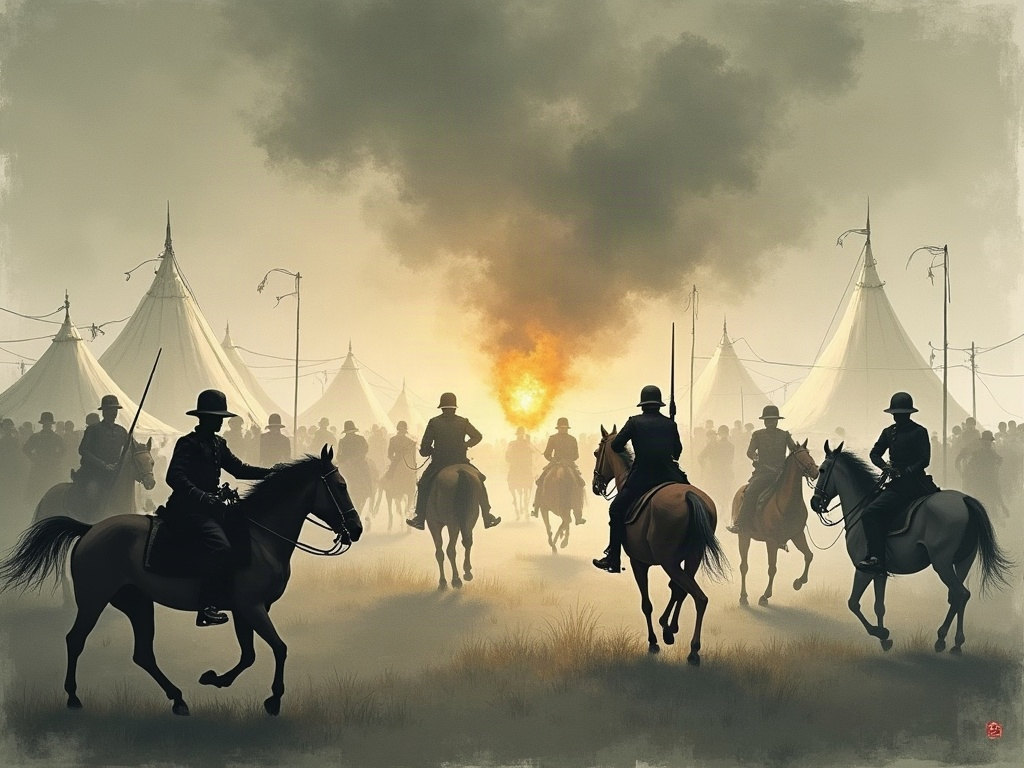
In the blackness no one could tell friend from foe. Whole units broke and ran, trampling tents, wagons, and each other. The story goes that Emperor Joseph II himself, caught in the stampede, was knocked from his horse into a stream, and that a secretary riding beside him was killed. The army — one of the largest in Europe — dissolved into a fleeing mob that fought and fired at itself for hours in the dark.
The Enemy Who Missed the Battle
By dawn the field was a shambles of dead horses, abandoned guns, wrecked supplies, and scattered men. And the great irony was complete: the Ottoman army was not there. Koca Yusuf Pasha’s forces reportedly arrived two days later to find the aftermath of a battle no one had fought against them — and simply occupied Caransebes, which the Austrians had effectively handed over by destroying their own camp. A campaign meant to press the Turks had instead cost the Habsburgs a town and, if the traditional figures are believed, thousands of casualties, all self-inflicted.
The episode belongs in the same strange gallery as history’s other absurd reversals — the sort of self-defeat that, in spirit, echoes the panic that undid other proud forces, not unlike the confusion and misdirection celebrated in the tale of the WWII Ghost Army that fooled Hitler with inflatable tanks, only here the deception was accidental and turned on its own side.
How Much of It Is True?
Honesty demands a caveat. The lurid, blow-by-blow version of Karansebes — the schnapps, the misheard “Allah,” the ten thousand dead — comes largely from accounts written decades after the event, most influentially in the 19th century. Contemporary records of the 1788 campaign are thin, and some historians argue the night’s losses have been badly exaggerated in the retelling, growing more dramatic with each generation. What is not seriously disputed is that the Habsburg army suffered a chaotic nighttime panic near Caransebes, that it fired on itself in the confusion, and that the town was lost to the Ottomans without a real fight. The bones of the story are real; the most colourful details may be the embroidery of later storytellers.
That tension — between the sober record and the legend that grows around it — is part of what makes Karansebes so enduring. Whether thousands died or far fewer, it stands as a warning as old as war itself: an army’s deadliest enemy can be its own fear. Command, language, exhaustion, and a little too much drink combined one dark night to prove that discipline is a fragile thing, and that panic, once loosed among frightened men with loaded weapons, needs no help from any foe. More than two centuries later, we remember it not to mock those soldiers, but because it reminds us how thin the line is between order and chaos — and how easily the dark, and a single misheard word, can turn brothers into enemies.
Sources & further reading:
Related Reading
- The Day Napoleon Was Defeated by Rabbits: The Most Humiliating Military Retreat in History
- The Burning of the Savoy Palace: The Rebels’ Fury Against John of Gaunt