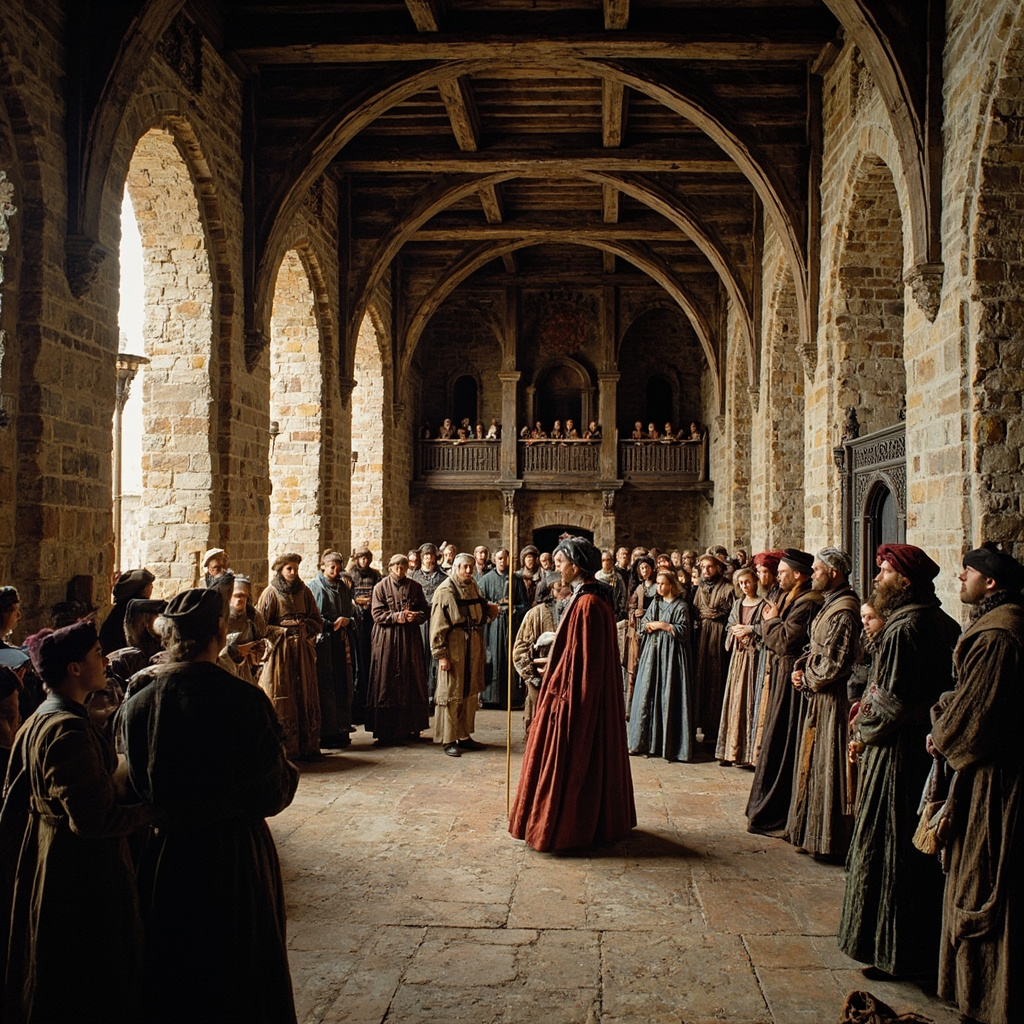
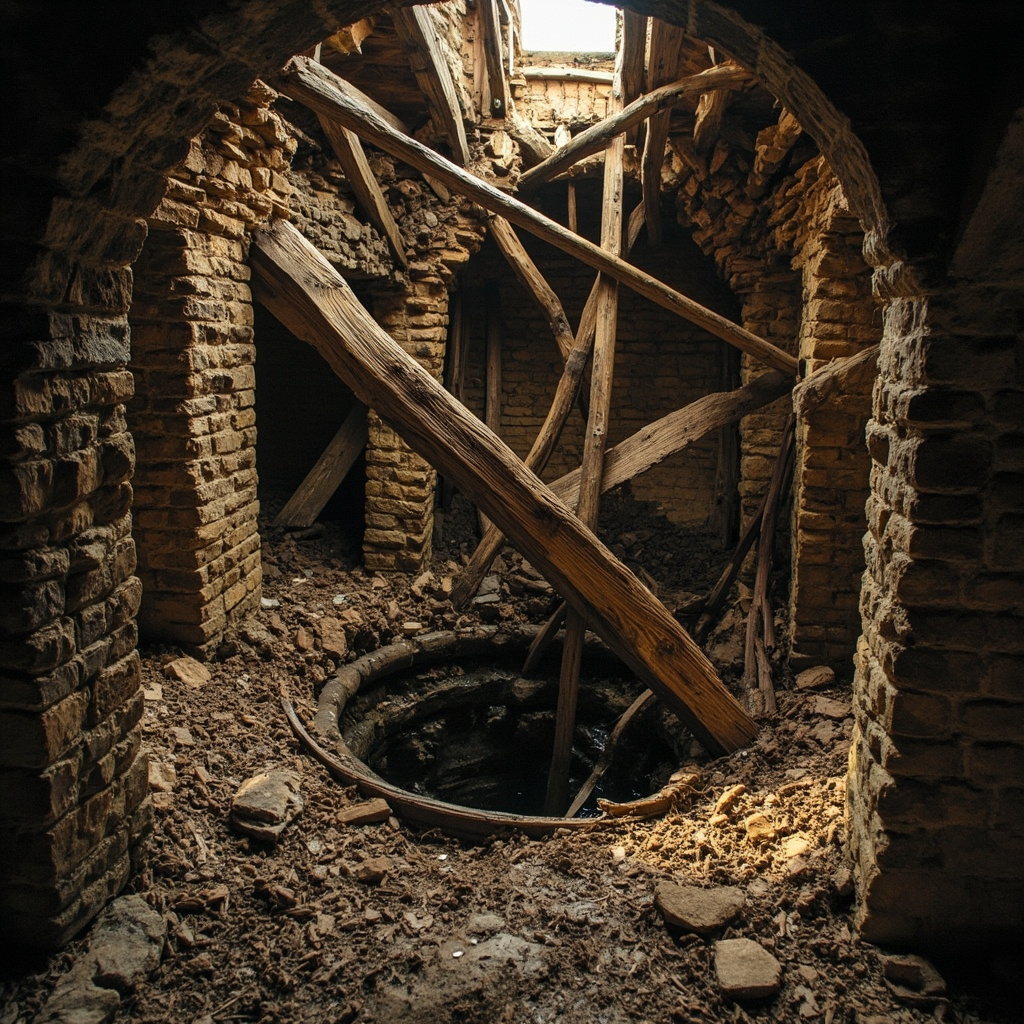
Gobekli Tepe: The 10,000-Year-Old Mystery That Rewrites Human History

Hidden beneath Turkish soil for millennia, Gobekli Tepe stands as one of archaeology’s most perplexing discoveries. This ancient site, dating back approximately 10,000 years, challenges everything we thought we knew about early human civilization and raises profound questions about our ancestors’ capabilities.

The Site That Should Not Exist

Gobekli Tepe predates Stonehenge by roughly 6,000 years and was built before the development of agriculture, pottery, or even the wheel. Yet its construction demonstrates sophisticated planning, advanced stoneworking techniques, and complex social organization that archaeologists thought impossible for hunter-gatherer societies.

Ancient Gobekli Tepe stone circles with massive carved pillars and intricate animal reliefs

  • Ancient Origins: Built around 9500 BCE, making it older than most major civilizations
  • Advanced Stonework: Precisely carved pillars weighing up to 20 tons each
  • Mysterious Purpose: Appears to be a ritual or religious complex rather than a settlement

Engineering Marvel of the Stone Age

The site consists of massive stone circles featuring intricately carved pillars decorated with reliefs of animals, abstract symbols, and human figures. The precision of the stonework rivals that of much later civilizations, leading archaeologists to question the linear progression of human technological development.

Construction Challenges

Building Gobekli Tepe would have required:

  • Advanced Planning: Coordinated effort involving hundreds of workers over generations
  • Sophisticated Tools: Stone-cutting and moving techniques that shouldn’t have existed
  • Social Organization: Complex hierarchical society capable of massive undertakings
  • Resource Management: Feeding and organizing large work crews without agricultural surplus

The Burial Mystery

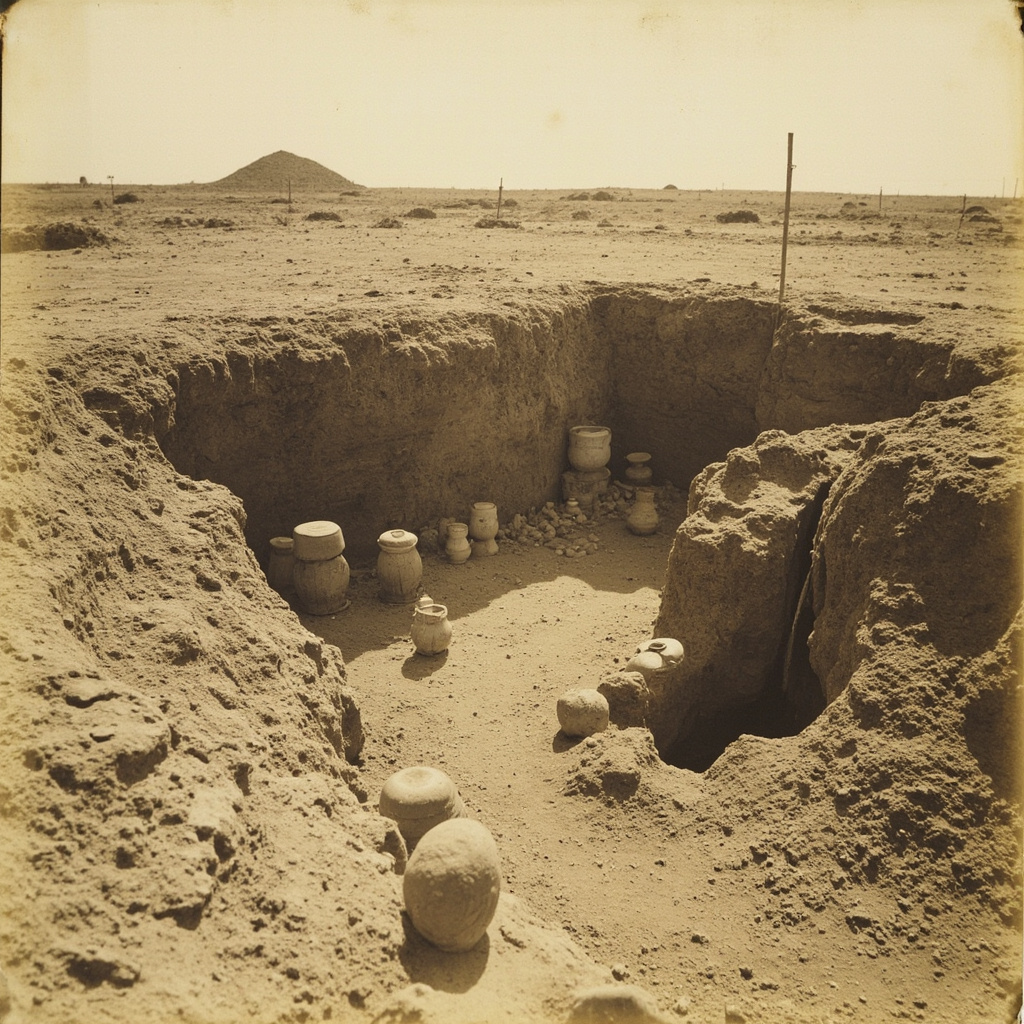
Perhaps the most intriguing aspect of Gobekli Tepe is that it was deliberately buried. Around 8000 BCE, the site was carefully covered with tons of earth and stone, preserving it for future discovery. This intentional burial raises haunting questions:

Ancient peoples deliberately burying Gobekli Tepe site with earth and stones for preservation

  • Why would ancient peoples abandon such a significant site?
  • What catastrophe or cultural shift prompted its burial?
  • Did they intend for it to be rediscovered?
  • What other knowledge might have been lost with this decision?

Implications for Human History

Gobekli Tepe forces archaeologists to reconsider fundamental assumptions about human development:

Revised Timeline

The site suggests that:

  • Complex religious and social structures predated agriculture
  • Advanced architectural knowledge existed much earlier than thought
  • Hunter-gatherer societies were capable of monumental construction
  • The development of civilization may not have been as linear as assumed

The Ongoing Mystery

Excavations have revealed only a fraction of the site—estimates suggest that 95% of Gobekli Tepe remains buried. Each new discovery raises more questions about our ancestors’ capabilities and motivations.

This remarkable site stands as a humbling reminder that human history is far more complex and mysterious than our textbooks suggest, and that our ancestors may have possessed knowledge and abilities that we are only beginning to understand.

The Unnerving Discovery at Roman Fort Magna That Changed History

In the summer of 2025, researchers exploring Roman Fort Magna in Northumberland made a discovery so significant and unsettling that it dwarfs everything else in their extensive collection. What they found challenges our understanding of Roman Britain and reveals a darker side of ancient military life.

The Fort That Time Forgot

Roman Fort Magna, located in the rugged landscape of Northumberland, was once a crucial outpost on Hadrian’s Wall. Built in the 2nd century CE, it served as a strategic military installation protecting the northern frontier of Roman Britain.

Roman Fort Magna ruins along Hadrian's Wall in Northumberland showing ancient stone fortifications

  • Strategic Location: Positioned to monitor movement across the Scottish borders
  • Military Significance: Housed auxiliary troops from across the Roman Empire
  • Archaeological Importance: One of the best-preserved forts along Hadrian’s Wall

The Discovery That Shook Archaeologists

What the team uncovered in 2025 was unlike anything previously found at Roman sites in Britain. The discovery was so “unnerving” that it required special handling and has forced historians to reconsider their understanding of Roman military practices.

Archaeological excavation team carefully uncovering mysterious Roman discoveries with dramatic lighting

Why This Find Matters

The discovery stands out for several reasons:

  • Unprecedented Nature: Nothing similar has been found at other Roman sites
  • Historical Impact: Forces revision of Roman Britain timelines and practices
  • Archaeological Significance: Provides new insights into frontier military life
  • Cultural Implications: Reveals previously unknown aspects of Roman-Celtic interaction

Rewriting Roman History

This find adds to a growing body of evidence that Roman Britain was far more complex and culturally diverse than previously understood. The frontier zones, in particular, were areas of intense cultural mixing and conflict.

The Bigger Picture

The discovery at Fort Magna fits into broader patterns of Roman frontier archaeology:

  • Evidence of local resistance and accommodation
  • Complex relationships between Roman troops and indigenous populations
  • Adaptation of Roman practices to British conditions
  • Previously unknown religious and cultural practices

Archaeological Innovation

The team’s work at Fort Magna demonstrates how modern archaeological techniques continue to reveal secrets hidden for nearly two millennia. Advanced excavation methods and scientific analysis have made discoveries possible that would have been impossible just decades ago.

This remarkable find reminds us that history is never truly settled—each excavation has the potential to overturn established understanding and reveal the complex, often troubling realities of ancient life along Rome’s most contested frontier.

Fossilized Bones Reveal Prehistoric Metabolic Secrets

Researchers have made a groundbreaking discovery that rewrites our understanding of fossilization and ancient life. By extracting thousands of preserved metabolic molecules from fossilized bones millions of years old, scientists have opened an unprecedented window into prehistoric biochemistry.

The Discovery That Changed Everything

This remarkable find challenges the long-held assumption that soft tissue and metabolic compounds cannot survive the fossilization process. The research team discovered intact metabolic molecules embedded within the bone matrix, providing direct biochemical evidence of how ancient organisms functioned.

Scientific illustration of metabolic molecules preserved within fossilized bone structure

  • Molecular Preservation: Metabolic molecules survived millions of years in crystalline bone structure
  • Biochemical Insights: Direct evidence of ancient metabolic processes and energy systems
  • Species Identification: Molecular signatures help identify previously unknown species

Revolutionary Research Methods

The breakthrough came through advanced extraction techniques that can isolate individual molecules from fossilized material without destroying the fossil itself. This non-destructive approach means that museum specimens worldwide could potentially yield similar molecular treasures.

Modern paleontology laboratory with scientists using advanced molecular extraction techniques

What the Molecules Reveal

The preserved molecules provide stunning insights into prehistoric life:

  • Diet and Nutrition: Specific metabolic markers reveal what ancient animals ate
  • Environmental Adaptation: Molecular signatures show how species adapted to climate changes
  • Evolutionary Pathways: Biochemical evidence tracks evolutionary developments over millions of years
  • Disease and Health: Metabolic indicators reveal ancient health conditions and immune responses

Implications for Paleontology

This discovery fundamentally changes how paleontologists study ancient life. Instead of relying solely on bone structure and morphology, researchers can now examine the actual biochemical processes that powered prehistoric organisms.

Future Applications

The research opens several exciting avenues:

  • Museum collections worldwide may contain similar molecular treasures
  • Ancient environmental conditions can be reconstructed with unprecedented accuracy
  • Evolutionary biology gains new tools for understanding species development
  • Medical research benefits from understanding ancient immune systems and diseases

This breakthrough represents one of the most significant advances in paleontology in decades, proving that the past holds more secrets than we ever imagined—and that science continues to find ingenious ways to unlock them.

From Speared Warriors to Vampire-Proofed Corpses: History’s Most Bizarre Burial Rituals

Death has always been humanity’s greatest mystery, inspiring elaborate rituals that reveal the deepest beliefs and fears of ancient civilizations. While modern burial practices seem straightforward, our ancestors developed burial customs so bizarre and complex that they challenge everything we think we know about how societies honored their dead.

The Speared Warrior: Releasing Spirits Through Violence

In a remarkable discovery from ancient Europe, archaeologists uncovered a burial site containing a high-ranking warrior whose grave revealed one of the most unusual post-mortem treatments ever documented. The deceased had been deliberately pierced with multiple spears after death, with the weapons positioned to protrude from his burial mound for years after his interment.

Ancient speared warrior burial site showing strategic spear placement through the corpse

This wasn’t grave desecration—it was a carefully planned spiritual procedure. The spears were placed strategically to “release” the warrior’s spirit, allowing it to escape his earthly remains and join the afterlife battles of fallen heroes. The protruding weapons served as permanent markers, visible to travelers and community members as symbols of the warrior’s continued presence and power.

The Ritual Process:

  • The warrior’s body was positioned in full battle regalia
  • Sacred spears were driven through the corpse at specific angles
  • Weapons were arranged to project above ground level
  • The burial mound was constructed around the spear shafts

This practice suggests a sophisticated understanding of both engineering and spiritual beliefs, requiring careful calculations to ensure the spears would remain visible and structurally sound for decades.

Medieval Bulgaria: The Anti-Vampire Precautions

A medieval female burial discovered in Bulgaria’s ancient Nebet Tepe fortress reveals the elaborate measures taken to prevent the dead from returning as vampires. Dating from the 13th to 14th centuries, this burial demonstrates the intense fear of undead resurrection that gripped medieval European communities.

Medieval Bulgarian anti-vampire burial with iron rod through chest and protective chains

The woman’s body was found with an iron rod driven through her chest, but this was only one element of an extensive anti-vampire protocol:

Complete Immobilization: Heavy chains were wrapped around the corpse’s limbs, torso, and neck to prevent physical movement even if reanimation occurred.

Metal Barriers: Iron spikes were placed around the burial site, creating a metallic cage that was believed to repel supernatural forces.

Sacred Symbols: Christian crosses and holy water were incorporated into the burial, blending religious protection with folk supernatural practices.

Decapitation and Repositioning: In extreme cases, heads were removed and placed between the legs or at the feet, making it impossible for the undead to see or move properly.

The Bog Body Phenomenon: Nature’s Perfect Preservation

Northern European bogs have yielded some of the most perfectly preserved ancient bodies ever discovered, revealing burial practices that were as much ritual sacrifice as funeral rite. These “bog bodies” underwent elaborate preparation processes before being deposited in acidic, oxygen-free environments that naturally mummified them.

Tollund Man: Discovered in Denmark, this Iron Age man was found with a leather rope around his neck, suggesting ritual hanging. His peaceful expression and carefully groomed hair and beard indicate meticulous preparation for death.

Grauballe Man: Another Danish bog body, showing evidence of having his throat cut in what appears to have been a ritual sacrifice. The preservation was so complete that his fingerprints were still visible after 2,000 years.

The Ritual Elements:

  • Victims were often fed a final meal of grain porridge
  • Bodies were carefully positioned in specific poses
  • Personal effects were either included or deliberately removed
  • The bog locations were chosen for their spiritual significance

Charlemagne’s Triple Burial: The Emperor Who Couldn’t Stay Dead

One of history’s most bizarre burial sagas involves Charlemagne, the great Frankish emperor whose remains were moved, examined, and reburied multiple times over several centuries. Each burial revealed different beliefs about proper treatment of royal remains.

First Burial (814 AD): Charlemagne was initially buried sitting upright on a throne, wearing his crown and holding a scepter, as if presiding over an eternal court. This unprecedented position reflected beliefs about the emperor’s continued earthly authority even after death.

Second Burial (1000 AD): Emperor Otto III ordered the tomb opened, finding Charlemagne’s body in remarkable preservation. The emperor was reportedly still sitting erect, though his nose had partially decayed. Otto III removed artifacts but left the body in its throne-like position.

Third Burial (1165 AD): Frederick Barbarossa had the remains moved to an elaborate golden shrine, finally laying the emperor flat in a more conventional burial position. This final burial represented changing attitudes toward death and royal authority.

Egyptian Mummification: The Ultimate Preservation Project

While Egyptian mummification is well-known, the full extent of their burial practices included bizarre and little-discussed elements that went far beyond basic preservation:

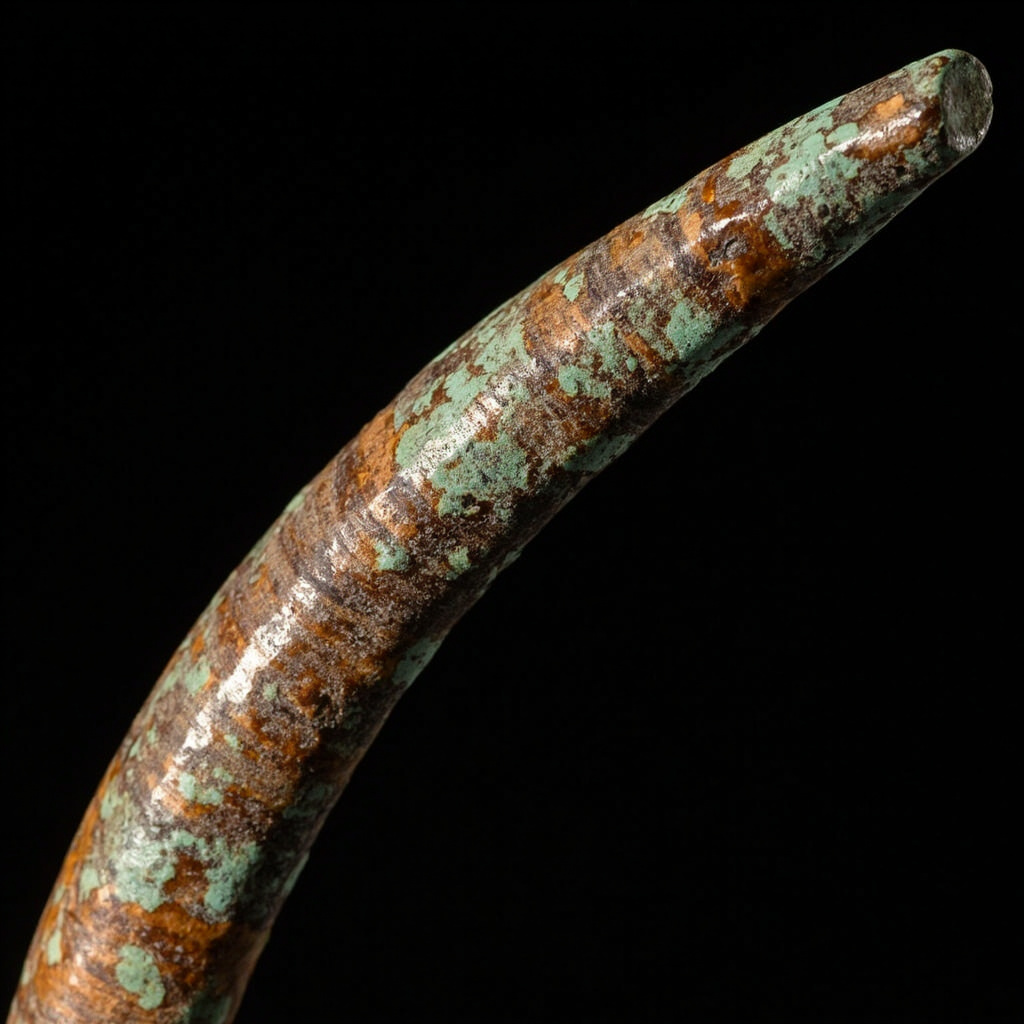
Brain Extraction Through the Nose: Egyptian embalmers used long bronze hooks to pull brain tissue through the nostrils, liquefying the brain with chemicals and then draining it out. The Egyptians considered the brain unimportant compared to the heart.

Organ Canopic Jars with Personalities: The four canopic jars holding the stomach, liver, lungs, and intestines weren’t just storage containers—each was protected by a specific deity with distinct personality traits and preferences for offerings.

False Beards and Artificial Body Parts: Mummies were often fitted with artificial penises, breasts, and other body parts made from linen and resin, ensuring physical completeness for the afterlife.

Jewelry Embedded in Skin: Valuable amulets and jewelry were literally sewn into the skin during mummification, making them permanent parts of the body for eternity.

Scandinavian Ship Burials: Sailing Into Eternity

Viking and Germanic ship burials represent some of the most spectacular and resource-intensive burial practices in human history. These weren’t simple boat-shaped graves—they were complete vessels outfitted for eternal voyages.

The Oseberg Ship Burial: This Norwegian burial included two women buried with an entire 70-foot ship, complete with horses, oxen, beds, tapestries, and even kitchen equipment. The ship was buried under a massive earthen mound that required hundreds of workers to construct.

Burial Ship Contents:

  • Complete sets of household goods and tools
  • Sacrificed animals to serve as crew and provisions
  • Weapons and armor for afterlife battles
  • Food stores and cooking equipment
  • Slaves or servants sacrificed to accompany the deceased

The Burning Ship Myth: While popular culture depicts burning Viking ships floating into the sunset, archaeological evidence suggests most ship burials involved burial rather than cremation. The ships were placed in the ground and covered with stones and earth.

Chinese Terracotta Army: An Army for the Afterlife

Emperor Qin Shi Huang’s terracotta army represents the ultimate expression of burial preparation, involving thousands of craftsmen working for decades to create an entire military force for the emperor’s afterlife protection.

The Scale of Madness:

  • Over 8,000 life-sized terracotta soldiers
  • 130 chariots with 520 horses
  • 150 cavalry horses with riders
  • Hundreds of officials, entertainers, and laborers

Each figure was individually crafted with unique facial features, expressions, and details. The army was arranged in precise military formations, complete with commanders, infantry, archers, and cavalry units positioned for eternal battle.

Hidden Complexities: Recent excavations reveal that the terracotta army was just one part of an elaborate underground palace complex, complete with rivers of mercury, booby traps, and astronomical ceiling maps designed to recreate the emperor’s earthly domain in the afterlife.

Tibetan Sky Burials: Feeding the Vultures

Tibetan sky burial practices represent one of the most ecologically conscious and spiritually complex disposal methods ever developed. Bodies are deliberately dismembered and fed to vultures on sacred mountaintops, ensuring complete dissolution and spiritual liberation.

The Ritual Process:

  • Bodies are carried to high-altitude burial sites
  • Special practitioners dismember the corpse with sacred knives
  • Bones are crushed and mixed with barley flour
  • Vultures consume everything, leaving no physical remains

This practice reflects Buddhist beliefs about the impermanence of physical form and the importance of generosity—even in death, the body provides sustenance for other living beings.

Incan Capacocha: Child Sacrifice at Altitude

The Inca practiced capacocha, ritual child sacrifice on high mountain peaks, creating some of the most remarkably preserved mummies ever discovered. These children were not victims but considered blessed messengers to the gods.

The Selection Process:

  • Children were chosen for physical perfection and noble birth
  • They underwent months of preparation and purification
  • The journey to mountain peaks was treated as a pilgrimage
  • Death occurred at altitudes above 20,000 feet

The extreme cold and dry conditions naturally preserved these children so perfectly that their organs, skin, and even clothing remained intact for over 500 years.

What These Burials Tell Us

These bizarre burial practices reveal universal human concerns about death, identity, and the afterlife, expressed through culturally specific rituals that seem extreme to modern eyes but made perfect sense within their original contexts.

Common Themes:

  • Fear of the dead returning to harm the living
  • Desire to ensure proper transition to the afterlife
  • Demonstration of social status and community resources
  • Attempts to control what happens after death

These ancient burial practices remind us that death has always challenged human understanding, leading to creative, complex, and sometimes seemingly insane attempts to honor the dead while protecting the living. From speared warriors to bog sacrifices, each burial tradition represents humanity’s ongoing struggle to find meaning in mortality and hope in the face of the ultimate unknown.

Gladiator Blood Cocktails and Urine Taste Tests: The Horrifying World of Roman Medicine

The ancient Romans are celebrated for their engineering marvels, military prowess, and legal systems that still influence modern society. But beneath this veneer of civilization lay some of the most bizarre, repulsive, and downright dangerous medical practices in human history—treatments that would make modern doctors faint and patients flee in terror.

When Urine Was Liquid Gold: Roman Diagnostic Medicine

Roman physicians took the phrase “taste test” to disturbing new heights. Medical practitioners routinely tasted their patients’ urine as a primary diagnostic tool, believing they could determine illnesses by analyzing flavor profiles, sweetness levels, and even subtle mineral notes.

This wasn’t casual sipping—it was systematic urine sommelier work. Doctors categorized different flavors and textures, creating elaborate classification systems based on taste, smell, and visual appearance. Sweet urine indicated diabetes, salty suggested kidney problems, and bitter pointed to liver issues.

The practice was so ingrained in Roman medicine that physicians developed refined palates specifically for urine analysis. Some medical schools even included taste training as part of their curriculum, with master physicians teaching students to distinguish between dozens of different urinary flavors.

Drilling for Demons: Trepanation and Skull Surgery

Roman surgeons performed trepanation—drilling holes in skulls—with shocking frequency and surprisingly sophisticated techniques. Unlike crude prehistoric attempts, Roman trepanation involved precision instruments and systematic approaches to brain surgery.

The Procedure: Using bronze or iron tools, surgeons would carefully drill circular holes in patients’ skulls, sometimes removing entire sections of bone. The procedures were performed on conscious patients, who remained awake throughout the ordeal.

Medical Rationale: Romans believed trepanation could cure everything from headaches and epilepsy to mental illness and demonic possession. The holes allegedly allowed evil spirits to escape and pressure to be relieved from the brain.

Archaeological evidence suggests many patients actually survived these procedures, with some showing signs of multiple trepanations throughout their lives. Bone healing patterns indicate that Roman surgical techniques were remarkably advanced for their time.

The Gladiator’s Blood Cure: Ultimate Medicine

Nothing epitomized Roman medical extremes like their obsession with gladiator blood. Romans believed that fresh blood from fallen gladiators possessed magical healing properties, particularly for treating epilepsy.

Roman gladiator arena scene with amphitheater architecture

Wealthy Romans would pay premium prices to drink warm gladiator blood immediately after arena deaths. The practice was so popular that special vendors operated within amphitheaters, selling cups of fresh blood to eager customers who believed it would cure seizures and restore vitality.

The Science Behind the Madness: Romans theorized that gladiators’ courage and strength could be transferred through blood consumption. They believed that drinking the blood of brave warriors would cure cowardice, weakness, and various neurological disorders.

Cosmetic Nightmares: Beauty Through Suffering

Roman beauty standards led to medical treatments that were as dangerous as they were bizarre:

Lead Face Paint: Wealthy Roman women used lead-based cosmetics to achieve fashionably pale complexions. The lead slowly poisoned users, causing hair loss, tooth decay, and eventual death—but the pale look remained popular for centuries.

Mercury for Hair Removal: Romans used mercury compounds to remove unwanted body hair. The treatment worked by dissolving hair follicles, but also caused mercury poisoning, neurological damage, and kidney failure.

Crocodile Dung Face Masks: Elite Roman women applied crocodile excrement mixed with mud as facial treatments, believing it would prevent wrinkles and maintain youthful skin. The bacterial infections that resulted were considered a small price to pay for beauty.

The Reversed Circumcision: A Roman Innovation

Perhaps no Roman medical practice was as psychologically complex as “epispasm”—the surgical reversal of circumcision. Romans viewed circumcision as barbaric and aesthetically displeasing, leading to the development of procedures to restore foreskins.

The Process: Surgeons would stretch remaining penile skin and attach weights or mechanical devices to gradually extend tissue. More drastic procedures involved cutting and grafting skin from other body parts.

Social Pressure: Jewish and Christian converts to Roman society often underwent these procedures to fit in at public baths and social gatherings where nudity was common. The painful process could take months or years to complete.

Magical Medicine: When Superstition Met Surgery

Roman medicine blended scientific observation with elaborate superstitions, creating treatments that were part medical procedure, part religious ritual:

Amulet Implantation: Surgeons would implant small protective amulets under patients’ skin during operations, believing this would protect against infection and ensure successful healing.

Planetary Surgery Timing: Roman physicians scheduled operations based on astrological calculations, believing that planetary alignments affected surgical outcomes. Mars was considered favorable for blood-letting, while Venus was preferred for cosmetic procedures.

Sacred Water Irrigation: Wounds were cleaned with water from specific temples, blessed by particular gods. Different deities were thought to specialize in healing different body parts—Diana for women’s issues, Mars for military injuries.

The Vomitorium Myth and Real Roman Excess

While vomitoria were actually architectural exits from amphitheaters, Romans did practice deliberate vomiting for medical purposes. Physicians prescribed regular vomiting as a cure for everything from indigestion to plague prevention.

Induced Vomiting Techniques:

  • Feathers inserted down the throat
  • Bitter herbal concoctions designed to trigger nausea
  • Physical pressure on the stomach
  • Spinning patients until they became violently ill

The practice was so common that wealthy Romans often employed professional “vomit assistants” who specialized in helping people regurgitate efficiently and safely.

Eye Surgery with a Side of Horror

Roman eye surgery combined genuine medical innovation with terrifying techniques. Cataract removal involved inserting needles into the eye to push clouded lenses out of the visual field—a procedure performed without anesthesia while patients remained conscious.

The Couching Procedure: Surgeons used bronze needles to dislodge cataracts, literally poking them into the back of the eyeball. Success rates were surprisingly high, but complications included blindness, infection, and severe pain that could last for weeks.

Archaeological finds include sophisticated bronze surgical instruments specifically designed for eye operations, suggesting that Roman ophthalmology was more advanced than medieval medicine that came centuries later.

Ancient Roman surgical instruments and medical tools

Pain Management: Roman Style

Without modern anesthetics, Romans developed creative but dangerous approaches to pain management:

Opium and Wine Mixtures: Patients were given potent combinations of opium poppy extract and strong wine before surgery. The dosages were often lethal, with many patients dying from overdoses rather than their original conditions.

Pressure Point Paralysis: Roman physicians used pressure points and nerve compression to temporarily numb body parts. The techniques sometimes caused permanent nerve damage but were considered preferable to conscious surgery.

Ice and Snow Treatment: For wealthy patients, surgeons used imported ice to numb surgical areas. The ice was packed around limbs until they became completely frozen, allowing for painless amputation—though frostbite and tissue death were common side effects.

The Strange Case of Roman Dentistry

Roman dental practices ranged from surprisingly sophisticated to absolutely horrifying:

Gold Dental Work: Wealthy Romans had elaborate gold dental bridges and false teeth crafted by skilled metalworkers. Some Roman dental work was so well-made that it would impress modern dentists.

Urine Mouthwash: Romans used human and animal urine as mouthwash, believing its ammonia content would whiten teeth and kill bacteria. Portuguese urine was considered particularly effective and was imported at premium prices.

Live Extraction Methods: Tooth extraction involved no painkillers and often required multiple assistants to hold down patients. Teeth were removed with crude forceps, often shattering and requiring additional surgical procedures to remove fragments.

Legacy of Roman Medical Madness

Despite their bizarre and often dangerous practices, Roman medicine contributed significantly to medical knowledge. Their detailed anatomical studies, surgical instruments, and systematic approaches to disease classification laid groundwork for later medical advances.

Many Roman medical innovations—like cataract surgery, bone setting, and wound cleaning—contained kernels of genuine medical wisdom that wouldn’t be fully understood until centuries later. Their combination of careful observation with dangerous experimentation created a medical legacy that was simultaneously progressive and terrifying.

The Romans proved that even the most advanced civilizations can hold medical beliefs that seem utterly insane to modern eyes, reminding us that medical progress is often built on the frightening experiments of our ancestors—some of whom were brave enough to drink gladiator blood and taste urine in the name of healing.

The Bizarre Medieval Practice of Stuffing Corpses: Austria’s 280-Year-Old Mystery

When archaeologists discovered a 280-year-old corpse in Austria, they expected to find another typical burial from the colonial era. What they uncovered instead was one of the most bizarre and innovative preservation methods in recorded history—a body that had been posthumously stuffed with wood chips, twigs, fabric, and zinc chloride through the rectum.

The Austrian Discovery That Shocked Archaeologists

The preservation technique, discovered in 2025, represents the first archaeological evidence of this unusual but apparently successful method of corpse preservation. The meticulous process involved carefully removing internal organs and replacing them with an eclectic mixture of organic and chemical materials, creating a kind of medieval taxidermy for humans.

What makes this discovery even more remarkable is the extraordinary state of preservation achieved. Unlike typical burials from the same period, where remains are often reduced to bone fragments, this body retained much of its original structure and even some soft tissues after nearly three centuries underground.

Medieval Death: More Than Meets the Eye

This Austrian discovery opens a window into the complex and often strange world of medieval death practices. During the medieval period, death wasn’t simply the end of life—it was the beginning of an elaborate process designed to ensure proper transition to the afterlife.

Medieval mortician working on corpse preparation using historical preservation techniques

The Transportation Problem: Long before modern embalming, medieval people faced the challenge of transporting bodies over long distances for burial in family plots or sacred locations. The solution was often as practical as it was gruesome.

Bodies requiring long-distance transport were frequently “defleshed”—a process involving dismembering the corpse and boiling the pieces until the flesh separated from the bones. The bones would then be transported and reassembled for burial, while the flesh was often buried locally.

The Art of Medieval Body Preparation

The Austrian corpse represents a sophisticated understanding of preservation chemistry that predates modern embalming by centuries. The use of zinc chloride shows remarkable chemical knowledge, as this compound is still used today for its antimicrobial and preservation properties.

The Process Revealed:

  • Complete removal of internal organs through natural body openings
  • Careful packing with preservative materials including zinc chloride
  • Strategic placement of organic materials like wood chips and twigs to maintain body shape
  • Fabric wrapping to contain the preservative mixture

This technique suggests the work of skilled practitioners who understood both anatomy and chemistry—possibly physicians, barber-surgeons, or specialized morticians of the era.

Why Stuff a Corpse? The Cultural Context

Medieval European death culture was deeply influenced by Christian beliefs about bodily resurrection. The physical preservation of the body was often seen as important for the eventual resurrection of the dead on Judgment Day.

For wealthy families, maintaining the body’s appearance during transport to family burial grounds was a matter of both religious conviction and social status. A well-preserved corpse demonstrated the family’s resources and commitment to proper Christian burial practices.

Other Bizarre Medieval Death Customs

The Corpse Roads: Special paths called “corpse roads” were used exclusively for transporting the dead to consecrated burial grounds. These roads often took circuitous routes to avoid inhabited areas, based on beliefs that spirits of the dead might linger along straight paths.

Sin-Eating Rituals: Professional sin-eaters would consume food over a corpse, symbolically taking on the deceased’s sins to ensure their smooth passage to heaven. This practice continued in some remote areas until the early 20th century.

Chained Burials: Some medieval burials included iron chains wrapped around the corpse, not for restraint, but as protection against evil spirits or to prevent the dead from rising as revenants.

The Science Behind Medieval Preservation

Modern analysis of the Austrian corpse reveals sophisticated chemical knowledge that challenges our assumptions about medieval science. The preservation mixture included:

Zinc Chloride: A powerful antimicrobial agent that inhibits bacterial growth and tissue decomposition.

Organic Materials: Wood chips and twigs containing natural tannins, which have preservative properties similar to those used in leather-making.

Textiles: Fabrics that helped control moisture and maintain the preservative environment within the body cavity.

Comparison to Modern Methods

Remarkably, this medieval technique achieved preservation results that rival some modern methods. While contemporary embalming focuses on arterial injection of preservatives, the medieval approach of cavity packing proved equally effective for long-term preservation.

Regional Variations in Unusual Burials

Scandinavian Ship Burials: Vikings and other Germanic peoples sometimes buried their dead in ships, either real vessels or stone ship-shapes, symbolizing the journey to the afterlife.

Irish Bog Bodies: Natural bog preservation created some of the most remarkably preserved ancient bodies, though these were likely ritual sacrifices rather than normal burials.

Charlemagne’s Three Burials: The great emperor was reportedly buried three times—first in a sitting position wearing his crown and holding a scepter, then exhumed and reburied, and finally moved to a golden shrine.

Medieval cemetery with elaborate tombstones showing unusual burial practices

What This Tells Us About Medieval Society

The Austrian discovery illuminates the sophisticated networks of knowledge that existed in medieval Europe. The preservation technique required:

  • Advanced understanding of human anatomy
  • Knowledge of chemical preservation methods
  • Access to specialized materials like zinc chloride
  • Skilled practitioners capable of performing the procedure

This suggests that medieval death practices involved organized professions and trade networks far more complex than previously understood.

The Legacy of Medieval Death Innovation

The techniques discovered in the Austrian corpse represent a direct link between ancient preservation methods and modern embalming. The principles of cavity treatment, chemical preservation, and moisture control remain fundamental to contemporary mortuary science.

More broadly, these unusual burial practices remind us that medieval people were far from the ignorant, superstitious population often portrayed in popular culture. They were innovative problem-solvers who developed sophisticated solutions to the universal human challenge of honoring the dead.

As archaeologists continue to uncover more unusual burial sites across Europe, we’re gaining a richer understanding of how our ancestors navigated the complex intersection of practical necessity, religious belief, and cultural tradition in their treatment of death—sometimes leading to solutions that were as bizarre as they were effective.

The Bone Wars: America’s Most Bitter Scientific Rivalry

In the dusty badlands of the American West during the late 19th century, two brilliant paleontologists waged a war that would revolutionize our understanding of dinosaurs—while nearly destroying each other in the process. The “Bone Wars,” fought between Othniel Charles Marsh and Edward Drinker Cope from 1872 to 1897, represented one of the most vicious scientific rivalries in history, complete with espionage, sabotage, and bitter personal attacks that captivated the American public.

The Protagonists: Marsh and Cope

Othniel Charles Marsh and Edward Drinker Cope were both wealthy, educated men with a passion for paleontology, but their personalities couldn’t have been more different. Marsh, born in 1831, was the methodical nephew of philanthropist George Peabody. Thanks to his uncle’s financial backing, Marsh secured a professorship at Yale University and had access to substantial funding for his expeditions. He was cautious, systematic, and politically savvy, with a talent for organization and institutional backing.

Edward Drinker Cope, born in 1840, was nine years younger than Marsh but possessed a brilliant, restless mind that drove him to work at a frantic pace. A Quaker from Philadelphia, Cope was independently wealthy and used his inheritance to fund his own research. Unlike the steady Marsh, Cope was impulsive, quick-tempered, and prone to publishing hastily. He was also incredibly productive, ultimately authoring over 1,400 scientific papers during his career.

The two men initially maintained a cordial professional relationship. They even named fossil species after each other in the early years of their careers. However, their friendship would not survive the fierce competition that emerged as both men turned their attention to the fossil-rich American West.

Fossil excavation site showing damaged bones and equipment
Evidence of sabotage at a fossil dig site during the Bone Wars, showing the destructive lengths to which rivals would go

The War Begins

The conflict began in earnest in 1872 when both men became interested in the fossil deposits of the American West. The discovery of dinosaur bones in places like Wyoming, Colorado, and Montana had opened up entirely new frontiers for paleontological research. However, the vast distances and harsh conditions of the frontier meant that successful expeditions required significant resources and careful planning.

The first major incident occurred when Cope accused Marsh of bribing his fossil collectors to work exclusively for Yale instead of shipping specimens to Philadelphia. This accusation marked the beginning of a pattern of mutual suspicion and increasingly aggressive tactics. Both men began to recruit networks of collectors, offering higher and higher payments to secure the loyalty of workers in the field.

What started as professional competition quickly escalated into personal animosity. The two men began intercepting each other’s communications, bribing each other’s workers, and even resorting to industrial espionage. Field teams working for one scientist would sometimes destroy fossil sites after excavating them to prevent their rivals from making additional discoveries.

Espionage and Sabotage

As the Bone Wars intensified, both sides employed increasingly desperate tactics. Spies were planted in opposing camps to report on new discoveries and planned expeditions. Workers were offered substantial bonuses to abandon their current employer and switch sides, leading to a cycle of ever-increasing wages that threatened to bankrupt both expeditions.

The sabotage became particularly destructive when teams began dynamiting fossil sites after removing the best specimens, ensuring that competitors couldn’t benefit from any remaining bones. This practice destroyed countless irreplaceable fossils and deprived science of valuable specimens that could have advanced paleontological understanding.

Both Marsh and Cope also engaged in academic warfare, rushing to publish descriptions of new species before their rival could do so. This led to numerous errors and confusion in the scientific literature, as hastily prepared papers often contained inaccuracies or incomplete information. The pressure to be first sometimes resulted in the same species being named multiple times by different researchers, creating taxonomic chaos that took decades to sort out.

The Battle for Public Opinion

The rivalry between Marsh and Cope wasn’t confined to academic journals and remote excavation sites. Both men understood the value of public relations and worked to cultivate relationships with journalists and popular magazines. They provided newspapers with dramatic stories of their discoveries, often exaggerating the significance of their finds or the difficulties they faced in the field.

The American public became fascinated with the ongoing conflict. Newspaper articles portrayed the Bone Wars as an exciting adventure story, complete with hostile environments, dangerous wildlife, and rival teams racing against time to uncover ancient treasures. This media coverage helped secure additional funding for both expeditions but also intensified the pressure to produce spectacular results.

The rivalry reached its peak in the 1880s when both men published attack pieces in newspapers, accusing each other of scientific incompetence and professional misconduct. Cope even published a detailed expose of Marsh’s alleged unethical practices in the New York Herald in 1890, leveling accusations of plagiarism, financial impropriety, and scientific fraud.

Victorian museum display showing dinosaur skeleton reconstructions
Victorian-era museum displaying the impressive dinosaur discoveries made during the Bone Wars period

Scientific Achievements Amid the Chaos

Despite the destructive nature of their rivalry, both Marsh and Cope made extraordinary contributions to paleontology. Between them, they discovered and named over 130 species of dinosaurs, many of which remain valid today. Their work laid the foundation for our modern understanding of dinosaur evolution and diversity.

Marsh’s expeditions, backed by Yale University and the U.S. Geological Survey, were particularly productive in the fossil-rich deposits of Wyoming and Colorado. He discovered and named famous dinosaur species including Allosaurus, Stegosaurus, and Triceratops. His systematic approach to fieldwork and careful documentation set new standards for paleontological research.

Cope’s contributions were equally impressive, despite his more chaotic working style. He discovered numerous dinosaur species and made important contributions to the understanding of mammalian evolution as well. His rapid-fire publication of new species, while sometimes resulting in errors, also meant that many important discoveries were quickly made available to the scientific community.

Both men also pioneered new techniques in fossil preparation and reconstruction. They developed methods for extracting delicate specimens from hard rock and for mounting complete skeletons for museum display. Their work helped establish paleontology as a legitimate scientific discipline and sparked public interest in dinosaurs that continues to this day.

The Cost of War

The Bone Wars came at enormous personal and professional cost to both men. The constant conflict consumed vast amounts of time and energy that could have been devoted to scientific research. The financial burden of maintaining competing expeditions eventually bankrupted Cope, who was forced to sell his fossil collection to pay his debts.

Marsh fared better financially due to his institutional backing, but his reputation suffered from the public nature of the conflict. The bitter disputes damaged the credibility of American paleontology and created lasting divisions within the scientific community. Many respected scientists refused to take sides in the conflict, while others found their own work overshadowed by the dramatic rivalry.

The destruction of fossil sites through sabotage represented perhaps the greatest cost of the Bone Wars. Countless irreplaceable specimens were lost forever when teams dynamited excavation sites or carelessly damaged fossils in their haste to prevent competitors from accessing them. The scientific value of these lost specimens can never be fully calculated.

The rivalry also established negative precedents for how scientific disputes should be conducted. The public nature of the attacks between Marsh and Cope damaged the reputation of paleontology and created an adversarial atmosphere that persisted for decades. Young researchers entering the field found themselves pressured to choose sides rather than focus on collaborative scientific work.

The End of the War

The Bone Wars gradually subsided in the 1890s as both men faced increasing financial and personal pressures. Cope’s fortune was exhausted, and he was forced to take on teaching positions to support himself. Marsh maintained his institutional position but faced criticism from government officials who questioned the value of continuing to fund his increasingly expensive expeditions.

Edward Drinker Cope died in 1897 at the age of 56, effectively ending the active phase of the rivalry. His death came after years of declining health and financial stress brought on by his relentless pursuit of paleontological glory. Even in death, Cope couldn’t resist one final gesture in his ongoing competition with Marsh—he donated his brain to science for study, challenging Marsh to do the same to prove whose brain was superior.

Othniel Charles Marsh outlived his rival by only two years, dying in 1899 at age 67. By the time of his death, Marsh had achieved greater institutional recognition than Cope, including election to the National Academy of Sciences and appointment as the first vertebrate paleontologist for the U.S. Geological Survey. However, his final years were marked by congressional investigations into his research spending and questions about the scientific value of his work.

Legacy and Impact

The Bone Wars left a complex legacy for American paleontology. On the positive side, the rivalry drove both men to extraordinary productivity and led to groundbreaking discoveries that advanced scientific understanding of prehistoric life. The public attention generated by their conflict also increased popular interest in paleontology and helped secure funding for future research.

However, the destructive aspects of the rivalry created lasting problems for the field. The loss of fossil specimens through sabotage represented an irreparable loss to science. The bitter personal attacks and unethical practices employed by both sides damaged the reputation of American paleontology and created divisions within the scientific community that persisted for generations.

The Bone Wars also established unfortunate precedents for how scientific competition could be conducted. While healthy competition can drive innovation and discovery, the extreme measures employed by Marsh and Cope demonstrated how rivalry could become destructive when personal animosity and financial interests overwhelmed scientific objectivity.

Modern paleontologists have learned from the mistakes of the Bone Wars era. Contemporary fossil excavations emphasize collaboration, careful documentation, and the preservation of sites for future study. The bitter rivalry between Marsh and Cope serves as a cautionary tale about the importance of maintaining professional ethics even in highly competitive fields.

Lessons for Modern Science

The story of the Bone Wars offers several important lessons for modern scientific research. First, it demonstrates the potential benefits and dangers of intense competition in scientific fields. While the rivalry between Marsh and Cope drove remarkable discoveries, it also led to unethical behavior and the destruction of valuable scientific resources.

Second, the conflict highlights the importance of institutional oversight and ethical standards in scientific research. The lack of clear guidelines for conduct during fossil expeditions contributed to the escalating nature of the rivalry. Modern scientific institutions have established ethical standards and review processes specifically to prevent similar conflicts.

The Bone Wars also illustrate the complex relationship between public relations and scientific research. Both Marsh and Cope understood that public support could translate into funding and institutional backing. However, their emphasis on dramatic discoveries and public spectacle sometimes compromised the quality and accuracy of their scientific work.

Finally, the rivalry demonstrates the importance of collaboration in scientific research. While Marsh and Cope achieved remarkable individual success, their conflict prevented the kind of collaborative work that might have led to even greater discoveries. Modern paleontology emphasizes teamwork and the sharing of resources and expertise across institutional boundaries.

The End of an Era

The Bone Wars represented both the best and worst of 19th-century American scientific ambition. The rivalry between Marsh and Cope produced extraordinary discoveries that laid the foundation for modern paleontology, but it also demonstrated how personal animosity and unethical competition could damage scientific progress.

Today, the fossils discovered during the Bone Wars continue to provide valuable insights into prehistoric life. Museums around the world display specimens collected by Marsh and Cope’s expeditions, and their discoveries remain central to our understanding of dinosaur evolution and diversity.

The story of the Bone Wars serves as a reminder that scientific progress depends not only on individual brilliance and determination but also on professional ethics and collaborative spirit. While competition can drive innovation, it must be balanced with respect for colleagues, preservation of resources, and commitment to the broader goals of scientific knowledge.

In the end, both Marsh and Cope achieved a kind of immortality through their contributions to paleontology, but their bitter rivalry stands as a cautionary tale about the potential costs of unchecked scientific ambition. The Bone Wars remain one of the most fascinating and instructive episodes in the history of American science—a reminder that even in the pursuit of knowledge, human nature can lead to both remarkable achievements and spectacular failures.

The Radium Girls: How Factory Workers Fought Corporate America and Won Workers’ Rights

In the 1920s, hundreds of young women painted clock faces with radium paint, told it was perfectly safe. They were instructed to lick their paintbrushes to create fine points—consuming deadly radium with every stroke. These women, known as the Radium Girls, would eventually take on powerful corporations in a legal battle that transformed workers’ rights in America forever.

Their story is one of corporate cover-ups, scientific denial, and ordinary women who refused to die quietly. The Radium Girls didn’t just fight for their own lives—they fought for the safety of all American workers.

The Glow of Progress

Radium was discovered by Marie and Pierre Curie in 1898, and by the 1920s, it had captured the public imagination. This “miracle element” glowed in the dark and was marketed as a cure-all, added to everything from toothpaste to chocolate. Wealthy socialites paid premium prices for radium-infused cosmetics, believing it would give them a healthy, youthful glow.

The radium industry boomed during World War I when the military needed glow-in-the-dark watches and instrument panels. The largest employer of dial painters was the United States Radium Corporation in Orange, New Jersey, followed by the Radium Dial Company in Ottawa, Illinois.

The job was considered desirable—clean work in a bright factory, paying well above minimum wage. Young women, many just teenagers, were thrilled to land these positions. They called themselves “ghost girls” because their hair, clothes, and skin would glow green in the dark after work.

The Deadly Routine

Every day, hundreds of dial painters would arrive at the factory and take their places at long tables. Each woman received:

A small dish of radium paint mixed with adhesive and water
A fine camel-hair brush for precision painting
Detailed watch faces or instrument panels to paint
A quota of about 250 dials per day

The technique was called “lip-pointing”—workers were instructed to shape their paintbrushes to fine points using their lips and tongues. Supervisors demonstrated the technique and assured workers it was completely harmless. “It’s no worse than eating salt,” they were told.

A 1920s factory worker demonstrating the dangerous lip-pointing technique with radium paint

What the women didn’t know was that their supervisors and the company scientists handling radium wore protective equipment and never touched the material directly. The dial painters, however, were consuming radium all day long through lip-pointing.

The First Signs of Trouble

By 1922, dentists in Orange, New Jersey began noticing an unusual pattern among young women. Patients who worked at the radium factory were coming in with severe dental problems:

Teeth falling out spontaneously
Jawbones that wouldn’t heal after extractions
Mysterious jaw fractures
Persistent, unexplained anemia

Dr. Theodore Blum, a local dentist, was the first to make the connection. He called the condition “radium jaw” and published his findings in 1924. The U.S. Radium Corporation immediately challenged his research, claiming their own studies showed radium was completely safe.

Meanwhile, young women continued to get sick. Grace Fryer, who had worked at the factory from 1917 to 1920, began experiencing severe tooth loss and jaw pain. Her case would become the centerpiece of the legal battle to come.

Corporate Cover-Up and Denial

When confronted with evidence of illness among their workers, U.S. Radium Corporation launched a systematic campaign of denial and misdirection:

Fake Medical Studies: The company hired doctors to examine sick workers and publicly declare them healthy. These “independent” physicians were secretly on the company payroll.

Alternative Diagnoses: When women became ill, company doctors blamed everything from syphilis to poor hygiene to “hysteria.” They suggested the women were malingering or seeking attention.

Intimidation Tactics: Workers who complained were fired. Families of deceased workers were told their daughters died from “natural causes” unrelated to radium exposure.

Scientific Manipulation: The company suppressed internal research showing radium’s dangers while publicly promoting studies claiming it was beneficial to health.

The Legal Battle Begins

In 1925, Grace Fryer decided to sue U.S. Radium Corporation for damages. She faced immediate obstacles:

No lawyer would take her case initially—the radium companies were too powerful and wealthy
The statute of limitations appeared to have expired
Medical experts were reluctant to testify against the radium industry
Public opinion favored the “miracle” radium over unknown factory girls

After two years of searching, Fryer found attorney Raymond Berry, who agreed to represent her and four other women: Edna Hussman, Katherine Schaub, Quinta McDonald, and Albina Larice. The press dubbed them “The Five”—the first Radium Girls to challenge corporate America in court.

Scientific Evidence Mounts

Dr. Harrison Martland, a physician and researcher, conducted independent studies of radium workers and made crucial discoveries:

Radium accumulates in bones and continues emitting radiation for years
The “lip-pointing” technique delivered concentrated doses directly to the mouth and throat
Radiation damage affects the entire body, not just the mouth and jaw
There is no safe level of radium consumption

Martland’s research provided the scientific foundation needed to prove the companies’ liability. However, U.S. Radium Corporation fought back with their own “experts” who claimed radium was beneficial and that the women’s illnesses were unrelated to their work.

The Ottawa, Illinois Connection

While the New Jersey case proceeded slowly through the courts, another tragedy was unfolding in Ottawa, Illinois. The Radium Dial Company employed hundreds more dial painters using the same deadly techniques.

Catherine Wolfe Donohue, a former dial painter, organized fellow workers to demand answers about their illnesses. The Ottawa women faced the same corporate denial and legal obstacles as their New Jersey counterparts.

The Illinois women had one advantage: they could learn from the New Jersey legal strategy. They also faced one major disadvantage: many were sicker and dying faster, as the Ottawa plant had used even higher concentrations of radium.

David vs. Goliath in Court

The legal proceedings revealed the shocking extent of corporate callousness:

Internal Memos: Company documents showed executives knew about radium dangers as early as 1922 but chose to suppress the information to protect profits.

Double Standards: While telling workers radium was safe, the company provided protective equipment for its executives and scientists.

Victim Blaming: Defense attorneys argued the women were promiscuous and their illnesses were due to venereal disease, not radium exposure.

Stalling Tactics: The company used every legal maneuver to delay proceedings, hoping the women would die before winning their case.

The Turning Point

Public opinion began shifting in 1928 when newspapers started reporting the full story. The image of young women literally glowing as they walked home from work, only to die horrible deaths from radiation poisoning, captured public sympathy.

Key moments that changed the narrative:

Grace Fryer’s Testimony: Too weak to raise her right hand to take the oath, Fryer’s frail appearance in court generated widespread sympathy and press coverage.

Expert Medical Testimony: Dr. Martland’s scientific evidence was overwhelming and undeniable, even under aggressive cross-examination.

Company Hypocrisy Exposed: Revelations about protective equipment for executives while workers were told radium was safe sparked public outrage.

The historic courtroom scene where the Radium Girls fought for workers' rights against corporate America

Victory and Legacy

In June 1928, the New Jersey Radium Girls reached a settlement with U.S. Radium Corporation:

$10,000 lump sum for each woman (approximately $150,000 today)
$600 annual pension for life
Full medical expenses covered
Company admission that radium caused their illnesses

The Illinois women won their case in 1938, though many had died by then. Catherine Wolfe Donohue, the lead plaintiff, died just months after the victory.

Transforming Workers’ Rights

The Radium Girls’ legal victories established crucial precedents:

Right to Sue: Workers gained the legal right to sue employers for damages from occupational diseases.

Employer Responsibility: Companies became legally responsible for providing safe working conditions and informing workers of known hazards.

Statute of Limitations Reform: The “discovery rule” was established—the statute of limitations begins when the worker discovers their illness, not when exposure occurred.

Industrial Safety Standards: Federal oversight of workplace safety was strengthened, leading eventually to OSHA creation in 1970.

Scientific and Medical Advances

The Radium Girls’ cases contributed significantly to medical and scientific understanding:

Radiation Safety: Comprehensive safety protocols were developed for handling radioactive materials.

Occupational Medicine: The field of occupational health emerged, studying how workplace exposures affect human health.

Cancer Research: Long-term studies of radium workers provided crucial data about radiation-induced cancer.

Bone Metabolism: Research on radium poisoning advanced understanding of how bones absorb and process minerals.

The Human Cost

The exact number of radium poisoning victims remains unknown, but researchers estimate:

4,000+ dial painters worked at various facilities nationwide
Hundreds died from radium-related illnesses
Many more suffered chronic health problems
Some families experienced multiple generations of health issues

The women who survived long enough to see justice were permanently disabled. Grace Fryer lived until 1969 but suffered constant pain and required multiple surgeries. Most of “The Five” died in their 40s or 50s from radiation-related cancers.

Modern Recognition and Remembrance

Today, the Radium Girls are remembered as pioneers in workers’ rights and corporate accountability:

Historical Markers: Monuments in New Jersey and Illinois commemorate their struggle.

Academic Study: Their case is taught in law schools, medical schools, and public health programs worldwide.

Popular Culture: Books, documentaries, and even a Broadway musical have told their story to new generations.

Legal Precedent: Their cases continue to influence workplace safety litigation and corporate responsibility law.

Lessons for Today

The Radium Girls’ story remains relevant in our modern economy:

Corporate Accountability: Their battle established that companies cannot hide behind “trade secrets” when worker health is at stake.

Scientific Integrity: The importance of independent research and the dangers of industry-funded studies that prioritize profit over safety.

Worker Empowerment: The power of workers organizing to demand safe working conditions and holding employers accountable.

Regulatory Oversight: The need for strong government oversight of workplace safety and environmental health.

The Radium Girls didn’t choose to be heroes—they simply refused to accept that their lives were expendable for corporate profits. Their courage in fighting powerful companies while battling life-threatening illnesses transformed American workplace safety and established rights that protect workers to this day.

Their legacy reminds us that progress often comes at great personal cost, and that ordinary people can achieve extraordinary change when they refuse to remain silent in the face of injustice.

The Vatican Secret Archives: Hidden Treasures and Forbidden Knowledge That Changed History

Deep beneath the Vatican lies one of history’s most mysterious collections: the Vatican Secret Archives. For centuries, these sealed vaults have sparked conspiracy theories and captured imaginations. But the truth about what’s actually hidden in these archives is far more fascinating than any fiction.

In 2019, Pope Francis officially renamed them the “Vatican Apostolic Archives,” acknowledging that the word “secret” had fueled too much speculation. Yet even today, only a select few scholars gain access to documents that could reshape our understanding of history.

The Origins of Secrecy

The Vatican Archives began accumulating documents in the 4th century, but the modern secret archive system started in 1612 under Pope Paul V. The original purpose wasn’t conspiracy—it was preservation. In an era of political upheaval and wars, the Vatican needed to protect its most important diplomatic and administrative documents from destruction or theft.

The “secret” designation (from the Latin secretum, meaning “private”) indicated these were personal papal documents, separate from materials available in the Vatican Library. But this privacy created an aura of mystery that has persisted for over 400 years.

What’s Actually Inside

Ancient Vatican manuscripts and historical documents

Galileo’s Trial Documents: The complete records of Galileo’s 1633 heresy trial reveal surprising details. Contrary to popular belief, Galileo wasn’t tortured, and several cardinals actually supported his scientific work privately. The trial was more about papal authority than pure religious doctrine.

Letters from Michelangelo: The artist’s personal complaints about working on the Sistine Chapel, including his famous protests about painting the ceiling when he considered himself a sculptor, not a painter. One letter translates roughly as “I am not a painter” repeated multiple times in exasperation.

Henry VIII’s Marriage Petition: The original document shows 81 seals from English nobles supporting Henry’s request to annul his marriage to Catherine of Aragon. The elaborate presentation suggests Henry genuinely believed he could convince the Pope through political pressure.

Modern Access and Digital Revolution

Modern scholars researching Vatican historical documents

Today, qualified researchers can access most pre-1958 documents, with some exceptions. The process requires academic credentials, specific research proposals, and Vatican approval. The Vatican has begun digitizing archives, making some documents available online.

The Vatican Secret Archives—now Apostolic Archives—represent one of humanity’s great historical repositories. While conspiracy theories persist, the reality is far more interesting: a massive collection of documents showing how religious, political, and scientific forces have shaped our world for over 1,500 years.