Why Carrots Are Orange: The Dutch Political Conspiracy That Changed Our Vegetables Forever

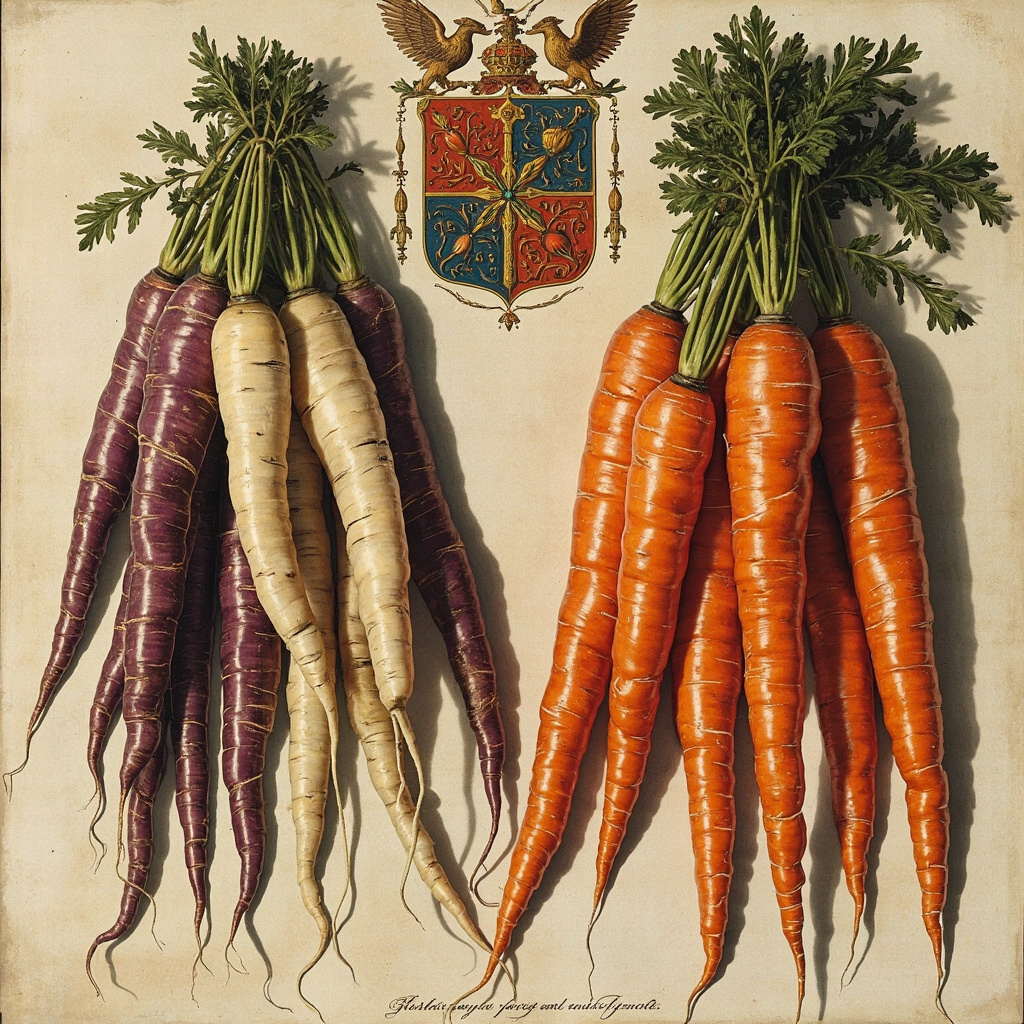
What if we told you that the orange carrot – that ubiquitous vegetable found in every grocery store – is actually the result of a 16th-century political campaign? For most of human history, carrots were purple, white, or yellow. The bright orange variety that dominates today owes its existence to Dutch nationalism and the House of Orange-Nassau.
The Purple Past of Carrots
Wild carrots were originally white or yellow when they first appeared in nature. But when humans began domesticating them nearly 5,000 years ago on the Iranian Plateau and in Persia, selective breeding produced carrots in shades of purple and gold. For approximately 600 years, most cultivated carrots had a distinct violet hue.
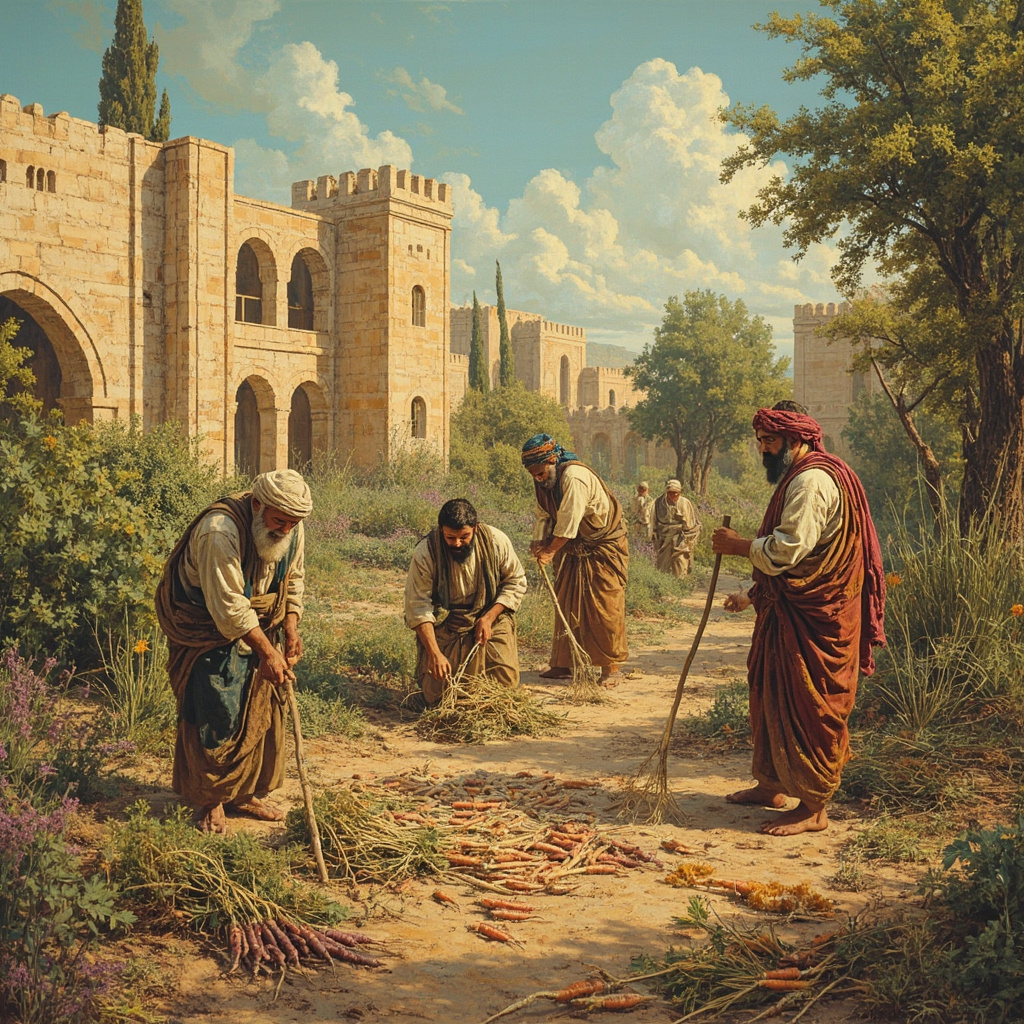
These purple carrots were the norm across most of the ancient world. They were hardy, nutritious, and well-adapted to various climates. Archaeological evidence shows that purple carrots spread from Persia throughout the Mediterranean, eventually reaching Europe through trade routes.
The Dutch Agricultural Revolution
Fast-forward to the 16th century, when the Netherlands had emerged as one of Europe’s primary agricultural powerhouses. The Dutch Golden Age wasn’t just about art and exploration – it was also a period of remarkable horticultural innovation. The Verenigde Oostindische Compagnie (VOC), better known as the Dutch East India Company, was importing carrot seeds from across Asia and bringing back crucial knowledge about plant genetics.
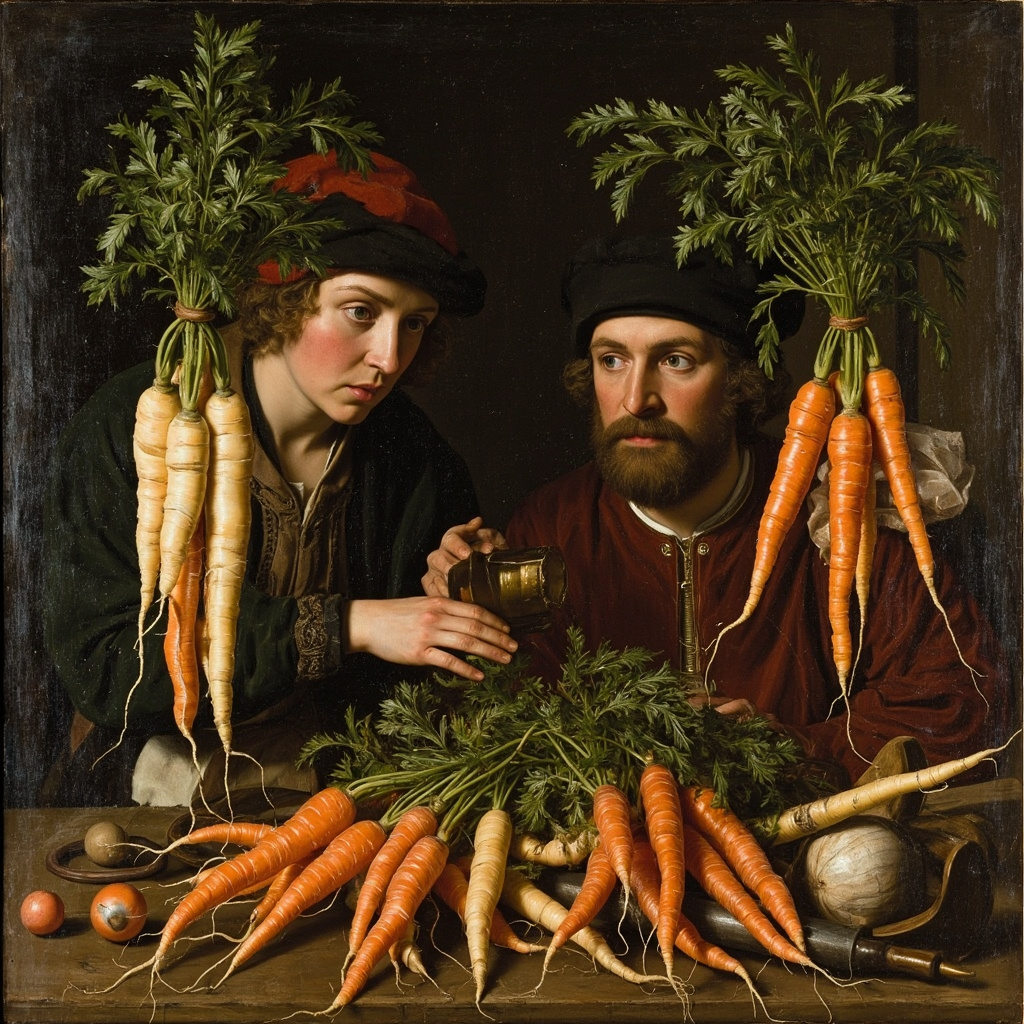
Dutch horticulturalists began systematically cross-breeding different carrot strains. Through careful selection and cultivation, they developed a carrot variety loaded with beta-carotene – the antioxidant compound that produces the vibrant orange color. These orange carrots weren’t just visually striking; they were more uniform in size and shape than their purple predecessors, and they thrived in the Netherlands’ mild, wet climate.
Orange Politics: The House of Orange Connection
Here’s where history gets interesting. The timing of this agricultural innovation coincided perfectly with the rise of William of Orange, who became a symbol of Dutch independence from Spanish rule. The House of Orange-Nassau had adopted orange as their dynastic color, and it became deeply associated with Dutch national identity.
Whether by deliberate design or fortunate coincidence, Dutch growers began promoting their new orange carrots as a patriotic symbol. The bright orange vegetables became a way to literally put the royal color on every dinner table. Orange carrots weren’t just food – they were edible nationalism.
Global Domination Through Trade
The Dutch had another advantage: superior marketing and distribution networks. Orange carrots sold better than traditional varieties, both domestically and across Europe. They were more visually appealing to consumers and had better storage characteristics for long-distance trade.
As Dutch exports grew, so did the popularity of orange carrots throughout Europe and eventually the world. The superior trade networks of the Dutch Golden Age meant that their orange variety gradually displaced traditional purple and white carrots across global markets.
The Modern Legacy
Today, orange carrots account for approximately 85% of global carrot production. What began as a regional Dutch innovation has become the universal standard. While purple and white “heritage” varieties have made a comeback in recent years among specialty growers and health-conscious consumers, the orange carrot remains dominant.
This agricultural transformation represents one of history’s most successful examples of how political symbolism, agricultural innovation, and trade networks can combine to literally change what the world eats. Every time you bite into a carrot, you’re tasting a piece of 16th-century Dutch political propaganda – and it worked so well that we’ve forgotten it was ever propaganda at all.
The Carrot Revolution That Lasted
The story of the orange carrot demonstrates how deeply politics can influence even the most basic aspects of human life, including our food. The Dutch didn’t just create a new variety of vegetable – they created a new normal that has persisted for over 400 years.
In an era when we’re increasingly aware of how political and commercial interests shape our food systems, the humble orange carrot serves as a reminder that this influence is nothing new. Sometimes the most successful revolutions are the ones that happen so gradually and completely that we forget they ever occurred at all.