When Europeans Ate Ancient Egyptian Corpses: The Bizarre 700-Year Medical Practice of Mummy Powder

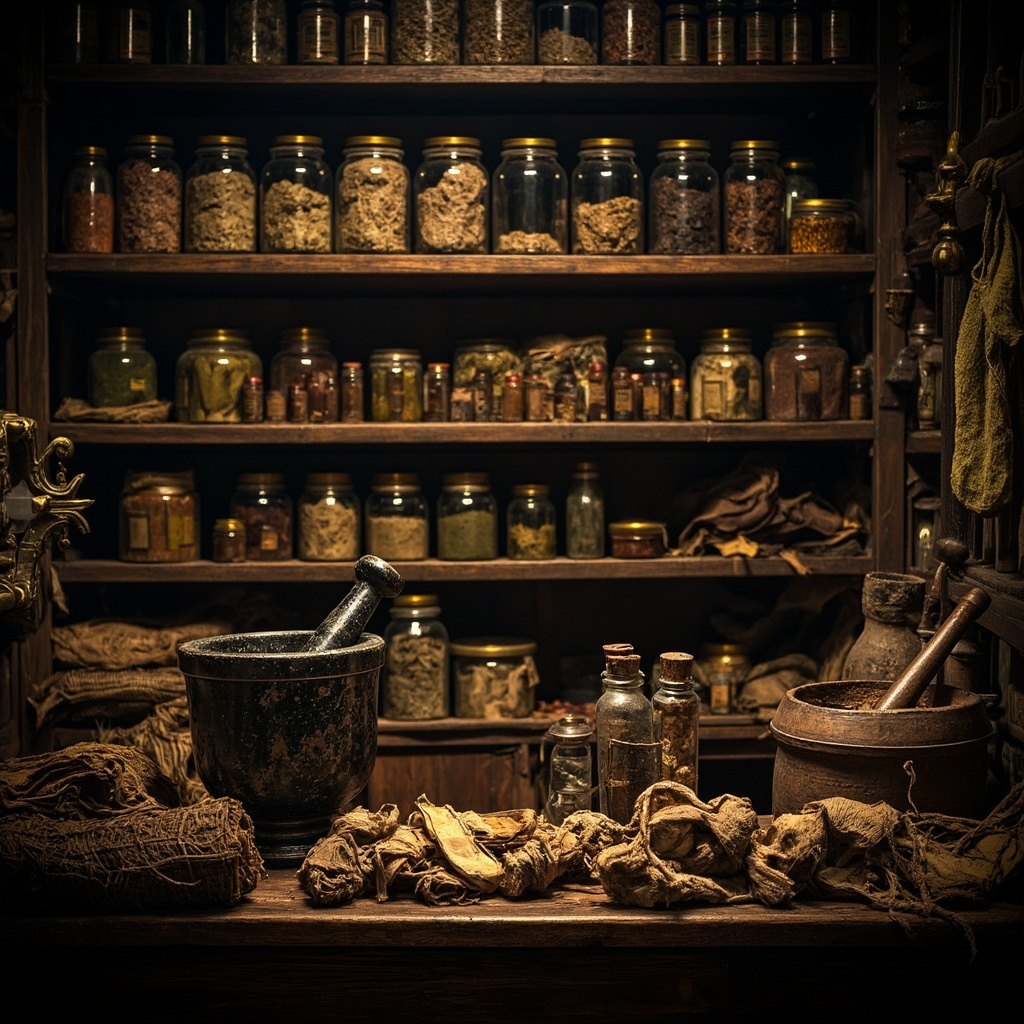
For nearly seven centuries, Europeans engaged in one of history’s most macabre medical practices: consuming powdered Egyptian mummies as medicine. This wasn’t some underground cult activity—it was mainstream healthcare endorsed by physicians, sold in apothecaries, and consumed by royalty and commoners alike.
The Origin of Mummia
The practice began with a linguistic misunderstanding that would cost thousands of ancient lives. Medieval physicians had read about mumiya—a black, tar-like substance from Persia used medicinally. However, when Arabic texts were translated into Latin, scholars confused this bituminous material with the dark resin used in Egyptian mummification.

By the 12th century, European merchants were raiding Egyptian tombs to harvest mummy remains for the lucrative medical trade. What started as a translation error became a booming industry that would persist until the 18th century.
A Prescription for the Dead
Medieval and Renaissance physicians prescribed powdered mummy for nearly every ailment imaginable. According to medical texts of the era, mummia could cure:
- Internal bleeding and wounds
- Epilepsy and convulsions
- Headaches and migraines
- Stomach ailments
- Broken bones
- Poisoning
The logic, such as it was, followed medieval medical theory that ancient corpses preserved with natron and resins retained some life force that could heal the living. Some physicians believed that bodies that had survived thousands of years must possess extraordinary preservative powers.
The Gruesome Supply Chain
As demand for mummy powder exploded across Europe, Egyptian tomb robbers couldn’t keep pace with orders from European apothecaries. Enterprising merchants developed horrific alternatives.
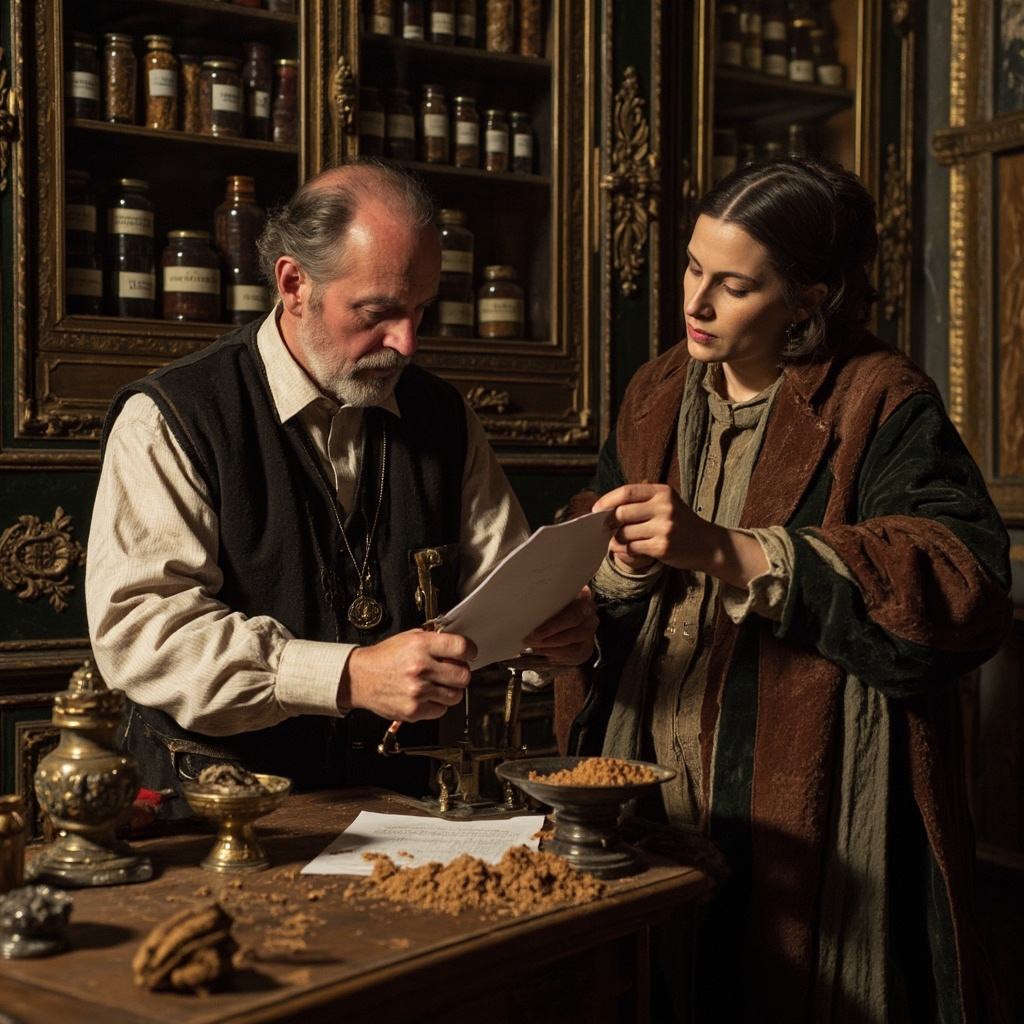
French apothecaries began creating “artificial mummies” by stealing fresh corpses from gallows, coating them with bitumen, and aging them in ovens. These counterfeit remedies were then ground up and sold as authentic Egyptian mummy powder.
Even King Charles II of England reportedly consumed “The King’s Drops”—a tincture made from powdered human skull. The wealthy could afford genuine Egyptian mummies, while the poor made do with locally sourced human remains.
The Medical Establishment’s Embrace
This wasn’t fringe medicine—it was endorsed by the medical establishment. Renowned physicians like Paracelsus championed mummy consumption, while medical schools taught its supposed benefits. European pharmacopeias—official medical handbooks—listed detailed recipes for preparing human flesh medicines.
The practice was so normalized that physicians debated not whether to use human remains, but which body parts were most effective. Some preferred skull powder for head ailments, while others insisted ground heart was superior for cardiac conditions.
The Irony of Cannibalism Accusations
While Europeans spent centuries consuming Egyptian corpses, they simultaneously used accusations of cannibalism as justification for colonizing and “civilizing” indigenous peoples in the Americas, Africa, and Australasia. The hypocrisy was staggering—Europeans condemned tribal peoples as savage cannibals while literally grinding up human remains in their own pharmacies.
The End of Corpse Medicine
By the Renaissance, some scholars began questioning the practice. When physicians realized they had misunderstood the original Arabic texts, the medical justification for mummy consumption crumbled.
French surgeon Ambroise Paré was among the first medical professionals to condemn the practice, writing scathingly about apothecaries who “in the absence of superior mummy, were sometimes moved to steal by night the bodies of such as were hanged.”
The practice gradually declined through the 17th and 18th centuries as medical understanding improved. However, some European pharmacies continued selling human skull powder and other corpse medicines well into the 1800s.
A Legacy of Destruction
The European appetite for mummy medicine devastated Egypt’s archaeological heritage. Countless ancient tombs were ransacked, and priceless mummies—including potentially unknown pharaohs and nobles—were reduced to powder for European stomachs.
This medical cannibalism represents one of history’s most sustained acts of cultural vandalism, justified by pseudoscience and motivated by profit. For 700 years, Europeans literally consumed Egypt’s ancestors while condemning other cultures as barbaric.
The next time someone mentions the “civilizing” influence of European colonialism, remember that European medicine cabinets were once stocked with ground-up human corpses—and that this was considered perfectly normal for seven centuries.