The Year Without Summer: When Snow Fell in July and Changed History Forever

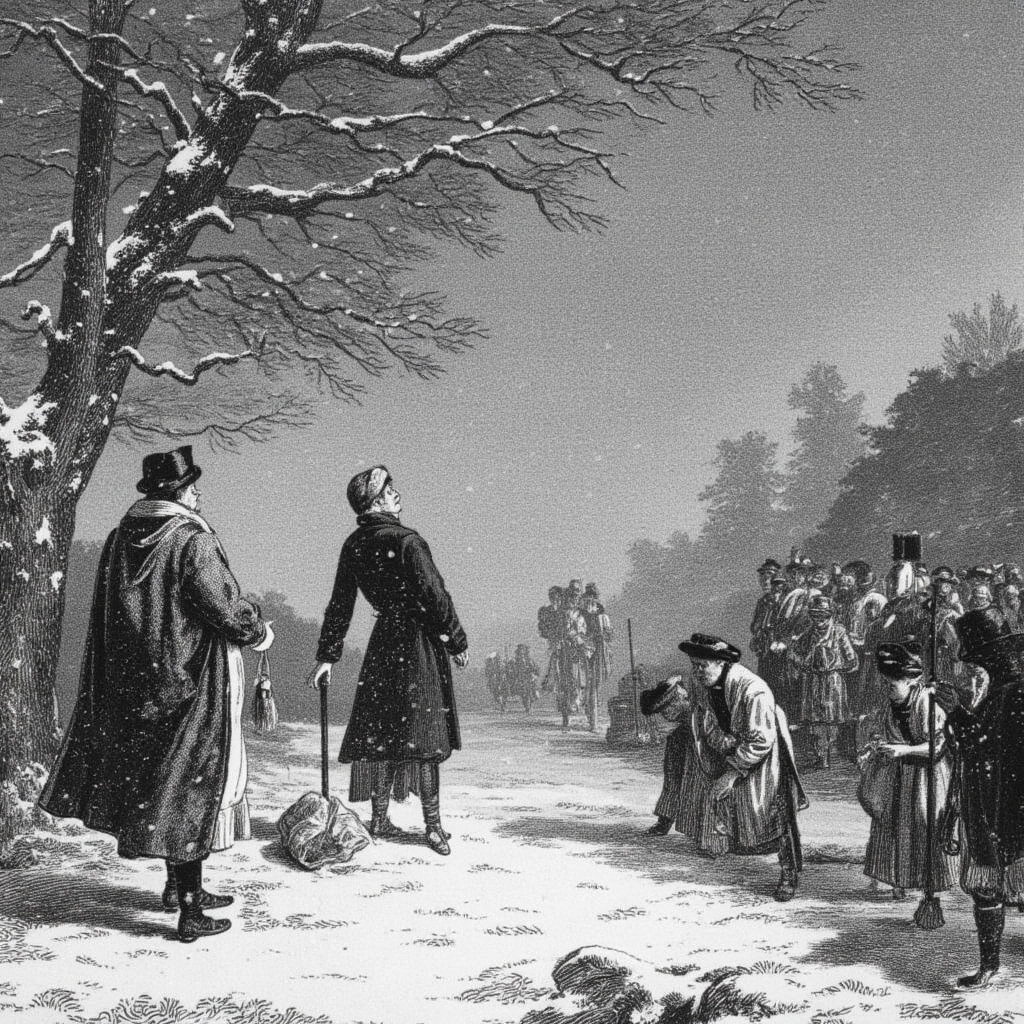
Imagine stepping outside for a summer picnic in July 1816, only to be greeted by falling snow and temperatures so cold that crops froze in the fields. This wasn’t science fiction—it was reality for millions of people across the Northern Hemisphere during what became known as the “Year Without a Summer.”
The bizarre weather phenomenon that turned 1816 into a climatic nightmare wasn’t caused by any earthly event Americans could see or understand. The culprit lay halfway around the world: a massive volcanic eruption in Indonesia that had occurred the previous year, with effects so far-reaching that they fundamentally changed global weather patterns for an entire year.
The Monster Eruption Nobody Saw Coming
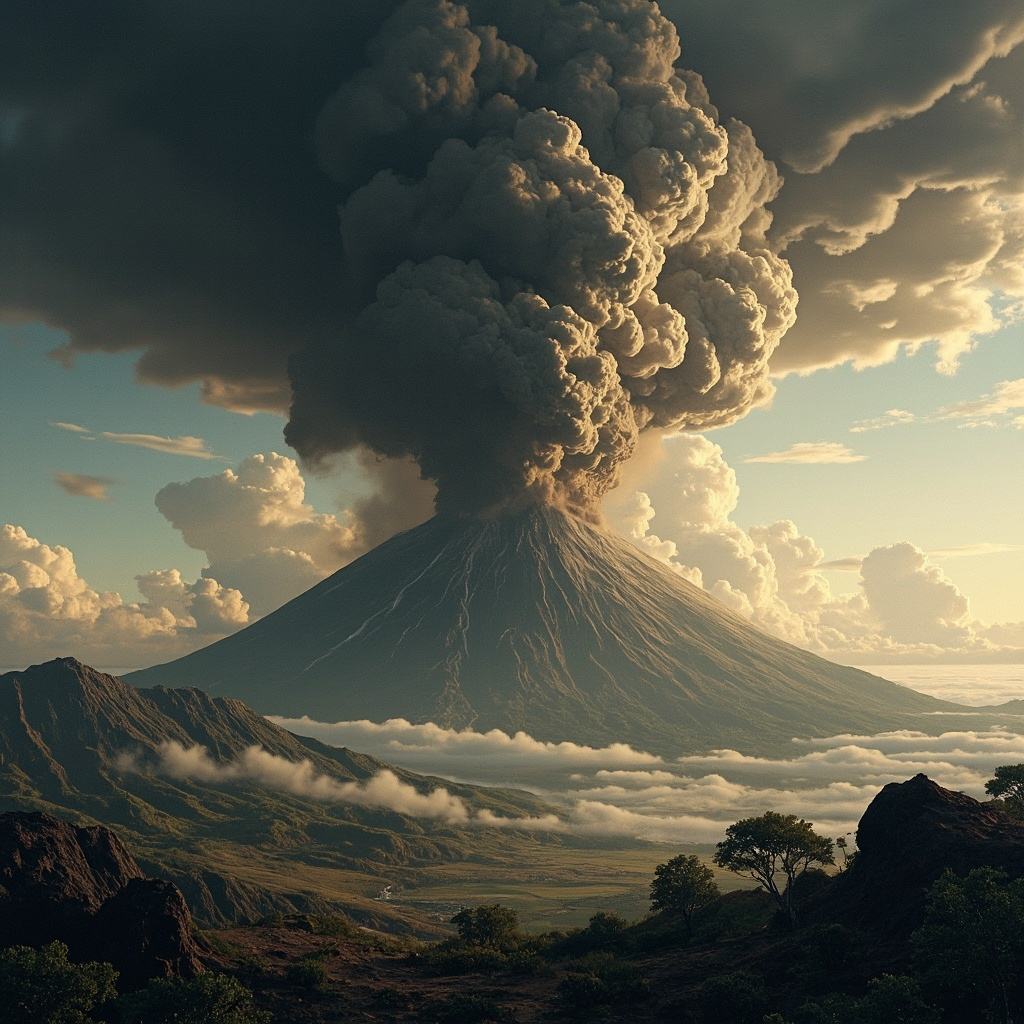
On April 10, 1815, Mount Tambora in Indonesia erupted with the force of approximately 80,000 Hiroshima bombs. The explosion was so violent that it could be heard 1,200 miles away, and the ash column reached an estimated height of 28 miles into the atmosphere—well into the stratosphere.
The eruption killed approximately 71,000 people directly, but that was only the beginning. The real devastation came from what scientists now call “volcanic winter”—a global climate anomaly caused by massive amounts of volcanic ash and sulfur dioxide blocking sunlight across the planet.
Mount Tambora ejected an estimated 38 cubic miles of material into the atmosphere. To put this in perspective, that’s enough debris to bury the entire state of Rhode Island under 10 feet of volcanic material. The sulfur dioxide formed sulfuric acid aerosols in the stratosphere, creating a persistent haze that reflected sunlight away from Earth.
America’s Impossible Summer
The effects reached North America in spectacular and terrifying fashion during the summer of 1816. Across New England and Eastern Canada, temperatures plummeted to levels that seemed impossible for the season.
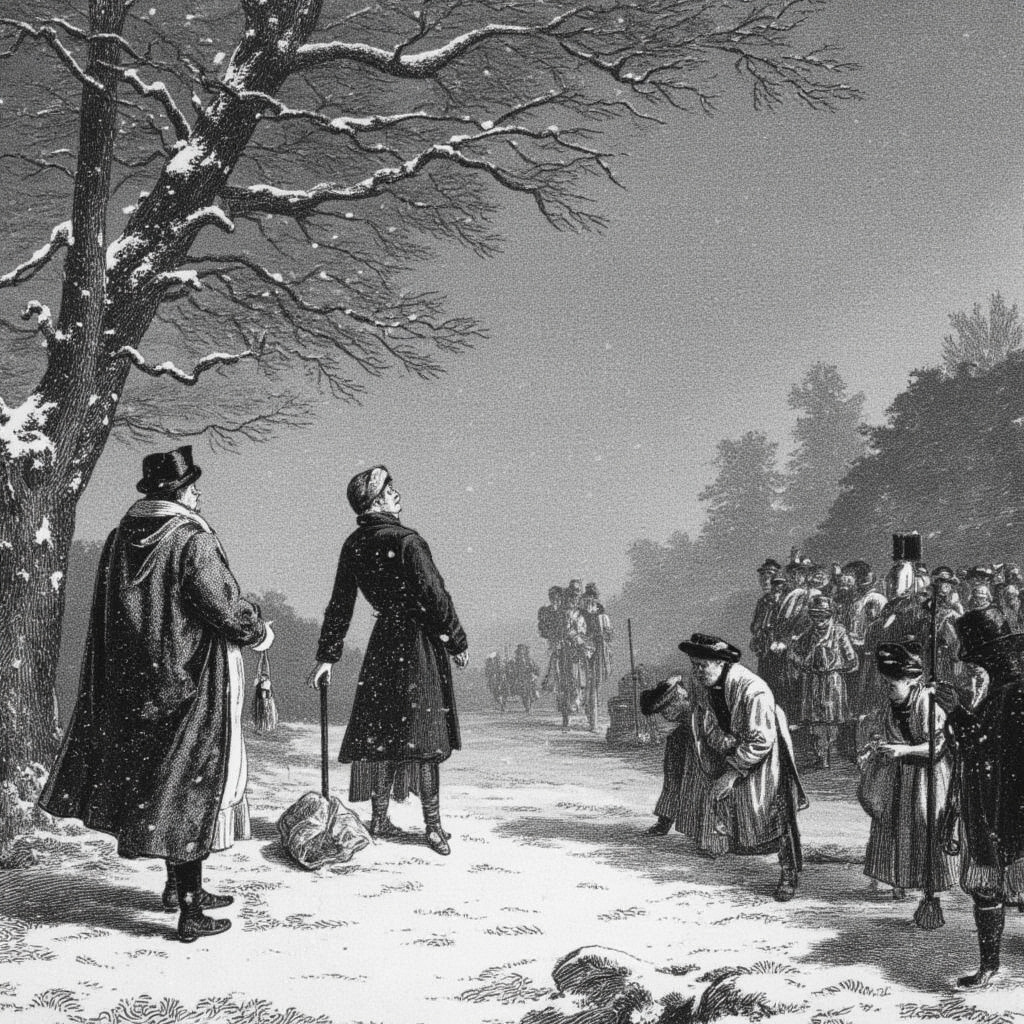
In Massachusetts, snow fell in June—not a light dusting, but actual accumulating snow in mid-summer. Connecticut experienced killing frosts throughout June and July. Vermont recorded snowfall every month of the year, with some areas receiving over six inches of snow in June.
The temperature swings were dramatic and unpredictable. Philadelphia recorded a high of only 46°F (8°C) on July 4th—Independence Day—when temperatures should have been in the 80s. New York City experienced frost in August, devastating crops across the region.
The Global Catastrophe
While Americans struggled with their impossible summer, the rest of the world faced equally bizarre conditions. In Europe, the situation was even more dire:
- Switzerland experienced such severe crop failures that people resorted to eating sawdust bread
- Ireland faced famine that contributed to a typhus epidemic, killing over 100,000 people
- Germany recorded average temperatures 3-5°F below normal throughout the growing season
- India suffered unusual monsoon patterns that disrupted rice harvests
China experienced unusually cold weather and crop failures. Even as far south as Virginia, there were reports of ice forming on ponds in August—an occurrence so unusual that local newspapers treated it as a supernatural event.
The Human Cost
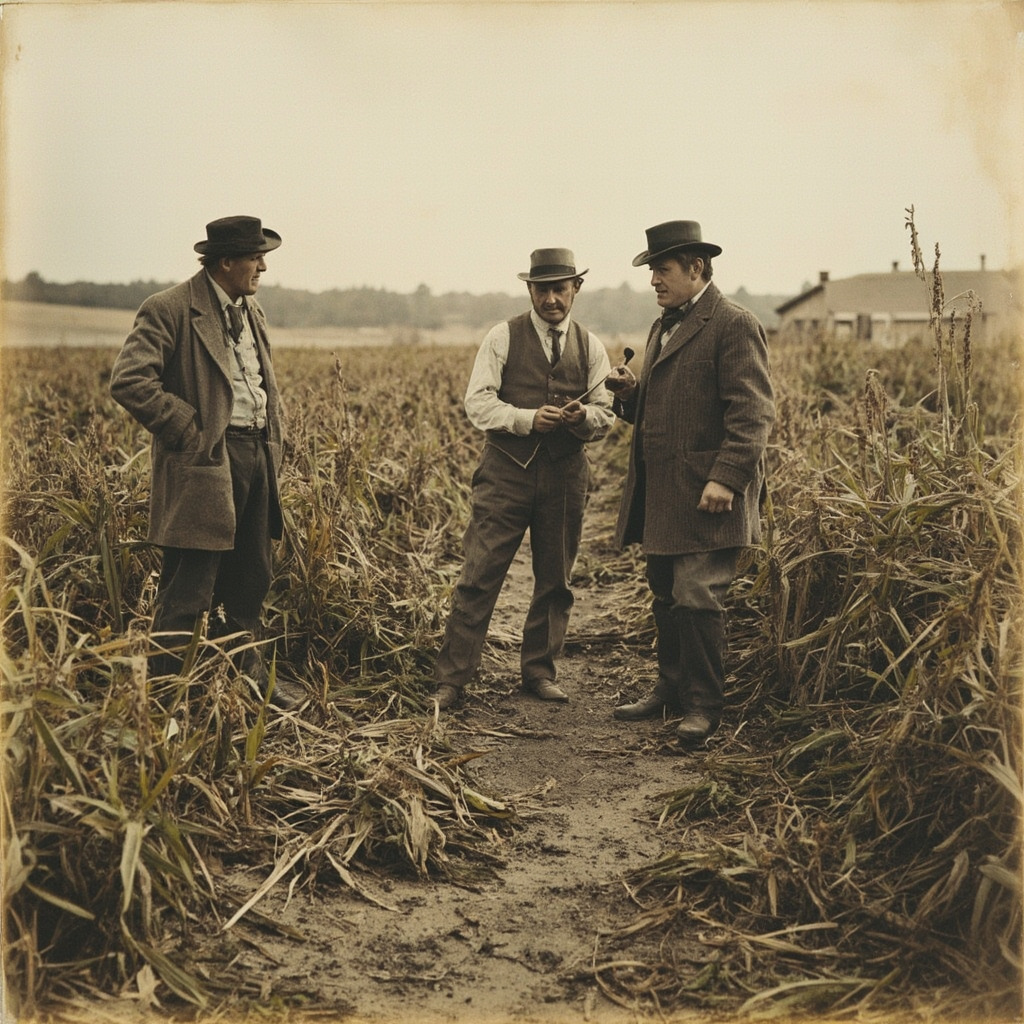
The agricultural devastation was staggering. New England farmers lost entire crop seasons, with corn harvests failing completely in much of Vermont and New Hampshire. The price of oats skyrocketed as horse feed became scarce, forcing many families to abandon their farms.
This agricultural crisis triggered one of the largest westward migrations in early American history. Thousands of New England families, facing starvation and financial ruin, packed up and headed for the Ohio Valley and other western territories where the climate effects were less severe.
The migration was so massive that Vermont’s population actually declined between 1810 and 1820—the only decade in the state’s history to show negative growth. Many of these climate refugees helped settle Indiana, Illinois, and Ohio, fundamentally changing the demographic patterns of American expansion.
Scientific Discovery Born from Disaster
The 1816 climate disaster inadvertently advanced scientific understanding. This was the first time scientists began to seriously consider the connection between volcanic eruptions and global climate patterns.
The event also spurred agricultural innovation. Farmers began experimenting with different crops and growing techniques to protect against future climate anomalies. The crisis led to improved seed varieties and better food preservation methods.
Cultural Impact and Legacy
The “Year Without a Summer” left an indelible mark on culture and literature. Mary Shelley was vacationing in Switzerland during the gloomy summer of 1816 when the persistent bad weather kept her indoors. To pass time, she and her companions told ghost stories—leading to her creation of “Frankenstein,” one of the world’s first science fiction novels.
Lord Byron, also present in Switzerland that summer, wrote his famously dark poem “Darkness,” directly inspired by the unnatural gloom and cold. The opening lines capture the eeriness of that summer: “I had a dream, which was not all a dream. The bright sun was extinguish’d…”
American folk songs and poetry from the period reflect the confusion and fear people felt about the impossible weather. Farmers didn’t understand why their crops were failing, and many interpreted the strange weather as a sign of divine displeasure or approaching apocalypse.
The Connection Nobody Could See
The tragic irony of 1816 is that no one in America or Europe initially connected their suffering to a volcanic eruption on the other side of the world. Communication was so slow that detailed news of the Tambora eruption didn’t reach the Western world until months after it occurred.
Even when the connection was eventually made, the mechanism wasn’t understood. The concept of global atmospheric circulation and volcanic winter effects wouldn’t be scientifically established until the 20th century. To most people living through 1816, their impossible summer remained an inexplicable natural disaster.
Modern Parallels
The 1816 climate crisis offers sobering lessons for our modern world. It demonstrates how quickly global climate can change and how interconnected our planet’s systems really are. A single volcanic event in Indonesia affected weather patterns, agriculture, and human migration across the entire Northern Hemisphere.
Climate scientists today study the 1816 event as a natural analog for potential geoengineering solutions to global warming—specifically, the idea of injecting reflective particles into the stratosphere to cool the planet. The Tambora eruption essentially created a natural version of this process, providing valuable data about the effects and risks.
The Year Without a Summer remains one of history’s most dramatic examples of how natural disasters can reshape entire societies, trigger mass migrations, and fundamentally alter the course of human civilization—all from a single volcanic explosion on the other side of the world.