The Woolly Mammoths That Outlived the Pyramids


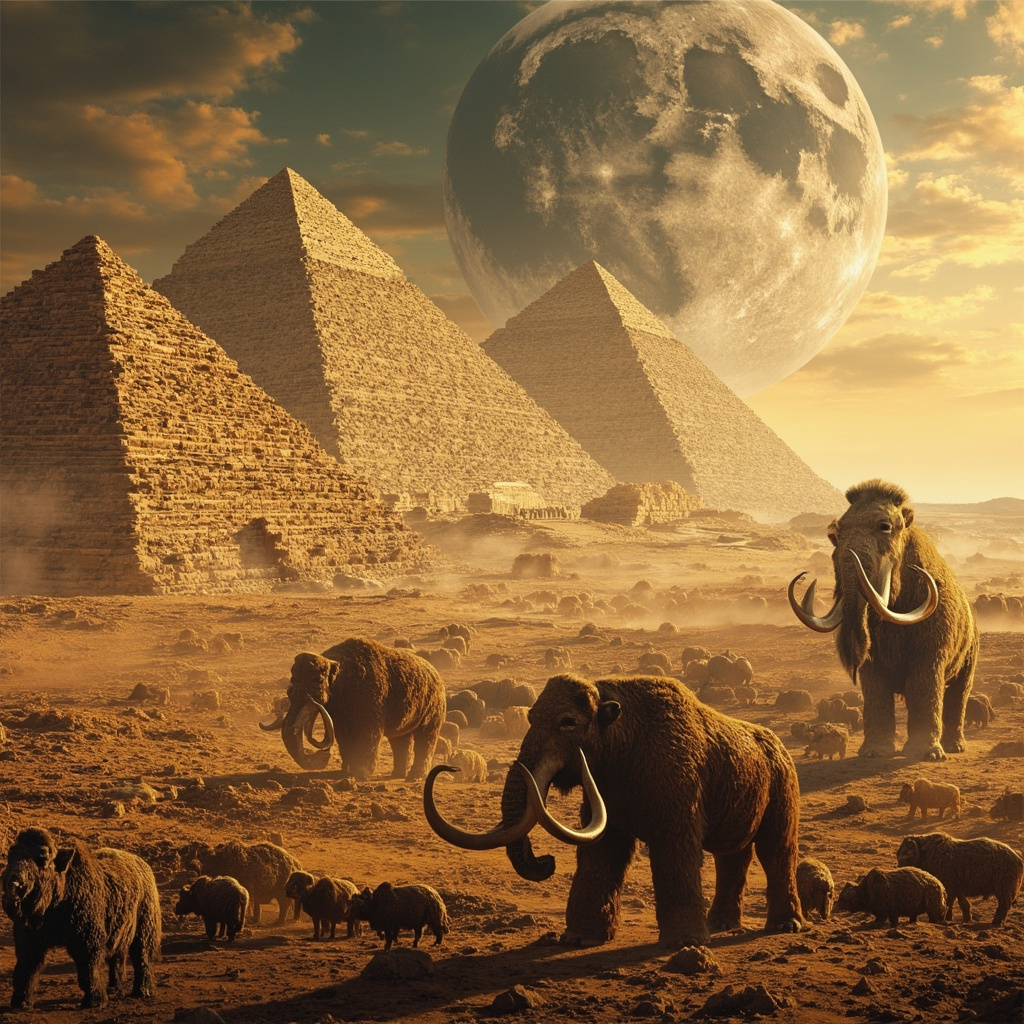
Most people believe woolly mammoths disappeared around 10,000 years ago at the end of the last Ice Age. This popular misconception overlooks one of history’s most surprising facts: some woolly mammoths actually survived thousands of years longer, roaming the Earth while ancient civilizations were building their greatest monuments.
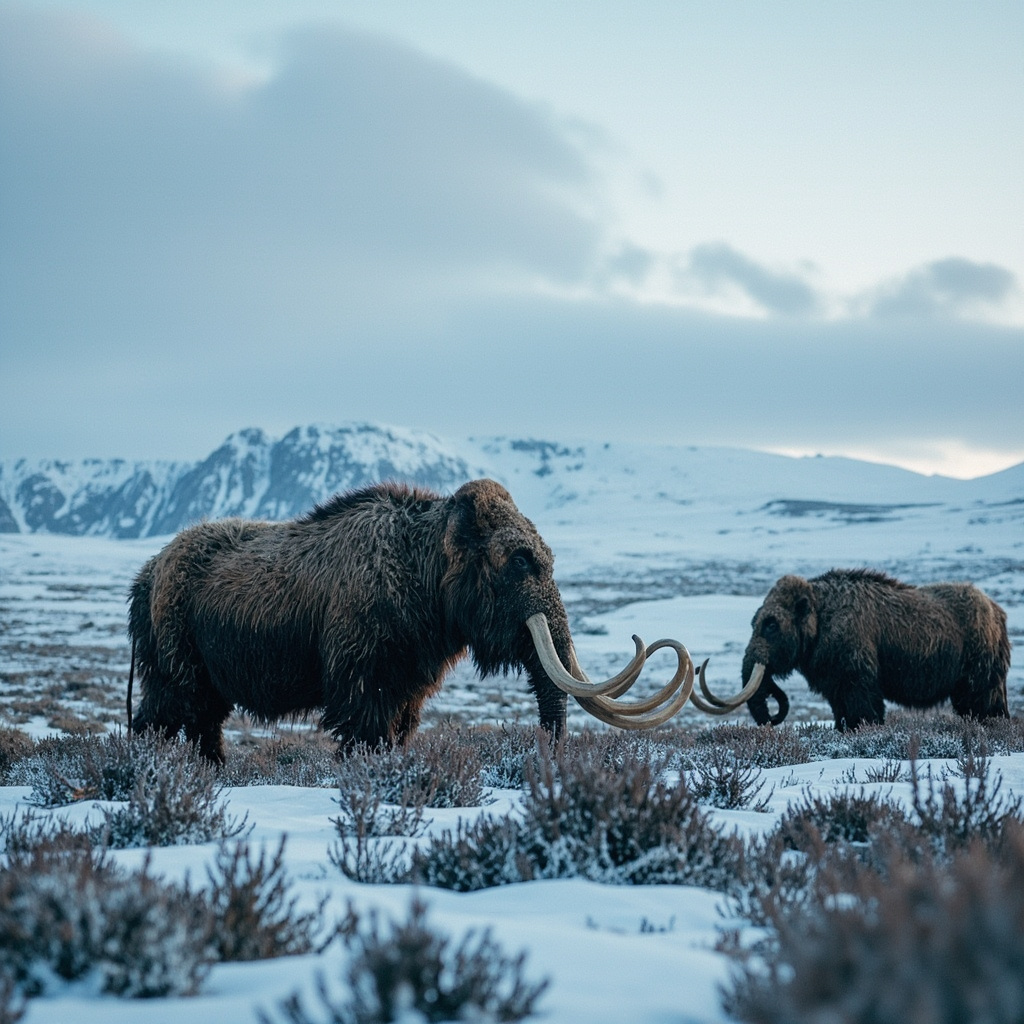
The last surviving population of woolly mammoths lived on Wrangel Island, a remote Arctic island off the coast of Siberia. These remarkable creatures survived until approximately 3,700 years ago – centuries after both the Great Pyramid of Giza and Stonehenge were completed.
The Last Mammoth Sanctuary
Wrangel Island, located in the Arctic Ocean about 140 kilometers off the Siberian coast, became an isolated refuge for woolly mammoths when rising sea levels cut it off from the mainland around 12,000 years ago. This isolation created a unique ecosystem where a small population of mammoths continued to thrive long after their mainland cousins had vanished.
The island’s mammoth population was relatively small, estimated at only a few hundred individuals at most. Despite their isolation, they managed to maintain a viable breeding population for thousands of years. These were not just surviving mammoths – they were evolving. The island population showed signs of dwarfism, a common adaptation among isolated island species.
Timeline of Coexistence
To put this remarkable survival into perspective, consider what was happening in human civilization while these mammoths still roamed:
- 4,500 years ago: Great Pyramid of Giza completed
- 4,000-5,000 years ago: Stonehenge construction
- 3,700 years ago: Last woolly mammoth dies on Wrangel Island
- 3,200 years ago: Tutankhamun rules Egypt
Discovery and Scientific Evidence
This extraordinary timeline was only discovered through careful scientific investigation. In the 1990s, researchers found mammoth remains on Wrangel Island that were far younger than expected. Carbon dating revealed teeth and bones that were only 3,700 years old – startlingly recent in geological terms.
Further genetic analysis confirmed these were indeed woolly mammoths, not a different species. The DNA evidence showed they were descendants of the mainland mammoth populations but had developed distinct genetic characteristics due to their isolation.
Why Did They Finally Disappear?
The exact cause of the Wrangel Island mammoths’ final extinction remains debated among scientists. Possible factors include:
- Climate change affecting their Arctic environment
- Genetic bottlenecking due to small population size
- Human arrival on the island (though evidence is limited)
- Disease or environmental catastrophe
The most likely explanation involves a combination of these factors. Small, isolated populations are inherently vulnerable to extinction events that larger populations might survive.
A Different Perspective on Extinction
The survival of Wrangel Island mammoths challenges our understanding of extinction patterns and timeline. It demonstrates that species can persist in refugia long after their main populations disappear, sometimes for millennia.
This discovery has important implications for modern conservation efforts. It shows that even small, isolated populations can maintain themselves for extended periods under the right conditions. It also highlights the importance of protecting isolated habitats that might harbor the last survivors of threatened species.
The next time you see images of ancient pyramids or read about early civilizations, remember: woolly mammoths were still trumpeting their calls across the Arctic tundra, a living link to the Ice Age persisting in our Bronze Age world.