The Voynich Manuscript: History’s Most Mysterious Book That No One Can Read

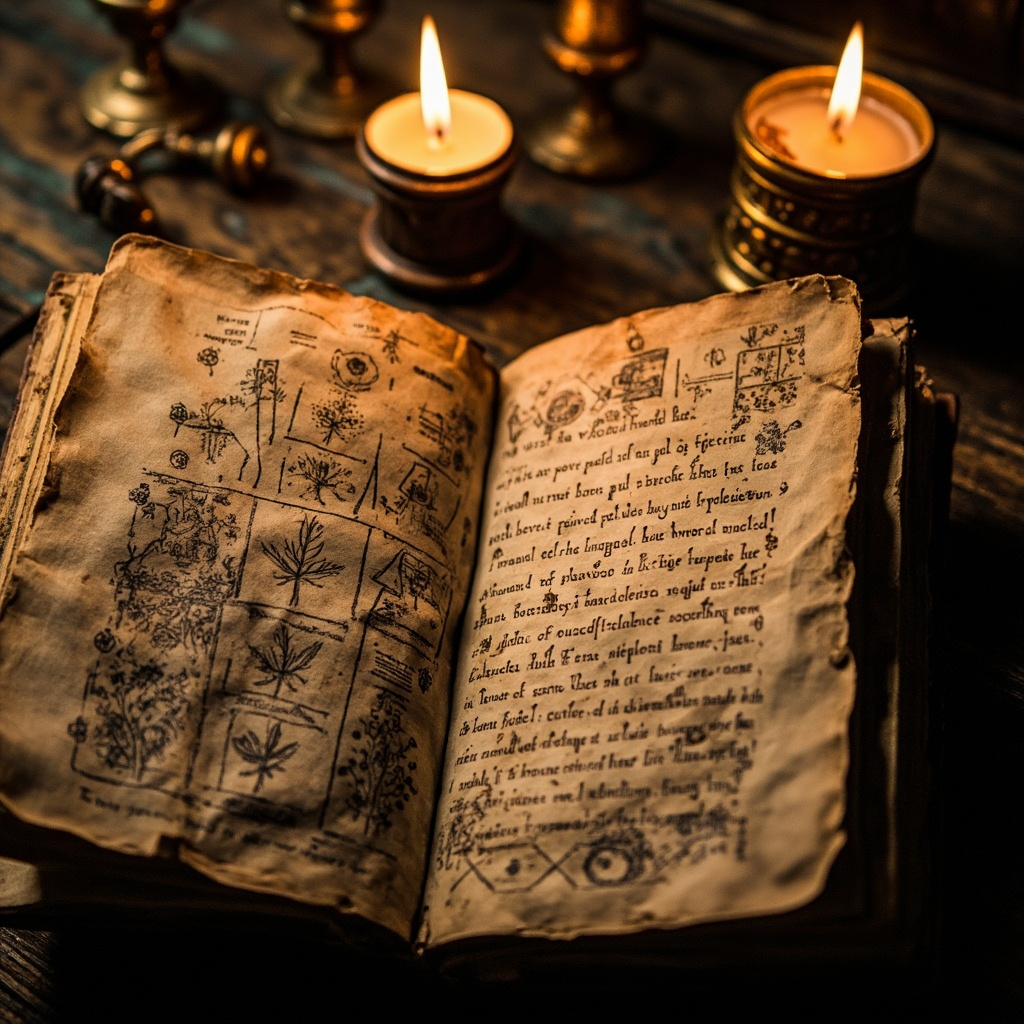
Hidden in the depths of Yale University’s Beinecke Rare Book Library sits what may be the world’s most enigmatic tome—a 15th-century manuscript that has confounded scholars, cryptographers, and linguists for over a century. The Voynich Manuscript, as it came to be known, contains 240 pages of indecipherable text accompanied by bizarre illustrations of unknown plants, astronomical diagrams, and naked figures in strange baths. Despite countless attempts by some of history’s brightest minds, including World War II codebreakers, the manuscript’s secrets remain locked away.
The Discovery That Started a Century-Long Mystery
In 1912, Polish book dealer Wilfrid Voynich made what he believed would be the discovery of a lifetime. While examining manuscripts at Villa Mondragone near Rome, he came across a peculiar volume that would consume the rest of his life and challenge generations of scholars to come. The manuscript was written in an unknown script using an unidentified language, filled with illustrations that seemed to depict plants and astronomical phenomena that existed nowhere else on Earth.

Voynich immediately recognized the manuscript’s potential importance and spent years attempting to decode its mysteries. The book appeared to be divided into several sections: botanical illustrations showing plants that don’t match any known species, astronomical charts with unfamiliar constellations, and what appeared to be pharmaceutical or alchemical recipes accompanied by drawings of naked women in green liquid baths.
A Language Like No Other
What makes the Voynich Manuscript particularly baffling is its unique script. The text flows from left to right and consists of about 25 different characters, some resembling Latin letters while others appear completely alien. Statistical analysis reveals that the text exhibits properties typical of natural languages—it has a consistent vocabulary, repetitive patterns, and even what appear to be punctuation marks.
Yet no linguist has been able to identify the language or decode the meaning. Some letters appear frequently while others are rare, following patterns similar to European languages. However, the words themselves follow no known linguistic structure, leading some experts to suspect it might be an elaborate cipher or even an entirely constructed language.
Centuries of Failed Attempts
The manuscript has attracted attention from some of history’s most brilliant minds. During World War II, American and British cryptographers—the same experts who were successfully breaking enemy codes—turned their attention to the Voynich Manuscript during their spare time. Despite their expertise in cracking the most sophisticated military ciphers of the era, the manuscript defeated their every attempt.
In 1947, Professor William F. Friedman, who had helped break the Purple cipher used by Japan, assembled a group of cryptographers specifically to tackle the manuscript. After decades of analysis, even Friedman admitted defeat, though he maintained until his death that the manuscript contained a genuine message rather than meaningless gibberish.
Modern Science Meets Medieval Mystery
Today, the manuscript resides at Yale University’s Beinecke Library, where researchers continue to study it using cutting-edge technology. Carbon dating has confirmed its 15th-century origins, while microscopic analysis of the ink and parchment has revealed fascinating details about its creation. The manuscript was written with iron gall ink using quill pens, and the parchment is made from calfskin—all typical of medieval European manuscripts.
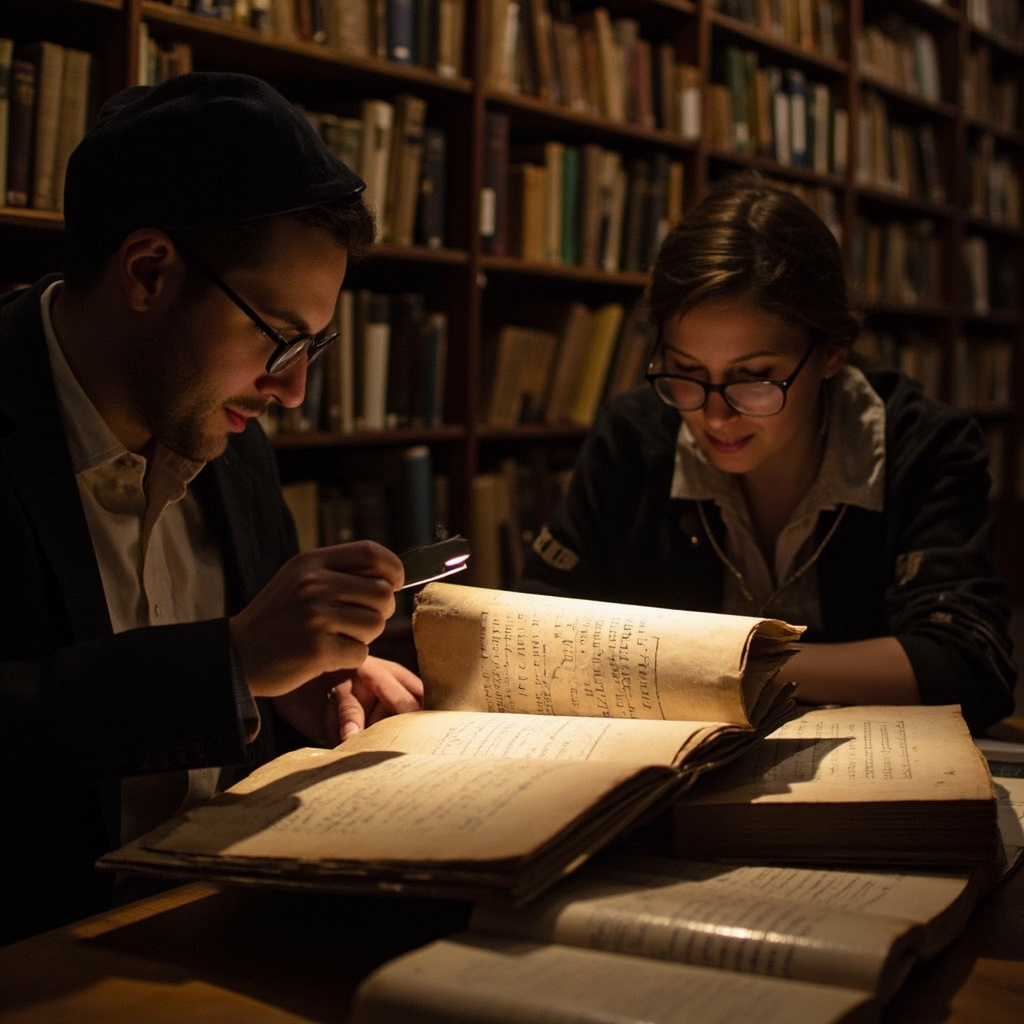
Recent computer analysis has revealed intriguing patterns in the text that suggest it might indeed be a sophisticated cipher. In 2026, a peer-reviewed study published in Cryptologia demonstrated that the manuscript could plausibly have been created using encryption methods that were within medieval technological capabilities, reigniting hope that the mystery might eventually be solved.
Theories and Speculation
Over the decades, theories about the manuscript’s origin and purpose have ranged from the plausible to the fantastical. Some scholars believe it’s the work of Roger Bacon, the 13th-century philosopher and scientist, while others suggest it might be an elaborate hoax designed to fool a wealthy collector. More exotic theories propose it contains ancient knowledge about unknown botanical species, serves as a guide to alchemical practices, or even represents an alien language.
One of the more intriguing recent theories suggests the manuscript might be written in a constructed language similar to those created by medieval mystics and scholars. This would explain why the text exhibits linguistic properties while remaining indecipherable—it follows consistent rules that exist nowhere else in human language.
The Mystery Endures
Despite more than a century of intense study involving linguists, historians, computer scientists, and amateur enthusiasts, the Voynich Manuscript continues to guard its secrets. Each generation of scholars brings new tools and techniques to bear on the problem, from early 20th-century linguistic analysis to modern artificial intelligence and machine learning algorithms.
The manuscript remains one of history’s most enduring puzzles, a testament to the fact that even in our age of advanced technology and sophisticated analysis, some mysteries from the past continue to elude our understanding. Whether it contains revolutionary medieval knowledge, represents an elaborate historical hoax, or preserves a language lost to time, the Voynich Manuscript stands as a humbling reminder that there are still secrets waiting to be unlocked in the pages of history.
Until someone finally cracks its code, the manuscript will continue to challenge our assumptions about medieval knowledge, linguistic possibilities, and the very nature of human communication itself.