The Romans Invented Self-Healing Concrete That Outlasted Our Modern Technology by 2,000 Years

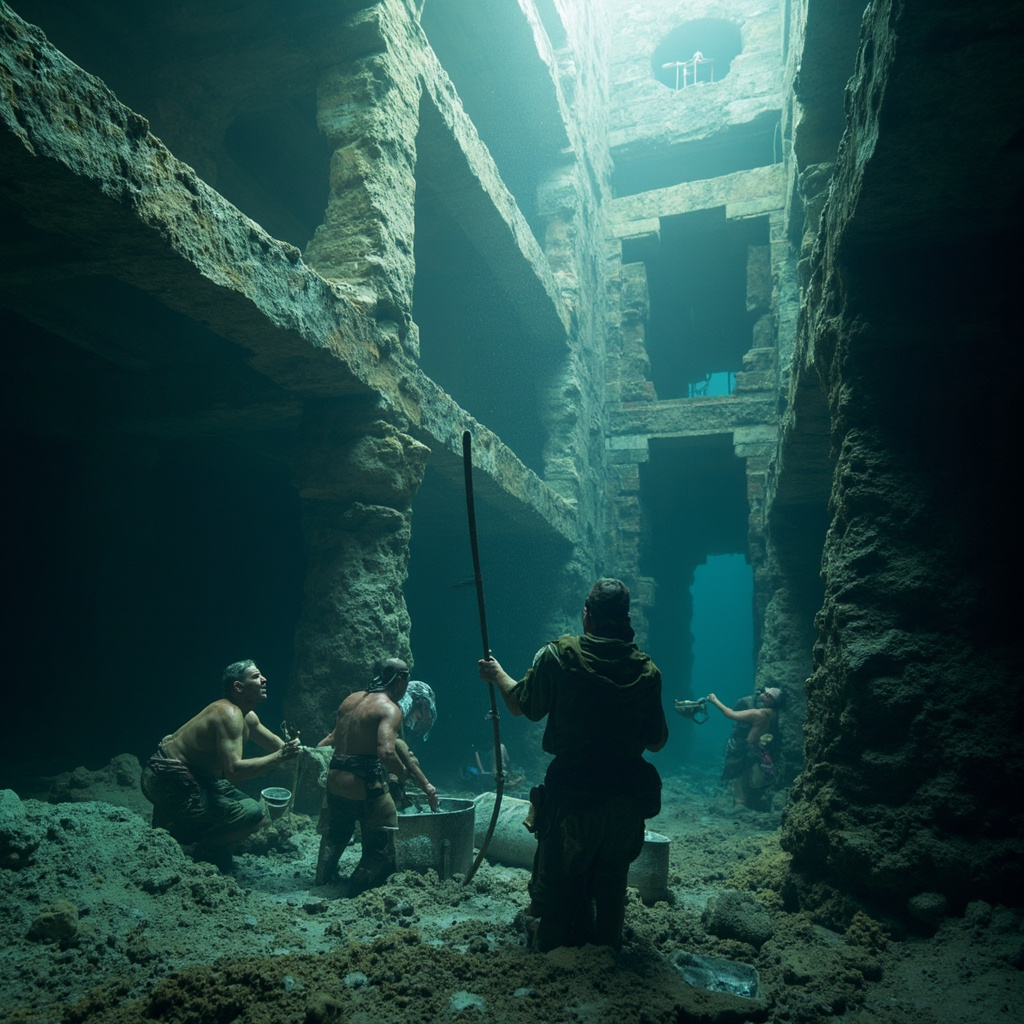
When the Roman Empire fell in 476 AD, it left behind a legacy that continues to confound modern engineers: concrete structures that have stood for over two millennia while our contemporary buildings crumble after decades. The secret? Romans accidentally created self-healing concrete that repairs its own cracks—a technology we only rediscovered in 2023.
The Pompeii Discovery That Changed Everything
In 2025, archaeologists working at Pompeii made a remarkable discovery that would revolutionize our understanding of ancient Roman engineering. In a room frozen in time by Vesuvius’ eruption in 79 AD, they found untouched piles of quicklime and volcanic ash—the raw ingredients of Roman concrete still sitting exactly as construction workers had left them 2,000 years ago.
“I walked into an excavation in Pompeii a year-and-a-half ago and it was like travelling back in time to a construction site in the Roman empire,” says Admir Masic, the MIT chemist who led the groundbreaking research. “There were untouched piles of construction material vividly preserved.”
The Secret of Hot Mixing
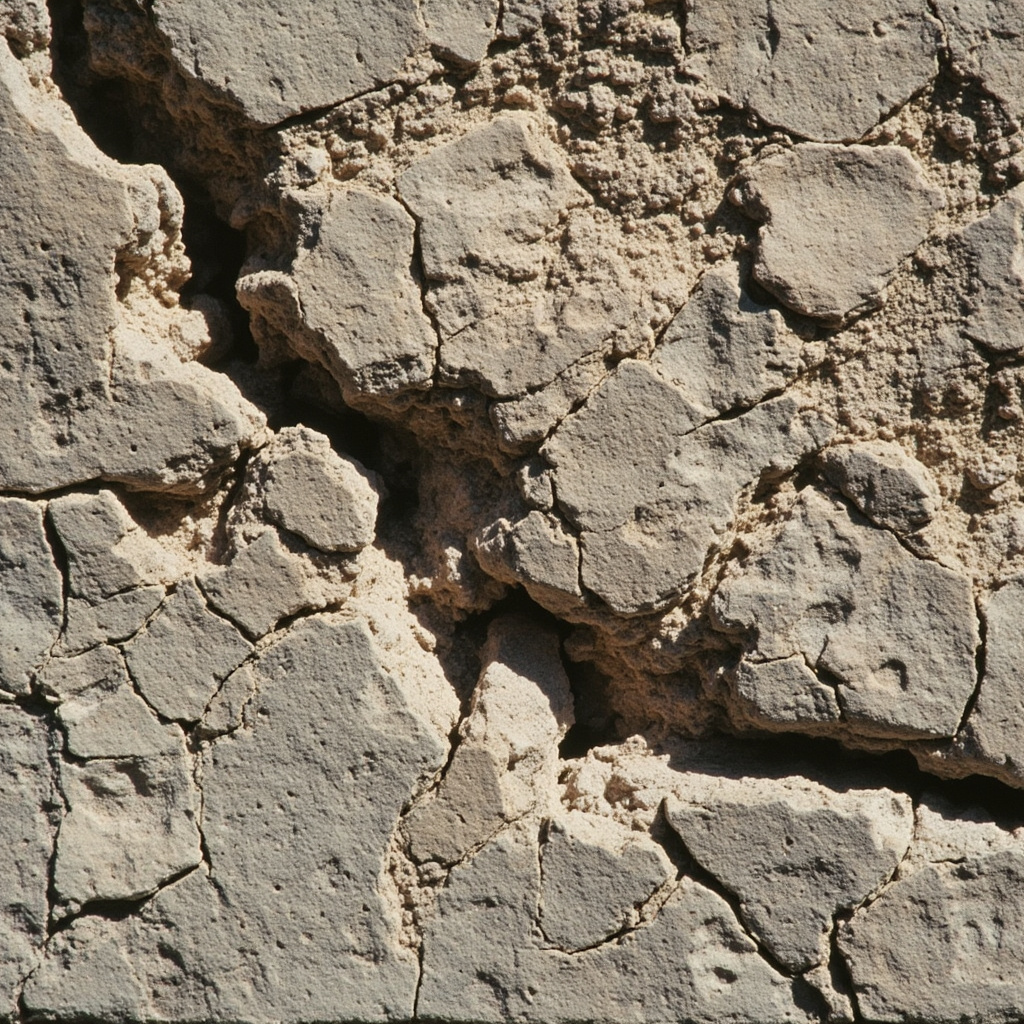
For centuries, historians believed Romans followed the writings of Vitruvius, the 1st century BC architect who described mixing slaked lime with volcanic ash. But the Pompeii evidence revealed something far more sophisticated: Romans were actually using “hot mixing”—combining dry quicklime and volcanic ash first, then adding water to trigger an explosive chemical reaction reaching temperatures over 200°C.
This process created something remarkable: lime clasts—small white chunks scattered throughout the concrete that act like built-in repair kits. When cracks form and water seeps in, these lime clasts dissolve and recrystallize, automatically healing the damage.
Engineering That Surpasses Modern Technology
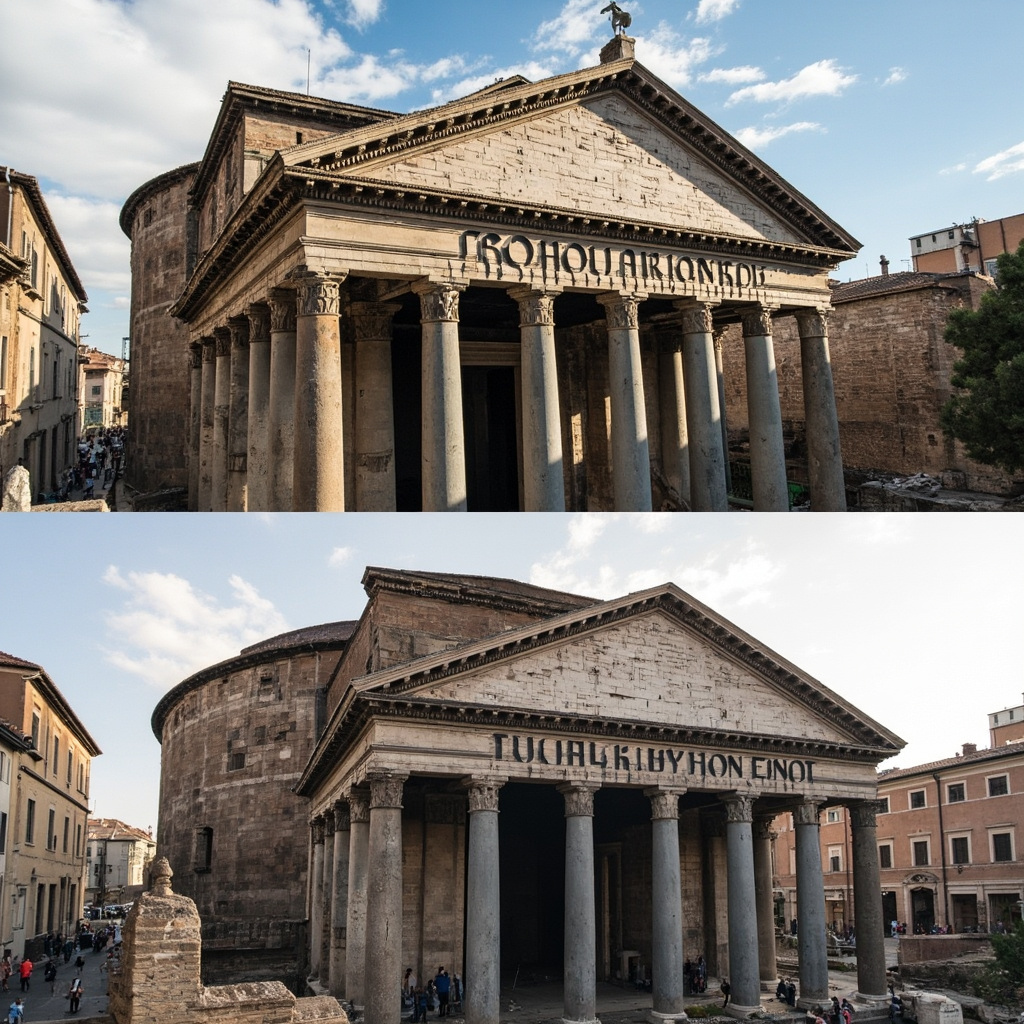
The implications are staggering. Roman concrete doesn’t just last—it actually grows stronger over time. While modern Portland cement structures deteriorate within 50-100 years, Roman buildings like the Pantheon (built in 126 AD) remain structurally sound after nearly 1,900 years.
Even more impressive: Roman concrete could set underwater, enabling harbor construction that modern engineers struggle to replicate. The material continues to strengthen through reactions with seawater, while contemporary concrete dissolves.
The Chemistry of Immortal Buildings
Modern chemical analysis reveals the genius of Roman engineering. The lime clasts create reservoirs of calcium that can dissolve and reform various calcium carbonates, or react with volcanic ash to create new aluminosilicates. This essentially restarts the cement-making process, filling fissures and healing defects automatically.
“This is not an archaeology paper. It’s a badass chemistry paper,” Masic emphasized, noting that isotope analysis confirmed the dry pre-mixed material was indeed quicklime—proving the hot mixing technique.
Why We Lost This Knowledge
The fall of Rome didn’t just end an empire—it severed technological knowledge that took 1,500 years to rediscover. Medieval builders lacked the organizational capacity and technical expertise to maintain Roman concrete production. By the Renaissance, architects had forgotten the original techniques entirely.
Modern Portland cement, developed in the 1800s, prioritizes quick setting and standardized production over longevity. We traded durability for convenience, creating buildings designed to be replaced rather than repaired.
Implications for the Future
As climate change demands sustainable construction that lasts centuries rather than decades, Roman concrete offers a roadmap. Researchers are now working to recreate these ancient formulations using modern volcanic ash sources, potentially revolutionizing how we build.
The Romans didn’t just build an empire—they built it to last forever. Their concrete continues healing itself today, a 2,000-year testament to engineering excellence that makes our “advanced” technology look primitive by comparison.