The Lost Medieval Practice of Biphasic Sleep: When Humans Had Two Bedtimes

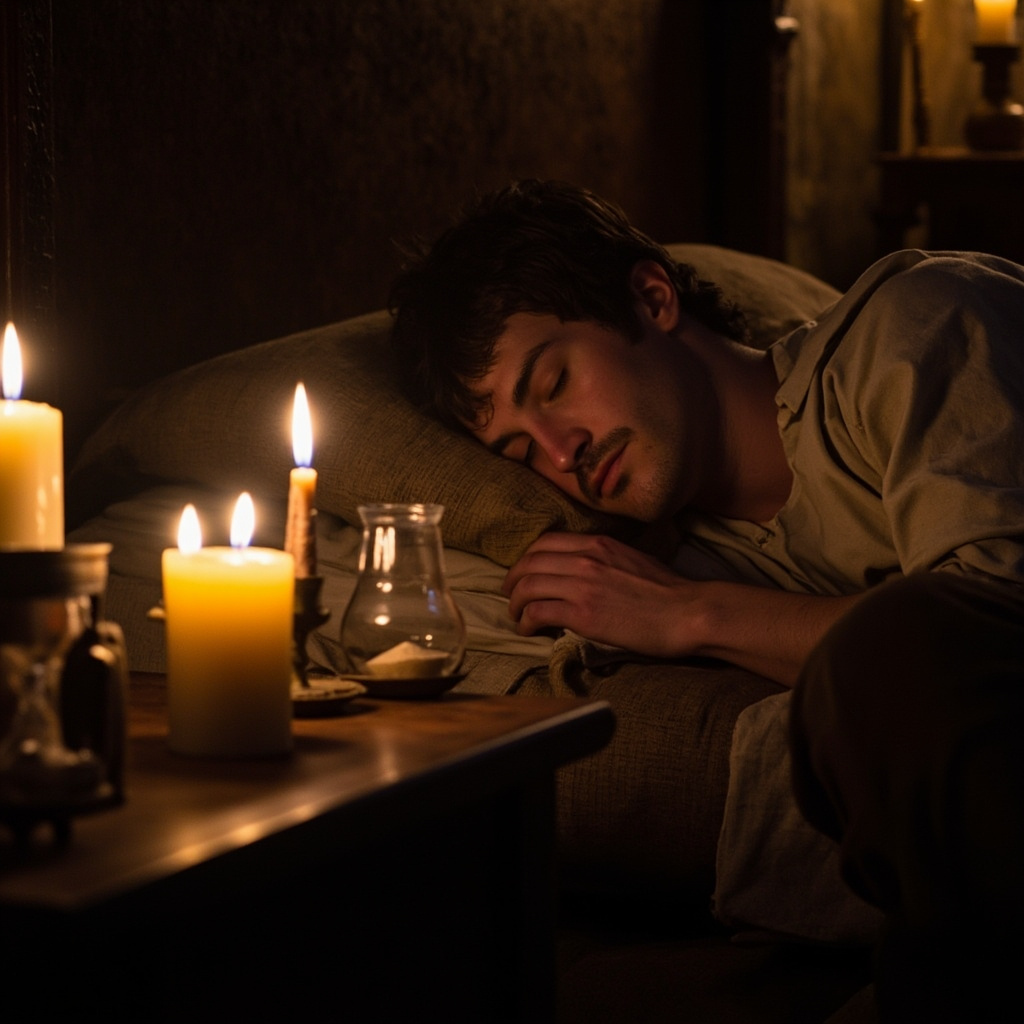
For over a thousand years, our ancestors lived by a sleep pattern that would seem alien to modern humans. Instead of sleeping through the night in one continuous stretch, medieval people regularly practiced what historians call “biphasic sleep” — dividing their rest into two distinct periods with an active wakeful interval in between.
This wasn’t the result of insomnia or poor sleeping conditions. It was the natural, accepted way humans organized their nights, and it shaped medieval society in ways we’re only beginning to understand.
The Two-Sleep Cycle Explained
Medieval people typically went to bed shortly after sunset, around 9 or 10 PM. They would sleep for approximately four hours, then wake naturally around 1 AM. This period of wakefulness, known as “the watch,” lasted for one to three hours. Afterward, they would return to bed for their “second sleep,” waking at dawn.
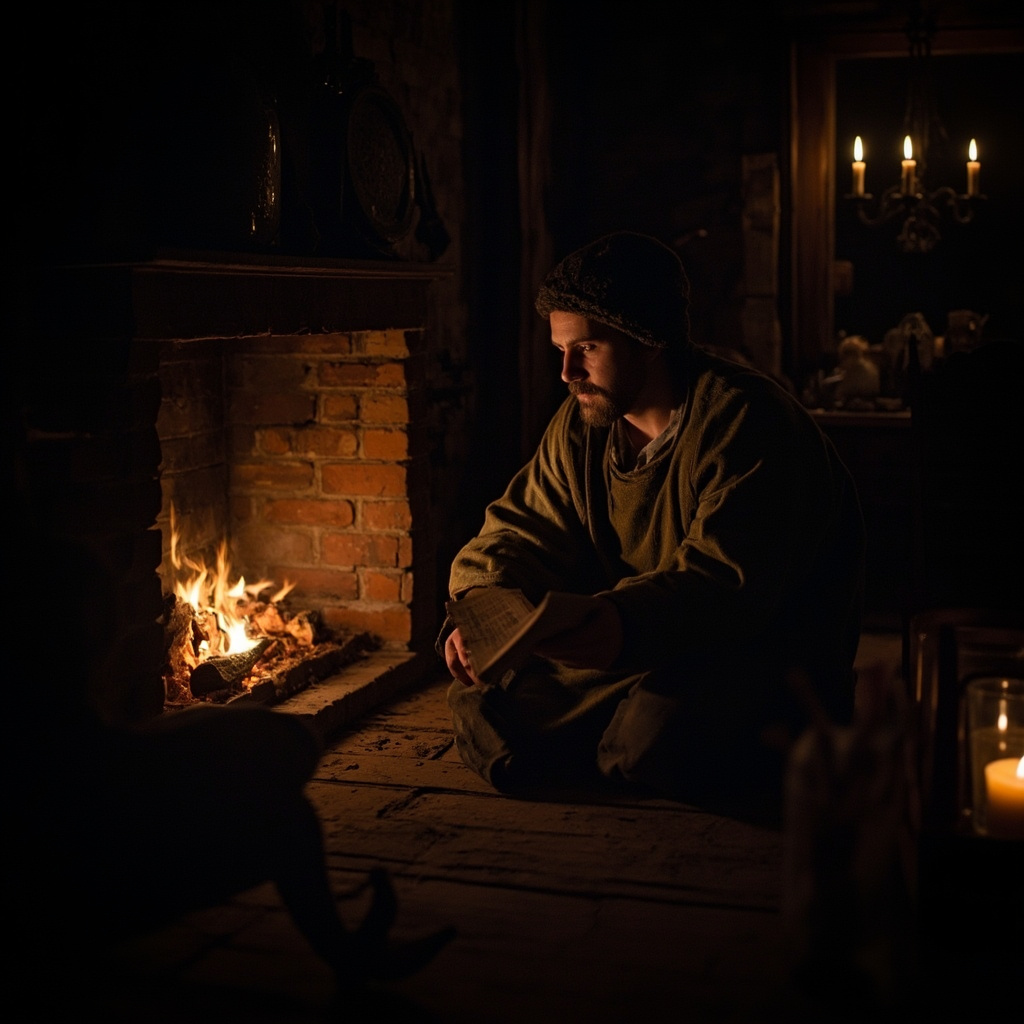
During the watch, people engaged in a variety of activities. Some would tend to the fire, check on livestock, or complete household chores by candlelight. Others used this quiet time for prayer, meditation, or intimate conversations with their spouse. The watch was considered a peaceful, contemplative period — a natural pause in the rhythm of life.
Evidence Across Cultures and Time
References to biphasic sleep appear in countless historical documents, literature, and medical texts from across Europe and beyond. The 16th-century physician Andrew Boorde wrote detailed instructions about “first sleep” and “second sleep.” Shakespeare’s plays contain multiple references to the practice, and court records from various countries document crimes committed during the watch hours.
This wasn’t unique to Europe. Similar sleep patterns have been documented in pre-industrial societies across Africa, South America, and Asia, suggesting that biphasic sleep may have been humanity’s default sleep pattern for millennia.
The Science Behind Natural Sleep
Modern sleep research supports the naturalness of this pattern. In laboratory studies where people are deprived of artificial light for extended periods, many naturally fall into a biphasic sleep cycle. Our circadian rhythms, when not influenced by electric lighting, seem to favor this two-phase approach.
During the watch period, people experienced what researchers call “quiet wakefulness” — a state of relaxed alertness that differs significantly from the stimulated wakefulness of our modern era. Brain scans show that this natural awakening produces different neural patterns than forced awakening, suggesting it served important biological functions.
The Industrial Revolution Changes Everything
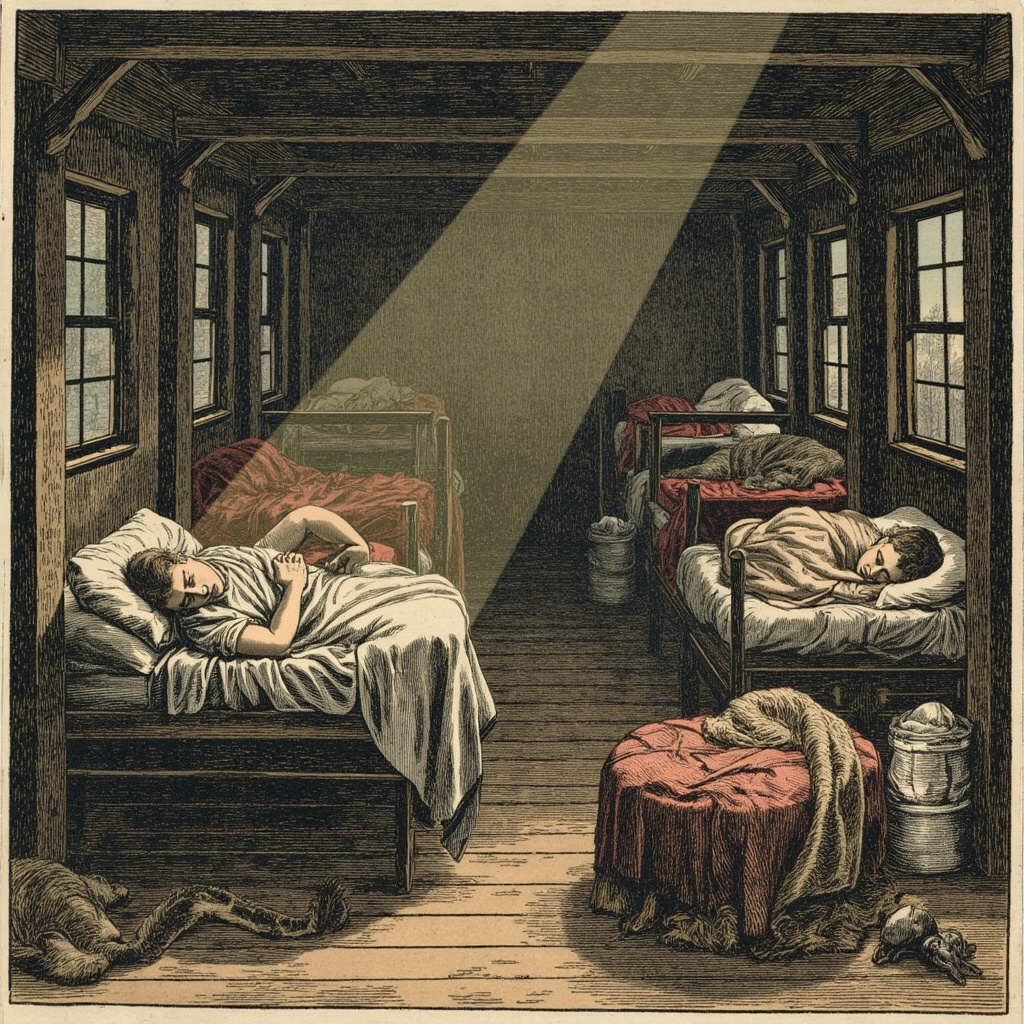
The death of biphasic sleep began with the Industrial Revolution. Factory schedules demanded workers be present for long, continuous shifts. Urban growth meant people lived farther from work, requiring earlier wake times. Most importantly, the introduction of gas lighting and later electric lighting extended the evening hours.
By the late 19th century, sleeping through the night had become the new norm. Medical authorities began promoting “consolidated sleep” as healthier, despite thousands of years of evidence to the contrary. The watch period was rebranded as insomnia — a medical problem to be solved rather than a natural pattern to be embraced.
Social Implications of the Change
The shift from biphasic to monophasic sleep had profound social consequences. The watch had been a time for intimate family conversations, personal reflection, and spiritual contemplation. Its disappearance may have contributed to the social isolation that characterizes much of modern life.
Some historians argue that the loss of this quiet, contemplative period also affected human creativity and problem-solving abilities. Many great thinkers throughout history, from Dickens to Tesla, were known to use nighttime wakefulness as a period of heightened mental activity.
Modern Rediscovery and Applications
Today, sleep researchers are revisiting biphasic patterns with renewed interest. Some studies suggest that people suffering from insomnia might actually be experiencing a natural urge to return to humanity’s traditional sleep pattern. Rather than fighting middle-of-the-night wakefulness, some sleep specialists now recommend accepting it.
A small but growing number of people are experimenting with intentional biphasic sleep schedules. They report benefits including increased creativity, better dream recall, and a greater sense of being in tune with natural rhythms. However, the demands of modern society — particularly work schedules and artificial lighting — make it challenging to maintain consistently.
Lessons from Our Sleeping Past
The story of biphasic sleep reveals how quickly and completely humans can abandon even the most fundamental practices. For our ancestors, the watch was as natural as sunrise and sunset. Within just a few generations, it became so forgotten that we now treat natural nighttime wakefulness as a disorder.
This historical perspective offers valuable insights into our relationship with sleep, technology, and natural rhythms. Perhaps the medieval practice of accepting — even welcoming — periods of quiet wakefulness holds lessons for our hyperconnected, always-stimulated modern world.
While we may never fully return to the two-sleep pattern of our ancestors, understanding this lost practice reminds us that our current approach to sleep is neither universal nor necessarily optimal. The watch may be gone, but its memory challenges us to reconsider what we’ve gained — and lost — in our relentless march toward efficiency.