The Great Emu War: When Australia Lost a Military Campaign to Birds


In 1932, Australia faced an unusual enemy that would prove more challenging than any human adversary: emus. What began as a simple pest control operation escalated into a military campaign so unsuccessful that it became known as the “Great Emu War.” This bizarre chapter in Australian history saw the country’s military deploy machine guns against large flightless birds—and lose spectacularly.
The Emu Problem
The roots of the Great Emu War lay in the aftermath of World War I. The Australian government had promised land grants to returning soldiers, particularly in Western Australia’s wheat belt. These veterans had transformed vast stretches of land into productive farms, but by 1932, they faced two devastating problems: the Great Depression had crashed wheat prices, and an estimated 20,000 emus had invaded their crops.
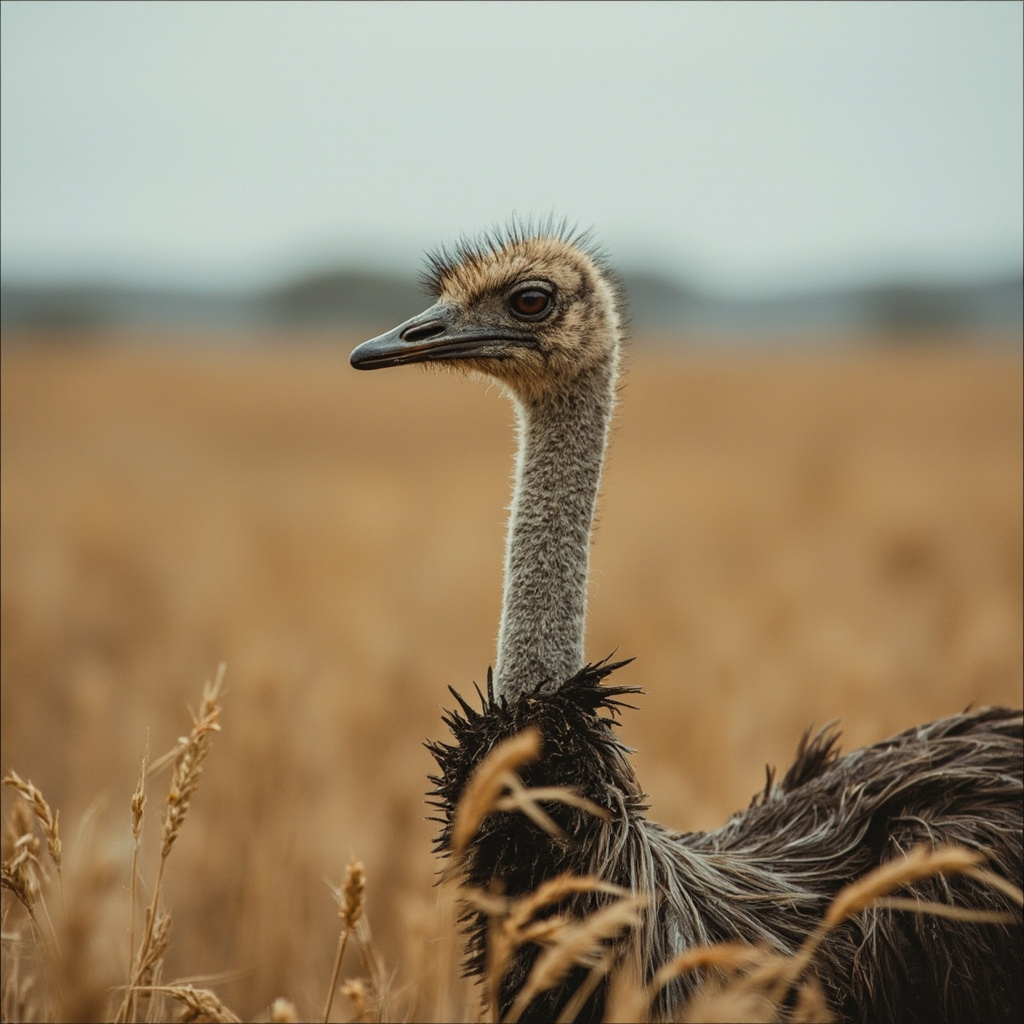
Emus are Australia’s largest native birds, standing up to six feet tall and capable of running at speeds of 30 miles per hour. After their breeding season, massive flocks would migrate from the interior to coastal areas in search of food and water. The newly cultivated farmlands provided an irresistible buffet of crops, and the birds showed no intention of leaving.
The Veterans’ Plea
The ex-servicemen were desperate. They had already struggled to make their farms profitable during the economic downturn, and now thousands of emus were destroying their crops daily. The birds would knock down fences, trample wheat fields, and eat everything in sight. Farmers tried various methods to deter the emus—scarecrows, noise-makers, and hunting parties—but the birds proved remarkably resilient and intelligent.
In November 1932, the farmers approached the government with an unusual request: could the military assist with their emu problem? They specifically asked for machine guns and soldiers to help eliminate the birds. The request eventually reached the Minister for Defence, Sir George Pearce, who saw an opportunity.
Pearce viewed the operation as a chance for the military to gain some practical experience and good publicity. He approved the deployment of soldiers armed with Lewis machine guns to Western Australia. The mission was framed as both a training exercise and a public service to help struggling farmers.
Operation Emu: The First Phase
On November 2, 1932, the “war” officially began. Major G.P.W. Meredith of the Royal Australian Artillery was placed in command of the operation, accompanied by Sergeant S. McMurray and Gunner J. O’Halloran. They were equipped with two Lewis machine guns and 10,000 rounds of ammunition.
The soldiers were confident that their modern military equipment would make quick work of the emu problem. However, they severely underestimated their feathered opponents. The first encounter near Campion revealed the challenges they would face.
When the soldiers spotted a flock of about 50 emus, they set up their machine guns and opened fire. The results were disappointing. The emus scattered rapidly in different directions, making them difficult targets. Of the initial burst of gunfire, only a handful of birds were killed. The majority escaped, seemingly unfazed by the military assault.
The Emus Fight Back
What followed were several days of frustration for the Australian military. The emus proved to be surprisingly tactical opponents. They learned to scatter when they heard the sound of approaching vehicles, making it nearly impossible to get within effective range. The birds’ speed and agility made them difficult targets, even for experienced soldiers.
Major Meredith reported that the emus demonstrated what could only be described as guerrilla warfare tactics. They would split into small groups when threatened, forcing the soldiers to divide their attention. The birds also seemed to post “sentries” that would alert the flock to approaching danger, much like a military unit might do.
The terrain worked against the soldiers as well. The flat, open landscape of Western Australia meant that emus could see the military vehicles coming from great distances. By the time the soldiers got into position and set up their machine guns, the birds had often already begun their escape.
Media Ridicule and Public Embarrassment
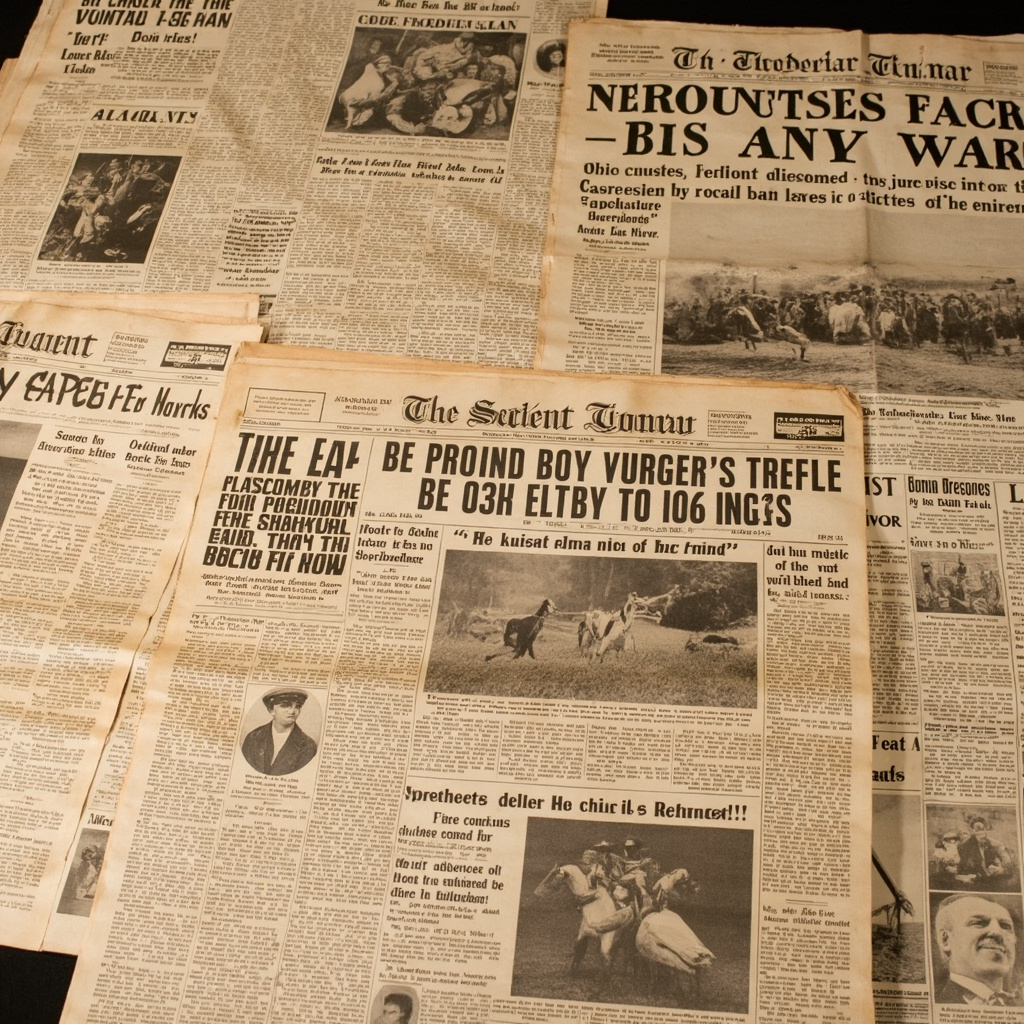
News of the military operation quickly spread, and the media had a field day with the story. Australian newspapers began covering the “war” with a mixture of amusement and disbelief. Headlines mocked the military’s inability to defeat birds, and editorial cartoons depicted soldiers fleeing from giant emus.
The situation became even more embarrassing when international media picked up the story. Foreign newspapers reported on Australia’s “war against emus” with undisguised humor, turning the country into a laughingstock on the world stage. The absurdity of a modern military force being outmaneuvered by birds was irresistible to journalists and comedians alike.
Major Meredith’s reports back to headquarters painted an increasingly grim picture. After several days of operation, the soldiers had used significant amounts of ammunition but had little to show for it. The emu population appeared largely unaffected by the military intervention, while the birds continued to devastate crops across the region.
Tactical Withdrawal and Regrouping
By November 8, just six days after the operation began, Major Meredith recommended withdrawal. The mission was suspended, and the soldiers returned to base to reassess their strategy. The first phase of the Great Emu War had ended in humiliating defeat for the Australian military.
Government officials were not pleased with the results. They had promised farmers effective action against the emu problem, and instead had provided the country with an international embarrassment. The Ministry of Defence faced criticism both from the farmers, who still had emu problems, and from taxpayers, who questioned the wisdom of spending money on such a futile operation.
However, pressure from the farming community remained intense. The emus had not disappeared; if anything, they seemed emboldened by their victory over the military. Crops continued to be destroyed, and farmers threatened to abandon their properties if something wasn’t done soon.
The Second Campaign
Bowing to continued pressure, the government authorized a second military operation against the emus on November 13. Major Meredith and his team returned to Western Australia with new tactics and renewed determination. This time, they would try a different approach.
The soldiers attempted to use the terrain to their advantage, setting up ambushes near water sources where emus were known to congregate. They also tried coordinating attacks with local farmers who knew the birds’ habits and movement patterns. These adjustments led to some improved results, but the overall impact remained minimal.
The second campaign lasted until December 10, 1932. During this extended period, the military claimed to have killed several hundred emus, though exact numbers were disputed. Major Meredith reported that his team had expended nearly all their ammunition and that continuing the operation would not be cost-effective.
The War’s End and Assessment
The Great Emu War officially ended in December 1932, with the military acknowledging defeat. Despite deploying soldiers, machine guns, and thousands of rounds of ammunition, the emu population remained largely intact. The birds continued to damage crops throughout Western Australia, forcing farmers to find alternative solutions.
In his final report, Major Meredith made a remarkable admission about his feathered adversaries. He noted that emus were incredibly resilient creatures, capable of absorbing multiple bullet wounds and continuing to run. He also praised their tactical intelligence, observing that they had demonstrated better guerrilla warfare skills than many human enemies he had faced.
The military estimated that they had killed fewer than 1,000 emus during the entire operation, despite firing approximately 9,860 rounds of ammunition. This meant that it took nearly 10 bullets to kill each bird—an embarrassingly poor efficiency rate for a professional military force.
Long-term Consequences and Solutions
The failure of the military operation forced authorities to seek alternative solutions to the emu problem. The government eventually implemented a bounty system, paying farmers and professional hunters for each emu killed. This approach proved more effective than the military campaign, as local hunters understood the birds’ behavior and could work more efficiently than soldiers with heavy equipment.
The bounty system also distributed the costs and efforts across the community rather than concentrating them in a single, highly visible military operation. Over time, the combination of hunting pressure and habitat changes reduced the emu problem to manageable levels.
Farmers also adapted their techniques, installing better fencing and changing their planting patterns to minimize emu damage. Some even learned to coexist with the birds, accepting some crop loss as part of farming in Australia’s unique environment.
Cultural Impact and Legacy
The Great Emu War became a permanent part of Australian folklore, remembered with a mixture of embarrassment and amusement. It demonstrated the challenges of applying military solutions to environmental or agricultural problems, and highlighted the importance of understanding local conditions before launching major operations.
The story has been retold countless times in books, documentaries, and comedy shows, usually focusing on the absurdity of a modern military force being defeated by birds. It serves as a reminder that technology and firepower are not always sufficient to solve complex problems.
Internationally, the Great Emu War became synonymous with military incompetence and bureaucratic overreach. It joined other historical episodes where powerful forces were humbled by unexpected opponents, proving that David doesn’t always need a slingshot to defeat Goliath—sometimes being an emu is enough.
Lessons Learned
The Great Emu War offers several valuable lessons that extend beyond its immediate historical context. First, it demonstrates the importance of understanding the problem before selecting a solution. The military approach was fundamentally flawed because soldiers were trained to fight human enemies, not fast-moving, intelligent birds with excellent survival instincts.
Second, the episode shows how pride and bureaucratic momentum can perpetuate failed policies. Even when it became clear that the military operation was ineffective, officials continued the campaign to avoid admitting defeat. This prolonged a costly and embarrassing situation that could have been resolved more quickly through alternative approaches.
Finally, the story illustrates the power of local knowledge and appropriate technology. The farmers and hunters who eventually addressed the emu problem succeeded because they understood the birds’ behavior and used methods suited to the challenge. The military’s machine guns were impressive but ultimately the wrong tool for the job.
The Great Emu War remains one of history’s most unusual military campaigns, a reminder that even the most well-equipped forces can be outsmarted by unexpected opponents. In the end, the emus didn’t just win a battle—they won their place in history as the only birds to ever defeat a modern army.