The Dancing Plague of 1518: When an Entire City Danced Itself to Death

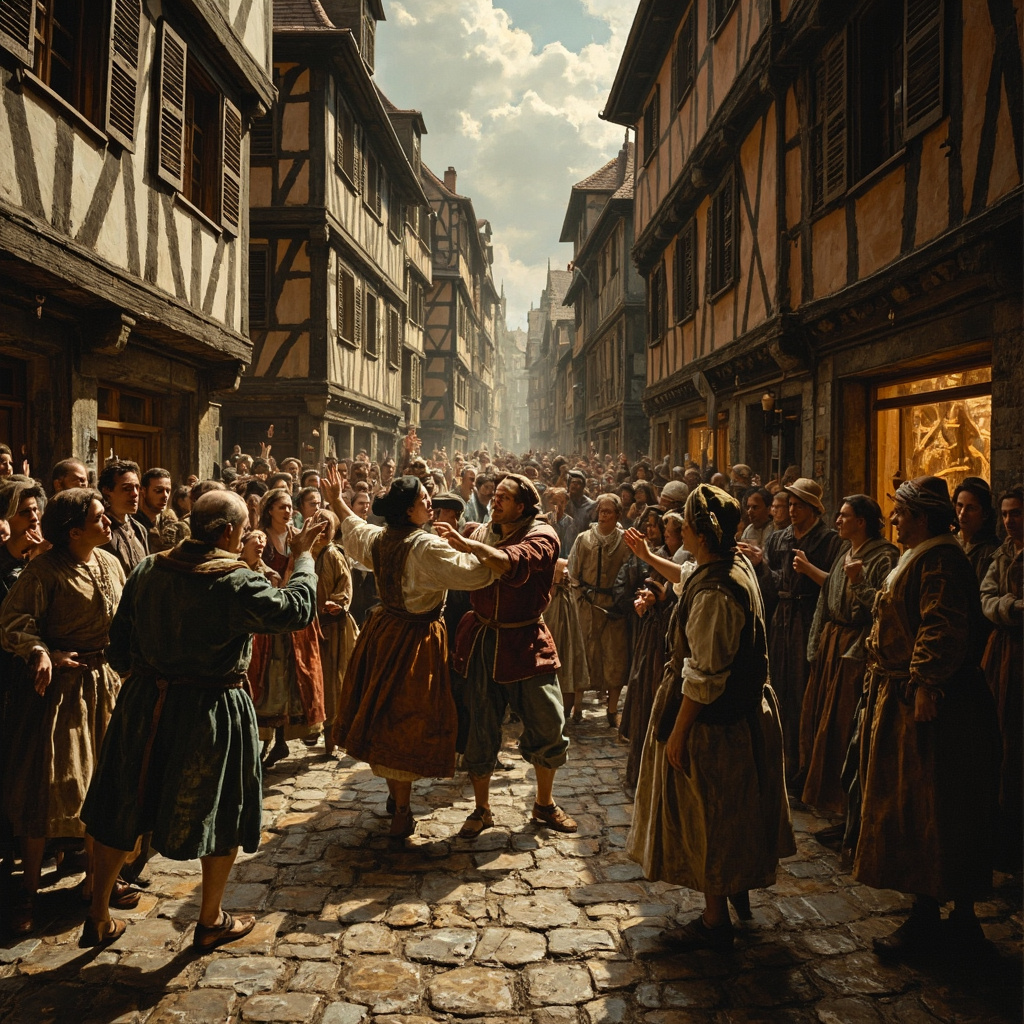
In the summer of 1518, the streets of Strasbourg witnessed one of history’s most bizarre and terrifying episodes. What started with a single woman dancing alone in the street would escalate into a deadly epidemic that consumed hundreds of people and baffled authorities for months. This wasn’t a celebration or festival—this was the Dancing Plague of 1518, a phenomenon so strange it challenges our understanding of mass hysteria and collective behavior.
It Started with Frau Troffea
The plague began in July 1518 when a woman known as Frau Troffea stepped into a narrow street in Strasbourg and began to dance. But this wasn’t ordinary dancing. She moved with wild, uncontrolled movements, her feet bleeding as she continued for hours without rest. Onlookers initially thought she was celebrating or perhaps intoxicated, but as hours turned into days, it became clear something was terribly wrong.
Troffea danced continuously for six days straight. Her feet became bloody stumps, yet she couldn’t stop. The authorities, uncertain how to handle such an unprecedented situation, eventually carted her away to a nearby shrine, hoping prayer might cure her affliction.
The Contagion Spreads
But Troffea’s removal didn’t end the crisis—it only delayed the inevitable. Within days, more people began exhibiting the same compulsive dancing behavior. By the end of the first week, 34 people had joined the macabre dance marathon. The affliction seemed to spread like wildfire through the community, affecting men and women, young and old, rich and poor.
What made the situation even more disturbing was that the dancers couldn’t stop even when they wanted to. Contemporary accounts describe people pleading for help while their bodies continued to move against their will. Many collapsed from exhaustion, only to resume dancing once they regained consciousness. The dancing wasn’t rhythmic or coordinated—it was frantic, desperate, and utterly uncontrollable.
By August, the number of dancers had swelled to around 400 people. The city was in chaos. Normal life ground to a halt as families watched their loved ones dance themselves to the brink of death. Some victims reportedly danced until they suffered heart attacks, strokes, or simply collapsed from sheer exhaustion.
The Authorities’ Misguided Response
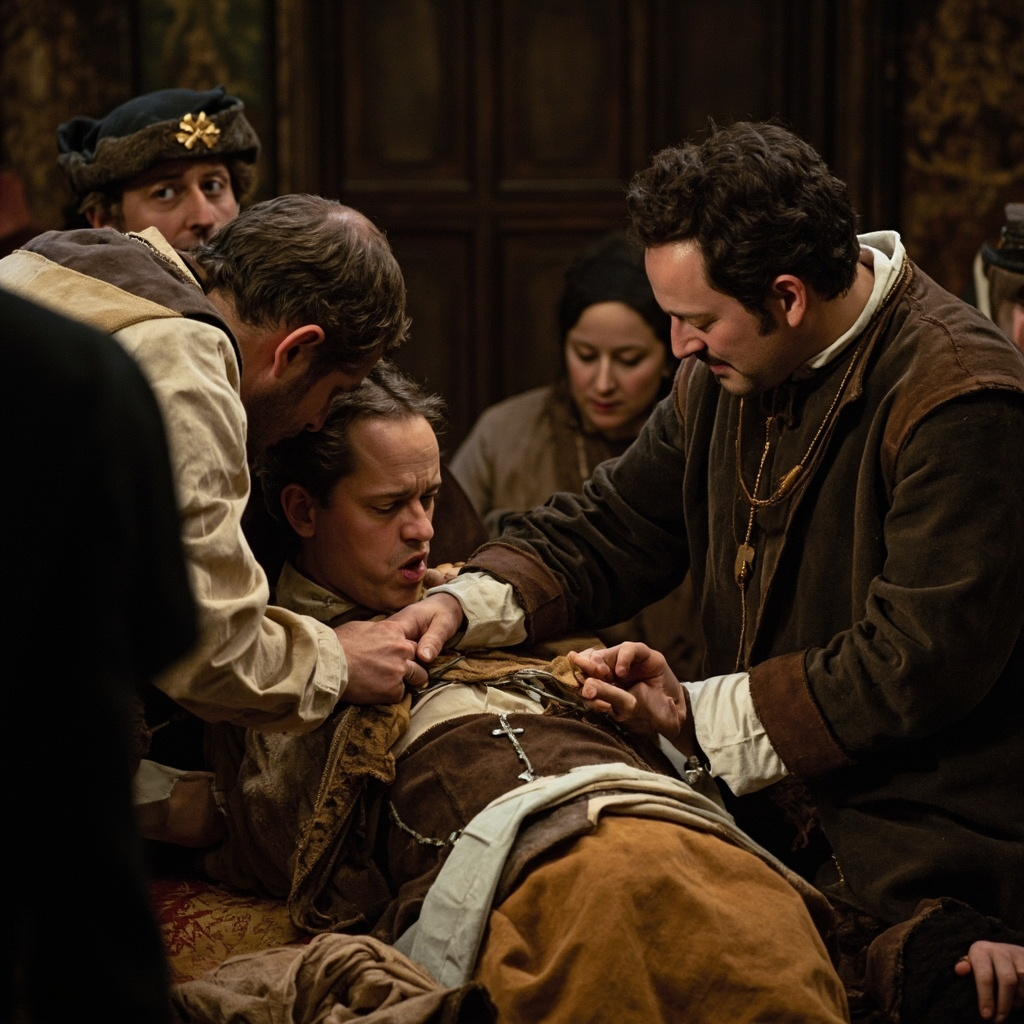
Faced with this unprecedented crisis, Strasbourg’s leaders consulted physicians, clergy, and astrologers for answers. The prevailing medical theory of the time attributed the dancing to “hot blood,” and doctors prescribed a treatment that seems absurd in hindsight: more dancing.
Believing that the afflicted needed to “dance out” the illness from their systems, authorities hired professional musicians and dancers to encourage the victims. They opened guild halls and constructed a wooden stage in the town’s grain market. The idea was to provide a controlled environment where the dancers could exhaust themselves safely.
This strategy backfired spectacularly. Rather than curing the dancers, the music and encouragement seemed to intensify their compulsions and attracted even more victims to join the dance. The authorities had essentially created a public venue for mass hysteria.
Theories and Explanations
Modern historians and scientists have proposed several theories to explain the Dancing Plague of 1518. The most widely accepted explanation is mass psychogenic illness, also known as mass hysteria or conversion disorder. This psychological phenomenon occurs when physical symptoms spread through a group without any identifiable physical cause.
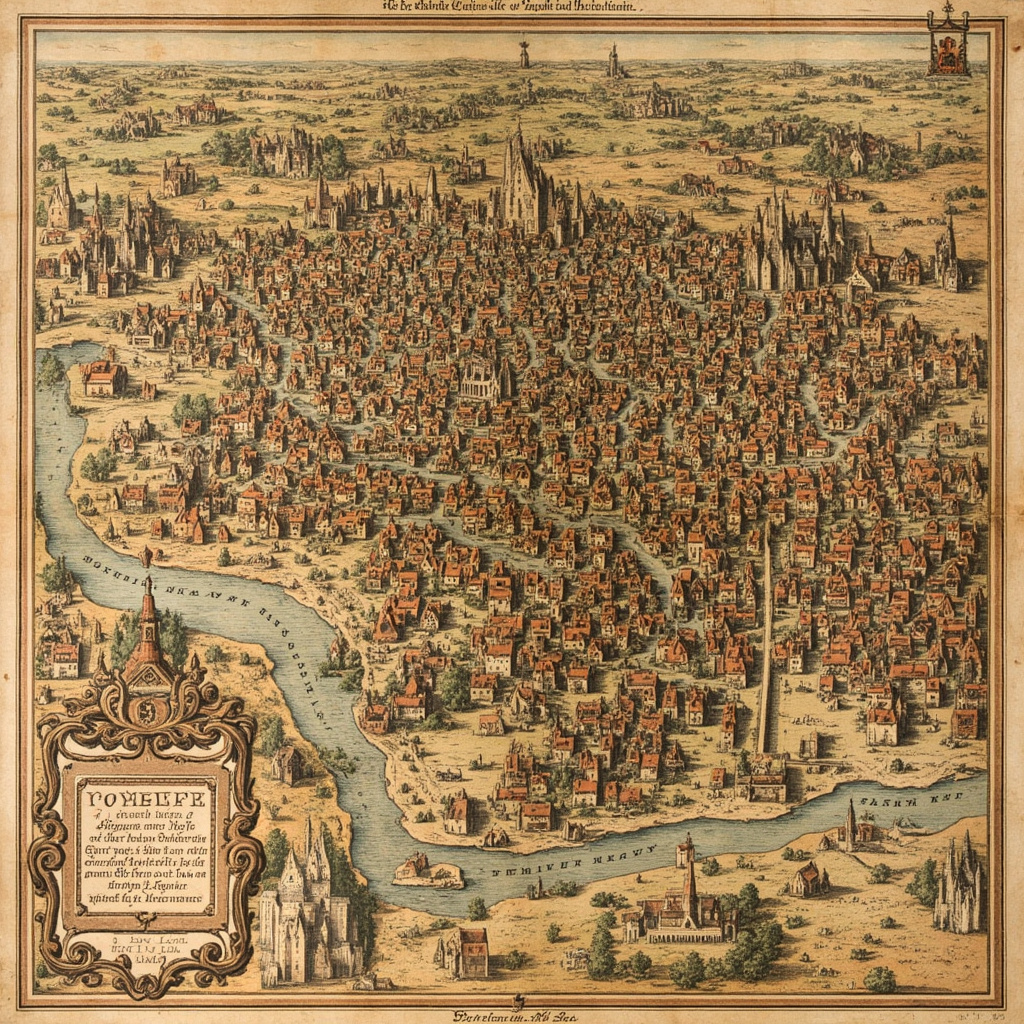
The conditions in early 16th-century Strasbourg were ripe for such an outbreak. The city had recently suffered from famine, disease, and social upheaval. Many residents lived in extreme poverty and faced constant stress about survival. In such an environment, one person’s psychological breakdown could trigger similar responses in others who shared the same fears and anxieties.
Another theory suggests ergot poisoning from contaminated grain. Ergot is a fungus that grows on grains and contains compounds similar to LSD. However, this explanation is less likely because ergot poisoning typically causes muscle contractions and convulsions, not the specific rhythmic dancing observed in 1518.
Some historians point to the religious and social context of the time. Saint Vitus was believed to curse people with unstoppable dancing if they angered him. The widespread belief in this supernatural explanation may have contributed to the psychological conditions that enabled the outbreak.
The End of the Plague
After realizing their mistake with the music therapy, authorities changed course. They banned public dancing, removed the musicians, and began taking the afflicted to shrines for religious intervention. Many victims were taken to Saverne, where they were made to pray before a statue of Saint Vitus and participate in religious ceremonies.
Gradually, the dancing plague subsided. By early September 1518, the number of active dancers had diminished significantly. Whether the religious intervention actually helped or whether the psychological epidemic simply ran its natural course remains unclear. What is certain is that the crisis passed as mysteriously as it had begun.
Legacy and Similar Events
The Dancing Plague of 1518 wasn’t unique in medieval and early modern Europe. Similar episodes occurred throughout the 14th, 15th, and 16th centuries in various regions. These events, often called “dance epidemics” or “choreomania,” typically coincided with periods of social stress, religious fervor, or economic hardship.
The Strasbourg outbreak stands out for its scale, duration, and the detailed contemporary records that survived. These accounts provide valuable insights into how communities dealt with unexplained mass phenomena before the development of modern psychology and medicine.
Today, the Dancing Plague of 1518 serves as a powerful reminder of how social and psychological pressures can manifest in physical symptoms. It demonstrates the complex relationship between mind and body, individual psychology and group dynamics, and the ways in which extreme stress can produce seemingly impossible behaviors.
Lessons from the Past
The Dancing Plague of 1518 offers several important lessons for understanding mass psychological phenomena. First, it shows how quickly unusual behaviors can spread through communities, especially during times of crisis. Second, it demonstrates the danger of well-intentioned but misguided interventions that can actually worsen the situation.
Perhaps most importantly, the dancing plague reveals the power of collective belief and social contagion. In an age where information spreads faster than ever through social media and global communication networks, understanding these historical precedents becomes increasingly relevant for recognizing and managing modern forms of mass hysteria.
The people of Strasbourg in 1518 faced an inexplicable crisis with the tools and knowledge available to them at the time. Their responses—both helpful and harmful—provide valuable insights into human nature and the complex ways that psychological distress can manifest in physical symptoms. The Dancing Plague remains one of history’s most fascinating examples of the mysterious connections between mind, body, and society.