The Battle of Los Angeles: When America Fired 1,400 Rounds at Nothing

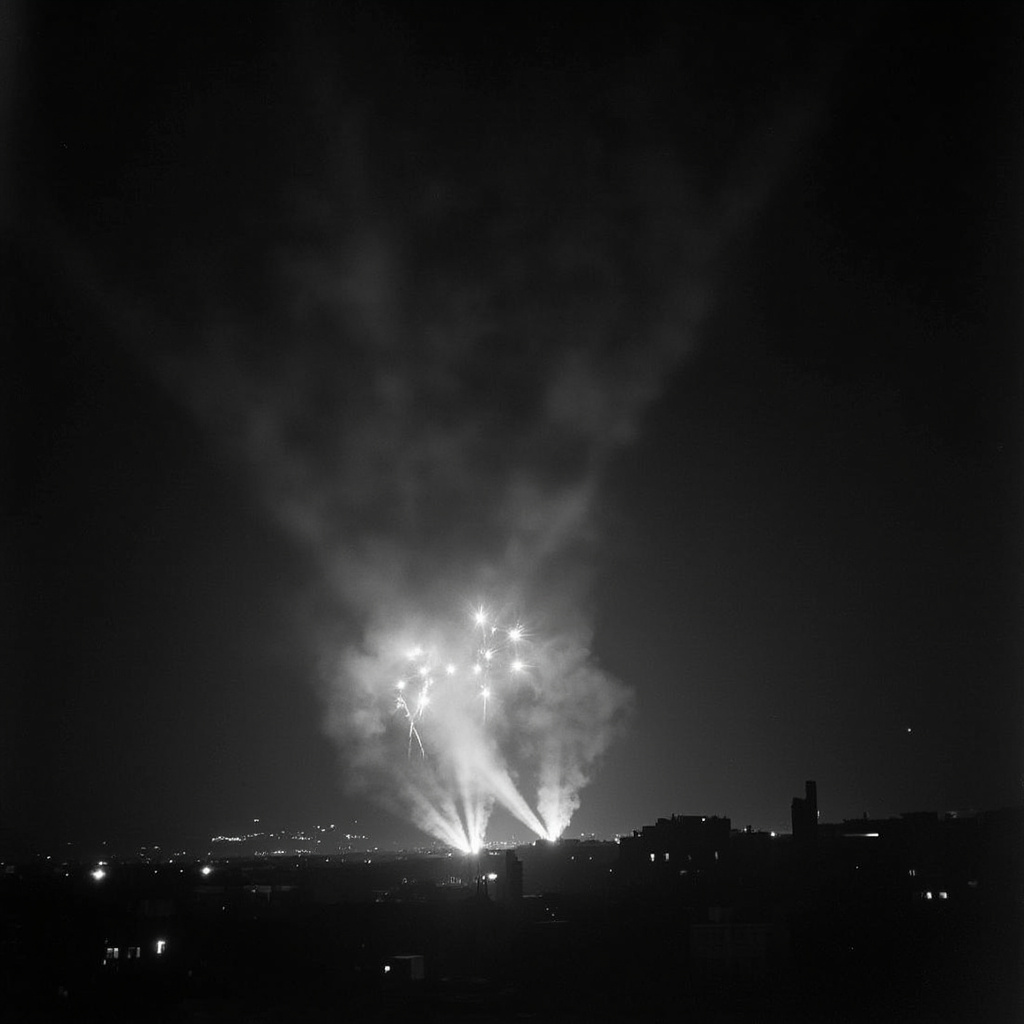
On the night of February 25, 1942, Los Angeles became the stage for one of World War II’s most bizarre military incidents. For over an hour, American forces unleashed a thunderous barrage of anti-aircraft fire into the dark California sky, convinced they were repelling a Japanese air raid. The reality was far stranger—they were shooting at absolutely nothing.
The Prelude to Panic
The attack on Pearl Harbor had left Americans on edge, particularly those living on the West Coast. Just two months after December 7th, paranoia gripped the nation. Reports of enemy submarines lurking offshore and phantom aircraft filled newspapers daily. Inexperienced radar operators mistook fishing boats, logs, and even whales for Japanese warships.
Secretary of War Henry Stimson had warned that American cities should prepare to accept “occasional blows” from enemy forces. That warning proved prophetic just days before the Los Angeles incident, when a Japanese submarine surfaced off Santa Barbara on February 23, 1942, and shelled an oil refinery—the first enemy bombardment of the mainland United States during World War II.
The Night the Guns Roared
The stage was set for disaster. On the evening of February 24, naval intelligence warned coastal units to prepare for a potential Japanese attack. All remained quiet until 2:00 AM on February 25, when radar picked up what appeared to be an enemy contact 120 miles west of Los Angeles.
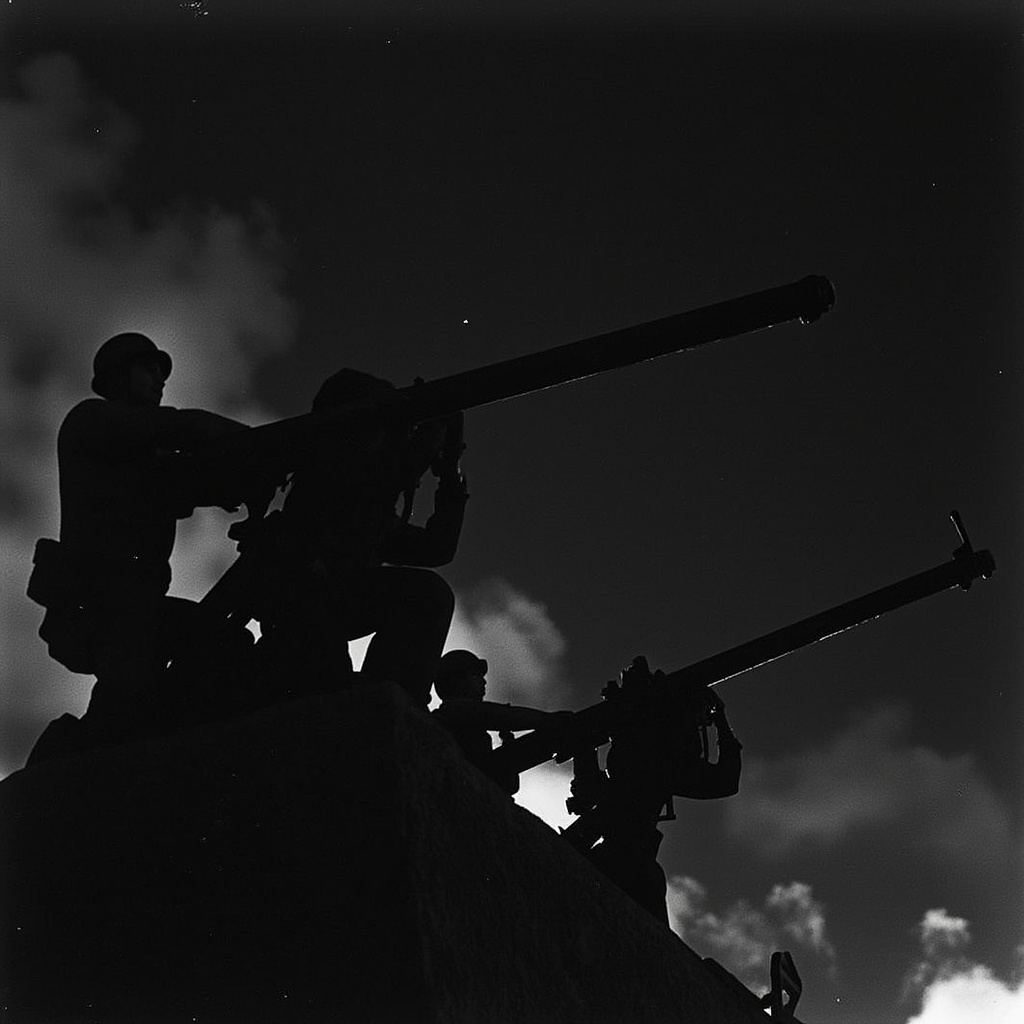
Air raid sirens wailed across the city. A complete blackout was ordered. Within minutes, troops had manned their positions and searchlights began sweeping the sky. At 3:16 AM, following reports of an unidentified object over Santa Monica, the shooting began.
“Powerful searchlights from countless stations stabbed the sky with brilliant probing fingers,” the Los Angeles Times reported, “while anti-aircraft batteries dotted the heavens with beautiful, if sinister, orange bursts of shrapnel.”
For the next hour and eight minutes, Los Angeles artillery batteries pumped over 1,400 rounds of anti-aircraft ammunition into the empty sky. Reports flooded in from across the city: Japanese aircraft flying in formation, bombs falling, enemy paratroopers descending. One witness claimed a Japanese plane had crash-landed in Hollywood.
“I could barely see the planes, but they were up there all right,” coastal artilleryman Charles Patrick later wrote. “I could see six planes, and shells were bursting all around them. Naturally, all of us fellows were anxious to get our two-cents’ worth in.”
The Morning After: A Puzzling Discovery
When the “all-clear” finally sounded that morning, military officials made a disturbing discovery: there had been no enemy attack. No bombs had been dropped. No planes had been shot down. The only damage came from American shells raining down on their own city.
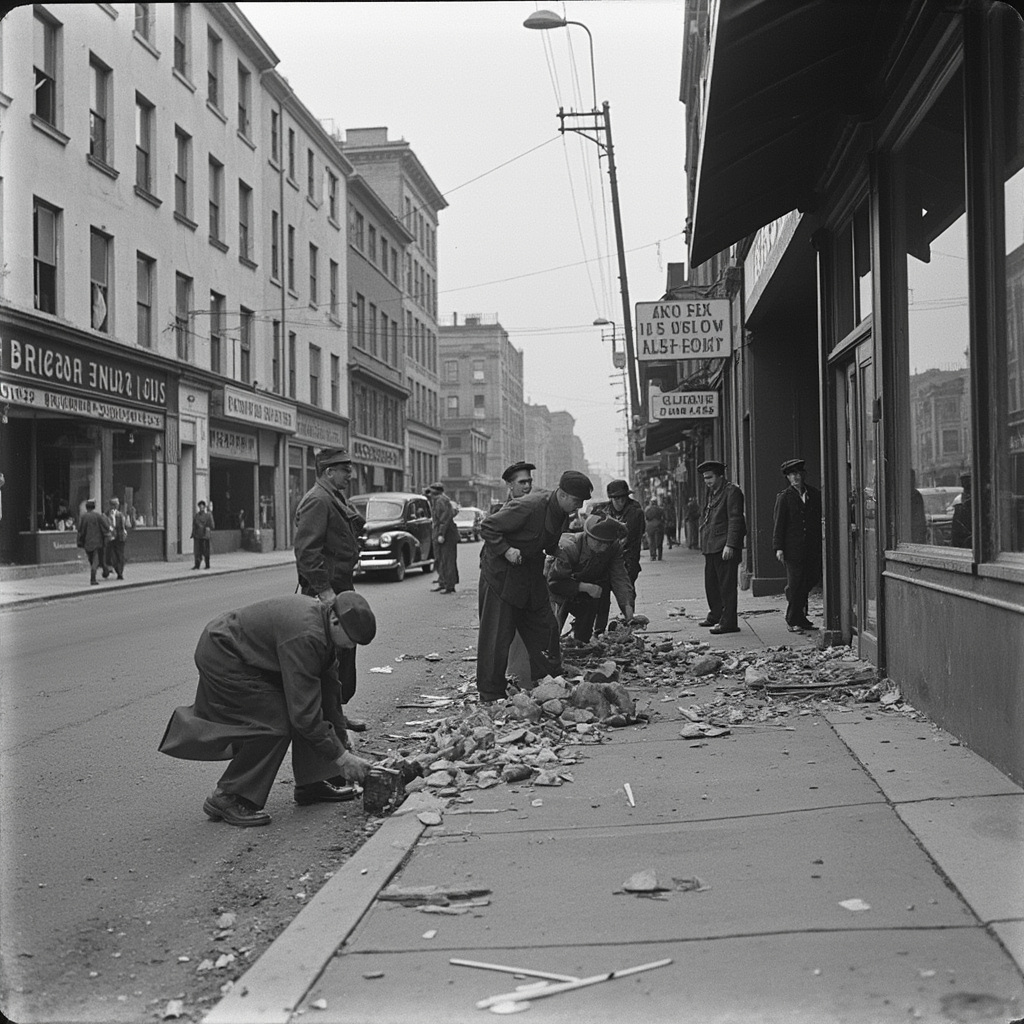
Anti-aircraft shrapnel had shattered windows and torn through buildings across Los Angeles. One unexploded shell careened into a Long Beach golf course. Several homes were partially destroyed by 3-inch artillery shells. Though no serious injuries occurred from the barrage itself, five people died from heart attacks and car accidents during the extended blackout.
In a chilling preview of the hysteria that would soon accompany Japanese internment, authorities arrested twenty Japanese-Americans for allegedly trying to signal the nonexistent aircraft.
Contradictory Explanations
Government officials offered wildly conflicting explanations for the incident. Secretary of the Navy Frank Knox dismissed it as a false alarm caused by “jittery nerves.” But Secretary of War Henry Stimson insisted that at least fifteen planes had buzzed the city, suggesting they might have been “commercial aircraft operated by enemy agents” trying to spread fear.
The New York Times noted the absurdity: “Some eyewitnesses had spied a big floating object resembling a balloon, while others had spotted anywhere from one plane to several dozen. The more the whole incident is examined, the more incredible it becomes.”
The Truth Behind the “Battle”
What really happened over Los Angeles that February night? The Japanese military later confirmed they had never flown aircraft over the city during the entire war. The most logical explanation involves a perfect storm of wartime paranoia, inexperienced personnel, and equipment failures.
In 1983, the Office of Air Force History revealed that meteorological balloons had been released before the barrage to determine wind conditions. Their lights and reflective surfaces likely triggered the initial alerts. Once the shooting began, the disorienting combination of searchlights, smoke, and exploding shells created phantom targets that convinced gunners they were firing on enemy planes.
Hollywood’s Perfect Illusion
The incident occurred in the heart of America’s entertainment capital, and journalists didn’t miss the irony. The New York Times wrote that as “the world’s preeminent fabricator of make-believe,” Hollywood had played host to a battle that was “just another illusion.”
The Battle of Los Angeles stands as a stark reminder of how fear and inexperience can transform shadows into enemies. While no Japanese aircraft ever threatened the city that night, the phantom attack succeeded in achieving what real bombers might have struggled to accomplish—complete panic, military chaos, and a city shooting at itself.
In the end, America’s first “UFO incident” was neither aliens nor enemies, but something far more human: the fog of war meeting the power of suggestion in a city already on edge.