Gribshunden: The Royal Flagship That Revealed Secrets of Medieval Naval Power


From the depths of the Baltic Sea, archaeologists have uncovered one of history’s most significant maritime discoveries: the royal Danish-Norwegian flagship Gribshunden, providing unprecedented insights into late medieval naval warfare and royal power projection.
A Royal Warship Lost to Time
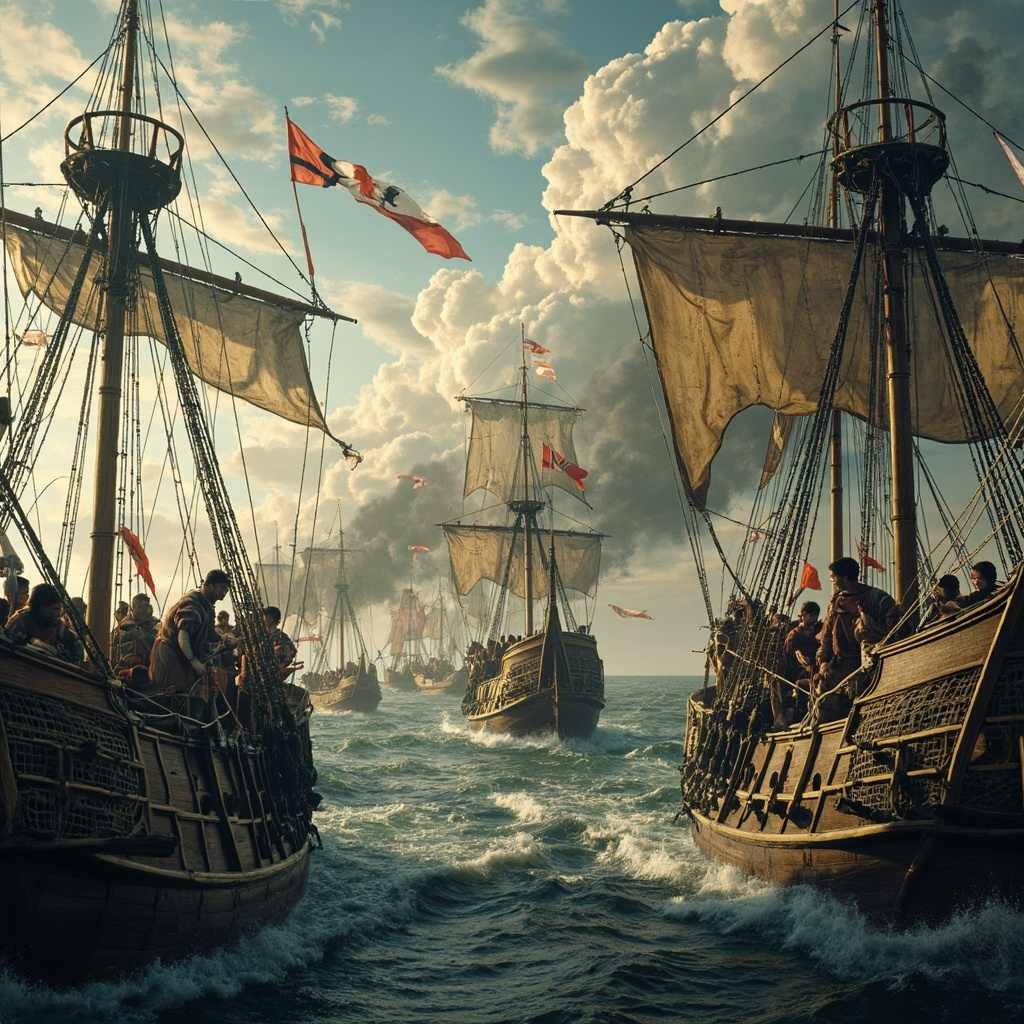
The Gribshunden (“Griffin Hound”) served as the flagship of King John of Denmark and Norway in the late 15th century. This massive vessel represented the pinnacle of Scandinavian naval engineering, designed to project royal authority across the turbulent waters of medieval Europe.
Revolutionary Archaeological Discoveries
Recent excavations have revealed extraordinary artifacts that challenge our understanding of medieval naval capabilities:
- Advanced artillery systems – Bronze cannons more sophisticated than previously known
- International trade goods – Evidence of extensive European commercial networks
- Royal regalia fragments – Items suggesting ceremonial and diplomatic functions
- Navigation instruments – Tools showing advanced maritime knowledge
The Political Context
The Gribshunden’s discovery illuminates the complex political landscape of 15th century Scandinavia. King John used this floating fortress not just for warfare, but as a mobile court, conducting diplomacy and displaying royal magnificence across his maritime empire.
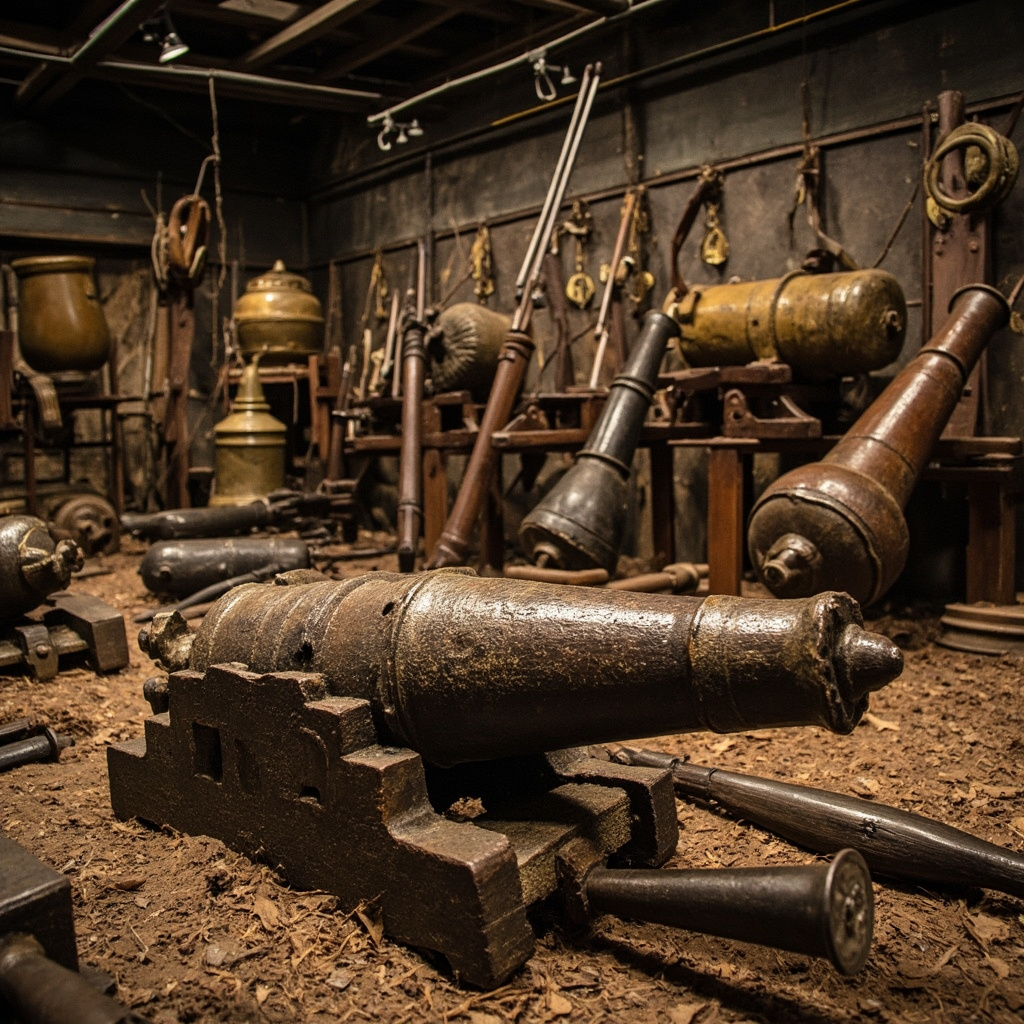
The ship’s size and armament suggest that medieval naval power was far more sophisticated than traditionally believed. Rather than simple transport vessels, royal flagships like Gribshunden were complex military and political instruments.
Lessons for Modern Historians
This discovery forces historians to reconsider assumptions about medieval technology, international relations, and the role of maritime power in European politics. The Gribshunden represents not just a ship, but a window into a world where naval supremacy determined the fate of kingdoms.
As underwater archaeology continues to reveal such treasures, our understanding of medieval Europe becomes increasingly nuanced, showing a world more connected and technologically advanced than previously imagined.