The Nuclear Bomb Still Missing Off Georgia Coast Since 1958

On a cold February night in 1958, the United States Air Force lost something rather significant off the coast of Georgia—a 7,600-pound nuclear weapon. Nearly seven decades later, it remains somewhere beneath the waters near Tybee Island, making it one of the most extraordinary Cold War mysteries still unresolved today.
The Collision That Changed Everything
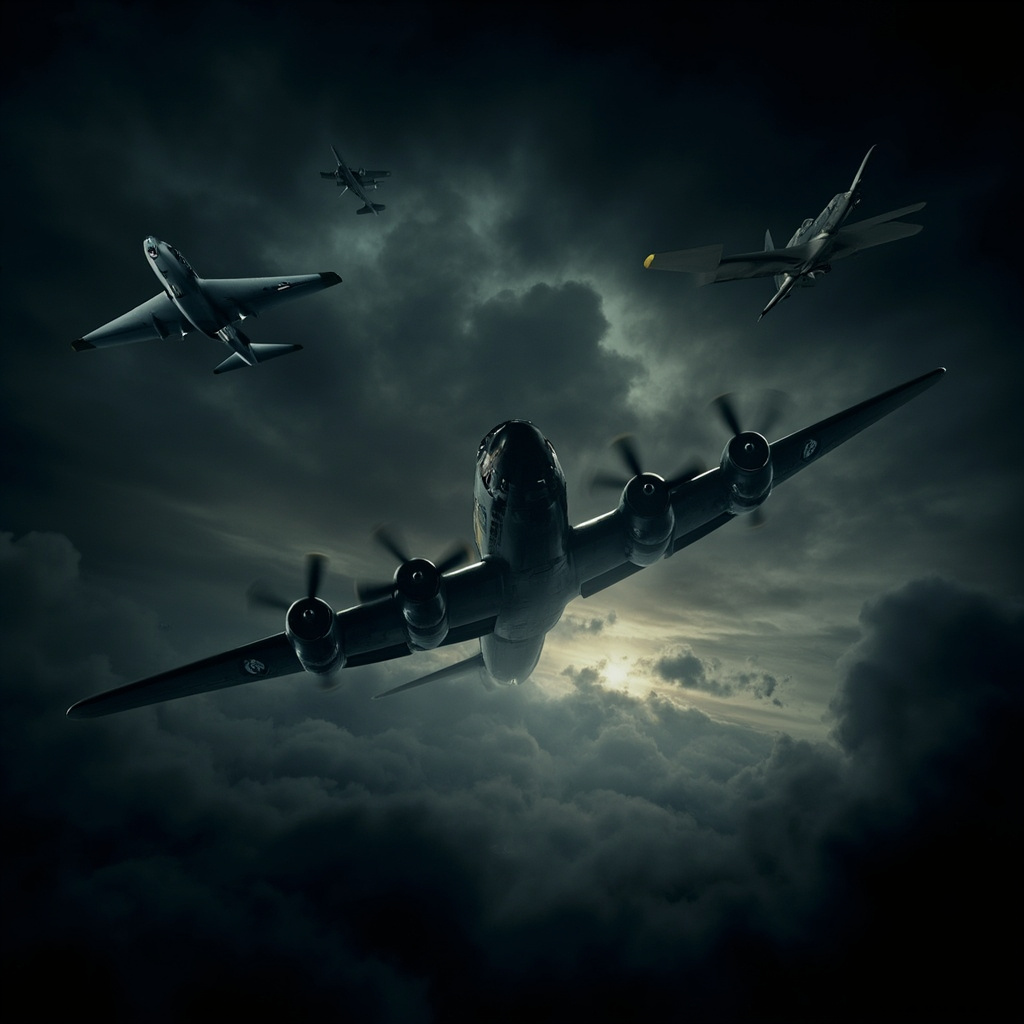
February 5, 1958, began as a routine training exercise. A Boeing B-47 Stratojet bomber, loaded with a single Mark 15 nuclear bomb, was conducting a simulated combat mission from Homestead Air Force Base in Florida. At 2:00 AM Eastern time, everything went catastrophically wrong.
Flying at 38,000 feet, the six-engine B-47 collided with an F-86 Sabre fighter jet during the night exercise. The F-86 pilot, Lieutenant Clarence Stewart, ejected safely and parachuted to the ground near Estill, South Carolina. The damaged bomber, however, found itself in a desperate situation—plummeting toward earth with a nuclear weapon aboard.
The Decision to Drop
Colonel Howard Richardson, the B-47s pilot, managed to regain control at 20,000 feet, but the aircraft was severely damaged. With limited fuel and a compromised aircraft, the crew faced an impossible choice: attempt a dangerous landing with the nuclear weapon aboard, or jettison it to reduce weight and prevent a potential nuclear explosion upon crash.
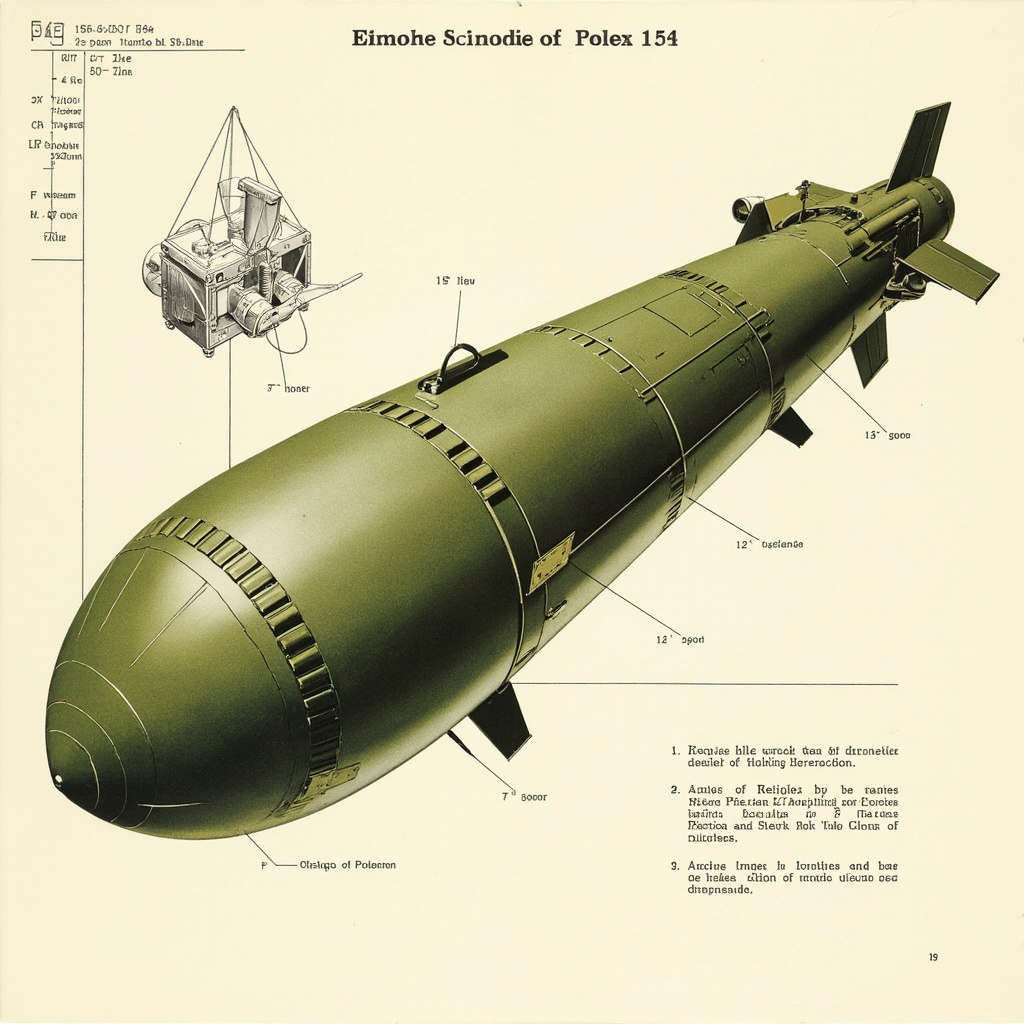
Permission was granted from command. At 7,200 feet, traveling at approximately 200 knots, the crew released the 12-foot-long nuclear device into the dark waters below. They reported no explosion when the weapon hit the ocean surface. Richardson successfully landed the crippled bomber at nearby Hunter Air Force Base and was later awarded the Distinguished Flying Cross for his heroism.
What Exactly Is Down There?
The Mark 15 nuclear bomb that disappeared into Wassaw Sound carries the serial number 47782. Weighing 7,600 pounds and stretching 12 feet in length, it contains 400 pounds of conventional high explosives and highly enriched uranium.
The critical question that has puzzled experts for decades: was the nuclear core installed? According to official Air Force records, the “nuclear capsule” (physics package) was removed before the training flight, replaced with a simulated 150-pound lead cap. If true, the device could still produce a significant conventional explosion but not a nuclear blast. However, some sources dispute this claim, suggesting the bomb may have been fully functional.
The Search That Never Ended
Immediately following the incident, the Air Force and Navy launched extensive search operations. For weeks, personnel combed the waters of Wassaw Sound using every available detection method. Despite their efforts, the weapon remained elusive.
On April 16, 1958, officials called off the active search. They concluded the bomb was likely buried under layers of silt in the shifting sands and currents of the coastal waters. The official position became that the weapon posed no significant threat to public safety—a stance maintained to this day.
A Secret Hiding in Plain Sight
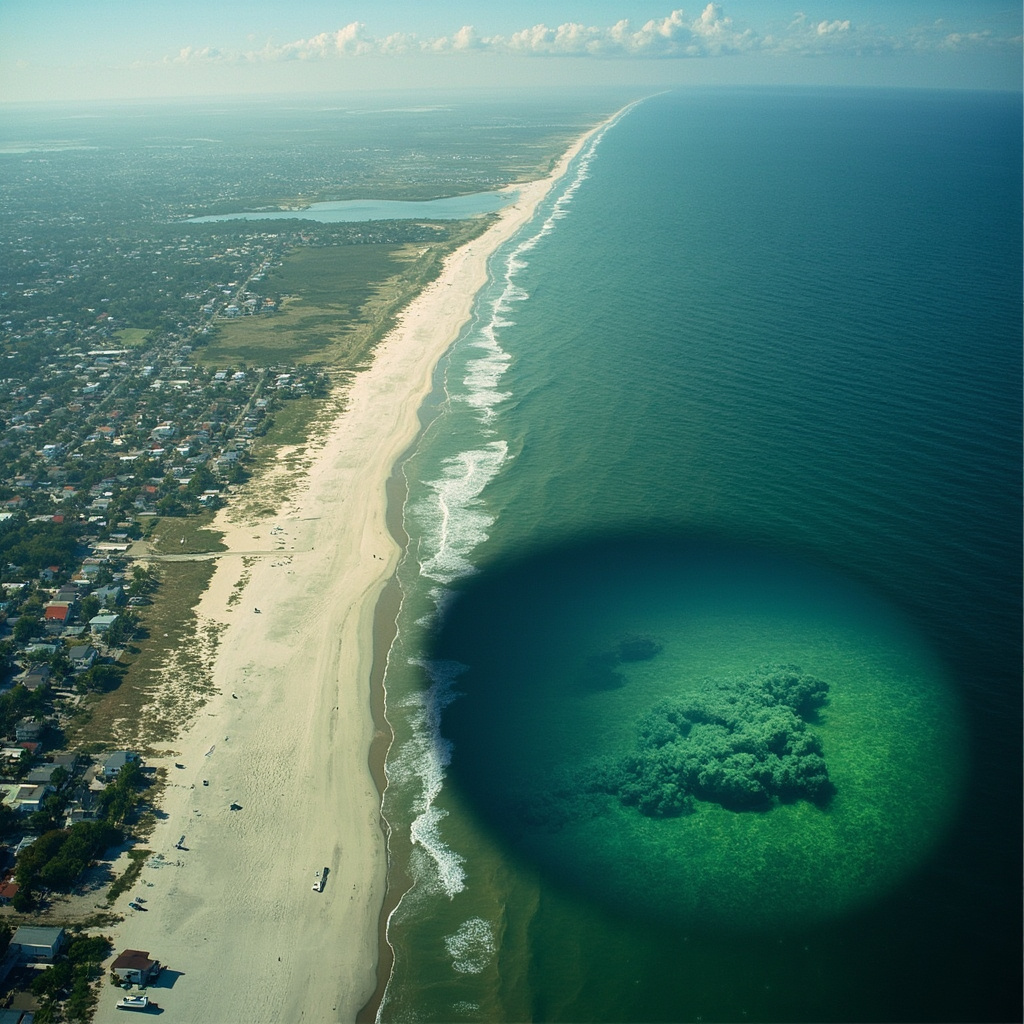
What makes this story particularly unsettling is its proximity to populated areas. Tybee Island, where the bomb rests somewhere offshore, is a popular vacation destination with beautiful beaches and historic sites. Thousands of visitors swim, fish, and boat in these waters every year, completely unaware of what lies beneath.
The U.S. government monitors the area for radiation, and no unusual levels have ever been detected. Yet the knowledge that a nuclear weapon—regardless of its condition—remains lost in these coastal waters continues to intrigue historians, conspiracy theorists, and concerned citizens alike.
One of Many
The Tybee Island incident is not unique in American military history. The United States has officially acknowledged losing at least six nuclear weapons in various accidents, known in military parlance as “Broken Arrow” incidents. These range from aircraft crashes to accidental drops, but the Tybee bomb remains the most accessible—and arguably the most mysterious.
Unlike weapons lost in remote ocean depths or arctic ice, this nuclear device lies in relatively shallow, warm coastal waters. Some experts believe it could theoretically be recovered with sufficient effort and funding, though the official position remains that it is too deeply buried and poses no threat.
The Enduring Mystery
Nearly 70 years later, the nuclear weapon continues to rest somewhere in the waters off Tybee Island. Periodic calls for renewed search efforts arise, particularly from local activists and nuclear safety advocates, but the government maintains its position that the weapon is irretrievable and harmless.
Whether the Mark 15 bomb contains an active nuclear core may never be definitively known. What remains certain is that somewhere beneath the peaceful waters where families vacation and fishermen cast their lines lies a stark reminder of Cold War tensions and the inherent risks of nuclear weapons.
The next time you visit Georgias coast and gaze out at the Atlantic, remember: not all of historys most dangerous secrets are locked away in vaults or buried in classified files. Sometimes, they rest quietly on the ocean floor, just offshore from a lighthouse and a beautiful beach.